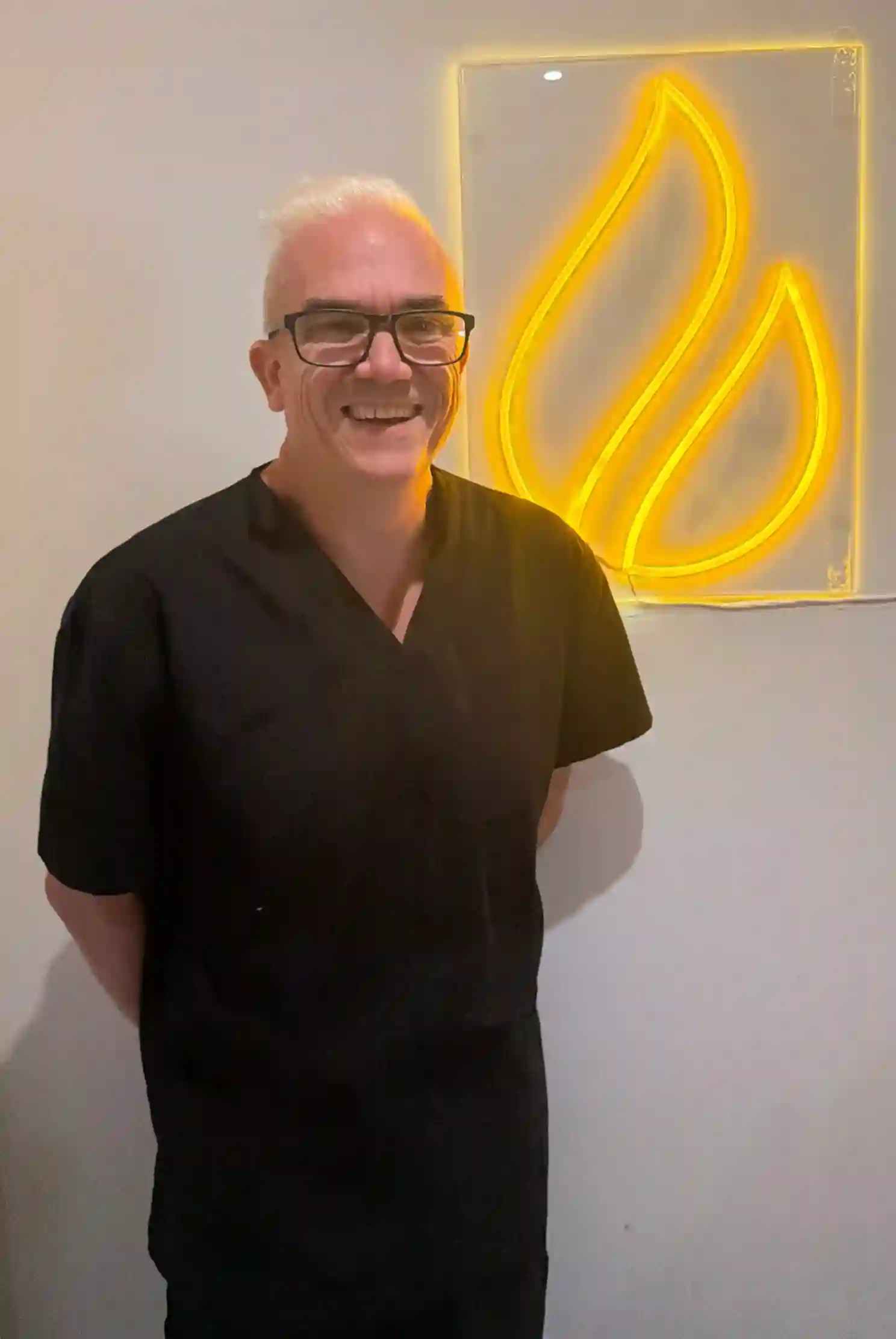
If you are coming from Altona, you can meet Corey Anderson RN for a private aesthetic consultation at Core Aesthetics in Oakleigh. Bring what you have noticed, relevant health or previous-care details and the questions you want answered. Plan the first visit as a useful conversation in its own right, then consider any later return separately if review or further discussion is recommended.
Make the first visit useful on its own
Travelling across Melbourne should not make the appointment feel like a commitment. Begin with a quieter aim: explain what you have noticed, let Corey assess it in context and leave with answers that make the next step clearer.
The first visit can be complete even if it leads to information, more time, another kind of care or no cosmetic treatment. If a later review or discussion would be useful, you can plan that return with a reason rather than treating it as part of the same decision.
What would make the trip worthwhile?
Name the real concern
Hear what Corey observes, what cannot be decided from appearance alone and whether another assessment should come first.
Bring your own questions
Use the conversation to clarify choices, uncertainty, costs, risks and what a reasonable next step could be.
Keep your own pace
You can leave with information and think. Distance travelled does not require a same-day decision.
Separate any return
If follow-up is recommended, check that another Oakleigh visit is practical before choosing a path.
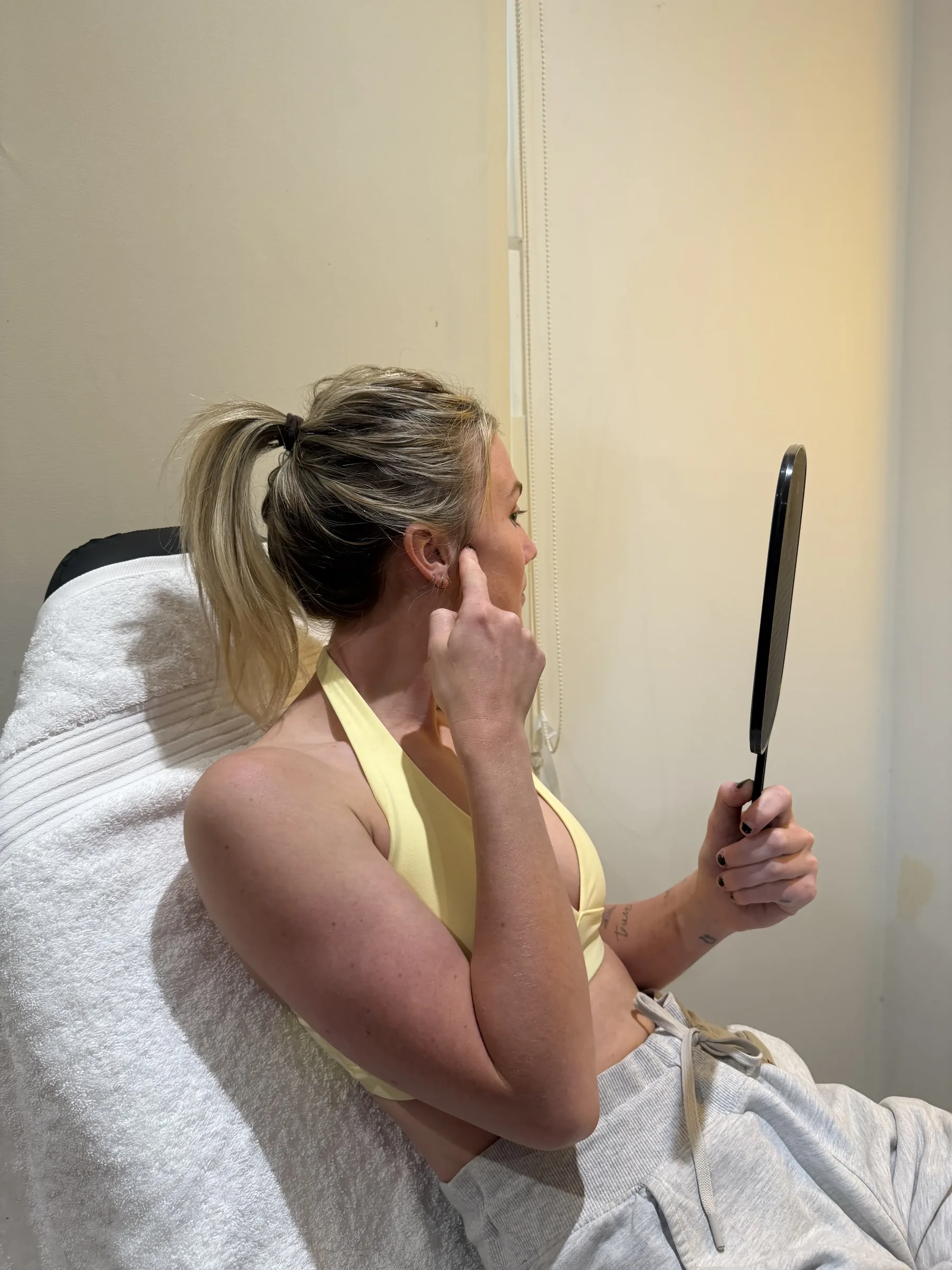
Bring what you notice in ordinary life
You do not need a clinical term. Describe where the concern is, when it catches your attention and whether it changes with expression, light, photographs or time of day. A recent image can help explain the question, but it does not need to prove anything.
Corey considers the area at rest and in movement, along with facial balance, skin, health, previous care and your preferences. The aim is to understand the concern before discussing whether education, waiting, another practitioner or a suitable cosmetic option belongs in the conversation.
The Melbourne consultation page covers the broader appointment pathway. This Altona guide stays focused on making the cross-city visit and any later return practical.
What can you leave knowing?
What was observed
Understand what may be contributing, what remains uncertain and whether the clinic is the right setting for the question.
Which paths are reasonable
That may include information, observation, waiting, another clinician, further discussion or no cosmetic care.
Whether a return helps
If another visit is useful, leave knowing its purpose and what you should bring or consider first.
Plan from the place your day really begins
Pier Street, the Esplanade and Altona Station can be useful local anchors, but your actual starting address and appointment time should shape the route. Check current travel conditions for both directions and leave room for an unhurried conversation. If a driver or support person is part of the plan, the Altona North support-person guide covers privacy and who joins the room.
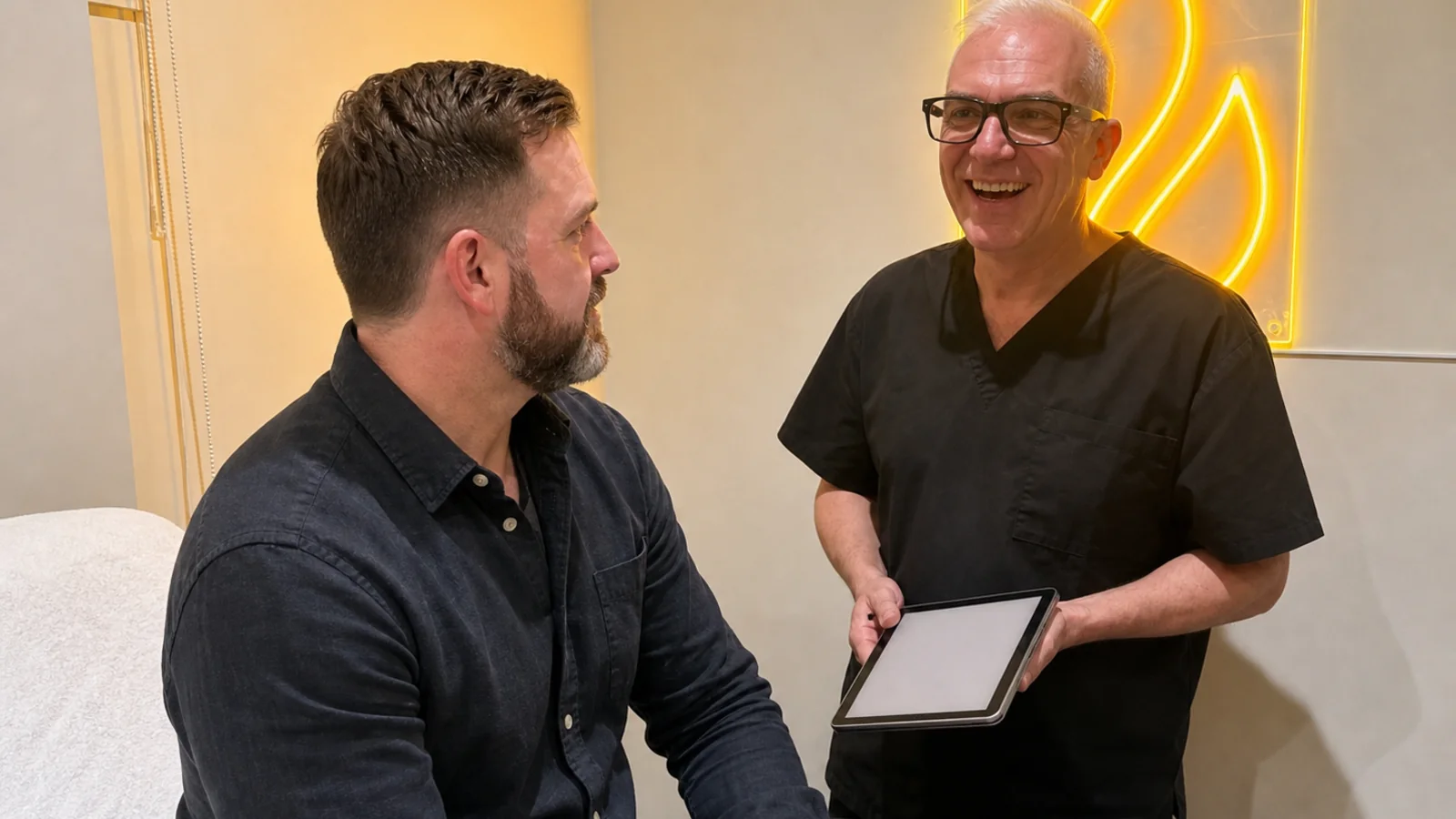
One practitioner, one continuous conversation
Your appointment is with Corey Anderson, Registered Nurse. He listens to what brought you in, reviews the relevant history and remains your point of contact through assessment, planning and review.
That continuity matters when travelling from Altona. You can ask who to contact, what a later check would involve and whether remote information is appropriate for a simple question. If an in-person return is needed, you will understand why.
You can verify Corey’s registration and the clinic before booking.
Plan the Altona to Oakleigh visit
| Plan this | What helps | Why it matters |
|---|---|---|
| Your starting point | Use the address that fits your day, not a suburb-wide travel estimate. | Your route may differ from a journey beginning near Altona Station or Pier Street. |
| Your appointment window | Allow time to reach 12A Atherton Road and settle before the conversation. | Travel should not shorten your questions or create pressure to decide. |
| Your information | Bring medicines, allergies, relevant health details and previous-care records if available. | Accurate context makes the assessment more useful. |
| Your return access | Consider whether another Oakleigh visit would be practical if review is recommended. | A later-care plan should work beyond the day of the first appointment. |
Is this for you?
Consider booking a consultation if
- Adults starting from Altona who want the information visit to remain useful without treatment during that visit
- People willing to plan travel, time to think and any possible return as separate decisions
- Readers able to accept information, records, another clinician, waiting, later review or no cosmetic treatment as useful outcomes
This may not be for you if
- Anyone with an urgent, new, unexplained or worsening health symptom who needs appropriate health care
- Anyone whose travel, event, lift, fee or time away from work makes them feel unable to leave without treatment
- Anyone seeking a product, quantity, fixed outcome or confirmation of suitability from a public page
Suitability is confirmed at consultation. This list is general guidance, not a substitute for clinical assessment.
When another kind of care should come first
A routine aesthetic consultation is not a substitute for medical, dental, skin or mental health care. Seek appropriate assessment first for a concern that is sudden, painful, unexplained, worsening or accompanied by other symptoms.
Corey may also recommend waiting when health, medicines, skin condition, timing, motivation or expectations need more consideration. The patient safety guide explains these boundaries in more detail.
What to expect at the Oakleigh clinic
Come to the Oakleigh clinic for a calm, private assessment with Corey and enough space to explain what brought you in.
Bring your question plus relevant health and previous-care details. Corey will listen, assess the concern in context and explain the reasonable next steps. If an option is suitable to discuss, current fees and the important considerations are covered before you decide.
Sources for local context and safe decision making
- Altona Beach
- Thinking about cosmetic injectables
- Guidelines for registered health practitioners who perform non-surgical cosmetic procedures
- Guidelines for advertising higher risk non-surgical cosmetic procedures
- Advertising health services that involve therapeutic goods
- Ahpra public register of practitioners
Questions about planning from Altona
What is the Altona two journey test?
Plan the first trip as an information and assessment visit. Then write a separate plan for any later decision, further assessment or review. If the first trip only feels worthwhile when treatment during that visit is assumed, the appointment carries avoidable pressure.
Does the test mean two appointments will be required?
No. It is a planning exercise, not a promise about the number of visits. Its purpose is to show whether distance, time or cost would make you feel compelled to decide before the assessment is complete.
What should make the first journey worthwhile on its own?
A clearer description of the concern, a relevant history, an understanding of what assessment can and cannot establish, questions about risk and alternatives, and a documented next step can all make the visit useful without treatment.
What should I write in the possible return column?
Record when you could reasonably return, which transport or support constraints matter, how you would access later advice, what would make you postpone, and whether another clinician or more records may be needed first.
How does local travel affect suitability?
It does not determine suitability. Starting near Pier Street, the Esplanade or Altona Station only affects practical planning. Health history, the concern, motivation, expectations, risk and informed consent remain individual clinical questions.
Can I leave the first visit without choosing an option?
Yes. The appointment may end with information, ordinary observation, a request for records, another clinician, more time, a later review, a private options discussion or no cosmetic treatment.
What if I cannot make a realistic return plan?
Say so before any treatment discussion. Corey can consider whether the information visit is still useful, whether another provider is more practical, or whether the decision should wait. Travel should not be used to compress assessment or consent.
What belongs in my preparation envelope?
Include what you have noticed, when it changed, relevant medical and medicine history, allergies, previous care, photographs used only as history, outside pressure, upcoming dates and the questions you want answered.
What should I ask before considering another journey?
Ask what the assessment established, what remains uncertain, whether another health pathway should lead, what alternatives exist, the material risks and likely limits of any suitable option, total costs, aftercare and review arrangements.
How can I verify Corey Anderson before travelling?
Corey Anderson is a Registered Nurse with Ahpra registration NMW0001047575. Use the Core Aesthetics verification guide, then search the independent Ahpra public register and match his name, profession and current registration details.
Come in with questions, leave with a clearer plan
Your first visit can stand on its own. Bring what you have noticed and let the conversation clarify whether any later step is useful.