The Core Aesthetics cosmetic treatments glossary explains common consultation, anatomy, suitability, consent, aftercare, safety and regulation terms in plain English. It is not a public treatment menu and it does not decide what is suitable for you. Its job is to help adults ask clearer questions before Corey Anderson RN assesses their concern in consultation.
What Does This Glossary Answer?
The Core Aesthetics cosmetic treatments glossary explains common consultation, anatomy, suitability, consent, aftercare, safety and regulation terms in plain English. It is not a public treatment menu and it does not decide what is suitable for you. Its job is to help adults ask clearer questions before Corey Anderson RN assesses their concern in consultation.
A glossary can reduce confusion, but it cannot replace assessment. If a word on this page sounds relevant to your concern, treat it as a prompt for discussion rather than a conclusion about treatment.
How Should I Use This Before Consultation?
Use this page before consultation to name the area or concept you want to ask about. Bring the words that feel relevant, but also bring context: when you noticed the concern, whether it changes with movement, relevant health history, medicines, prior cosmetic care and any upcoming events or travel.
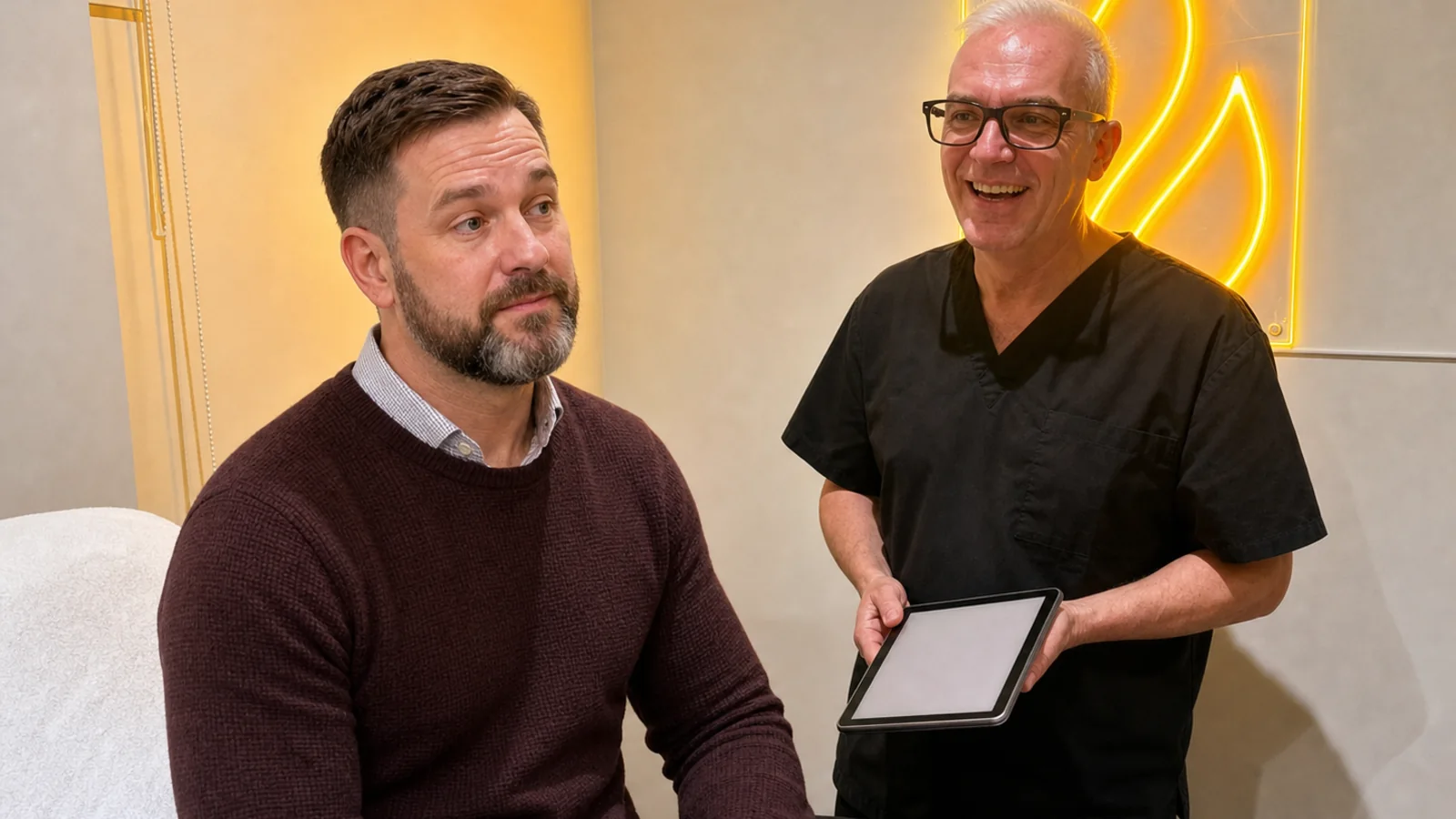
During consultation, Corey can help separate what the word means generally from what it may mean for your anatomy, timing and suitability.

Which Terms Need Context?
Some words sound simple on a website but need clinical context before they can guide a decision.
| Term type | Plain meaning | Why consultation still matters |
|---|---|---|
| Assessment term | Words such as concern, history, anatomy, timing and suitability describe what Corey needs to understand first. | The same word can mean different things for different people, health histories and expectations. |
| Anatomy term | Words such as forehead, temples, cheeks, jawline, chin and perioral area describe a location, not a treatment choice. | The visible concern may involve movement, skin quality, facial support, dental factors or another pathway. |
| Consent term | Words such as risk, alternative, limitation and aftercare belong in a real discussion, not a rushed form. | You should understand the reasoning and have room to pause before deciding. |
| Planning term | Words such as conservative, staged, review and maintenance describe how timing may be considered. | Planning depends on assessment, consent, suitability, previous care and which suitable options are worth discussing. |
| Regulation term | Words such as Ahpra, TGA, registered practitioner and advertising standards help patients check accountability. | Official regulator pages remain the source of truth if guidance changes. |
What Assessment Words Matter?
Concern means the change or feature you want assessed. Consultation means the appointment where Corey reviews the concern, health history, anatomy, expectations, suitability and risk. Clinical assessment means the reasoning process used to guide an informed decision. Suitability means whether proceeding is appropriate for you after assessment.
Scope means what can responsibly be assessed or discussed in this clinic. Referral means Corey may recommend another health pathway when a concern sits outside cosmetic consultation or needs medical review first.
What Anatomy Words Matter?
Forehead, temples, periocular area, cheeks, nasolabial area, perioral area, jawline and chin describe locations. They do not decide treatment by themselves.
Facial movement describes how expression changes a concern. Soft tissue support describes structure and volume relationships. Skin quality refers to texture, tone, hydration and surface changes. Symmetry describes balance, but normal faces are not perfectly symmetrical. A consultation should consider these terms together, not as isolated labels.
What Do Suitability And Consent Mean?
Informed consent means understanding the proposed plan, risks, limits, alternatives, aftercare, cost where relevant and the option not to proceed. Contraindication means a factor that may make treatment unsuitable or require another pathway. Medical history includes medicines, allergies, relevant conditions, pregnancy status where relevant, previous cosmetic care and timing factors.
Expectation setting means checking whether the concern, timing and hoped for change are realistic. Cooling off means taking time before deciding when a decision feels uncertain or pressured.
How Do Planning Terms Work?
Conservative planning means avoiding an excessive or rushed approach. Staged planning means reviewing priorities over time instead of trying to answer every concern at once. Review means checking healing, comfort, questions and whether the original plan still makes sense.
Planning after individual assessment Your consultation should provide clarity about suitable options, relevant risks and what happens next. It depends on assessment, consent, suitability, timing, risk discussion and Corey deciding that proceeding is appropriate.
What Do Aftercare And Review Mean?
Aftercare means the instructions and precautions discussed after treatment when treatment is suitable and performed. Downtime means the period where swelling, tenderness or visible changes may affect normal plans. Follow-up means a planned or advised review when there are questions, concerns or a need to check progress.
Website wording can only explain these ideas generally. Your own aftercare instructions must come from the consultation and the care actually provided.
What Risk And Safety Words Matter?
Risk means a possible unwanted event or limitation that should be discussed before a decision. Complication means a problem that may need advice, review or medical care. Redness, swelling, bruising, discomfort and asymmetry can mean different things depending on timing and context.
Urgent symptoms are concerns that should not be managed by reading a glossary. If something feels medically unsafe or urgent, seek appropriate medical advice.
What Regulatory Terms Should I Know?
Ahpra is connected with practitioner registration and professional standards. TGA is connected with therapeutic goods and advertising rules for those goods. Registered practitioner means a health practitioner whose registration can be checked independently.
Advertising restraint means public pages should avoid pressure, public product promotion, public patient praise, dramatic comparison framing and wording that makes treatment sound simple or predictable. The safest glossary wording explains concepts and points back to consultation.
Which Terms Need Caution?
Be cautious with language that makes cosmetic care sound quick, certain, overly price focused, casual or suitable for everyone. Be cautious with any term that seems to replace a health history, anatomy assessment, consent discussion or practitioner judgement.
Also be cautious when a term sounds like a promise. Core Aesthetics uses glossary wording to support education and questions, not to persuade patients that a specific treatment is right before assessment.
When Should You Ask A Practitioner Instead Of Relying On A Definition?
Ask a practitioner when a word relates to your own symptoms, health history, medicines, previous cosmetic care or a change you cannot explain. Pain, sudden change, active skin symptoms, visual symptoms or dental concerns need the appropriate clinical pathway rather than interpretation from a glossary.
Corey can clarify which part belongs within aesthetic assessment and whether more information, another clinical review or adjusted timing would help. Once the context is clear, suitable cosmetic options can be discussed when assessment and informed consent support them.
How Do I Verify The Clinic And Practitioner?
Core Aesthetics is located at 12A Atherton Road, Oakleigh VIC 3166. The clinic phone number is 0491 706 705. Corey Anderson RN is the named practitioner for the clinic consultation pathway, and patients can check Ahpra registration NMW0001047575 before booking.
Use Verify Corey Anderson RN for practitioner, registration and clinic details in one place. This glossary was reviewed on 2026-09-01.
Where Should You Go After Finding The Term You Needed?
If the word relates to the appointment process, continue to the consultation guide, suitability assessment or patient safety guide. If it relates to decision-making, the consultation-led planning page explains how Corey turns general information into an individual recommendation.
For practitioner accountability, use Corey’s verification page and trust and credentials. You can also ask the clinic about an unfamiliar term or book a consultation when the question depends on your own anatomy or health context.
Corey’s Notes On Words That Need Context
Bring The Word And Describe The Change
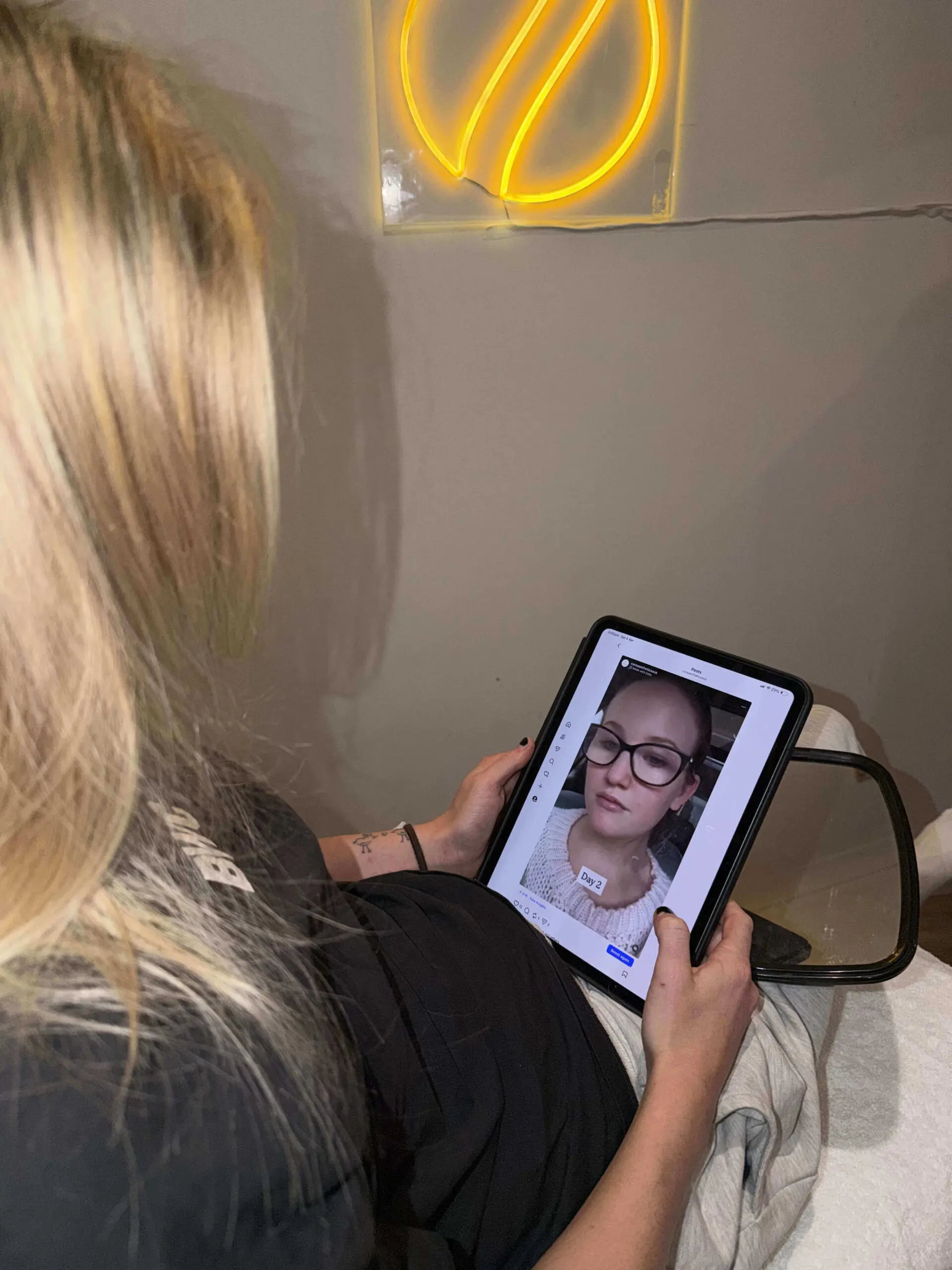
Corey Anderson RN: Bring the term you found online. I’m happy to work with it. But pair it with what you actually notice: when the change appeared, whether it varies, what makes it more obvious, what worries you about it. That description is what tells me whether the online word fits what you’re seeing, and whether any part of it needs a different type of clinical assessment altogether.
Ask What Suitable Covers
Corey Anderson RN: When I use the word suitable, I’m weighing a lot more than whether something can technically be done. Health context, anatomy, timing, expectations, risks, alternatives, follow up, and the reason for acting now. Ask me what would make an option unsuitable, and what missing information could change the decision. That single question turns a vague reassuring word into a clinical explanation you can actually examine.
Attach An Action To Aftercare Words
Corey Anderson RN: Normal. Expected. Review. Urgent. Those four need something practical attached or they mean nothing at all. I want each one tied to a change you can observe, a timeframe, and the right contact route. A general definition can’t replace the instructions written for your own plan. If the meaning isn’t clear, ask what to watch for, who to contact, and when a concern needs urgent medical attention.
How Can A Consultation Turn Definitions Into A Clear Plan?
Book when you want a term translated into an individual assessment of your concern, anatomy, history, timing and preferences. Corey can explain which meanings apply, discuss suitable options and material risks, and agree the next step with you when assessment and informed consent support care.
You do not need to master the glossary or choose a procedure before the appointment. Bring the word that prompted your question and describe what you have noticed.
Is this for you?
Consider booking a consultation if
- Adults preparing questions before cosmetic consultation
- Patients who want plain English meanings for assessment, anatomy, consent, aftercare and safety words
- Patients who want to understand why glossary terms do not replace individual suitability assessment
- People checking practitioner verification and clinic accountability before booking
This may not be for you if
- People wanting a public treatment menu or product recommendation
- People wanting treatment promised before assessment
- People with urgent symptoms that need appropriate medical advice
- People wanting glossary information to replace consultation, consent or clinical judgement
Suitability is confirmed at consultation. This list is general guidance, not a substitute for clinical assessment.
Frequently asked questions
Is this glossary a treatment guide?
No. This glossary explains words that often come up in consultation, but it does not decide what is suitable for you. A treatment decision requires individual assessment, medical history, consent, risk discussion, timing and Corey Anderson RN deciding whether proceeding is appropriate.
Why does Core Aesthetics avoid product names in public glossary content?
Public cosmetic healthcare information must stay careful and consultation led. Product names or restricted product categories can turn education into promotion. This glossary focuses on assessment, anatomy, suitability, consent, aftercare and safety so patients can ask better questions without being pushed toward a product.
What does suitability mean?
Suitability means whether a treatment discussion is appropriate for you after consultation. Corey considers the concern, anatomy, health history, medicines, allergies, timing, expectations, previous cosmetic care, risks and whether another pathway is safer. Suitability can also mean timing or another clinically appropriate pathway.
What is informed consent?
Informed consent means you understand the proposed plan, risks, limits, alternatives, aftercare, cost where relevant and the option not to proceed. It should be a conversation, not just a form. If you feel unsure, you can ask questions or pause before deciding.
What is a contraindication?
A contraindication is a factor that may make treatment unsuitable or require extra caution, adjusted timing, review with another health professional or medical review. It may relate to health history, medicines, pregnancy status where relevant, allergies, infection risk, recent procedures, symptoms or timing. It must be considered individually.
Why do anatomy terms matter?
Anatomy terms help patients describe where a concern appears, but the visible area is not always the full explanation. Movement, skin quality, facial support, dental factors, age related change and previous treatment can all affect assessment. That is why anatomy terms still need consultation context.
What does conservative planning mean?
Conservative planning means choosing a proportionate starting point rather than assuming more care is better. Corey may focus on one priority, stage decisions, adjust timing or set a review point. Each recommendation remains tied to the assessment, your preferences, material risks and informed consent.
Will I leave knowing what happens next?
Yes. Corey explains the relevant findings, suitable options, material risks and the timing or follow up that fits your circumstances. When assessment and informed consent support care, an agreed plan can be made; if more information or another clinical review belongs first, you receive a clear next step.
What should I expect from this consultation?
Expect Corey to clarify the concern, review relevant health and previous care, assess the area, and explain suitable options, realistic limits, material risks and follow up. You can ask questions and make an informed decision without arriving with a treatment name or committing beforehand.
How do I check practitioner registration?
You can check registration through the Ahpra register of practitioners. Corey Anderson RN is listed with Ahpra registration number NMW0001047575. The Core Aesthetics verification page also brings the practitioner, clinic and contact details together before you book.