A jaw muscle consultation assesses the masseter area, lower face width, clenching or grinding history, dental context, facial balance, medical history, expectations and consent readiness. Corey Anderson RN may recommend treatment discussion, waiting, dental or medical referral, review later or no treatment after individual assessment.
What Does A Jaw Muscle Consultation Clarify?
A jaw muscle consultation focuses on the masseter area and lower face width, but the appointment is broader than one muscle. Corey Anderson RN assesses chewing muscle activity, clenching or grinding history, jaw tension symptoms, dental context, facial balance, previous treatment and whether a cosmetic treatment discussion is appropriate.
The appointment may lead to treatment discussion, waiting, dental or medical referral, review later or no treatment. Suitability is never decided by lower face width alone.
Why Jaw Muscle Concerns Need Assessment
The masseter helps close the mouth and contributes to chewing. In some adults, muscle size or activity can influence lower face width. In others, the concern may be more related to jawline shape, chin balance, teeth, jaw joint symptoms, skin or expectations.
Assessment matters because cosmetic consultation should not replace dental or medical care. Pain, bite change, jaw joint locking, swelling, infection or unclear symptoms need the right health pathway before any cosmetic decision is considered.
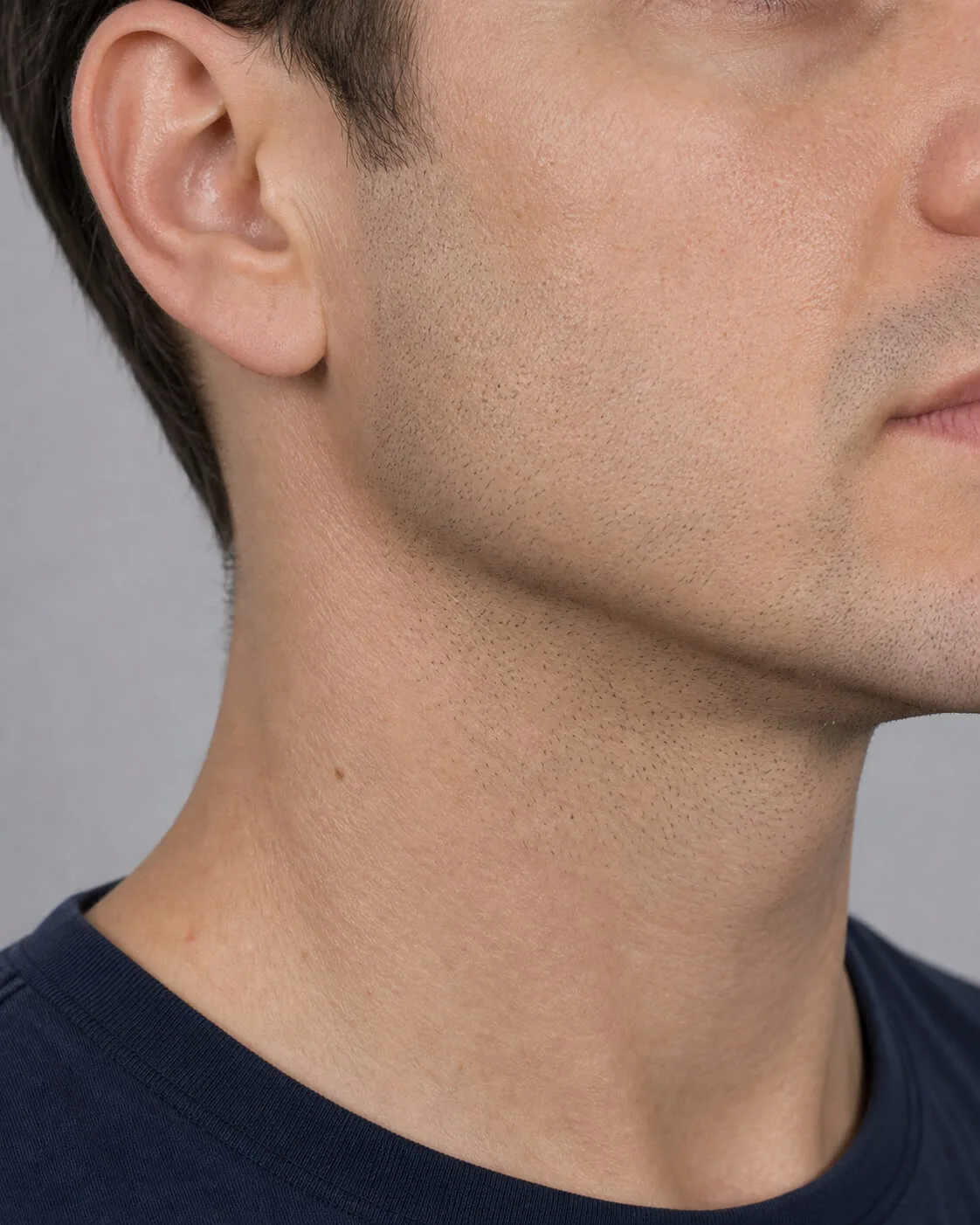
What Does Corey Assess?
- Masseter size, activity and whether it appears relevant to lower face width.
- Clenching, grinding, jaw tension, soreness and dental history.
- Jawline, chin, cheek, neck and whole lower face balance.
- Previous cosmetic treatment and any prior dental or medical advice.
- Medical history, medicines, allergies, pregnancy or breastfeeding status and timing.
- Your expectations, consent readiness, aftercare needs and access to review.
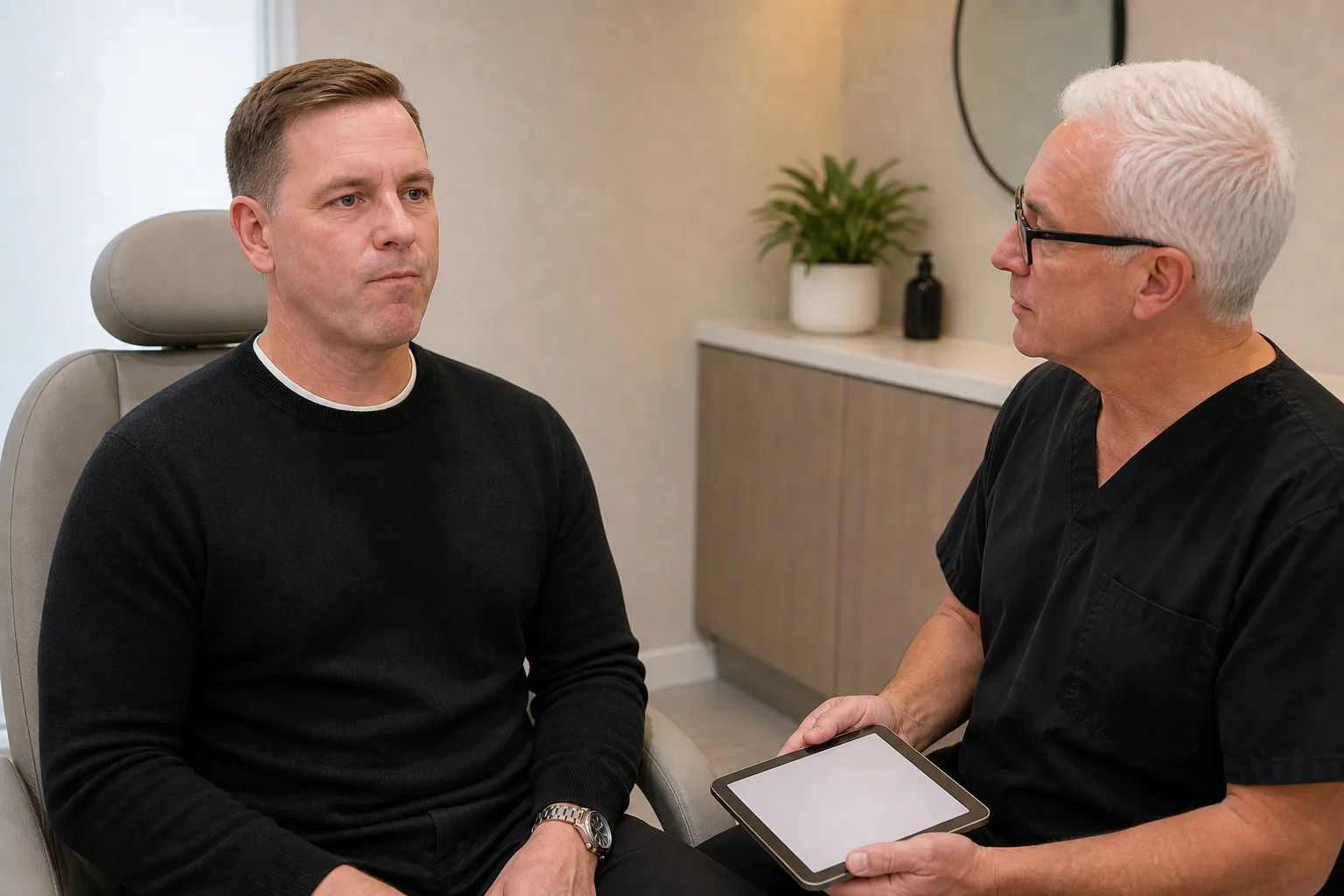
How Clenching, Width And Dental Context Fit Together
Some patients ask about jaw muscle assessment because they clench, grind or notice lower face width. Those concerns can overlap, but they are not the same thing. A wider lower face may involve muscle, bone structure, chin balance, jawline shape, weight change or natural facial features.
Corey can assess the cosmetic context, but dental symptoms need dental care. If the concern includes pain, bite change, jaw joint locking or dental issues, referral may be safer before any cosmetic treatment discussion.
What Should Be Clarified First?
Use this as a preparation checklist. It is general information only and does not decide suitability.
| Question | Why it matters | Possible next step |
|---|---|---|
| Is the main concern width, tension or pain? | Cosmetic width, muscle activity and pain pathways are different. | Corey may assess suitability or recommend dental or medical review first. |
| Is there jaw joint or dental history? | Grinding, bite changes, locking, splints and dental treatment can change the safest advice. | Bring dental context and records where available. |
| Has there been previous cosmetic treatment? | Previous treatment can change timing, movement, expectations and review planning. | Bring dates, records and any concerns about settling or side effects. |
| Is timing practical? | Aftercare and review access matter, especially before travel or events. | Waiting or review later may be safer. |
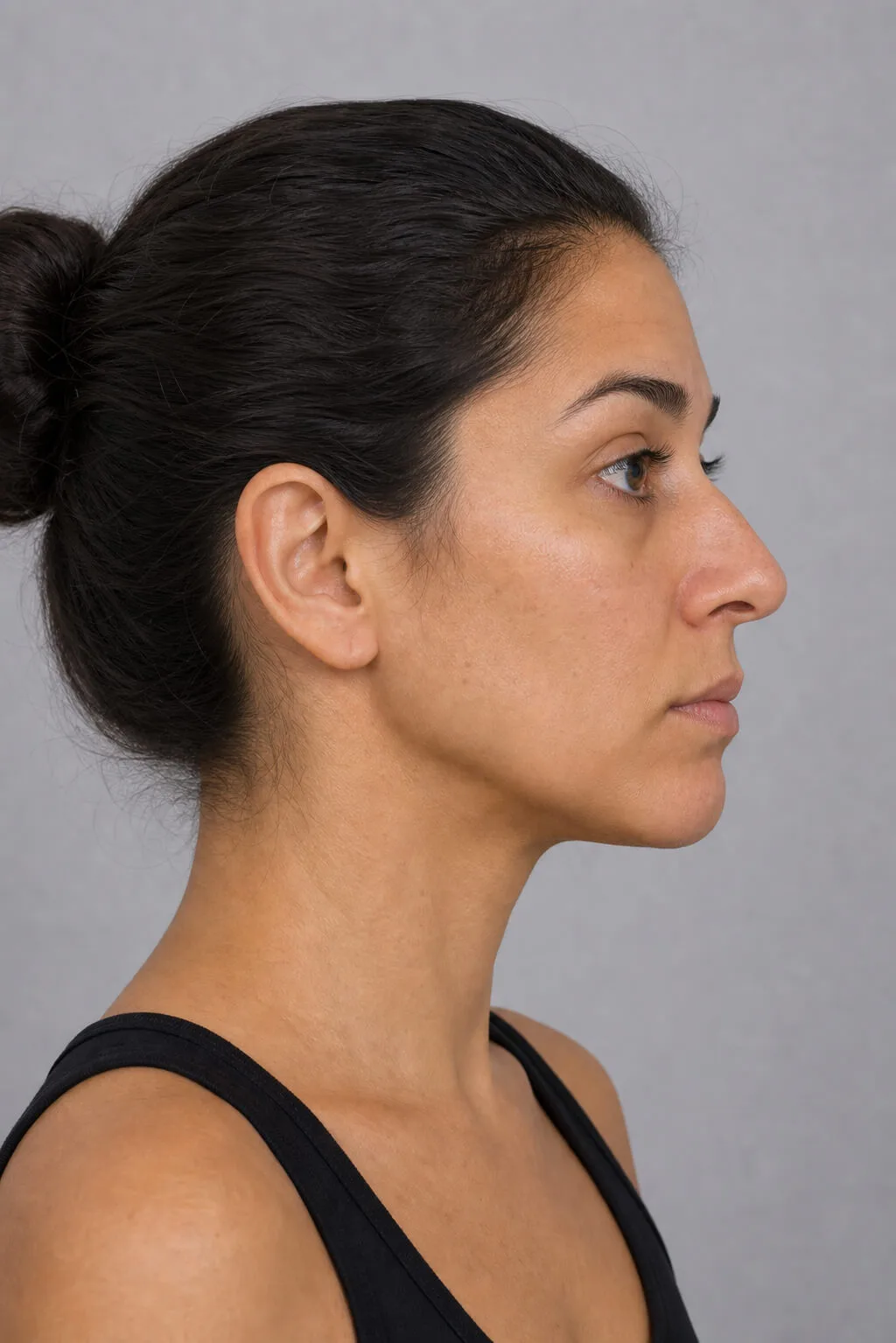
When Could Referral Or Waiting Be Safer?
Referral may be safer when symptoms suggest a dental, jaw joint, medical or urgent care pathway. Waiting may be safer when timing is poor, health information is incomplete, expectations are unsettled, previous treatment history is unclear or follow up would be difficult.
It can also be appropriate to use the appointment for education only. Booking a consultation does not mean treatment will be recommended or that it needs to happen on the same day.
What Can Follow The Consultation?
After assessment, Corey may discuss treatment options if they are clinically appropriate for you. He may also recommend waiting, dental review, medical review, reviewing broader lower face balance, skin or jawline assessment, or choosing no cosmetic treatment.
No outcome is claimed, and no treatment is promised. The point of the consultation is to decide whether any next step is suitable, proportionate and safe for your circumstances.
If you want that question assessed in person, book a consultation.
Safety Limits And Consent
Relevant risks and limits depend on the individual and the pathway being considered. They can include bruising, swelling, tenderness, asymmetry, chewing changes, altered smile or lower face balance, dissatisfaction, limited improvement, delayed concerns, aftercare needs and warning signs that require prompt review.
Consent should include alternatives, costs, aftercare, uncertainty, review access and the option of doing nothing. A consultation is not an obligation to proceed.
How Can I Verify The Clinic?
Core Aesthetics is located at 12A Atherton Road, Oakleigh VIC 3166. The clinic phone number is 0491 706 705. Consultations are led by Corey Anderson RN, Ahpra registration NMW0001047575.
You can check the Verify Core Aesthetics page and the Ahpra public register before booking. This page was reviewed on 12 July 2026 for consultation first wording, image integrity, dental boundary framing and FAQ schema alignment.
What This Page Is For
This page provides general information for adults considering aesthetic consultation. It is not personal medical advice, a diagnosis, urgent care, a dental assessment, a treatment recommendation or confirmation that treatment is suitable. Individual advice requires clinical assessment.
Jaw Muscle Consultation Questions
Is this for you?
Consider booking a consultation if
- You are an adult considering assessment for jaw muscle activity or lower face width
- You want clenching history, dental context and masseter contribution considered before treatment is discussed
- You value a consultation first approach with risks and referral boundaries explained clearly
- You are open to treatment, waiting, dental review, medical review or no treatment depending on assessment
This may not be for you if
- You need urgent medical, dental or jaw joint review
- You are seeking certainty, complete correction or a claimed appearance change
- You are seeking elective cosmetic care for someone who is not an adult
- You are pregnant, trying to conceive or breastfeeding and are seeking elective aesthetic treatment
Suitability is confirmed at consultation. This list is general guidance, not a substitute for clinical assessment.
Frequently asked questions
What happens during a jaw muscle consultation?
Corey Anderson RN assesses the masseter area, lower face width, clenching or grinding history, jaw tension symptoms, dental context, facial balance, previous treatment, medical history, medicines, timing, expectations and consent readiness. The appointment may lead to treatment discussion, waiting, dental or medical referral, review later or no treatment.
What is the masseter muscle?
The masseter is one of the main chewing muscles. It sits near the back of the jaw and helps close the mouth. In some adults it can contribute to lower face width or be relevant when clenching and grinding are part of the history, but this needs individual assessment.
Can Corey assess jaw clenching or grinding?
Corey can ask about clenching, grinding, jaw tension and dental history as part of a cosmetic consultation, but he does not replace a dentist, GP or urgent medical pathway. Pain, bite changes, jaw joint locking, dental symptoms or unclear symptoms may need dental or medical review first.
Does a consultation mean treatment is suitable?
No. Booking a consultation does not confirm suitability or create an obligation to proceed. Suitability depends on assessment, medical history, medicines, dental context, pregnancy or breastfeeding status, expectations, risk discussion, consent and whether the likely benefit is proportionate.
Can treatment happen on the same day?
Sometimes, but it is never assumed. Same day treatment can only be considered after assessment, suitability, informed consent, risk discussion and agreement that proceeding is appropriate. If dental review, medical review, waiting or more information is safer, Corey will recommend that instead.
When might dental or medical referral be recommended?
Referral may be recommended when there is jaw pain, bite change, jaw joint locking, dental symptoms, swelling, infection, recent dental work, unclear symptoms or a history that sits outside cosmetic consultation scope. Cosmetic treatment discussion should not replace appropriate health care.
What should I bring to the appointment?
Bring current medicines, supplements, allergies, relevant medical history, dental history, previous cosmetic treatment dates, symptoms, upcoming events, travel plans and questions you want answered. If you have advice or records from a dentist, GP or another clinician, bring those details where available.
Can Corey recommend no treatment?
Yes. No treatment may be recommended when the concern is mild, the main issue is dental or medical, expectations are not settled, medical information is incomplete, timing is poor or the likely benefit does not justify the risk. Assessment only can be a useful outcome.
What risks are discussed for jaw muscle pathways?
Risk discussion is tailored to the individual and the pathway being considered. It may include bruising, swelling, tenderness, asymmetry, chewing changes, altered smile or lower face balance, dissatisfaction, limited improvement, delayed concerns, aftercare needs, review access and warning signs that require prompt review.
How is this different from a jawline or chin consultation?
A jaw muscle consultation focuses on masseter activity, clenching history and lower face width. A jawline or chin consultation focuses more on jaw border, profile, chin support, jowls and facial structure. Corey may still assess these areas together because lower face concerns often overlap.
More related pages
Clinical references
- TGA: Advertising health services that involve therapeutic goods
- Ahpra: Guidelines for advertising higher risk non-surgical cosmetic procedures
- Ahpra: Guidelines for registered health practitioners who perform non-surgical cosmetic procedures
- TGA advertising health services and cosmetic injections FAQ
- https://en.wikipedia.org/wiki/Masseter_muscle
- https://www.ncbi.nlm.nih.gov/books/NBK539869/