For a jaw muscle consultation near Bentleigh, describe one clench episode using four parts: what triggered it, approximately how long it lasted, what you noticed in the jaw or teeth, and what happened after you relaxed. Include whether it occurred during concentration, driving, exercise, sleep or another setting. This brief does not diagnose grinding, stress, dental disease or a cosmetic indication. Corey Anderson RN combines it with direct assessment, health, medicines, dental advice, mouthguard use, previous care, risks and expectations. Suitable cosmetic care can be planned when individual assessment and informed consent support it, while relevant symptoms can be directed to appropriate dental or medical assessment.
Why Describe One Clench Episode In Detail?
“Clenching” can mean a brief moment of teeth contact, sustained jaw bracing, waking stiffness or a habit noticed by someone else. One clear episode gives the consultation something specific to explore.
The brief records your experience without deciding why it happened or what care is suitable.
What Counts As A Trigger?
A trigger may be focused computer work, driving, exercise, stress, a particular task, waking from sleep or no obvious event. Record the setting rather than trying to prove a cause.
If another person noticed night grinding or a dentist identified tooth wear, include that separately as reported history.
What Are The Four Parts Of The Brief?
| Part | What to record | Useful language |
|---|---|---|
| Trigger | Activity or setting | During focused driving |
| Duration | Brief, repeated or sustained awareness | Several short episodes |
| Sensation | Teeth contact, tension, fatigue or pain | Tightness without pain |
| After release | Immediate settling or lingering symptoms | Fatigue remained for an hour |
How Precise Should Duration Be?
An estimate is enough. Note whether the episode was momentary, repeated through a task or seemed sustained until you consciously relaxed the jaw.
Frequency across a day or week can also help, but there is no need to monitor constantly or provoke clenching.

What Physical Sensations Belong In The Brief?
Describe teeth contact, jaw tightness, fatigue, tenderness, headache, clicking, locking, bite change or chewing difficulty in plain language. Include location and whether one side differs.
Pain, locking, significant bite change, tooth damage or worsening function deserves assessment by an appropriate dentist or medical practitioner.
Why Record What Happens After Release?
Some episodes settle as soon as the jaw relaxes. Others leave fatigue, tenderness, headache or continued awareness. The recovery pattern adds context about impact and timing.
It does not prove a diagnosis or show that a cosmetic option would address the sensation.
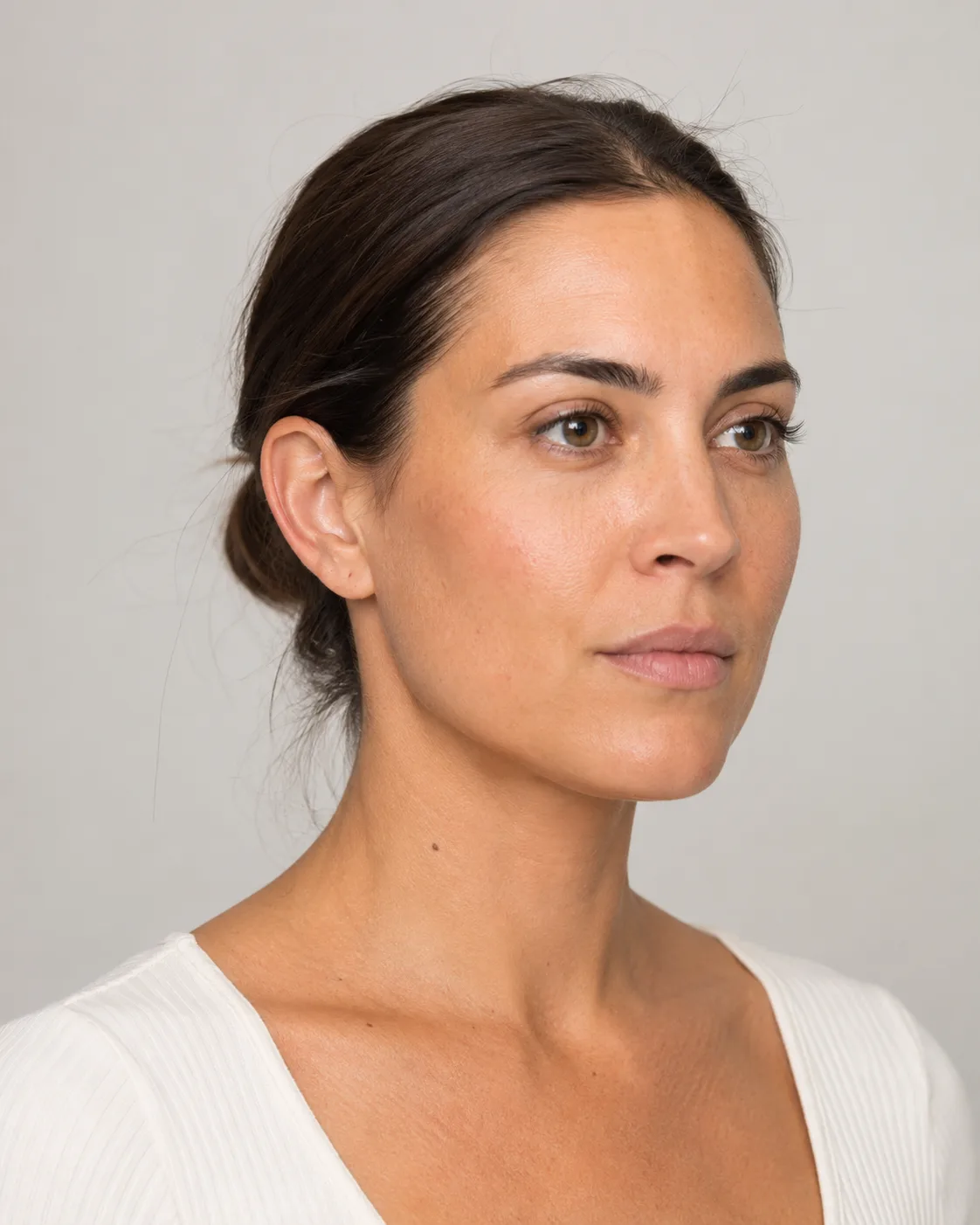
How Is Visible Lower Face Shape Recorded Separately?
Corey observes lower face width, jaw angle and side differences at comfortable rest and during a brief gentle clench. Bone, muscle, skin and soft tissue may all influence shape.
A visible change during clenching adds activity context but does not establish suitability by itself.
Which Risks And Limits Apply To Cosmetic Discussion?
Depending on the suitable option, discussion may include temporary redness, tenderness, swelling, bruising, asymmetry, altered chewing or smile feel, unwanted contour change, dissatisfaction and uncommon complications requiring review.
Corey explains alternatives, expected limits, total cost, aftercare, follow up and contact instructions. Cosmetic care is not presented as treatment for dental disease, pain or stress.
Which Guide Fits The Main Clench Question?
What is a clench episode brief?
It records the apparent trigger, approximate duration, physical sensation and what happened after release. One specific episode can make the history easier to discuss accurately.
Do I need to know why I clench?
No. Record the setting and what you noticed without diagnosing the cause. Corey can incorporate dental or medical information when it is clinically relevant and available.
How accurately should I time an episode?
An estimate is enough. Describe whether it was brief, repeated or sustained and how often you notice similar episodes without monitoring the jaw constantly or provoking symptoms.
Why record what happens after I relax?
Immediate settling, lingering fatigue, tenderness or headache adds context about individual impact and timing. Recovery does not by itself establish a diagnosis or cosmetic indication.
Which symptoms need dental or medical assessment?
Pain, locking, significant bite change, tooth damage, reduced opening, persistent clicking or worsening chewing difficulty deserve assessment by an appropriate qualified dentist or medical practitioner.
What should I bring after previous jaw care?
Bring approximate dates, relevant treated areas, available records and what changed over time. Include unfamiliar chewing, smile or contour changes, persistent tenderness and relevant dental advice.
Can suitable cosmetic care be planned at consultation?
Yes. Suitable cosmetic care can be planned when individual assessment and informed consent support it. Dental or medical input, adjusted timing or another pathway can be incorporated when useful.
Is Core Aesthetics located in Bentleigh?
No. The clinic is in Oakleigh. Check the journey from your actual starting point and whether returning for planned review would be practical before booking.
What Is The Boundary Of This Clench Guide?
This page provides general education and does not diagnose grinding, pain or a jaw joint condition, confirm cosmetic suitability or replace dental or medical advice.
These cosmetic procedure guidelines inform the consultation process. See the Ahpra guidelines for registered health practitioners who perform non-surgical cosmetic procedures and the TGA guidance for advertising health services involving therapeutic goods.
Is this for you?
Consider booking a consultation if
- Adults who want jaw muscle, lower face, jawline, chin and dental context assessed before treatment discussion
- Patients with clenching or grinding history who understand dental boundaries may matter
- Patients with previous treatment who may need records review, waiting or original clinic review
- People comfortable discussing suitable options, practical timing, review needs and any other clinical input
This may not be for you if
- People asking for a predetermined plan without assessment, consent or risk discussion
- People seeking a fixed lower face change before consultation
- People wanting public prescription product advice or product led recommendations
- People with urgent dental, medical, infection, pain or jaw symptoms who need appropriate medical or dental care
Suitability is confirmed at consultation. This list is general guidance, not a substitute for clinical assessment.