For a jaw muscle consultation near McKinnon, compare what you notice while the jaw is relaxed with what changes during comfortable chewing muscle activation. A lower face that appears broad at rest, a muscle that becomes prominent only with activation, and pain or altered jaw function are different starting points. Corey Anderson RN assesses the masseter area, jaw movement, natural facial structure, dental history, symptoms, health, medicines, previous care, risks and the features you want to preserve. Suitable care can be planned when individual assessment and informed consent support it, with dental or medical input incorporated when useful.
Why Compare Rest With Function?
The masseter is a chewing muscle near the back of the jaw. It can contribute to the visible lower face outline, but appearance alone does not explain how the muscle is working.
A rest and function comparison keeps a cosmetic question connected to comfort, movement and dental context.
What Does Each View Clarify?
| Observation | What to notice | Why it matters |
|---|---|---|
| Jaw relaxed | Baseline width, jaw angle and side difference | Shows the outline without intentional activation |
| Comfortable activation | Where the muscle becomes firm or prominent | Helps locate the working muscle |
| Jaw opening | Comfort, range and smooth movement | Adds functional context to the appearance question |
| After ordinary use | Fatigue, tightness or no symptoms | Shows whether the concern extends beyond shape |
What Can You Observe With The Jaw Relaxed?
Let the teeth sit apart without posing the jaw or pressing the tongue into position. Notice the angle, lower face width and whether one side reads differently in ordinary light.
This is a baseline observation. It cannot identify whether bone, muscle, soft tissue, camera angle or several factors create the outline.
What Changes During Comfortable Activation?
Corey may ask you to activate the chewing muscles briefly and comfortably while he observes and feels where they contract. The aim is to locate function, not to test maximum strength.
A visible change with activation can add useful information, while little visible change does not exclude muscle activity.
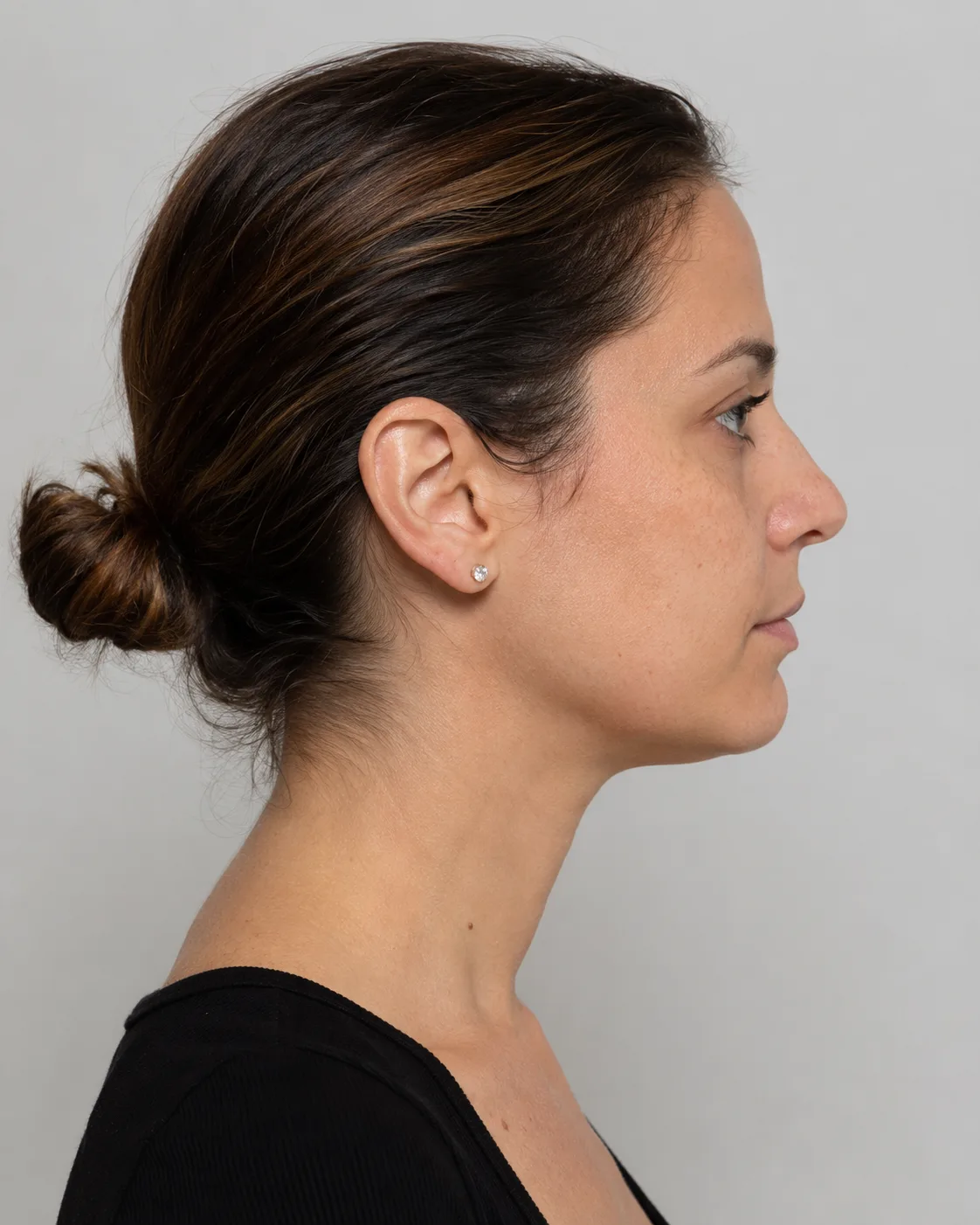
Why Is Jaw Opening Part Of The Assessment?
Opening and closing show whether movement feels comfortable and smooth. Mention restriction, deviation, locking, clicking, pain or a recent change rather than repeatedly testing a sore jaw yourself.
These details may make dental or medical assessment relevant alongside the cosmetic consultation.
How Is Lower Face Width Interpreted?
Lower face width is a relationship between jaw structure, chewing muscles, chin, skin, soft tissue and viewing angle. Muscle is one possible contributor rather than the automatic explanation.
Corey considers front, three quarter and side views and asks which aspect matters to you in everyday interaction.
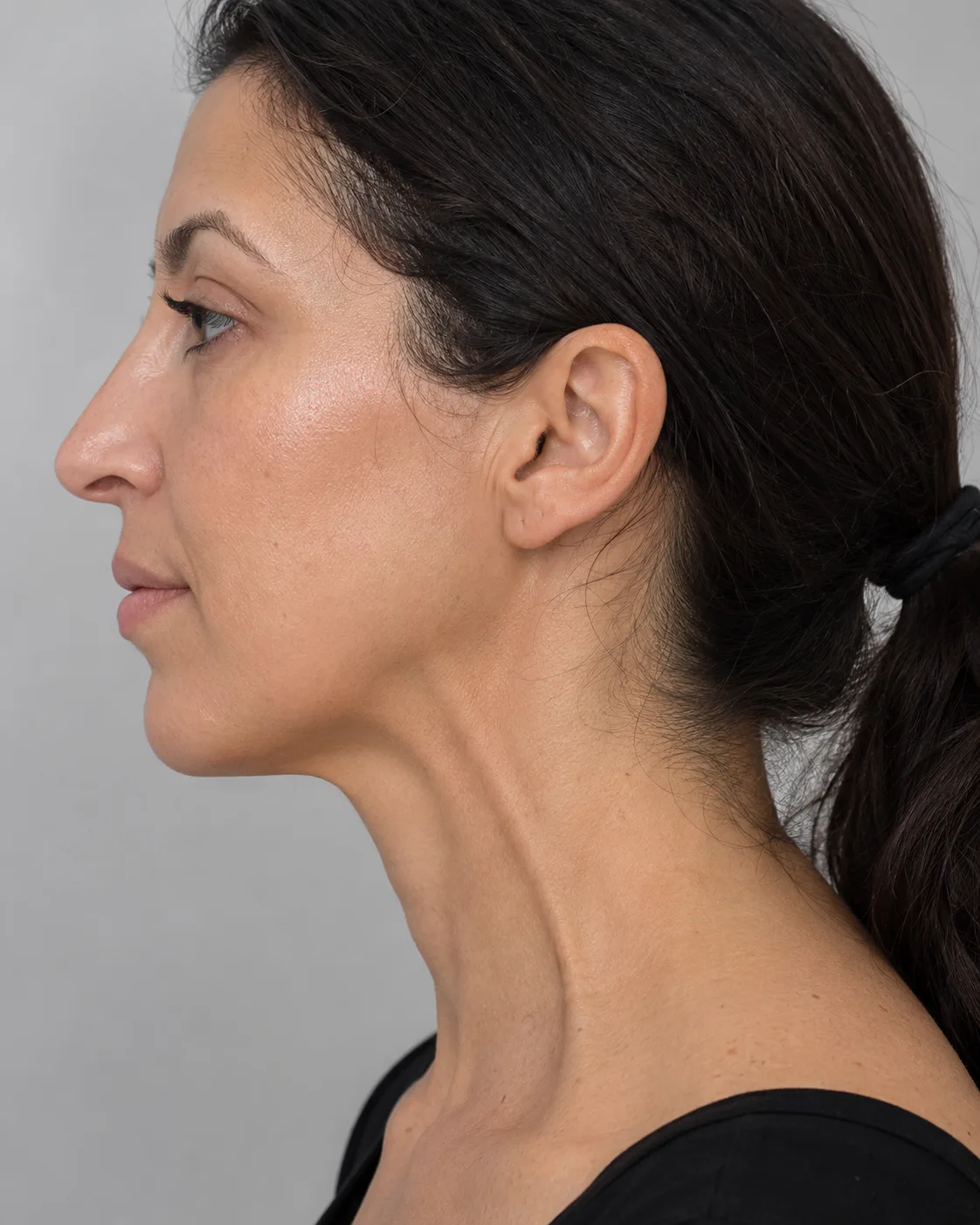
Which Symptoms Change The Question?
Pain, tenderness, headaches, tooth wear, bite change, clicking, locking, limited opening or persistent tightness require clear history. Note when a symptom began, what brings it on and whether a dentist or doctor has assessed it.
Cosmetic consultation does not diagnose dental disease or jaw joint disorders. Existing clinical advice remains part of the decision.
What Dental Information Is Useful?
Bring relevant dental advice, mouthguard history, known grinding or clenching, recent dental work and any change in bite or chewing comfort. You do not need to obtain new tests simply for this page.
When another practitioner is already involved, their records may help Corey understand the sequence and clinical boundaries.
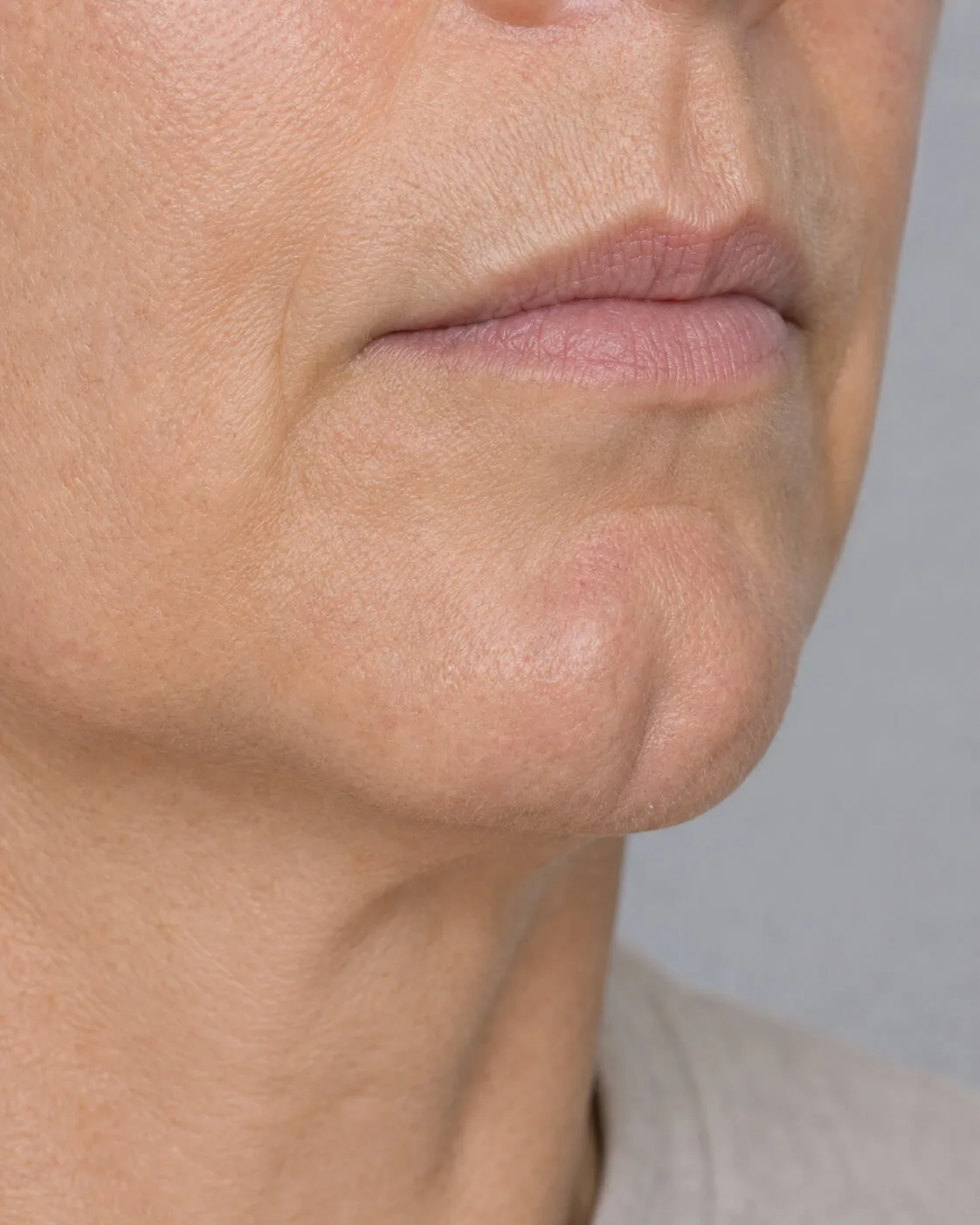
Can Rest And Function Inform Suitable Care?
What is compared during a McKinnon jaw muscle consultation?
Corey compares the relaxed lower face with comfortable chewing muscle activation, jaw opening and any response after ordinary use. He also considers facial structure, dental history, symptoms, health, medicines and previous care before suitable choices are discussed.
Does lower face width always come from the masseter muscles?
No. Jaw structure, the masseter muscles, chin, skin, soft tissue and viewing angle can all affect lower face width. Individual assessment is needed to understand which contributors are relevant and which features you want to preserve.
Why does Corey observe the jaw at rest?
The relaxed view provides a baseline for lower face width, jaw angle and natural side differences without intentional activation. Comparing it with function helps separate a persistent outline from a change that becomes clearer while the muscle works.
Should I clench hard before or during the appointment?
No special self testing is needed. Corey can guide a brief, comfortable activation when clinically useful. Avoid repeatedly clenching a painful or tired jaw, and describe any restriction, locking, clicking, tenderness or recent change instead.
When can dental or medical input be useful?
Dental or medical input can be useful when pain, tooth wear, bite change, locking, clicking, restricted opening, headaches or another functional concern is present. Cosmetic consultation does not diagnose dental disease or jaw joint disorders.
What should I bring after previous jaw muscle care?
Bring approximate dates, available records and practitioner or product details when known. Describe the response, how long it evolved and any change in chewing comfort, smile balance, tenderness or another unfamiliar symptom.
Can suitable care be planned at the consultation?
Yes. Suitable care can be planned when individual assessment and informed consent support it. More information, adjusted timing, another clinical review or a different pathway can be incorporated when useful, with function kept in view.
Is Core Aesthetics located in McKinnon?
No. Core Aesthetics is in nearby Oakleigh. Before booking, check the journey from your actual starting point and whether returning for planned review is practical. This page is written for McKinnon patients considering that trip.
Where Can You Read More?
Continue with the Melbourne jaw muscle guide, masseter muscle explanation, McKinnon jawline balance map and suitability guide.
This page provides general education and does not diagnose a jaw, dental or medical concern, confirm suitability or replace personal advice. These cosmetic procedure guidelines inform the consultation process. See the Ahpra guidelines for registered health practitioners who perform non-surgical cosmetic procedures and the TGA guidance for advertising health services involving therapeutic goods.
Is this for you?
Consider booking a consultation if
- Adults who want jaw muscle, lower face, jawline, chin and dental context assessed before treatment discussion
- Patients with clenching or grinding history who understand dental boundaries may matter
- Patients with previous treatment who may need records review, waiting or original clinic review
- People open to exploring jaw movement, muscle function and lower-face balance, suitable options, timing and review needs
This may not be for you if
- People asking for a predetermined plan without assessment, consent or risk discussion
- People seeking a fixed lower face change before consultation
- People wanting public prescription product advice or product led recommendations
- People with urgent dental, medical, infection, pain or jaw symptoms who need appropriate medical or dental care
Suitability is confirmed at consultation. This list is general guidance, not a substitute for clinical assessment.