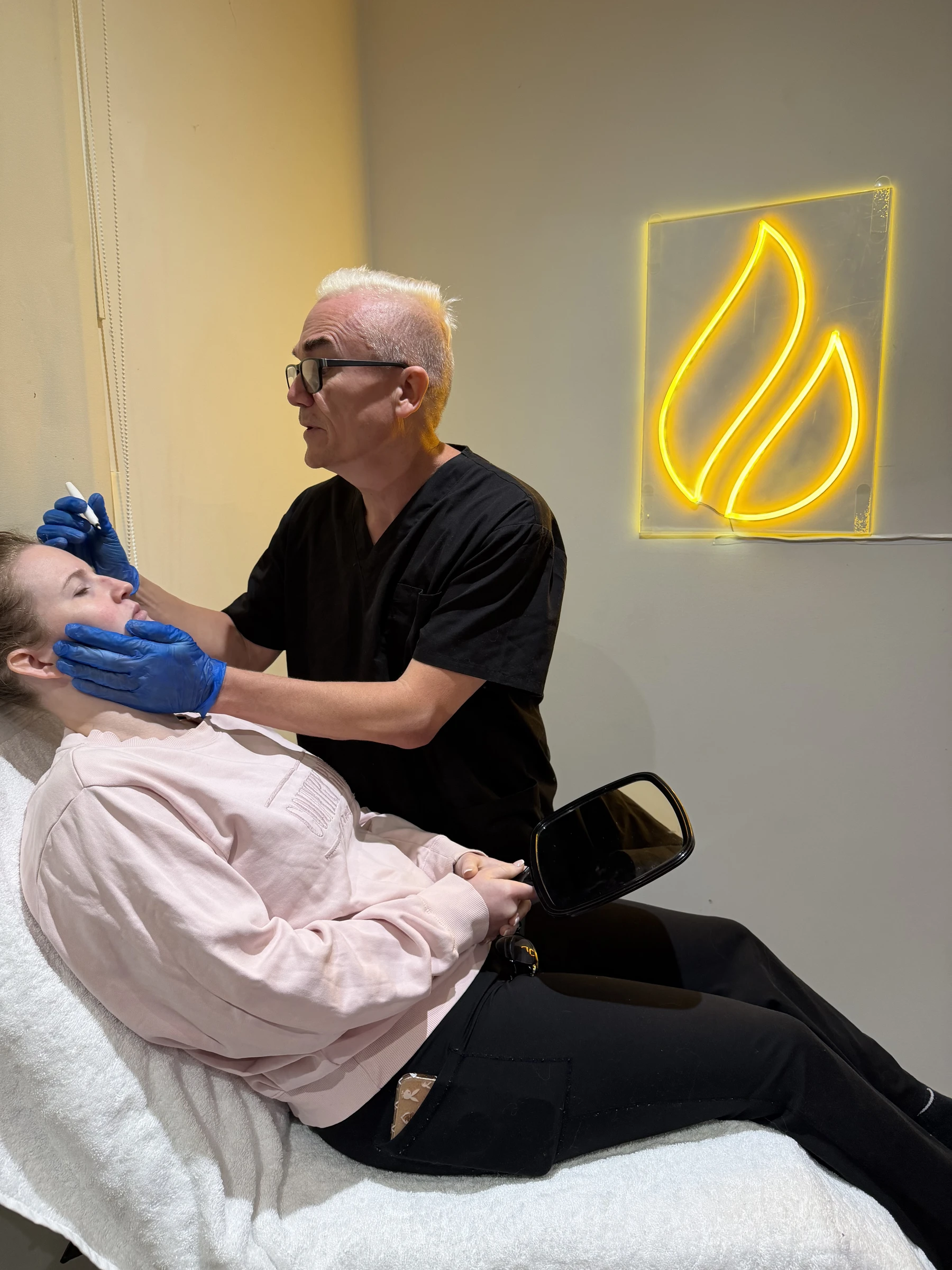
If you are coming from Toorak with a question about jaw muscle prominence, lower face width or clenching, you can meet Corey Anderson RN at Core Aesthetics in Oakleigh for an individual assessment. Corey looks at the jaw at rest and in movement, listens to relevant dental and previous treatment history, and explains whether cosmetic discussion, dental or medical input, waiting or no treatment is the useful next step.
Start with what you notice around the jaw
You do not need to decide whether the concern is muscle, jawline shape or something dental before you book. It is enough to describe where you notice width, tension or a difference between sides, and whether it changes when you clench or relax.
At the Oakleigh clinic, Corey looks at the lower face as a whole and listens to the context behind the question. The aim is a clear, personal recommendation, not an automatic treatment plan.
What will make your assessment more useful?
Describe the change
Note where you see or feel the concern, when you first noticed it and whether it changes with movement.
Share relevant symptoms
Mention clenching, grinding, mouthguard use, dental advice, pain, clicking or a change in your bite.
Bring dates if you have them
Records from earlier cosmetic care can help Corey understand timing, response and any concern between sides.
Say what matters to you
Explain whether your question is about appearance, comfort, understanding the area or simply knowing where to begin.

The assessment separates muscle from nearby concerns
Jaw muscle prominence can sit beside questions about the jawline border, chin position, soft tissue and natural asymmetry. Corey observes the lower face at rest and with movement, considers chewing muscle activity and discusses what can and cannot be judged from a cosmetic assessment.
If the concern is mainly jawline proportion, the Toorak jawline consultation page is the closer match. If you want a broader first conversation, use the Toorak consultation planner.
What might the next step be?
The concern is suitable to explore
Corey can explain the available pathway, its limits, material risks, costs and review plan before you decide.
Symptoms need the right lead
Dental or medical advice may be more useful when pain, locking, bite change, tooth damage or another unexplained symptom is central.
There is no need to rush
More information, more time or no cosmetic treatment can be the most appropriate outcome of a useful consultation.
This page stays with the jaw muscle question
The broader Melbourne jaw muscle page explains the full service journey. This local page helps Toorak patients prepare for a focused Oakleigh visit, including relevant dental context, previous records and practical review access.

You meet directly with Corey
Your appointment is with Corey Anderson, a Registered Nurse at Core Aesthetics. He listens to what prompted the visit, reviews the relevant health, dental and cosmetic history, and assesses the jaw and lower face before explaining his recommendation.
You can use the appointment for information and questions only. If a cosmetic option is appropriate to discuss, Corey explains consent, material risks, alternatives and follow-up before you make a decision. Same-day treatment is not assumed.
You can verify Corey and the clinic before booking.
Bring the details that prevent guesswork
| Bring this | What is useful | How it helps |
|---|---|---|
| Your observation | Where you notice width, tension or asymmetry, and whether it changes when you clench. | It keeps the assessment connected to the concern that brought you in. |
| Dental context | Mouthguard use, dental advice, recent work and symptoms such as pain, clicking or bite change. | It helps identify when cosmetic assessment should pause for another clinician. |
| Previous care | Dates, areas, records and how earlier care felt, when available. | It supports safer timing and a more informed review. |
| Your schedule | Upcoming travel, events and your ability to return if review is needed. | Practical follow-up belongs in the decision, even when the first visit is straightforward. |
When dental or medical advice should come first
A cosmetic consultation does not diagnose or treat jaw joint, dental or medical conditions. Seek appropriate dental or medical advice when pain, locking, a changed bite, tooth damage, swelling, injury or another unexplained symptom is part of the concern.
If symptoms are already being assessed, bring the advice or records you have. Corey can then keep any cosmetic conversation within the right boundary. For urgent or rapidly changing symptoms, seek prompt clinical care rather than waiting for a cosmetic appointment.
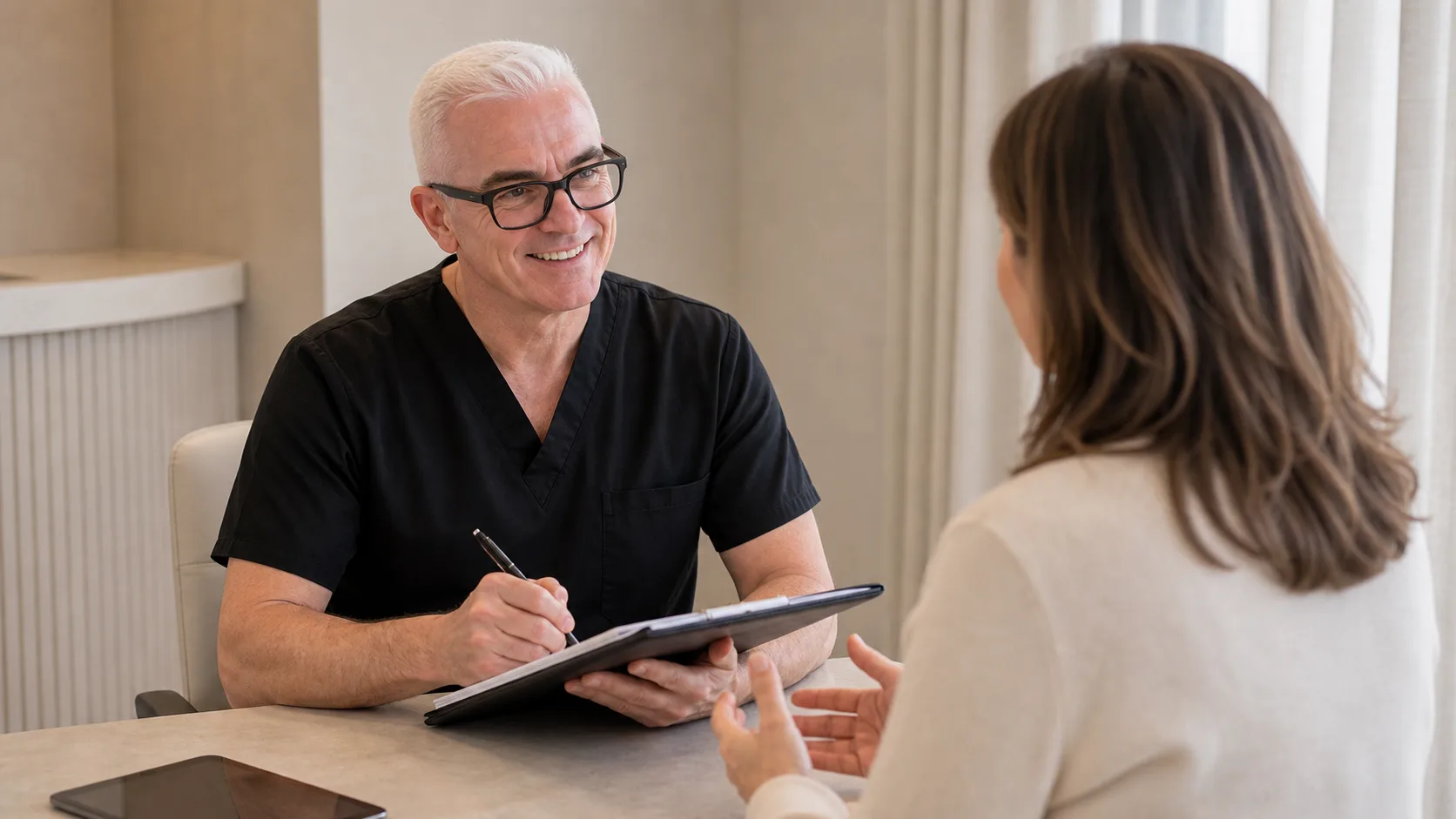
Plan a calm visit from Toorak
Core Aesthetics is at 12A Atherton Road, Oakleigh. Check current travel conditions from your actual starting point and leave enough room for a private conversation rather than a rushed decision.
Corey assesses the lower face and explains whether cosmetic discussion, another clinician, waiting or no treatment is the useful next step. If an option is suitable, material risks and costs are discussed before you decide.
Bring the question, leave with a clearer next step
Meet Corey for a private assessment of the jaw muscle and lower face, with time to understand what fits and what does not.
Is this for you?
Consider booking a consultation if
- Adults who want jaw muscle, lower face, jawline, chin and dental context assessed before treatment discussion
- Patients with clenching or grinding history who understand dental boundaries may matter
- Patients with previous treatment who may need records review, waiting or original clinic review
- Patients who accept that referral, waiting or no treatment may be the safest recommendation
This may not be for you if
- People wanting treatment without assessment, consent or risk discussion
- People seeking a fixed lower face change before consultation
- People wanting public prescription product advice or product led recommendations
- People with urgent dental, medical, infection, pain or jaw symptoms who need appropriate medical or dental care
Suitability is confirmed at consultation. This list is general guidance, not a substitute for clinical assessment.
Frequently asked questions
How should Toorak patients use this page before booking?
Use it as a preparation guide for a jaw muscle consultation at Oakleigh, not as a diagnosis or confirmation that treatment is suitable. It helps Toorak adults separate lower face width, chewing muscle prominence, clenching history, previous treatment records, dental symptoms and review access before deciding what appointment question to bring.
What does Corey assess before discussing jaw muscle treatment?
Corey Anderson RN reviews lower face width, chewing muscle activity, clenching or grinding history, jaw angle, chin relationship, facial asymmetry, previous treatment, medical history, timing, risk, consent and review access before deciding whether any treatment discussion is appropriate.
What should I plan if I am travelling from Toorak?
Allow enough time around Toorak Village, Hawksburn, Williams Road, Toorak Road, Malvern Road and the Oakleigh arrival leg so the appointment is not squeezed between work, school or event timing. Route planning supports preparation and review access, but it does not decide clinical suitability.
When is this page more useful than a jawline page?
Use this page when the main question is whether chewing muscle activity is contributing to lower face width, tension or clenching context. If the concern is mainly chin support, jawline border, profile structure or loose skin, a jawline or chin page may be the better next read.
How can previous jaw muscle treatment or outside records change the consultation?
Previous treatment can change timing, symmetry review, expected settling and whether older notes or photos matter before any new discussion. Bring dates, response, side effects, chewing changes and records if available. Corey may recommend waiting, original clinic review or a more conservative plan.
Can consultation tell whether my lower face width is muscle or structure?
A consultation can help assess whether jaw muscle, bone structure, chin position, soft tissue, posture, dental context or several factors are contributing. It cannot replace dental or medical review where symptoms suggest another problem. The answer depends on individual assessment, not photos alone.
What if I clench or grind my teeth?
Clenching or grinding history can be relevant, but cosmetic consultation does not replace dental care. Corey may ask about dental advice, mouthguard use, tooth wear, pain, jaw joint symptoms and headaches. If dental or medical review should come first, that should be explained.
When should dental review come before cosmetic jaw muscle planning?
Dental or medical review may need to come first if jaw pain, bite change, tooth wear, locking, clicking, headaches, recent dental work or unclear symptoms are central. Cosmetic consultation should not replace dental diagnosis or treatment planning.
Can treatment be discussed on the same day?
Some adults may be suitable for same day treatment discussion, but it is not automatic. Corey first needs to assess suitability, explain risks and alternatives, confirm informed consent and decide whether proceeding is clinically appropriate. Waiting, referral or no treatment may be safer.
What should I bring to the appointment?
Bring current medicines, allergies, relevant medical history, dental or jaw symptoms, mouthguard use, previous cosmetic treatment dates, records if available, upcoming events, travel constraints and questions you want answered. Older photos can help with context without setting a result target.
Where can Toorak patients verify Corey and the clinic?
Core Aesthetics lists Corey Anderson as a Registered Nurse with Ahpra registration NMW0001047575. Patients can check the Verify Core Aesthetics page, clinic contact details and the Ahpra public register before booking.
Is this page personal medical or dental advice?
No. This page provides general information for adults considering jaw muscle and lower face consultation. It is not personal medical advice, dental advice, diagnosis, a treatment recommendation or confirmation that treatment is suitable. Individual decisions require consultation.