For a jawline consultation near Highett, test practical fit across four parts of your real week: the journey home, work or social commitments, normal activity and access to planned review. These details do not determine anatomy or suitability, but they help a suitable plan include realistic timing, aftercare and support. Corey Anderson RN assesses the jaw border, chin relationship, jowl transition, chewing muscle, skin, upper neck, health, medicines, previous care, risks and the features you want to preserve. Suitable care can be planned when individual assessment and informed consent support it.
Why Put Practical Fit Beside Anatomy?
A clinically suitable idea still needs to fit the person’s week. Travel, commitments, activity and review access affect whether instructions can be followed comfortably.
Planning these details is not a substitute for assessment. It makes the agreed pathway more usable.
What Are The Four Practical Fit Questions?
| Area | Question | What it informs |
|---|---|---|
| Journey home | How will you travel from Oakleigh? | Comfort and practical instructions |
| Commitments | What work or social plans are fixed? | Timing expectations |
| Normal activity | Which exercise, work or care duties matter? | Individual aftercare discussion |
| Review access | Can you return and make contact if needed? | Follow-up planning |
What Should The Jawline Assessment Establish First?
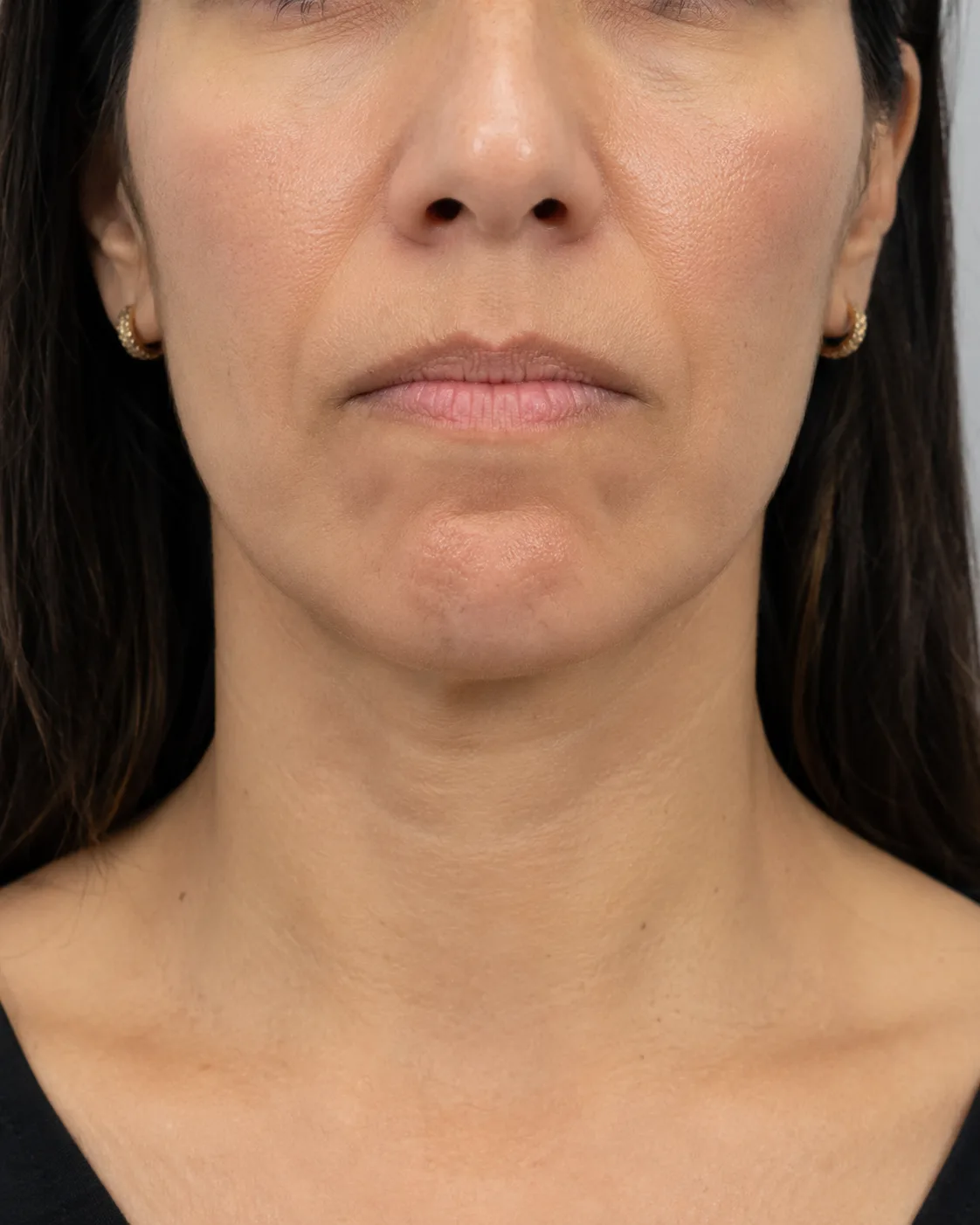
Corey locates whether the concern sits at the jaw border, chin relationship, jowl transition, jaw angle, chewing muscle, skin or jaw to neck area. He compares front, angled and profile views at rest and during natural movement.
Practical planning begins after this question is clear, not before.
How Does The Journey Home Matter?
Think about the actual trip from Oakleigh, whether you will drive or use transport, and what you need to do on arrival. Instructions depend on the suitable option and your individual circumstances.
The journey is discussed calmly as part of a complete plan rather than treated as a barrier to booking.
Which Commitments Belong In The Conversation?
Mention fixed work, presentations, photographs, family care, travel and social events. Corey can explain ordinary variability such as tenderness, swelling or bruising in relation to the option being considered.
This creates realistic expectations without assuming that every person will experience the same course.
How Is Normal Activity Discussed?
Describe the exercise, physical work, prolonged speaking, eating routine or caregiving tasks that form a normal week. Individual instructions should be linked to the suitable option, health history and current clinical guidance.
You should know which activities can continue normally and which details deserve specific advice.
What Makes Review Access Practical?
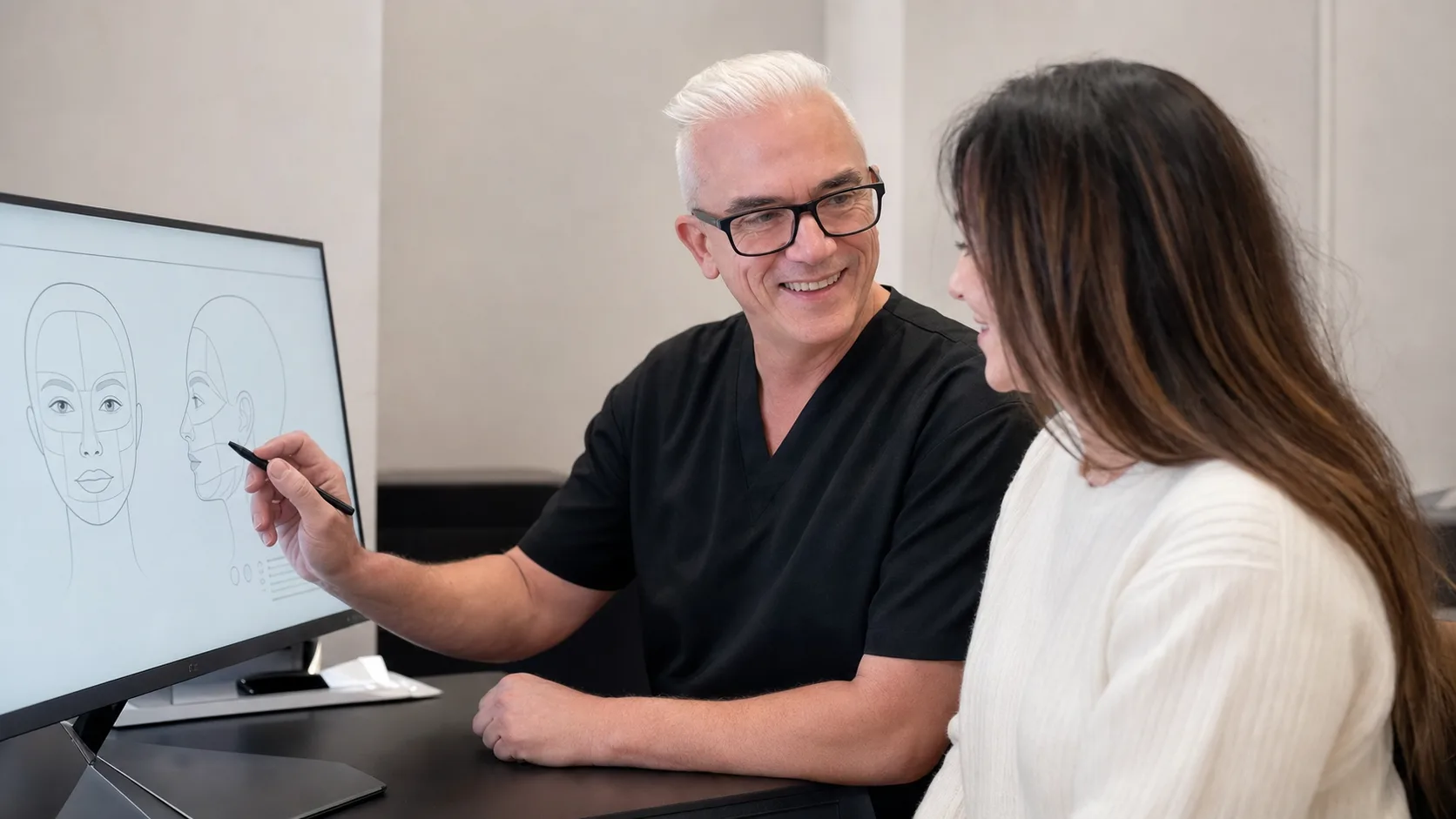
Know how to contact the clinic, whether returning to Oakleigh is realistic and how planned review would fit your schedule. Review access is part of responsible care, not an indication that a problem is expected.
Corey explains routine contact and any option-specific instructions personally.
Which Health Details Sit Beside The Weekly Map?
Bring current medicines and supplements, allergies, relevant health, skin, dental and jaw history and previous facial care with approximate dates. Mention pain, swelling, bite change, altered sensation or a recent unfamiliar difference.
Health and anatomy remain the basis of suitability; the weekly map helps translate the clinical decision into practical instructions.

Highett Practical Jawline Questions
What are the four practical fit questions?
They cover the journey home, fixed work or social commitments, normal activity and access to planned review. These details help translate a suitable clinical plan into realistic timing and instructions.
Does travel from Highett change jawline suitability?
No. Anatomy, health, history and individual risk determine suitability. Travel matters because the journey home, clinic contact and planned return access should be workable within the agreed care pathway.
Which commitments should I mention?
Mention fixed work, presentations, photographs, family care, travel and social events. Corey can relate ordinary variability such as tenderness, swelling or bruising to the specific option being considered.
Why discuss normal activity?
Exercise, physical work, prolonged speaking, eating routines and caregiving can affect practical instructions. Advice should reflect the suitable option, your health history and current clinical guidance rather than a generic rule.
Why is review access part of planning?
Knowing how to contact the clinic and whether returning to Oakleigh is realistic supports responsible follow-up. Review planning is routine and does not mean that a problem is expected.
What anatomy is assessed before practical planning?
Corey considers the jaw border, chin relationship, jowl transition, jaw angle, chewing muscle, skin and jaw to neck area across front, angled and profile views and natural movement.
Is Core Aesthetics located in Highett?
No. Core Aesthetics is in Oakleigh. Check the journey from your actual starting point and whether returning for planned review is practical. This page does not imply the clinic operates in Highett.
Which Guide Fits The Lower Face Question?
Read the Melbourne jawline guide for the broad service question, the jawline consultation guide for process, the Highett jaw muscle guide when width or function is central, and the jawline aftercare guide for general review information. Book a consultation when ready.
This page provides general education and does not diagnose a lower face concern, confirm suitability or replace personal medical advice. These cosmetic procedure guidelines inform the consultation process. See the Ahpra guidelines for registered health practitioners who perform non-surgical cosmetic procedures and the TGA guidance for advertising health services involving therapeutic goods.
Is this for you?
Consider booking a consultation if
- Adults who want jawline, chin, jowl, jaw muscle and lower face context assessed before treatment discussion
- Patients comparing local access with practitioner verification and review planning
- Patients with previous treatment who may need records review, waiting or original clinic review
- People who value a clear explanation of options, timing, follow-up and other clinical input
This may not be for you if
- People asking for a predetermined plan without assessment, consent or risk discussion
- People seeking a promised sharper jawline before consultation
- People wanting public prescription product advice or product led recommendations
- People with urgent medical, dental, infection, pain or jaw symptoms who need appropriate medical or dental care
Suitability is confirmed at consultation. This list is general guidance, not a substitute for clinical assessment.