For a lip concern near Caulfield, ask four separate questions: is the mismatch mainly in the outline, central body, side profile or movement during speech and smiling? Note whether it is stable or recent and name one feature you want preserved. Corey Anderson RN combines this brief with lip and lower face proportions, skin, dental and health history, previous care and timing. Corey explains suitable options, material risks, alternatives, costs and follow up. When clinically appropriate and informed consent is complete, suitable care can be planned.
Why Does Lip Volume Need Four Separate Questions?
A request for more fullness may actually describe a border shape, a central body relationship, side profile projection or a change visible only in movement. Start by deciding which question leads and which three are supporting context.
Add one feature to preserve, such as the Cupid bow, upper to lower relationship, natural texture or familiar smile.
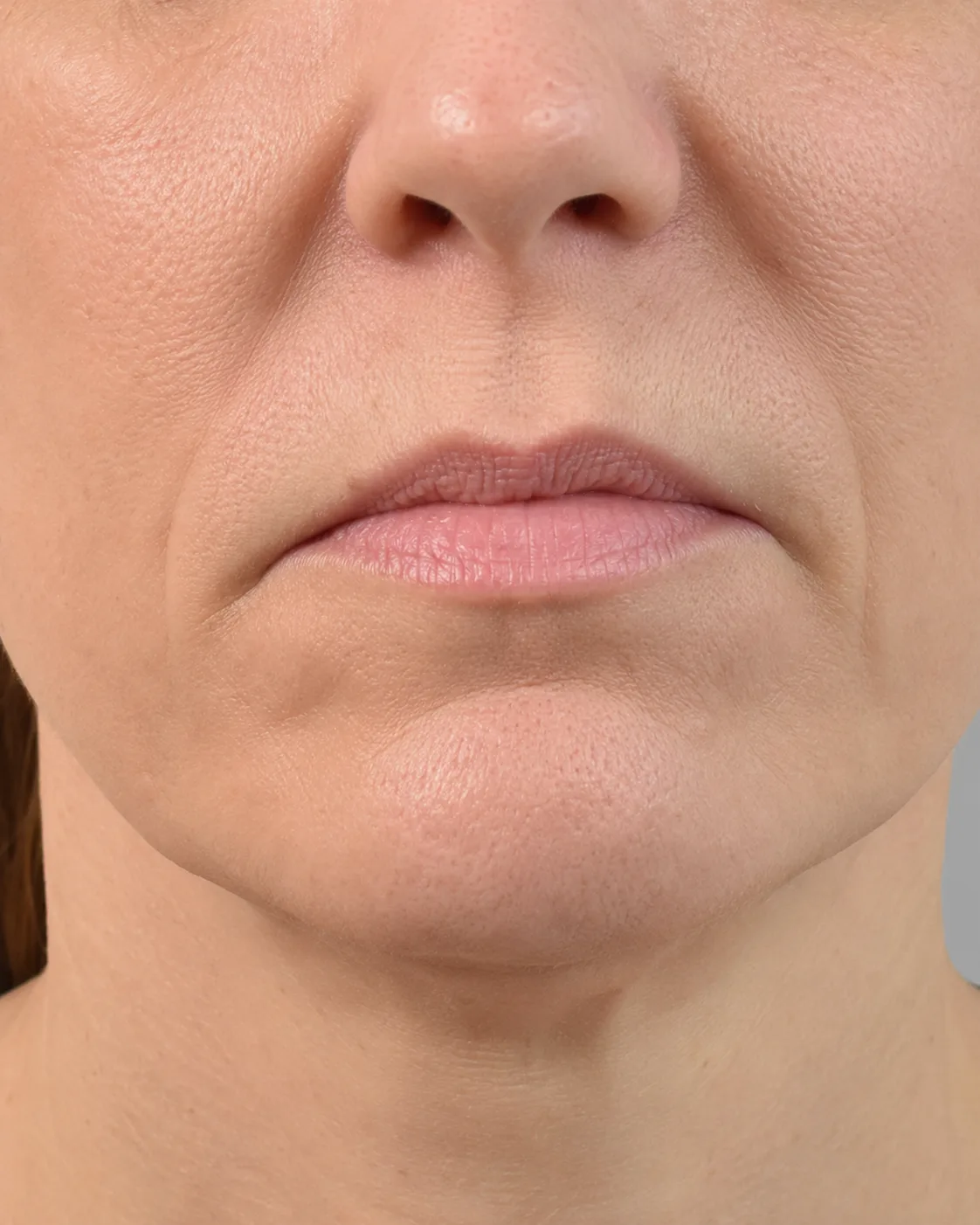
What Does Each Mismatch Question Mean?
| Question | What to observe | What not to assume |
|---|---|---|
| Outline | Border, Cupid bow, corners and side to side shape. | That a sharper border needs more central fullness. |
| Central body | Upper and lower lip relationship at rest. | That quantity alone defines balance. |
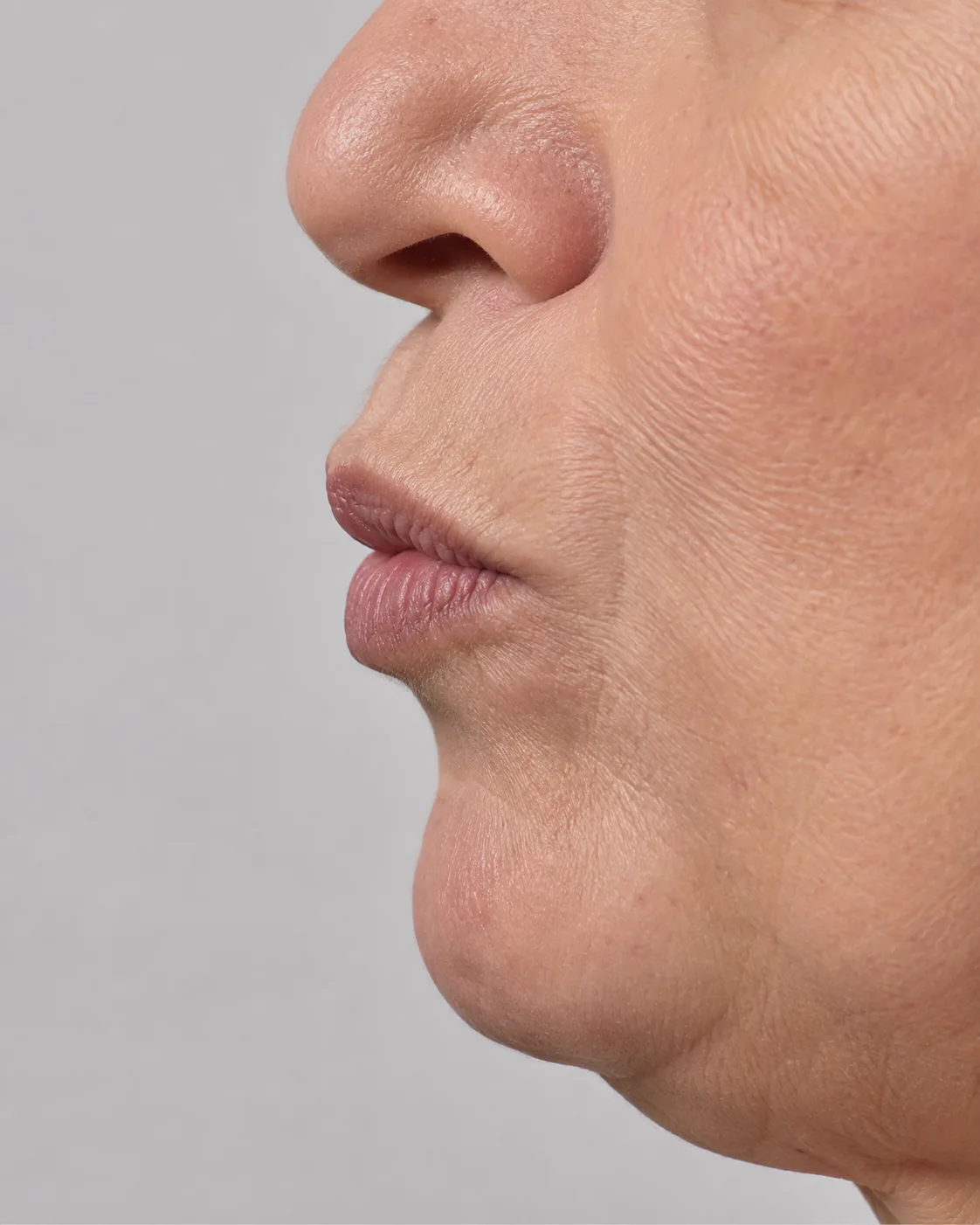
| Profile | Lips in relation to nose, chin, teeth and lower face. | That a close front photograph shows projection. |
| Movement | Speech, lip closure and a natural smile. | That a posed expression represents ordinary function. |
How Should You Prepare The Four Question Brief?
Use a relaxed front view, a side profile and ordinary speech or smiling in even light. Write one sentence for the leading mismatch and one for the feature you want preserved.
- Note whether the pattern is stable or recently changed.
- Bring relevant dental, skin and health context.
- Record previous cosmetic care dates and available clinic details.
- Add travel, photography, dental work or event timing.
What Can Corey Clarify At Assessment?
Corey compares the four questions with direct observation of lip form, movement, upper to lower relationship and neighbouring facial proportions.
| Assessment finding | Useful direction |
|---|---|
| Outline leads | Discuss border shape and preservation without assuming central body change. |
| Central body leads | Consider upper and lower balance, tissue behaviour and profile. |
| Profile leads | Include chin, teeth, nose and whole lower face limits. |
| Movement leads | Prioritise speech, smile and familiar function. |
| Several questions overlap | Use a staged assessment rather than forcing one label. |
Which History Belongs With The Lip Brief?
Bring current medicines and supplements, relevant medical and dental history, cold sore history when relevant, active mouth or skin symptoms, previous care dates and available records.
Do not guess a previous product or amount. Corey can explain whether more information, adjusted timing, another clinical review or a different clinically appropriate pathway would help.
How Do The Four Questions Prevent An Overly Narrow Plan?
Outline is not central body
Border shape can be discussed without treating every concern as fullness.
Front view is not profile
Projection needs the lips, chin, nose and dental relationship in context.
Rest is not movement
Speech and smile may reveal a different priority from a still image.
Preference is not diagnosis
Your observation and preservation boundary guide questions but do not establish anatomy.
Assessment tests the label
Corey explains which options and limits fit the individual pattern.
Can The Leading Question Change During Assessment?
Yes. A central body concern may be mainly profile balance, a border concern may reflect skin or previous care, and a fullness request may become a movement or preservation discussion.
Reframing is useful because it makes the plan more precise. When assessment and informed consent support care, suitable planning can proceed without losing the wider lip and lower face context.
Which Guide Fits The Leading Lip Question?
Use the Oakleigh lip guide for the full service pathway, the lip consultation question list for broader preparation, or dental work and aesthetic consultation when dental timing or symptoms need priority.
Stay with this guide when the main task is separating outline, body, profile and movement.
How Are Risks, Limits And Consent Discussed?
Option dependent risks may include temporary marks, swelling, tenderness, bruising, asymmetry, lumps, cold sore flare, infection, delayed reactions, dissatisfaction and uncommon serious complications. Corey explains relevant warning signs, aftercare and review access.
Consent records which mismatch is being addressed, what should remain familiar, alternatives, expected limits, costs and timing. No public page can predict an individual outcome.
Where Is The Lip Consultation Held?
Core Aesthetics is at 12A Atherton Road, Oakleigh VIC 3166. Phone 0491 706 705. Corey Anderson is a Registered Nurse with Ahpra registration NMW0001047575.
Use the verification page and independent Ahpra public register to confirm practitioner details before booking.
When Does A Health Or Dental Pathway Come First?
New pain, fever, dental or gum swelling, a bad taste, pus, a persistent mouth sore, rapidly increasing swelling, spreading redness, altered sensation or breathing difficulty needs appropriate dental, medical or emergency assessment.
Once the health question is understood, the consultation can incorporate relevant timing and clinical information comfortably.
What Can The Four Mismatch Questions Not Decide?
This page provides general education for adults. It cannot diagnose a lip, skin, dental or medical concern, confirm suitability, recommend a treatment or replace personal health advice and informed consent.
Official guidelines for registered health practitioners who perform non-surgical cosmetic procedures support individual assessment, consent and appropriate follow up. These cosmetic procedure guidelines inform the consultation process. TGA advertising guidance explains why prescription products are not promoted here.
Questions About Outline Body Profile And Movement
What are the four lip mismatch questions?
Separate the concern into outline, central body, side profile and movement during speech or smiling. Choose the leading question, then note one shape, proportion or expression you want preserved.
How is outline different from central body?
Outline concerns the border, Cupid bow and corners. Central body concerns the upper and lower lip relationship at rest. One can lead without assuming that the other needs to change.
Why does the side profile matter?
Profile places the lips in relation to the nose, chin, teeth and lower face. It can change how a fullness concern is understood because a close front photograph cannot show projection or neighbouring proportions reliably.
What should I observe during movement?
Notice ordinary speech, comfortable lip closure and a natural smile. Corey considers whether the concern changes with movement and which familiar function or expression should remain recognisable.
What should I bring after previous lip care?
Bring approximate dates, treated areas, clinic details, available records and a plain description of how the lips settled. Add current medicines, relevant health and dental history and any active symptoms.
Is Core Aesthetics located in Caulfield?
No. Core Aesthetics is in Oakleigh. Check directions from your actual starting point, allow comfortable arrival time and consider whether returning to the clinic for review would be practical.
Can a single close photograph show lip movement or comfortable closure?
No. A close photograph freezes one angle and can exaggerate border, symmetry or fullness. It cannot show ordinary speech, a natural smile or how the lips close without force. Corey compares those moments with teeth, chin, profile, surrounding skin and previous care before deciding which part of the concern actually leads.
Is this for you?
Consider booking a consultation if
- Adults near Caulfield wanting lip proportion and fullness assessment before option discussion
- Patients who want consultation first explanation of lip shape, movement, risk and consent
- People willing to consider how assessment, timing, follow-up and other clinical input shape the plan
- Patients who want to verify Corey Anderson RN and practical review access before booking
This may not be for you if
- People asking for a predetermined plan without assessment, consent or risk discussion
- People with urgent medical symptoms, active infection, rapidly changing swelling or severe pain
- People wanting a fixed cosmetic change before lip proportion and previous treatment history are assessed
- People seeking advice for someone unable to provide informed consent for elective cosmetic care
Suitability is confirmed at consultation. This list is general guidance, not a substitute for clinical assessment.