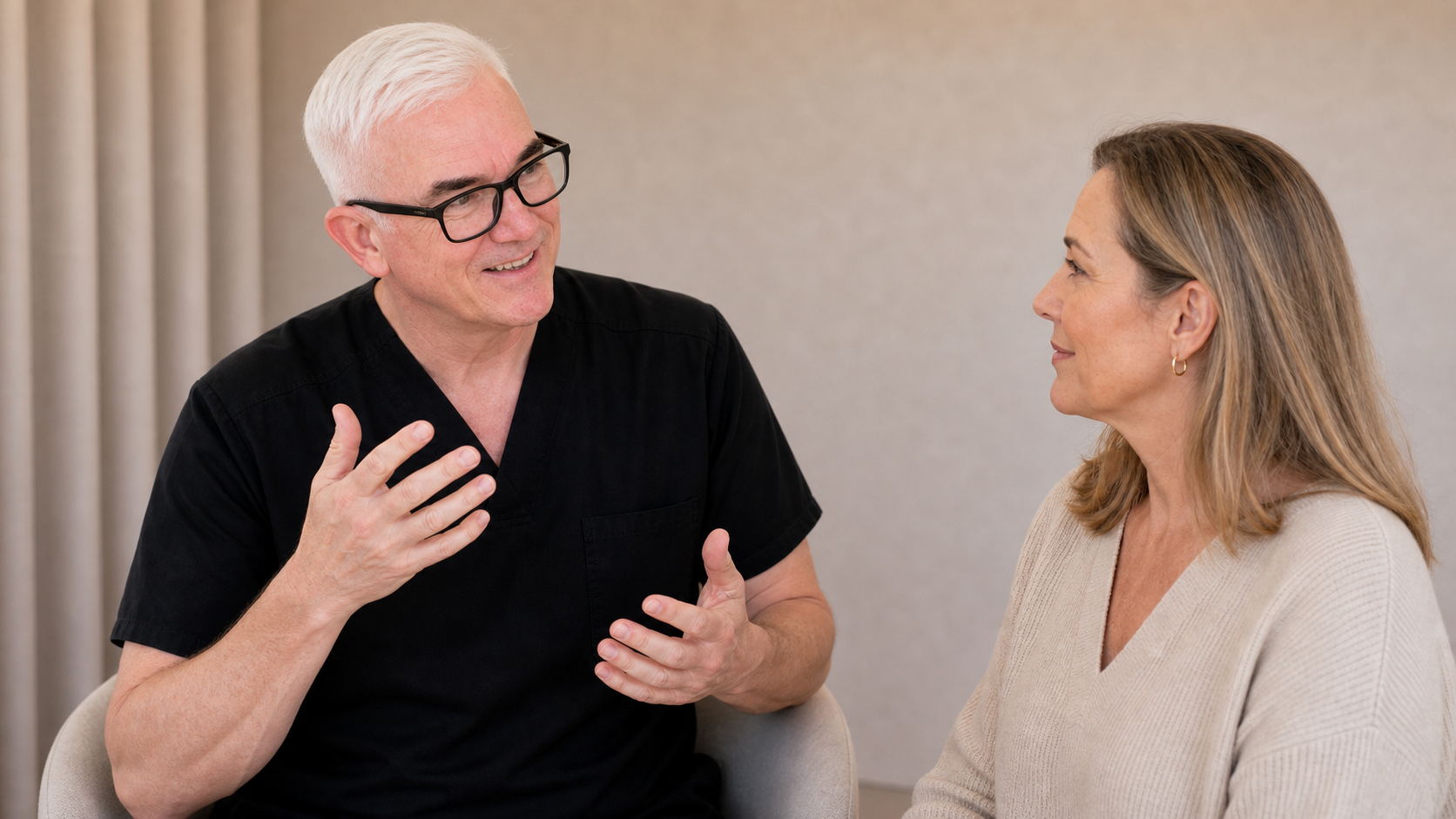
For a facial volume consultation near Burwood East, separate the concern into four layers: skin surface, light and shadow, structural contour, and natural movement. Note which layer is visible in neutral light, at ordinary distance and after expression settles. Corey Anderson RN combines that map with facial structure, skin, health, medicines, dental and weight history and previous care. Suitable care can be planned when individual assessment and informed consent support it, without assuming a shadow or tired appearance proves volume loss.
Why Separate The Concern Into Layers?
A close mirror may emphasise skin, overhead light may deepen a shadow, profile may reveal contour and expression may change the whole impression. Calling all four volume loss hides useful differences.
Corey identifies which layer leads and which ones only add context.
Which Layer Best Matches What You Notice?
| Layer | Useful observation | What it cannot prove |
|---|---|---|
| Skin surface | Texture, dryness, fine detail or irritation | That deeper support changed |
| Light and shadow | The concern varies with direction or brightness | Which structure causes it |
| Structural contour | A transition remains across ordinary settings | That volume is the preferred response |
| Natural movement | Speech or smile changes the feature | How the face looks at rest |

How Does Skin Surface Change The Impression?
Dryness, irritation, texture and close viewing can make a contour or shadow appear more noticeable. Skin may be part of the concern even when facial structure is unchanged.
Corey examines the surface separately and can explain when skin care discussion or another clinical perspective would add value.
How Can Light Create Or Deepen A Shadow?
Overhead light, side light and camera flash fall differently across the lower eyelid, cheek and lower face. A shadow that moves with the light is not the same as a stable contour.
Neutral light and ordinary viewing distance help establish which part of the impression persists.
What Makes A Contour Observation More Useful?
Name the exact transition, whether it appears from the front, angle or profile, and whether it remains similar across ordinary settings. Compare both sides without expecting perfect symmetry.
Corey places the contour within the whole face rather than applying a fixed volume or proportion target.

What Does Movement Add To The Layer Map?
Speaking, smiling and blinking can change cheek position, lower eyelid transition, mouth area and shadow. The feature may become clearer, softer or simply different during expression.
Your familiar movement is not treated as a defect. The plan includes what you want to preserve.
Which History Can Change The Four Layers?
| Context | What to bring | Why it matters |
|---|---|---|
| Timeline | When the concern became noticeable | Separates longstanding structure from recent change |
| Health and medicines | Relevant conditions, medicines and allergies | Supports safe personal assessment |
| Dental and weight history | Recent care or meaningful change | May alter lower face context |
| Previous cosmetic care | Dates, areas and response | Helps interpret current findings |
When Does A Facial Change Need Another Assessment?
A recent, painful, rapidly changing or unexplained facial concern, or one accompanied by weakness, numbness, visual symptoms, dental pain, fever or significant swelling, needs assessment by an appropriate health professional.
For a stable cosmetic concern, more information, adjusted timing, another clinical review or a different pathway can be incorporated when useful.
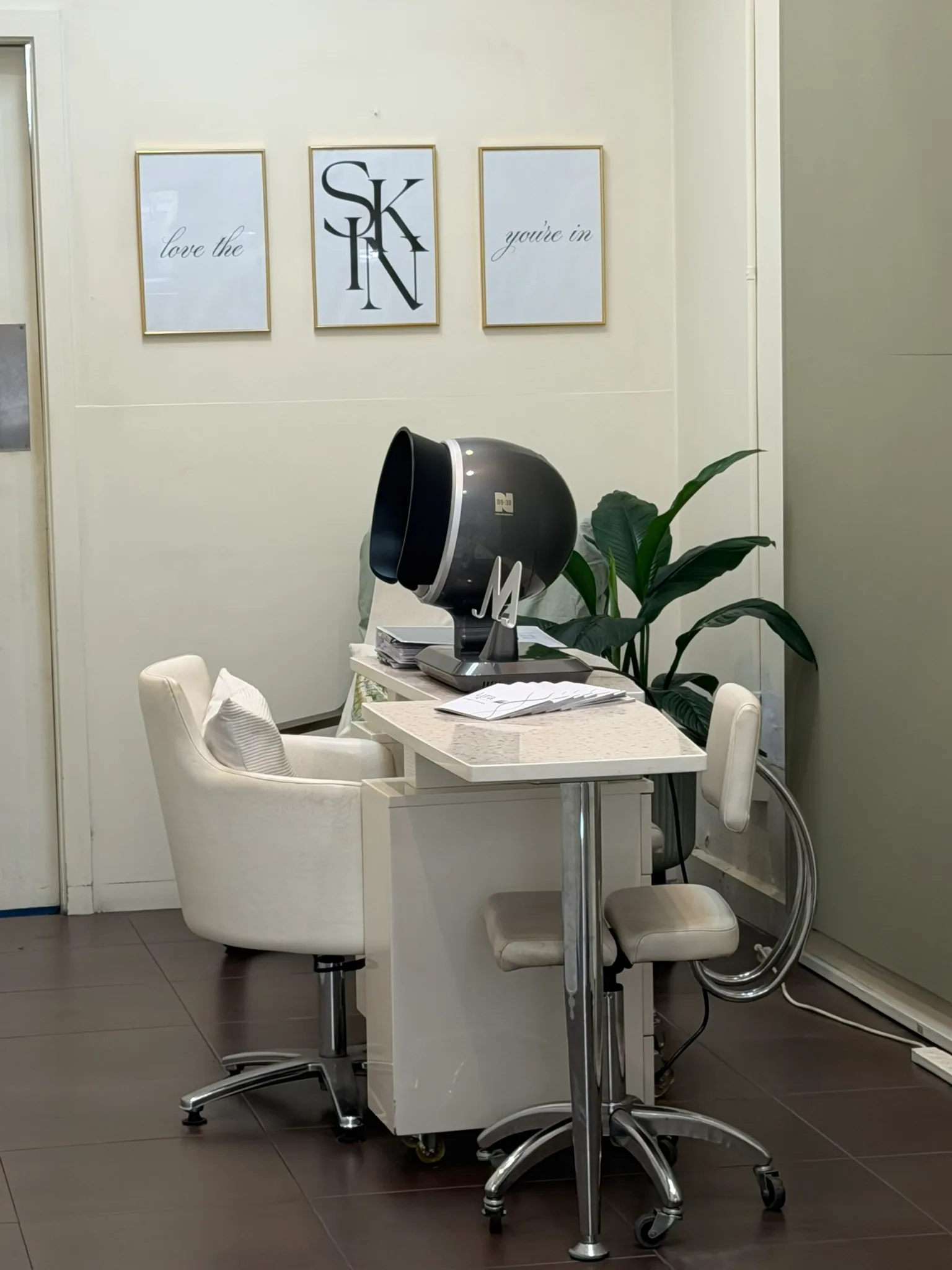
How Does The Oakleigh Visit Fit This Four-Layer Assessment?
Core Aesthetics is at 12A Atherton Road, Oakleigh VIC 3166. Phone 0491 706 705. Corey Anderson is a Registered Nurse with Ahpra registration NMW0001047575.
Bring the four layer observation, relevant health and dental history and previous care details. Use the verification guide and independent Ahpra register to confirm practitioner information.
Which Public Guidance Informs The Consultation?
Official guidelines for registered health practitioners who perform non-surgical cosmetic procedures support individual assessment, informed consent and appropriate follow up. These cosmetic procedure guidelines inform the consultation process.
TGA advertising guidance explains why prescription products are not promoted on this page.
Book A Four Layer Facial Assessment
Separate what is seen before discussing what may suit
Corey can compare surface, shadow, contour and movement, then explain which suitable choices deserve discussion.
When clinically appropriate and informed consent is complete, suitable care can be planned. Corey explains material risks, alternatives, uncertainty, likely limits, total cost, aftercare and follow up first.
Is this for you?
Consider booking a consultation if
- Adults from Burwood East who want help understanding whether support, shape, shadow or skin is contributing to a facial concern
- People who want the concern assessed in whole-face context before choosing any next step
- People who value direct practitioner continuity for assessment, questions and any later review
- People comfortable with reassurance, timing or another clinically appropriate pathway as possible outcomes
This may not be for you if
- Anyone seeking a fixed appearance promise or a treatment decision without individual assessment
- Anyone with a recent, painful, swollen, rapidly changing, one-sided or otherwise unexplained facial change requiring medical assessment
- Anyone with active infection, unhealed skin or an unresolved concern after recent care
- Anyone unable to provide informed consent for elective cosmetic care
Suitability is confirmed at consultation. This list is general guidance, not a substitute for clinical assessment.
Frequently asked questions
What are the four facial observation layers?
They are skin surface, light and shadow, structural contour and natural movement. Separating them helps Corey identify which part leads without assuming every concern is volume related.
Does a shadow prove facial volume loss?
No. A shadow can reflect light direction, skin, structure, movement or several factors together. Corey compares neutral light, ordinary distance and movement before discussing cause or suitability.
How is skin texture different from contour?
Skin texture is surface detail, while contour describes the shape or transition beneath it. They can influence one another visually but may lead to different planning questions.
Why compare the concern during movement?
Speech, smile and blinking can change cheek position, lower eyelid transition and shadows. The comparison shows whether the feature is stable or linked mainly with familiar expression.
What if the concern changes from day to day?
Note the variation and any relevant context such as light, skin irritation, allergies or temporary puffiness. Variation does not identify the cause and should be assessed individually.
What should I bring to the assessment?
Bring when the concern began, which layer seems most relevant, health and medicines, dental and weight history, previous care details and one or two photographs only if useful.
Is Core Aesthetics located in Burwood East?
No. Core Aesthetics is in Oakleigh. Check the trip from your actual starting point and make sure returning to the clinic for review would be practical.