For a facial volume consultation near Keysborough, build a four point timeline: an earlier baseline when the area felt familiar, when the change first caught your attention, relevant events or previous care afterward, and how it appears and feels today. This helps distinguish a gradual pattern from a recent change and places photographs, weight change, dental or facial care, health and skin context in order. A timeline does not diagnose volume loss or confirm a suitable option. Corey Anderson RN combines it with direct assessment, medicines, risks, expectations and informed consent. Suitable care can be planned when the individual review supports it.
Why Does A Facial Change Need A Timeline?
A mirror shows the present moment but not the sequence that led to it. Gradual ageing, weight change, dental or facial care, illness, swelling, skin changes and photographs taken under different conditions may all alter the story.
Putting events in order helps Corey understand what is longstanding, what is new and which details deserve closer assessment.

What Are The Four Timeline Points?
| Point | What to record | Useful evidence |
|---|---|---|
| Earlier baseline | When the area felt familiar | An ordinary unedited photograph if available |
| First noticed | Approximate date and what caught your eye | Your own description |
| What followed | Health, weight, dental, skin or facial care events | Dates and records where known |
| Today | Appearance, feel, movement and priorities now | Direct individual assessment |
How Do You Choose An Earlier Baseline?
Choose a period when the face felt recognisably yours rather than searching for an ideal image. An ordinary photograph in neutral lighting can be more useful than a posed or filtered portrait.
If no photograph exists, describe what you remember and how long the current concern has been noticeable. The consultation can begin without visual records.
What Should You Record About First Noticing The Change?
Note the approximate month or life period, the exact area and whether the change seemed gradual or abrupt. Describe whether it involved shadow, contour, skin, swelling, firmness, discomfort or movement.
A sudden, painful, marked or medically unusual change needs timely assessment through an appropriate health service rather than being assumed to be cosmetic.
Which Intervening Events Belong On The Timeline?
Include notable weight change, dental procedures, facial injury, illness, skin treatment, pregnancy or breastfeeding when relevant, and previous cosmetic care. Record approximate dates and areas even when product details are unavailable.
Not every event is causal. Chronology simply helps Corey decide which relationships need exploration.
How Should Today’s View Be Described?
Use plain language for what you see and feel now, when it is most noticeable and whether light, head angle, sleep, hydration or expression changes it. Include the features you want to preserve.
Corey compares rest, conversation and natural expression with tissue feel, skin and connected facial regions.
Can Photographs Strengthen The Timeline?
Unedited images can show an earlier baseline or an intermittent change, but camera distance, lens, angle, lighting and expression can alter apparent proportion.
Label approximate dates and context. Photographs support the history; they do not diagnose a deficit or establish suitability.

How Does Previous Facial Care Change The Current Story?
Previous care may affect tissue feel, contour, swelling patterns and the value of further records. Bring dates, areas, practitioner or product information when known and what you noticed while it settled.
Persistent firmness, swelling, tenderness, colour change or another unfamiliar response deserves specific discussion.
Which Risks And Limits Need Timeline Context?
Depending on the suitable option, discussion may include redness, tenderness, swelling, bruising, asymmetry, lumps, infection, delayed inflammatory response, dissatisfaction and uncommon urgent vascular warning signs.
Corey explains alternatives, likely limits, total cost, aftercare, follow up and when to contact the clinic. A present concern may involve structure, skin or movement that one option cannot fully address.
What If The Timeline Still Has Gaps?
Incomplete dates or missing records do not make the consultation pointless. Corey can identify what is known, what remains uncertain and whether observation, additional information or another clinical opinion would improve the decision.
Adjusted timing can be incorporated without making the appointment feel like a failed pathway.
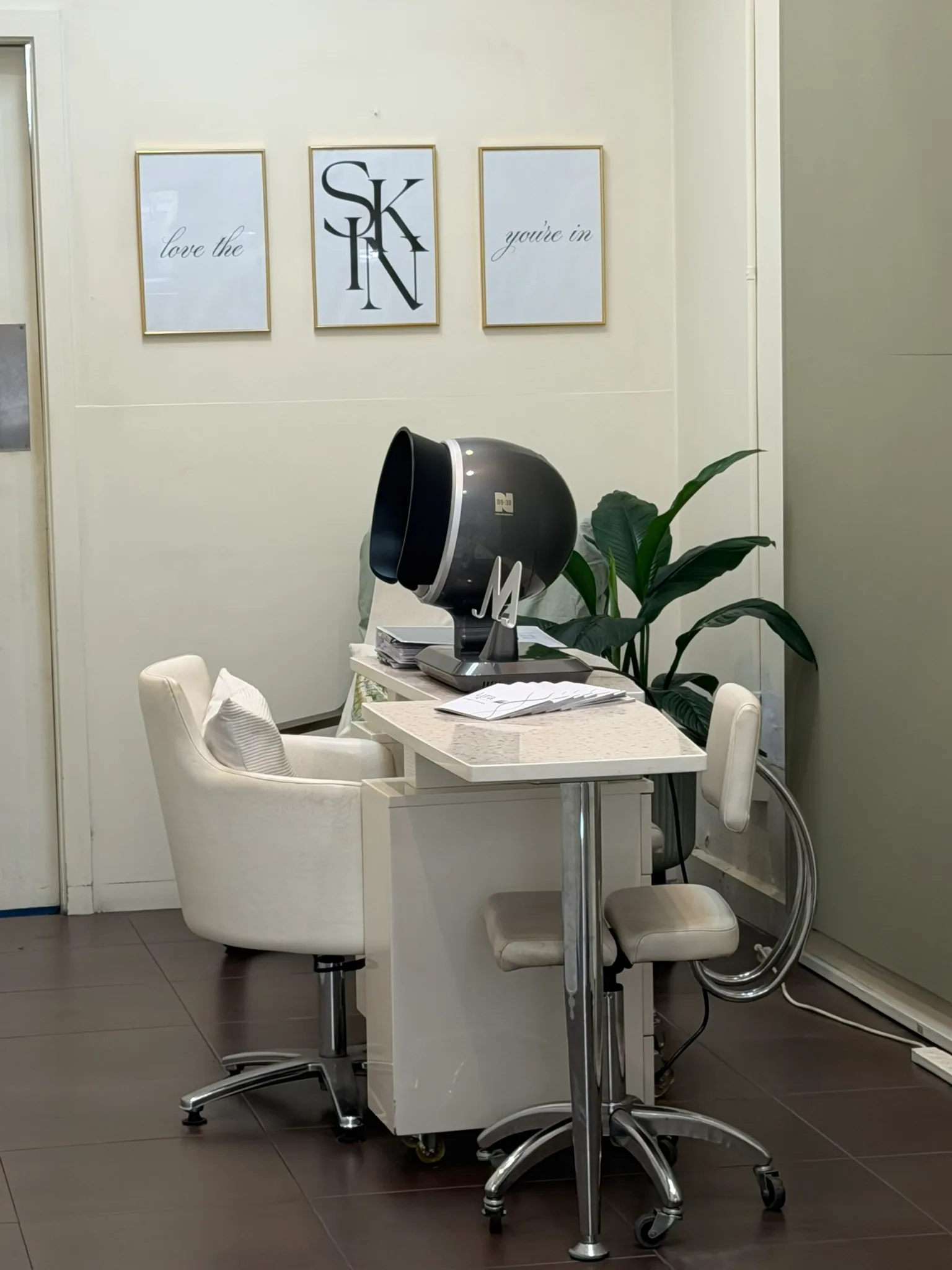
Where Is The Timeline Reviewed?
Core Aesthetics is at 12A Atherton Road, Oakleigh VIC 3166. Phone 0491 706 705. Corey Anderson is a Registered Nurse with Ahpra registration NMW0001047575.
People travelling from Keysborough can check their actual journey and whether returning to Oakleigh for planned review would be practical.
Which Guides Can Add To The Timeline?
Read the facial volume consultation guide, skin and structural ageing guide, midface change guide and volume safety guide.
This page provides general education and does not diagnose a facial change, confirm suitability or replace personal medical advice. These cosmetic procedure guidelines inform the consultation process. See the Ahpra guidelines for registered health practitioners who perform non-surgical cosmetic procedures and the TGA guidance for advertising health services involving therapeutic goods.
Is this for you?
Consider booking a consultation if
- Adults near Keysborough wanting facial volume and structure assessment before option discussion
- Patients who want consultation-first explanation of facial volume, skin quality, risk and consent
- People who value a clear explanation of options, timing, follow-up and other clinical input
- Patients who want to verify Corey Anderson RN and the Oakleigh clinic before booking
This may not be for you if
- People asking for a predetermined plan without assessment, consent or risk discussion
- People with urgent medical symptoms, active infection, acute swelling or rapidly changing facial symptoms
- People wanting a fixed cosmetic change before facial structure and skin quality are assessed
- People seeking elective cosmetic care for someone who cannot provide informed consent
Suitability is confirmed at consultation. This list is general guidance, not a substitute for clinical assessment.
Frequently asked questions
What is a four point facial change timeline?
It records an earlier familiar baseline, when the change was first noticed, relevant events afterward and how the area currently appears, feels and moves today.
Do I need old photographs for the consultation?
No. An ordinary unedited photograph can add context, but your remembered timeline and current direct assessment remain useful when no earlier image or complete record exists.
Which events should be included on the timeline?
Include relevant health changes, weight change, dental or facial procedures, skin care, injury and previous cosmetic care. Dates and treated areas are useful when known.
What if the change appeared suddenly?
A sudden, painful, marked, worsening or medically unusual facial change needs timely assessment through an appropriate health service rather than being assumed to be cosmetic.
How do photographs distort facial volume?
Camera distance, lens, angle, lighting and expression can change apparent contour and proportion. Label image dates and context, while relying on direct assessment for clinical decisions.
What should I bring after previous facial care?
Bring approximate dates, treated areas, available records and practitioner or product details when known. Mention persistent swelling, firmness, tenderness, colour change or another unfamiliar response.
Is Core Aesthetics located in Keysborough?
No. The clinic is in Oakleigh. Check the journey from your actual starting point and whether returning for planned review would be practical before booking.