For a facial volume consultation near Toorak, identify the one contour change that draws your attention first, then describe what sits above it, below it, and on the other side of the face. This relationship map may reveal that the visible concern involves structure, skin, movement, light, natural asymmetry or more than one facial region. Corey Anderson RN combines the map with health, medicines, dental and weight context, previous care, timing, risks and expectations. Suitable care can be planned when individual assessment and informed consent support it.
Why Map One Feature In Context?
Starting with one concern keeps the consultation focused, while the surrounding relationships prevent that feature from being assessed alone. The map is descriptive and does not diagnose the reason for a visible change.
Use the feature that catches your attention first, even if you are unsure what to call the area.
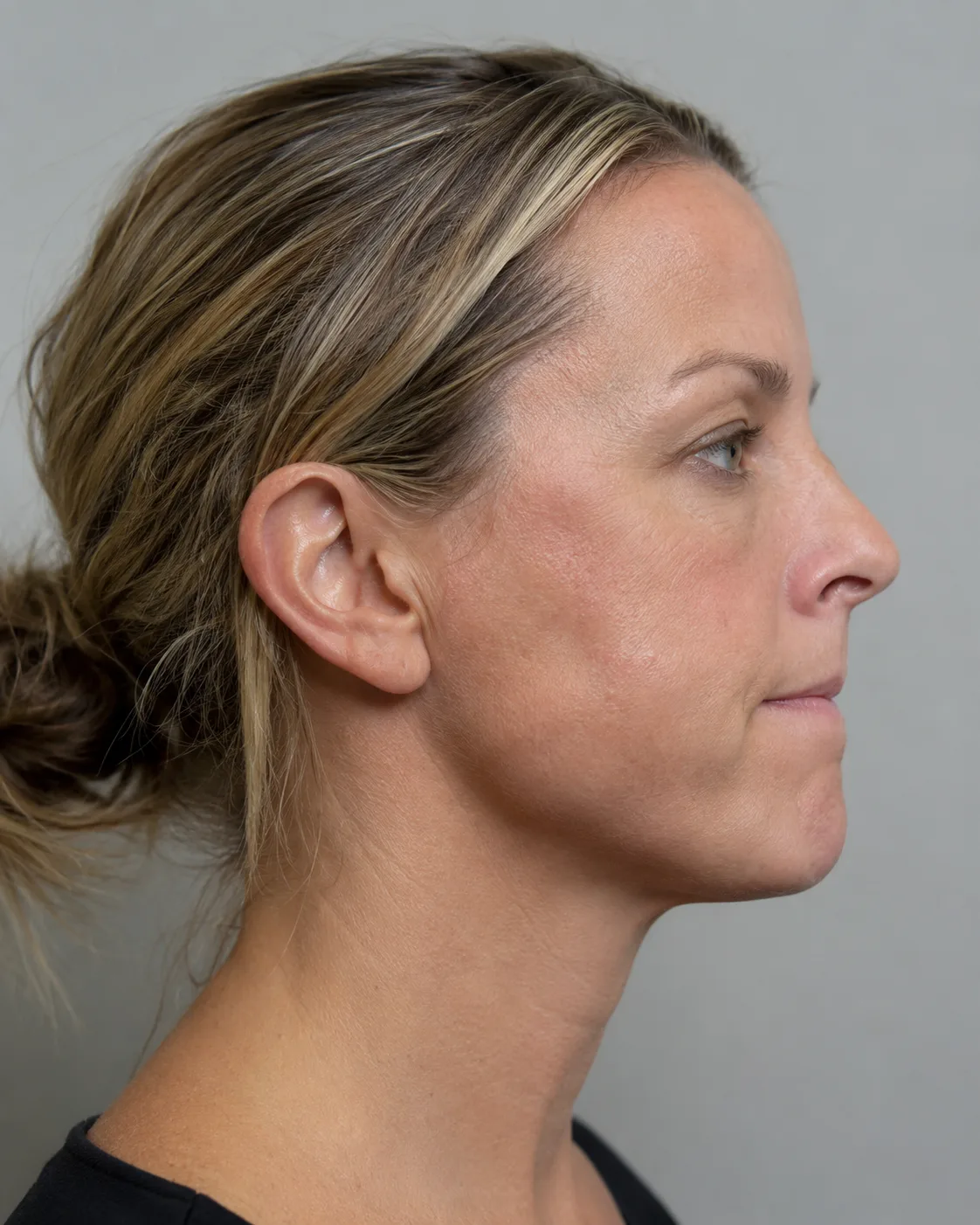
What Belongs In The Four Point Relationship Map?
| Map point | Observation | Question for assessment |
|---|---|---|
| Leading feature | The contour that draws attention first | What exactly appears different? |
| Above | The neighbouring upper facial support or shadow | Does the relationship alter the concern? |
| Below | The lower facial transition or support | Is the visible edge part of a wider pattern? |
| Across | The corresponding area on the other side | What is ordinary asymmetry and what has changed? |
How Do You Choose The Leading Feature?
Look in ordinary light and name the first contour, hollow, fold, shadow or transition that holds your attention. Point to it directly rather than selecting a treatment area from a diagram.
Notice whether it is visible at rest, during expression or mainly in photographs. That context belongs beside the location.
What Does The Area Above Contribute?
The region above may change support, shadow, skin transition or the way the leading feature is framed. Corey considers the vertical relationship without assuming both areas need the same type of care.
A useful note is simple: the feature looks stronger, softer or unchanged when your attention moves upward.
What Does The Area Below Contribute?
The area below can influence the apparent edge, projection or transition of the leading concern. Jaw position, lower face support, skin and movement may all change how the relationship looks.
The map records the connection. It does not turn every neighbouring feature into another treatment request.
Why Compare The Other Side?
Faces are not perfectly symmetrical. Compare the corresponding area in the same light, head position and expression, then describe whether the difference is longstanding, recent or variable.
Corey distinguishes natural side to side character from a change that needs further history or assessment.
Which Context Sits Beside The Map?
Add health and medicine changes, meaningful weight history, dental care, skin symptoms and previous cosmetic care where relevant. Approximate timing is useful when known.
A recent, painful, rapidly changing or unexplained feature, or one with weakness, numbness, visual symptoms, fever or dental pain, needs an appropriate health pathway.

Which Guides Help Refine The Leading Question?
The midface change guide helps when the leading feature sits through the cheek or midface. Use the facial area guide when the location remains difficult to name.
The suitability guide explains how personal history, expectations, timing and review access influence a recommendation.

How Do The Map Findings Shape Risk Discussion?
Depending on the suitable option, Corey may discuss redness, tenderness, swelling, bruising, asymmetry, lumps, infection, delayed inflammatory response, dissatisfaction and uncommon urgent vascular warning signs.
He also explains alternatives, uncertainty, likely limits, total cost, aftercare, follow up and what should prompt routine or urgent contact.
Where Is The Facial Assessment Held?
Core Aesthetics is at 12A Atherton Road, Oakleigh VIC 3166. Phone 0491 706 705. Corey Anderson is a Registered Nurse with Ahpra registration NMW0001047575.
Bring the map, relevant history and one or two ordinary photographs if they help show the leading feature in a familiar setting.
How Can One Map Lead To Suitable Care?
Corey combines the leading concern and its three relationships with direct assessment, health history, previous care, expectations, risks, alternatives and review access. Suitable care can be planned when the individual assessment and informed consent support it.
More information, adjusted timing, another clinical review or a different pathway can be incorporated when useful. This keeps the appointment constructive even when the first area named is not the whole story.
What Is The Boundary Of This Mapping Guide?
This page provides general education and does not diagnose a concern, confirm suitability or replace individual medical advice. Personal guidance requires direct consultation and relevant clinical history.
These cosmetic procedure guidelines inform the consultation process. See the Ahpra guidelines for registered health practitioners who perform non-surgical cosmetic procedures and the TGA guidance for advertising health services involving therapeutic goods.
Is this for you?
Consider booking a consultation if
- Adults near Toorak wanting facial volume and structure assessment before option discussion
- Patients who want consultation-first explanation of facial volume, skin quality, risk and consent
- People open to exploring facial structure, skin quality and proportion, suitable options, timing and review needs
- Patients who want to verify Corey Anderson RN and the Oakleigh clinic before booking
This may not be for you if
- People asking for a predetermined plan without assessment, consent or risk discussion
- People with urgent medical symptoms, active infection, acute swelling or rapidly changing facial symptoms
- People wanting a fixed cosmetic change before facial structure and skin quality are assessed
- People seeking elective cosmetic care for someone who cannot provide informed consent
Suitability is confirmed at consultation. This list is general guidance, not a substitute for clinical assessment.
Frequently asked questions
How do I choose the leading facial feature?
Use ordinary light and identify the contour, hollow, fold, shadow or transition that draws your attention first. Point to it directly without trying to select a procedure or diagnose its cause.
Why map the areas above and below it?
Vertical relationships can change apparent support, shadow, edge and proportion. Corey assesses whether the leading feature is localised or part of a wider pattern without assuming every neighbouring area needs care.
Does a difference between facial sides mean something is wrong?
Not necessarily. Natural asymmetry is common. Compare both sides in the same light, head position and expression, then describe whether the difference is longstanding, recent or variable.
Can a photograph establish the relationship map?
A photograph can add context, but light, lens distance, head position and expression may change relationships. Corey combines a small number of useful images with direct assessment.
Which history should I add to the map?
Include relevant health and medicine changes, meaningful weight history, dental care, skin symptoms, previous cosmetic care and approximate timing. These details may change which assessment question should lead.
What if I cannot name the facial area?
Point to the leading feature and describe what sits above, below and across it. Corey can identify the relevant anatomy during assessment without requiring you to use a clinical label.
Can suitable care be planned at the consultation?
Yes. Suitable care can be planned when individual assessment and informed consent support it. More information, adjusted timing, clinical review or another pathway can be incorporated when useful.
Is Core Aesthetics located in Toorak?
No. The clinic is in Oakleigh. Check the trip from your actual starting point and make sure returning for review would be practical before selecting an appointment time.