
If you are coming from Camberwell with a cheek or midface concern, an Oakleigh consultation gives you time to describe what has changed, review the surrounding facial context and decide on a useful next step with Corey Anderson RN. Bring any relevant history and previous treatment details. The appointment may lead to a suitable option to consider, more time, another care pathway or no cosmetic treatment.
A local visit with a clear purpose
You may have noticed a flatter area, a change in shadow or a difference between the two sides of your midface. You do not need to decide what caused it or choose an option before you arrive. A useful first step is simply to explain what looks different to you.
This page is for Camberwell readers who already know the cheek or midface is the main concern and want to plan an Oakleigh visit. The broader Camberwell facial concern guide is a better starting point when you are not yet sure which area should lead.
Choose the pathway that fits your question
You know the cheek is the concern
Use this page to prepare for the Camberwell to Oakleigh appointment, including what to bring and how follow-up continuity works.
You are unsure where the change begins
The Melbourne cheek assessment page helps you compare visible midface landmarks without deciding the answer online.
You want the visit step by step
Read what happens at a cheek consultation for the full assessment process and possible decisions.
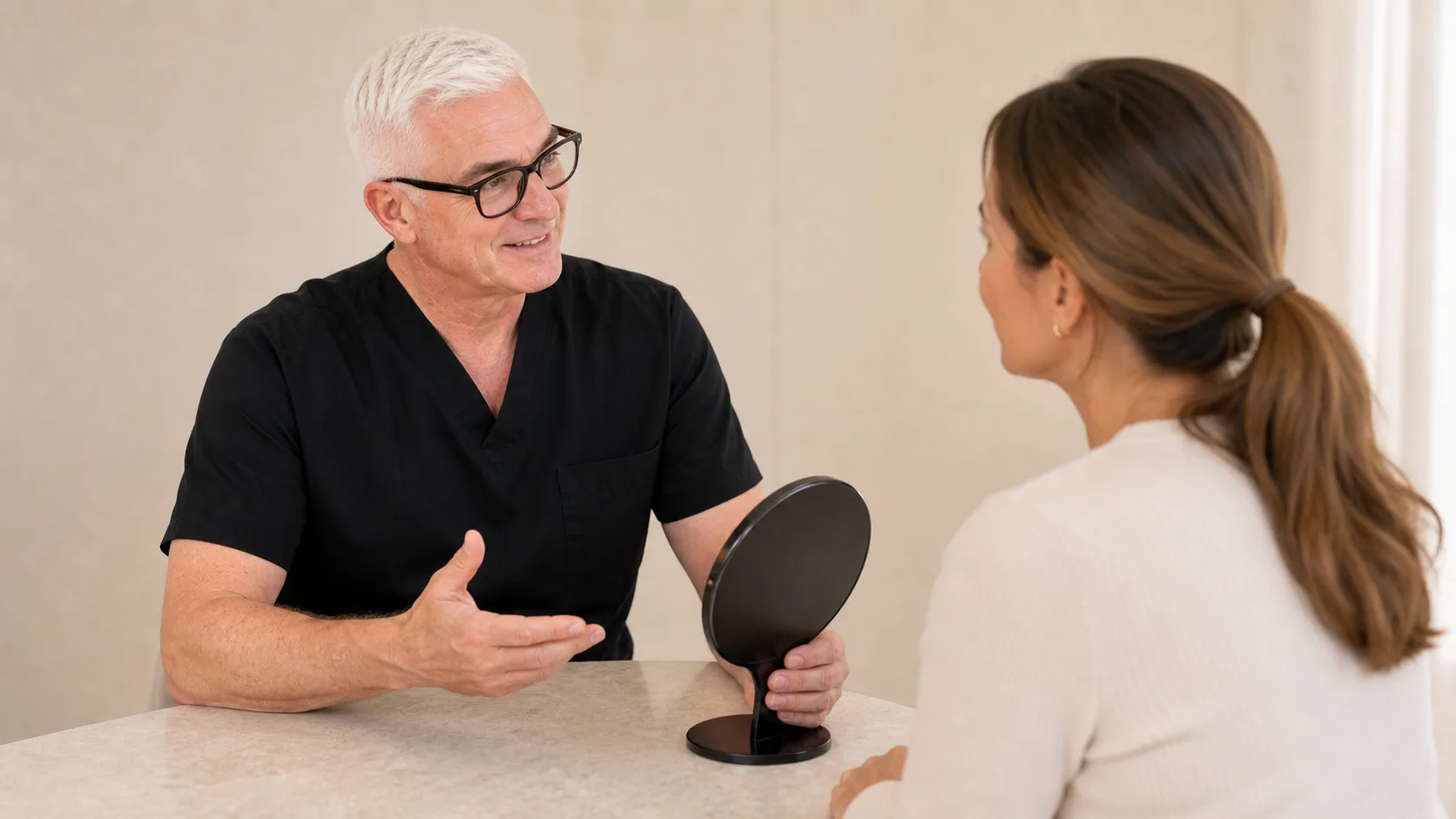
Bring the story, not a treatment decision
A short timeline is more useful than a polished explanation. Note when you first noticed the change, whether it appears at rest or in expression and whether weight, health, dental care, skin changes or previous cosmetic care may be relevant.
Bring a medicines list and any previous treatment details you have. A few consistent, unedited photographs can help show timing, but they do not replace an in-person assessment.
It also helps to name what you want to preserve. Corey can then understand the concern in the context of your natural expression and facial character.
What can your consultation clarify?
Is the cheek really leading the change?
Assessment can separate cheek shape and support from under-eye shadow, skin quality and broader facial balance.
Would an option be worth considering?
Corey explains what appears relevant, what remains uncertain and whether more time or another pathway would be more useful.
Can review stay connected?
If care is considered, the discussion includes timing, costs, questions and how you would return to Oakleigh if review is needed.
Camberwell is the starting point, not the clinical answer
Being able to reach Oakleigh may make assessment and later review more practical, but location does not determine suitability. Your anatomy, health context, previous care, preferences and capacity for informed consent guide the recommendation.
If you need to confirm the clinic details before making plans, use the contact page or verify Corey and the clinic.
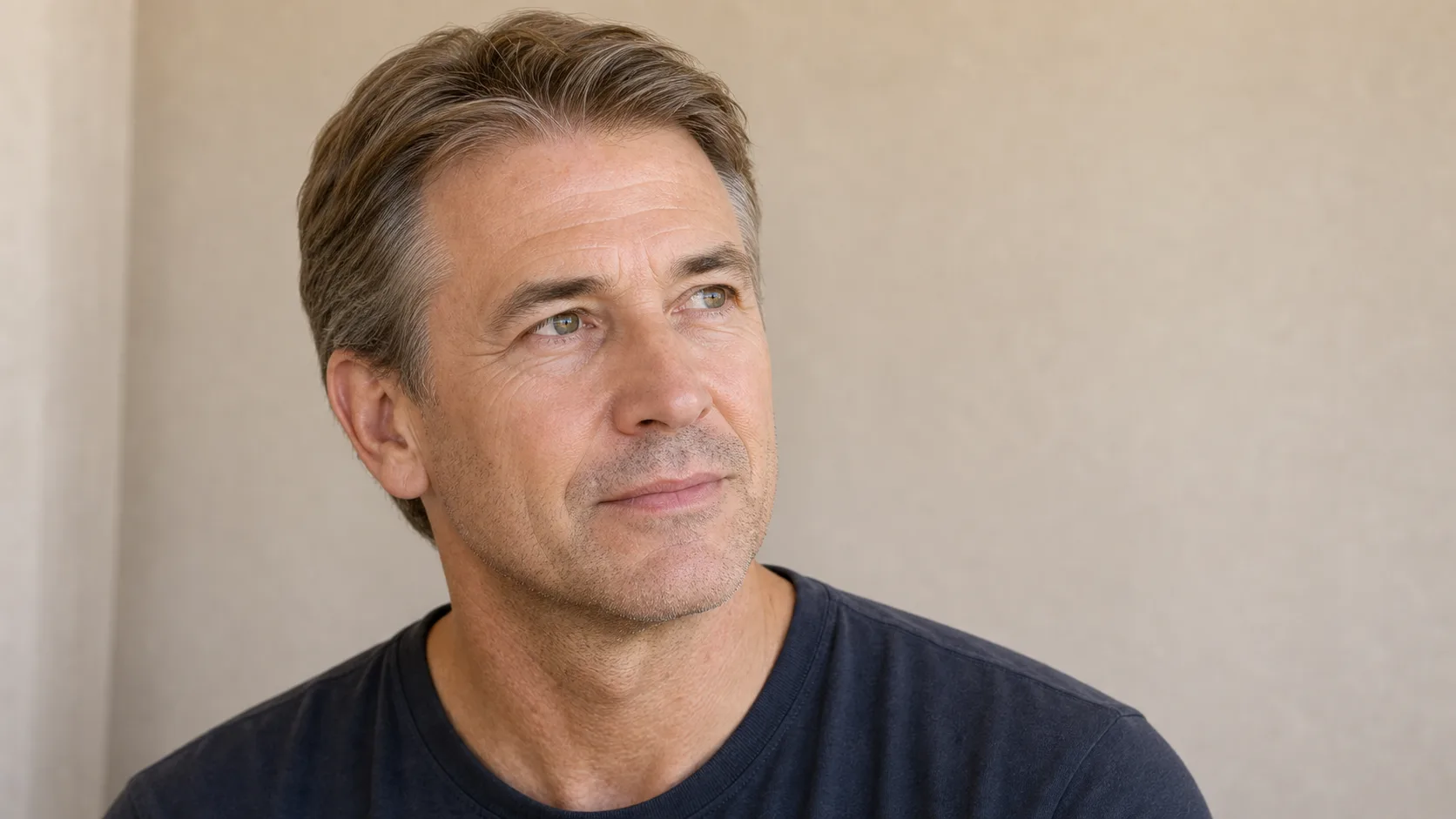
What Corey looks at through the midface
Corey compares the upper and middle cheek, the join beneath the eye, folds beside the mouth and lower-face balance. He also observes the area at rest and in expression, because lighting and movement can change the way a shadow reads.
The assessment includes skin quality, medical history, previous care, timing and your own priorities. These details help distinguish a cheek-focused question from one that may be better served by skin care, medical or dental review, more observation or no cosmetic care.
For the anatomy behind those observations, read how midface support can change.
When another next step makes more sense
Corey may recommend waiting when the concern is still changing, your history is incomplete, the skin is irritated or upcoming travel and commitments would make follow-up difficult. Referral may be more appropriate when the concern sits outside cosmetic nursing scope.
A sudden, painful, one-sided or otherwise unexplained facial change needs medical assessment rather than a routine cosmetic consultation. If you are well and the concern is stable, the Oakleigh visit can remain a calm information-first conversation.
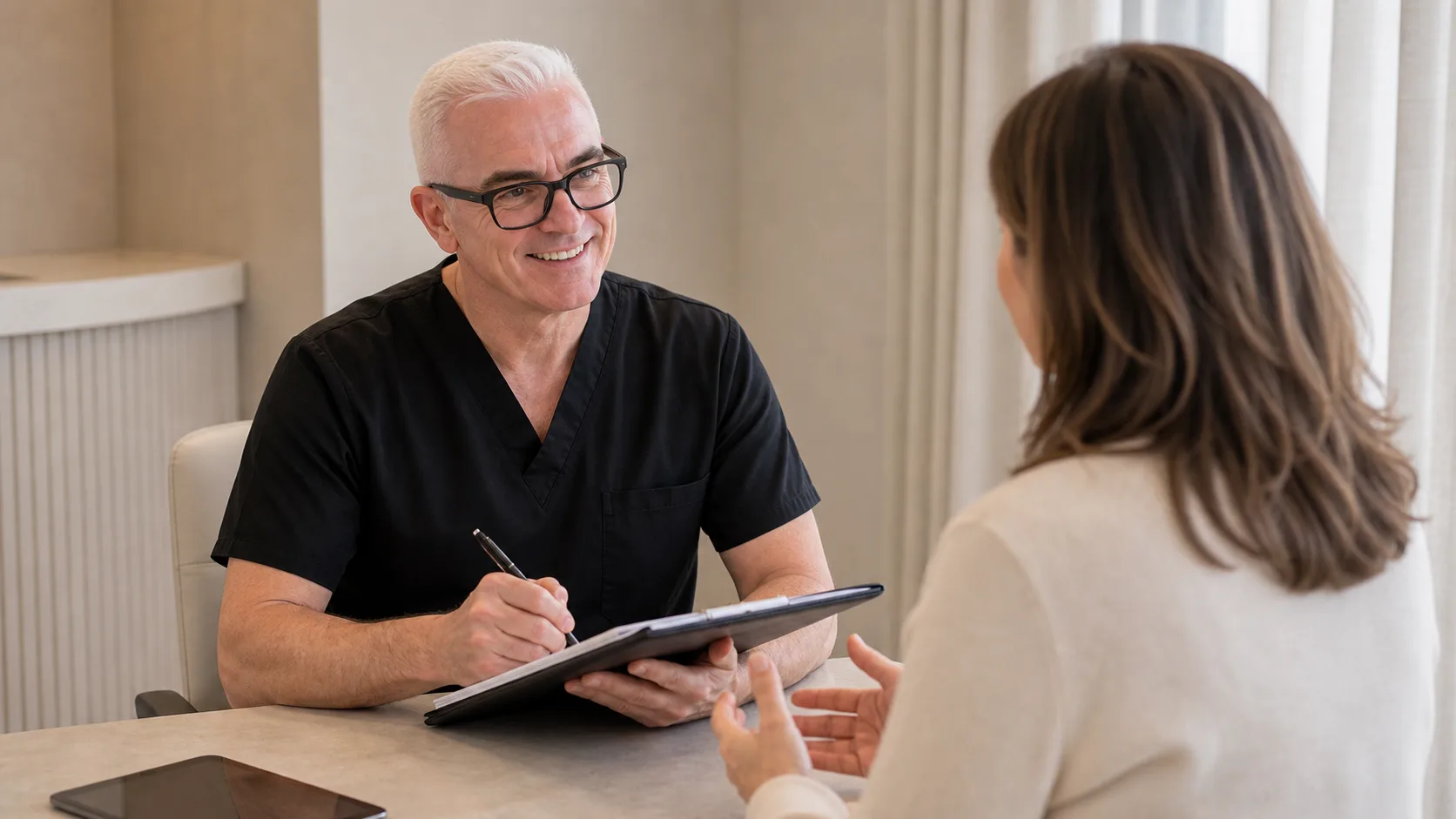
Plan your visit from Camberwell
Your appointment is a private conversation with Corey about what you have noticed, what matters to you and what would make the visit feel worthwhile.
Corey assesses the cheek in its wider facial context and explains whether an option, more time, referral or no cosmetic treatment is the most appropriate next step. If an option is suitable, material risks, alternatives and costs are discussed before you decide.
Come in with a question, leave with a clearer next step
You can use the appointment to understand the concern and your choices, without committing to cosmetic treatment.
Is this for you?
Consider booking a consultation if
- Adults near Camberwell wanting cheek and midface assessment before treatment discussion
- Patients who want consultation-first explanation of cheek support, skin quality, risk and consent
- People open to waiting, referral, review later or no treatment where that is safer
- Patients who want to verify Corey Anderson RN and the Oakleigh clinic before booking
This may not be for you if
- People seeking treatment without assessment, consent or risk discussion
- People with urgent medical symptoms, active infection, acute swelling or rapidly changing facial symptoms
- People wanting a fixed cosmetic change before facial structure and skin quality are assessed
- People seeking advice for someone who cannot provide informed consent for elective cosmetic care
Suitability is confirmed at consultation. This list is general guidance, not a substitute for clinical assessment.
Frequently asked questions
Who is this Camberwell cheek and midface local planning guide written for?
It is written for Camberwell readers who want to know whether Oakleigh is practical for cheek and midface assessment and how to prepare for the appointment.
How can I make a Camberwell visit more useful?
Bring a timeline, previous treatment records, useful photos, a medicines list, relevant health history and a clear note about what you want to avoid as well as what you hope to change.
What happens if treatment is not suitable after clinical assessment?
Corey may recommend waiting, review later, referral or no treatment. That can be the safest and most responsible outcome.
How is this different from the main cheek volume Melbourne local planning guide?
The main Melbourne page is broader. This Camberwell page is about practical access, what to bring and how to decide whether Oakleigh is the right next step.
How should I compare Camberwell with Consultation, Glen Iris, Murrumbeena and Malvern?
Choose the page that best matches your suburb, travel pattern and follow-up needs, then use the consultation page to decide whether the concern is ready for assessment.
Why does safety conversation matter for cheek and midface?
Because cheek and midface treatment can involve swelling, bruising, asymmetry, lumps, dissatisfaction and rare vascular issues, and those limits need to be discussed before any decision is made.
What could make clinical local planning discussion inappropriate?
Incomplete history, unresolved swelling, active change, poor follow-up access or a concern that does not actually fit cheek consultation can all make it better to wait or reconsider.
How do Camberwell people verify The Oakleigh clinic details?
Use the verify and contact pages to confirm the current address, phone number and practitioner details before you book.