Caulfield adults comparing Oakleigh from the station, campus or racecourse side should use the consultation to decide which options are worth exploring. Corey Anderson RN assesses cheek support, midface shape, under eye context, skin quality, previous treatment, timing, risks and review access before recommending any next step. Corey uses the assessment to compare suitable options for facial structure, skin quality and proportion, explain timing and agree the next step with you.
Start With A Finger, Not A Treatment Name
When you describe a cheek concern, point to where you first notice it. Is it high on the cheek, beneath the eye, beside the nose, through the centre of the face or near the fold toward the mouth? That first location gives Corey Anderson RN a more useful starting point than a treatment label.
Core Aesthetics is in Oakleigh, not Caulfield. This guide helps adults travelling from Caulfield prepare for an individual assessment of cheek structure, midface balance, skin and expression.
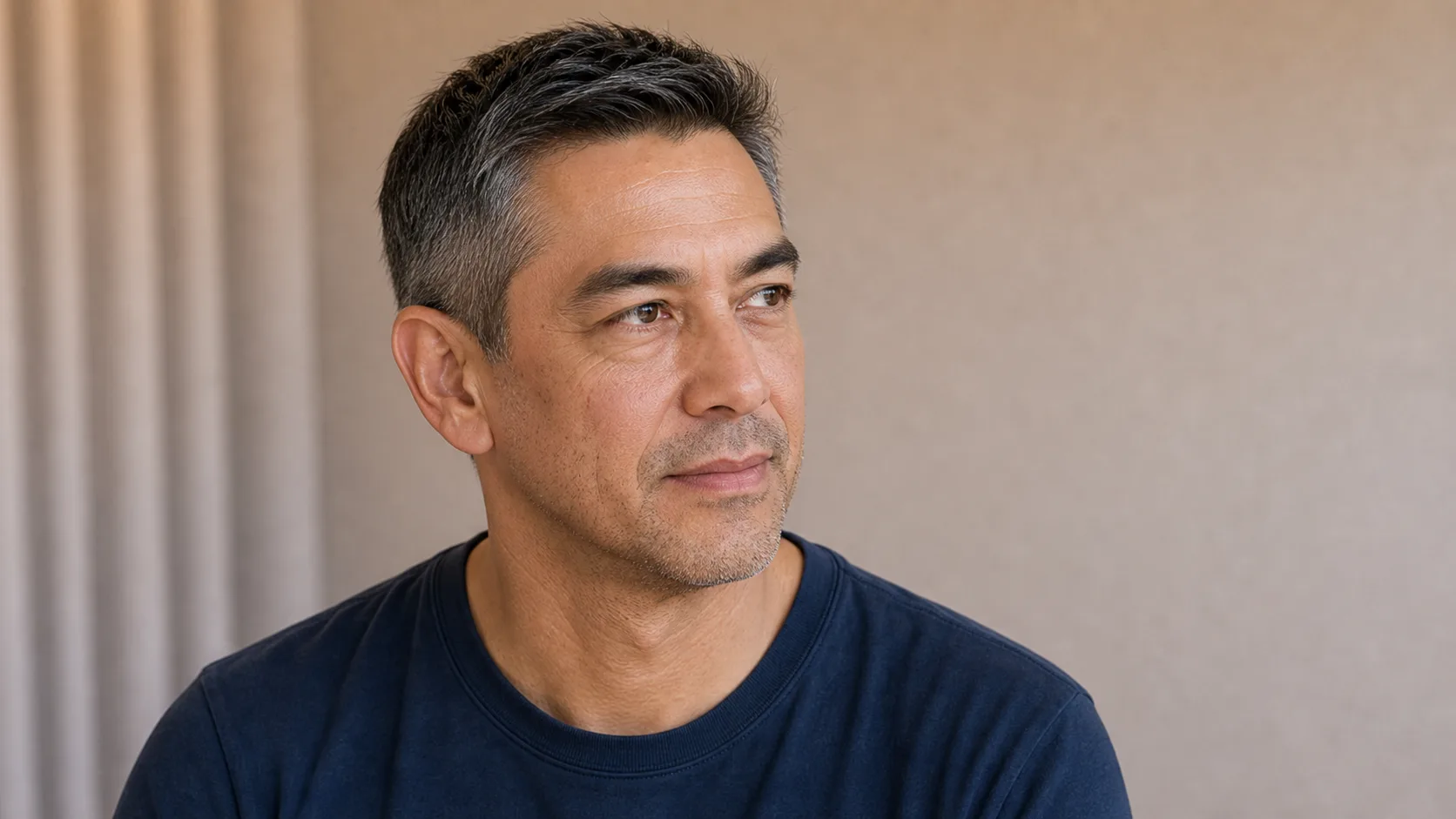
Trace The Concern In Four Steps
The consultation can follow one concern without assuming that every nearby feature needs attention.
| Step | Question to bring | What it helps separate |
|---|---|---|
| Locate | Where does my eye land first? | Upper cheek, central midface, under eye junction or lower fold. |
| Move | What changes when I smile or speak? | Resting structure from expression and muscle movement. |
| Preserve | What still looks like me? | Natural contour, animation and familiar side difference. |
| Context | When is it most noticeable? | Lighting, fatigue, weight change, skin quality and previous care. |
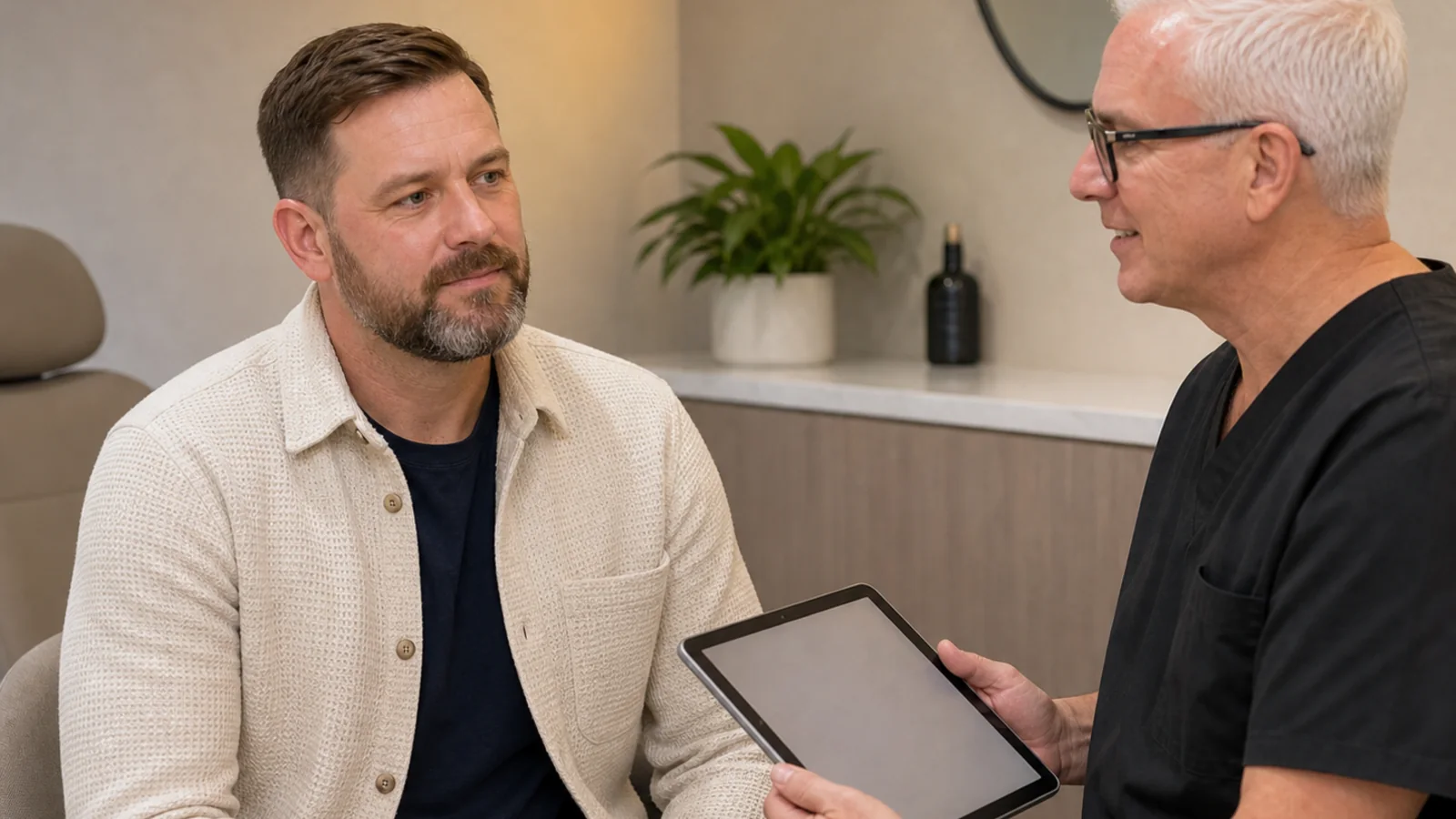
Why Location Changes The Conversation
“My cheeks look different” can describe several distinct observations. A high cheek contour is not the same question as an under eye junction, central flattening or a fold lower in the face. Corey maps the area you indicate and then considers the structures around it.
This prevents a broad request from becoming a broad plan. The assessment stays connected to the feature that matters to you.
What A Smile Can Reveal
A face is not assessed only at rest. Smiling, speaking and changing expression can alter cheek height, under eye shape and the way light crosses the midface. Tell Corey if the concern appears mainly in photographs, conversation or a neutral mirror view.
Movement also identifies features worth preserving. A familiar smile and natural animation can be part of the brief rather than an afterthought.
Build A Preservation List
Bring two or three things you do not want to lose: perhaps a defined cheek edge, a soft transition, your natural smile or a small difference between sides. These details make the discussion more precise.
A preservation list does not predict an outcome. It helps Corey understand your preferences alongside anatomy, health, previous care, risk and realistic limits.
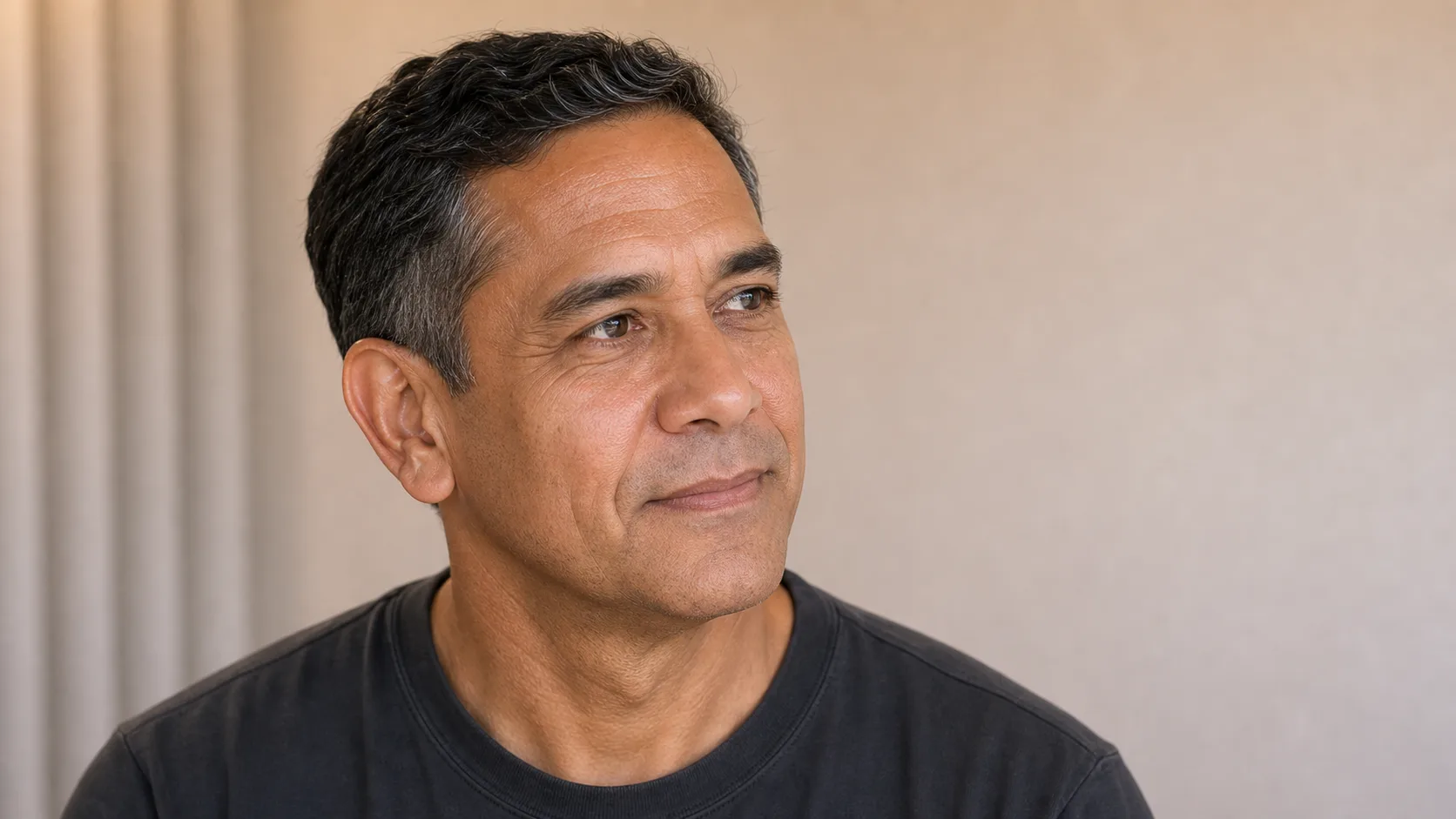
Separate Structure From Context
One observation can have more than one contributor. This comparison helps organise the history you bring.
| Observation | Useful context | Assessment focus |
|---|---|---|
| A fixed contour at rest | How long it has been present | Facial structure and proportion |
| A change with smiling | Which expressions reveal it | Movement and animation |
| A shadow that varies | Lighting, sleep and photography | Skin, surface and transitions |
| A change after earlier care | Dates, records and settling pattern | Current findings and clinical history |
How Corey Examines The Midface
Corey reviews the face from the front, side and angled views, at rest and in movement. The assessment can include cheek projection, the under eye junction, skin quality, symmetry, surrounding proportions and any relevant previous care.
Your medical history, medicines, allergies, pregnancy or breastfeeding status, dental context and previous reactions also belong in the consultation. These facts help shape an individual discussion of suitability.
Turn An Observation Into A Clinical Question
Try asking “what could be contributing to this transition?” rather than deciding the answer in advance. Corey can then explain which observations appear structural, which relate to skin or light, and which need further context.
Suitable care can be planned when individual assessment and informed consent support it. More information, adjusted timing, another clinical review or a different pathway can be incorporated when useful.
What To Bring From Home
Bring current medicines and supplements, relevant health history, dates and records of earlier cosmetic care, and the timing of travel or important events. A few ordinary photographs taken in different settings may help explain when the concern appears.
Choose images that clarify your observation rather than prescribe a result. Your own face, priorities and clinical findings remain the basis of the discussion.
Plan The Caulfield To Oakleigh Visit
Allow enough time for assessment and questions. Check the journey from your actual starting point in Caulfield and consider whether returning to Oakleigh for a planned review is practical.
Travel convenience can support good follow up, but it does not decide suitability. Contact the clinic if mobility, communication, support or scheduling needs should be considered before the appointment.
Choose The Next Guide By Question
Read the cheek volume consultation guide for the broader assessment process, midface change guide for anatomy, under eye and cheek comparison when the junction is central, and facial fat pad guide for structural education.
For practical preparation, use planning your visit, suitability assessment, patient safety and booking.
Understand Risks Without Losing The Main Question
A personal consent discussion may cover bruising, swelling, tenderness, asymmetry, infection, lumps, dissatisfaction, inflammatory reactions and uncommon vascular complications. Corey explains warning signs, aftercare and contact arrangements in the context of any option being considered.
Risk information supports a calm decision. It does not replace the original task of identifying what you see, what contributes to it and what you want to preserve.
Caulfield Cheek Consultation Questions
How do I describe where my cheek concern begins?
Point to the first place your eye lands and name whether it is high on the cheek, under the eye, through the central midface or closer to a lower fold. Corey can then examine that location and its neighbours.
Why does Corey assess my face while it moves?
Smiling and speaking can change cheek height, the under eye junction and how light crosses the face. Movement helps distinguish a resting contour from expression and identifies natural animation you may want to preserve.
What belongs on a preservation list?
List the features that still feel familiar, such as your smile, a defined cheek edge, a soft transition or natural difference between sides. This gives the consultation a clearer boundary as well as a goal.
Can lighting make a cheek concern look different?
Yes. Directional light, camera angle, fatigue and skin surface can change the visibility of shadows and transitions. Mention when the concern appears so Corey can compare context with the direct clinical examination.
Should I bring photographs to the consultation?
A few ordinary photographs can help show when an observation appears, particularly if it varies with lighting or expression. They are context for discussion, not a specification for a particular result.
What if I have had previous cosmetic care?
Bring dates, records and any details about settling, swelling, firmness or changes you noticed. Corey needs the current findings and clinical history before explaining which options or further information may be useful.
Can suitable care be planned at the appointment?
Suitable care can be planned when individual assessment and informed consent support it. More information, adjusted timing, another clinical review or a different pathway can be incorporated when useful.
Is Core Aesthetics located in Caulfield?
No. Core Aesthetics is in Oakleigh. Check the trip from your actual starting point and whether a return for planned review is practical. The Caulfield page is a local preparation guide, not a claim of a Caulfield clinic.
Is this for you?
Consider booking a consultation if
- Adults near Caulfield wanting cheek and midface assessment before treatment discussion
- Patients who want consultation first explanation of cheek support, under eye context, risk and consent
- People willing to consider how assessment, timing, follow-up and other clinical input shape the plan
- Patients who want to verify Corey Anderson RN and the Oakleigh clinic before booking
This may not be for you if
- People asking for a predetermined plan without assessment, consent or risk discussion
- People with urgent medical symptoms, active infection, acute swelling or rapidly changing facial symptoms
- People wanting a fixed cosmetic change before facial structure and skin quality are assessed
- People seeking elective cosmetic care for someone who cannot provide informed consent
Suitability is confirmed at consultation. This list is general guidance, not a substitute for clinical assessment.
Clinical references
- Ahpra guidelines for registered health practitioners who perform non surgical cosmetic procedures
- Ahpra advertising higher risk non surgical cosmetic procedures
- Ahpra public register of practitioners
- TGA advertising health services and cosmetic injections FAQ
- TGA advertising health services that involve therapeutic goods