
A gummy smile is the everyday name for a smile that shows more upper gum than a person expects or prefers. It describes what you can see, not why it happens. Upper lip movement, tooth and gum relationships, jaw proportions or a mix of factors may contribute, so the useful next step depends on the cause rather than the label.
The term describes a smile, not a problem
You may have noticed upper gum in photographs, while laughing or only when your smile is at its fullest. Some people have always smiled this way and feel entirely comfortable with it. Others simply want to understand what they are seeing.
The everyday term gummy smile, and the clinical phrase excessive gingival display, describe visible upper gum. Neither phrase tells you that anything is unhealthy, that care is needed or which feature is creating the appearance.
What can shape upper gum display?
The upper lip lifts higher
The amount and pattern of upper lip movement can change how much gum is visible between rest and a full smile.
The visible proportions differ
Tooth eruption, tooth length, gum level and gum health can all influence the balance you see.
The bite or jaw contributes
Tooth position, bite relationships and upper jaw proportions may be part of the wider picture.
A clinical review indexed by PubMed describes upper gum display as potentially multifactorial. More than one contributor can be present, which is why a single photograph cannot choose the right care pathway.
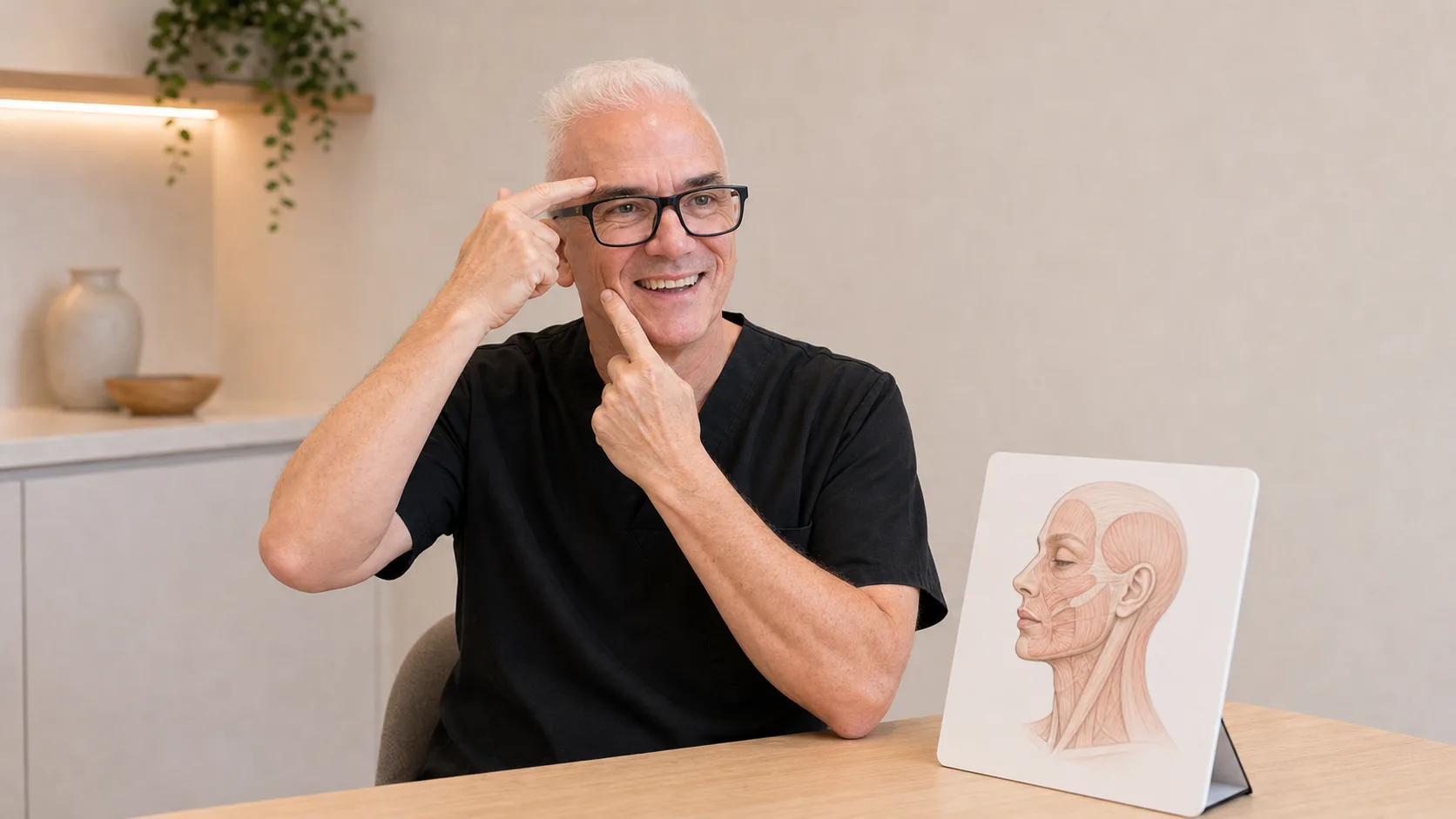
Start with the smile you recognise
One posed selfie rarely tells the whole story. Notice whether upper gum appears during an ordinary smile, only with a broad laugh, or mainly in one camera angle. It also helps to know whether the pattern is longstanding or has changed.
Corey compares your face at rest, while speaking and through a natural and fuller smile. He listens to what matters to you, then considers lip movement, comfortable lip closure, tooth and gum display, symmetry and wider facial proportions.
This explainer owns the meaning and cause map. If you want the appointment sequence, read what happens during a gummy smile consultation.
When your dentist is the better first call
Choose dental review first when you have swollen or bleeding gums, loose teeth, oral discomfort, a recent change after dental work, or questions about tooth position, tooth shape, gum level or bite. Healthdirect Australia advises seeing a dental professional promptly for swollen or bleeding gums or loose teeth.
A dental-first recommendation is useful direction. It does not dismiss the concern, and it does not prevent a later cosmetic conversation if the dental picture is settled.
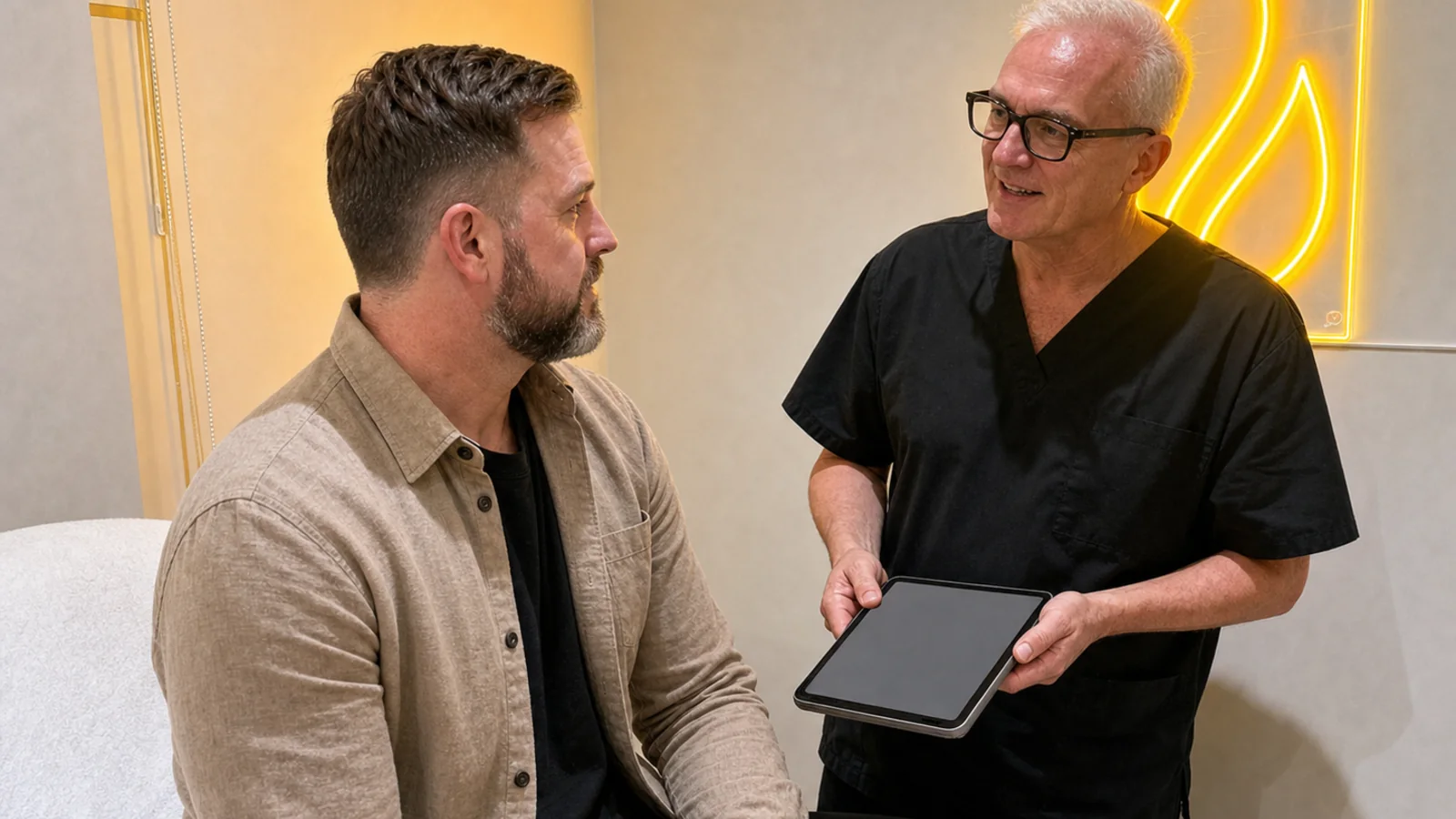
The cause guides the right care door
When gum health, tooth position, bite or jaw proportions appear central, a dentist, periodontist, orthodontist or maxillofacial professional may be the right person to assess that part of the picture. Core Aesthetics does not replace dental diagnosis or care.
When upper lip movement appears to be the main contributor and the dental context is settled, a consultation with Corey may help you understand whether an aesthetic discussion is reasonable. The appointment can also end with explanation only, referral, waiting or no treatment.
If your question is about available pathways rather than the meaning of the term, continue to what can help when upper gum shows.
Bring ordinary context, not a perfect smile photo
When you see it
Is the gum display present in a relaxed smile, a broad laugh or only certain photographs?
What has changed
Share whether it is longstanding and any recent dental, orthodontic or cosmetic care.
How your mouth feels
Mention gum bleeding, swelling, pain, bite concerns or difficulty closing the lips comfortably.
What you want to understand
You can ask for explanation without arriving committed to a procedure or even wanting a change.
A public guide has clear limits
This page can help you name the visible feature and understand the broad cause categories. It cannot diagnose gum health, determine the source from a selfie or confirm whether any cosmetic option is suitable.
Current TGA guidance supports consultation-focused public information without promoting prescription medicines. If a personal pathway is relevant, Corey discusses its material risks, alternatives, limits and costs privately after assessment.

What to expect when you visit
You will meet directly with Corey Anderson RN for a calm, private conversation about the smile you recognise and what you would like clarified.
Bring relevant dental or orthodontic history, current medicines and the questions you want answered. You can attend for information only, and no treatment is assumed.
Leave with a clearer picture of your smile
Meet Corey to understand what may be shaping the gum display and whether dental review, more time or a personal consultation pathway fits.
Is this for you?
Consider booking a consultation if
- Adults who want to understand why upper gum shows when smiling
- Readers deciding whether dental review or cosmetic consultation makes sense first
- Patients preparing specific questions before a gummy smile consultation
This may not be for you if
- People seeking a diagnosis from a public page
- People expecting the page to confirm treatment suitability
- People who are not adult patients
Suitability is confirmed at consultation. This list is general guidance, not a substitute for clinical assessment.
Frequently asked questions
What does gummy smile mean?
Gummy smile is a common term for showing more upper gum than expected or preferred when smiling. It describes the visible smile pattern, but it does not explain whether the driver is lip movement, gum level, tooth proportion or another factor.
Does a gummy smile always come from upper lip movement?
No. Upper lip movement is one contributor, but gum levels, tooth eruption, jaw pattern, dental position, gum health and mixed factors can also be involved.
When should dental review come first?
Dental or oral-health review may be the safer first step if gum inflammation, tooth-shape concerns, recent dental work, bite issues or uncertainty about gum health appear to be driving the picture.
Is gummy smile the same as a lip consultation question?
Not always. Some readers overlap with lip movement or lip support concerns, but gummy smile planning should still separate smile movement from dental, gum and structural contributors.
Can Corey recommend waiting, referral or no treatment?
Yes. Corey Anderson RN may recommend education only, waiting, another review pathway, dental referral or no cosmetic treatment if the cause is unclear, timing is poor or the likely benefit does not justify risk.
Can same day treatment be discussed?
Sometimes, but only after assessment, consent, risk discussion and Corey deciding that proceeding is clinically appropriate. Booking starts the consultation. It does not make treatment automatic or pre-decided.
What should I bring to a gummy smile consultation?
Bring details about previous cosmetic treatment, relevant dental or orthodontic work, current medicines, allergies, timing issues, upcoming events and the specific smile or gum-show concern you want clarified.
Is this personal medical advice?
No. This page provides general information for adults considering consultation. Personal advice requires assessment by an appropriately qualified health practitioner who can review your smile pattern, history, timing and whether another pathway makes more sense.
Clinical references
- Ahpra guidelines for registered health practitioners who perform non-surgical cosmetic procedures
- Ahpra guidelines for advertising higher risk non-surgical cosmetic procedures
- Ahpra public register of practitioners
- TGA advertising health services and cosmetic injections FAQ
- TGA advertising health services that involve therapeutic goods
- Excessive Gingival Display
- Gummy smile diagnosis and management approaches
- Gum disease
- Oral health and dental care in Australia