For a jaw muscle consultation near Cheltenham, build a four-step goal ladder: describe what you notice, explain why it matters in everyday life, name the appearance or function you want to keep unchanged, and state which answer would make the appointment useful. This distinguishes a request for information from a preselected treatment request. Corey Anderson RN then assesses lower face proportions, jaw movement, chewing muscle, dental and medical history, medicines, previous care, symptoms, risks and review access. Suitable care can be planned when individual assessment and informed consent support it.
Why Use A Goal Ladder?
A broad request such as making the jaw smaller can hide several different concerns. A goal ladder slows the wording down until appearance, comfort, function and uncertainty are clear.
It does not require you to know the cause or choose an option before assessment.
What Are The Four Steps?
| Step | Prompt | Purpose |
|---|---|---|
| Notice | What exactly do you see or feel? | Locates the concern |
| Meaning | Why does it matter in everyday life? | Clarifies personal relevance |
| Preserve | What must remain unchanged? | Protects appearance and function priorities |
| Useful answer | What do you need to understand today? | Defines a successful consultation |
How Do You Describe What You Notice?
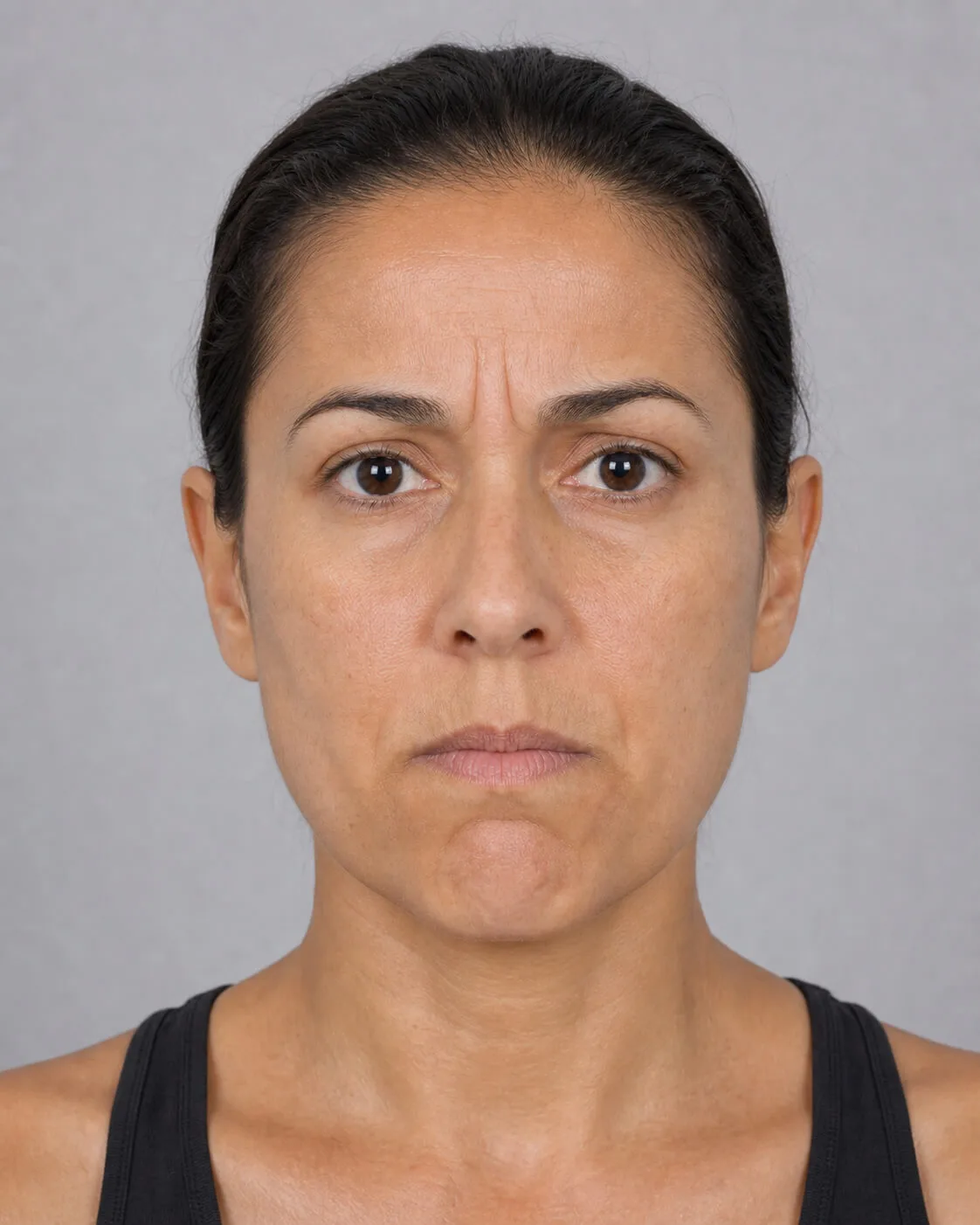
State whether the concern is width, side difference, a change during clenching, tiredness, tenderness or another observation. Point to the location and say whether it occurs at rest, during activity or both.
Plain language is preferable to a diagnosis selected online.
Why Does The Concern Matter To You?
The reason may relate to photographs, facial proportion, comfortable chewing, concentration, sleep, a dental conversation or simply wanting an explanation. Different reasons lead to different assessment questions.
No reason needs to be exaggerated to deserve a careful discussion.
What Do You Want To Keep Unchanged?
Name the natural lower face shape, familiar side difference, chewing comfort, speech, smile or other function you value. Preservation is part of the goal, not an afterthought.
Corey can use these priorities when discussing proportional limits and whether a pathway fits.
Which Answer Would Make The Visit Useful?
You may want to know whether muscle contributes to width, whether jawline or chin context matters, how dental history fits, what risks apply or which review pathway is appropriate.
A consultation can be useful when it produces a clear explanation, even before any care is selected.
How Does Corey Test The Goal?
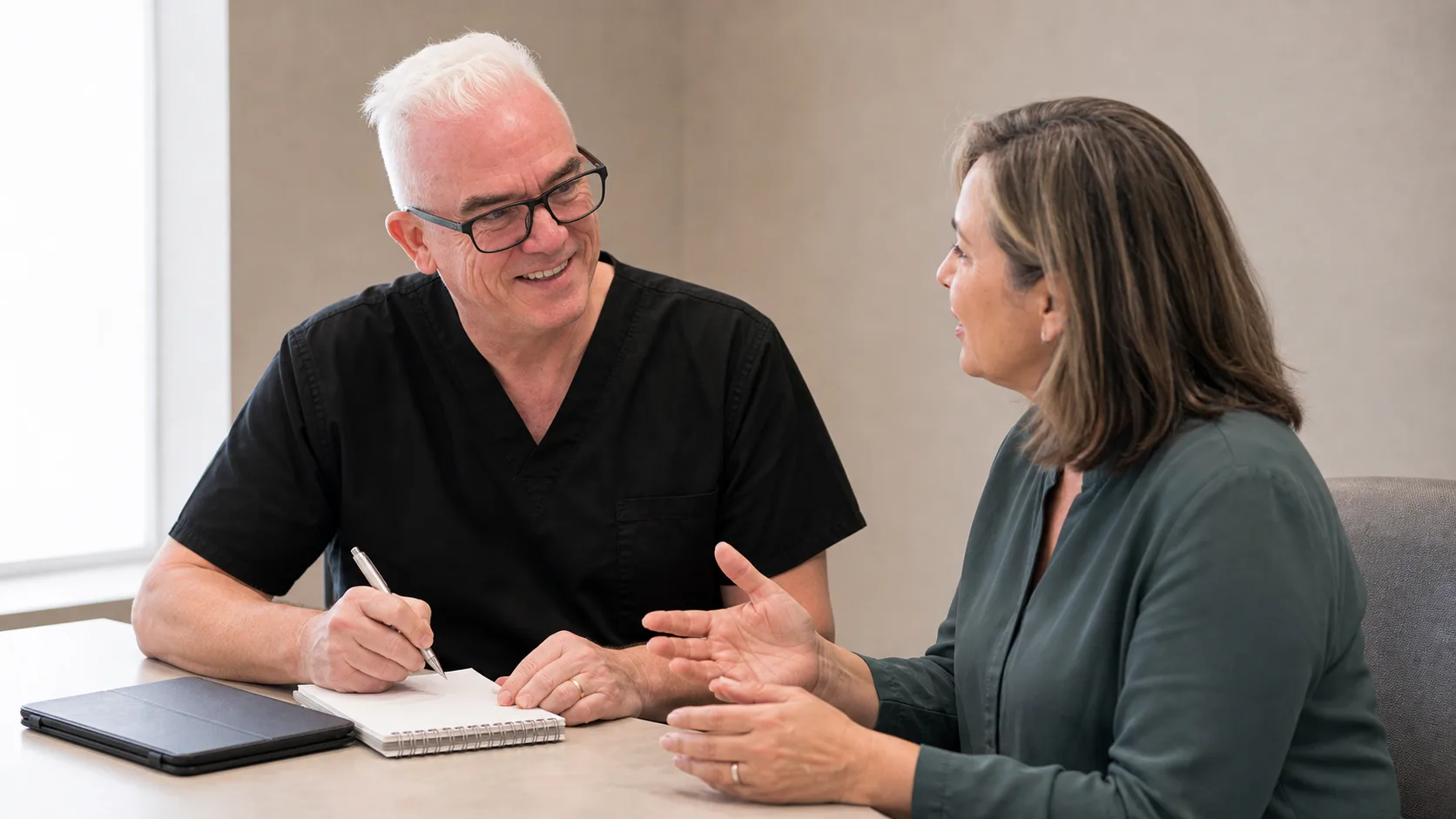
Corey compares the goal with the lower face at rest and during comfortable jaw movement. He considers chewing muscle prominence, jaw and chin structure, skin, soft tissue, side difference and relevant dental context.
If the initial wording points to another area or clinical discipline, that information improves the goal rather than invalidating it.
Which History Supports The Goal?
Bring current medicines and supplements, allergies, relevant health and dental history, mouthguard information and previous cosmetic care with approximate dates. Mention pain, clicking, locking, bite change, tooth wear, headache, swelling or altered sensation where relevant.
Available dental advice or treatment records can be incorporated without allowing records to replace direct assessment.

Cheltenham Jaw Goal Questions
What are the four steps in the jaw goal ladder?
Describe what you notice, explain why it matters, name what appearance or function must remain unchanged and state which answer would make the consultation useful. The sequence turns a broad request into an assessable question.
How specific should the first step be?
State whether you notice width, side difference, change during clenching, tiredness, tenderness or another feature. Point to the location and say whether it occurs at rest, during activity or both.
Why does the personal meaning matter?
A concern linked with photographs, proportion, chewing, concentration, sleep or a dental discussion raises different questions. Understanding its everyday relevance helps Corey focus assessment without asking you to exaggerate it.
What can I ask to preserve?
You can name a familiar lower face shape, natural side difference, chewing comfort, speech, smile or another valued function. Preservation priorities help frame proportional limits and consent.
What counts as a useful consultation answer?
It may clarify whether muscle contributes to width, whether jawline or chin context matters, how dental history fits, which risks apply or what review pathway is appropriate. Clarity itself can be useful.
What if assessment changes my original goal?
That is a normal part of consultation. Direct assessment may show that another area, more information or another clinical discipline belongs in the discussion. The revised goal should be explained clearly and agreed with you.
Is Core Aesthetics located in Cheltenham?
No. Core Aesthetics is in Oakleigh. Check the journey from your actual starting point and whether returning for planned review is practical. This page does not imply the clinic operates in Cheltenham.
Which Guide Matches The Goal?
Read the Melbourne jaw muscle guide for the broad service question, masseter muscle explained for anatomy, the Cheltenham jawline guide when border or previous care is central, and the suitability guide for assessment process.
This page provides general education and does not diagnose a jaw concern, replace dental or medical care, confirm suitability or provide urgent advice. These cosmetic procedure guidelines inform the consultation process. See the Ahpra guidelines for registered health practitioners who perform non-surgical cosmetic procedures and the TGA guidance for advertising health services involving therapeutic goods.
Is this for you?
Consider booking a consultation if
- Adults who want jaw muscle, lower face, jawline, chin and dental context assessed before treatment discussion
- Patients with clenching or grinding history who understand dental boundaries may matter
- Patients with previous treatment who may need records review, waiting or original clinic review
- People open to exploring jaw movement, muscle function and lower-face balance, suitable options, timing and review needs
This may not be for you if
- People asking for a predetermined plan without assessment, consent or risk discussion
- People seeking a fixed lower face change before consultation
- People wanting public prescription product advice or product led recommendations
- People with urgent dental, medical, infection, pain or jaw symptoms who need appropriate medical or dental care
Suitability is confirmed at consultation. This list is general guidance, not a substitute for clinical assessment.