For a jaw muscle consultation near Clayton, build the assessment from four evidence sources: what you feel, what can be observed, relevant dental history and direct clinical examination. Tightness does not by itself explain lower face width, and a photograph cannot establish how the jaw functions. Corey Anderson RN combines symptoms, movement, masseter activity, facial structure, dental advice, health, medicines, previous care, risks and the features you want to preserve. Suitable care can be planned when individual assessment and informed consent support it, with dental or medical input incorporated when useful.
Why Use More Than One Source Of Evidence?
Jaw muscle concerns can mix appearance, sensation and function. One clue may be accurate but incomplete when considered alone.
Bringing several sources together helps distinguish a cosmetic question from a dental, jaw joint or broader health concern.
What Are The Four Evidence Sources?
| Source | What it contributes | What it cannot decide alone |
|---|---|---|
| Felt experience | Tightness, fatigue, tenderness or no symptoms | The tissue causing lower face width |
| Visible observation | Resting outline and change with activation | Comfort, diagnosis or treatment suitability |
| Dental history | Grinding, tooth wear, bite change and prior advice | The complete cosmetic assessment |
| Direct examination | Movement, muscle location, structure and current findings | Personal priorities without your input |
What Does Felt Experience Add?
Describe tightness, fatigue, tenderness, headache, chewing discomfort or the absence of symptoms in your own words. Include when it occurs, how long it lasts and what seems to bring it on.
A sensation is important evidence, but similar sensations can have different explanations and require appropriate assessment.
What Can Visible Observation Show?
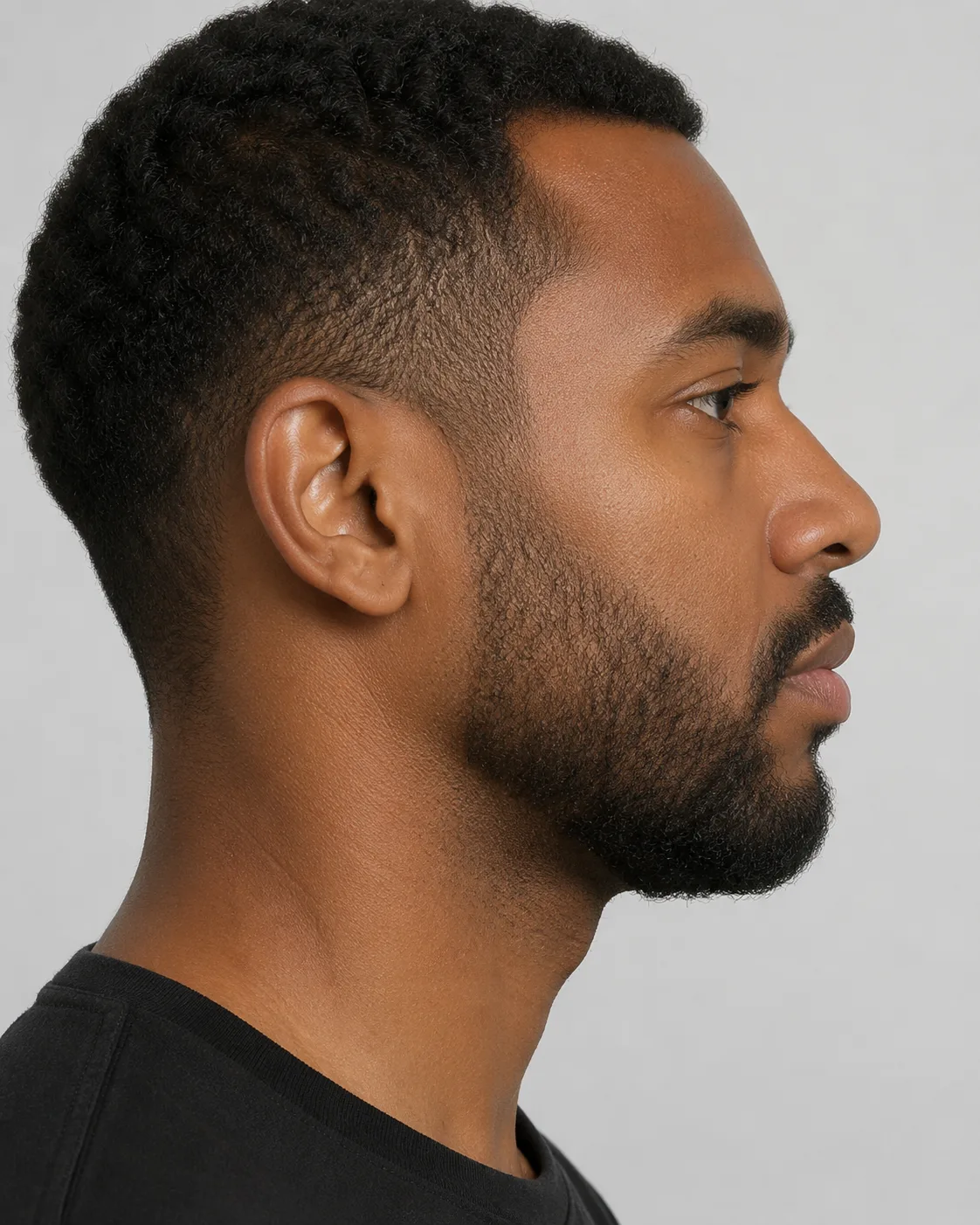
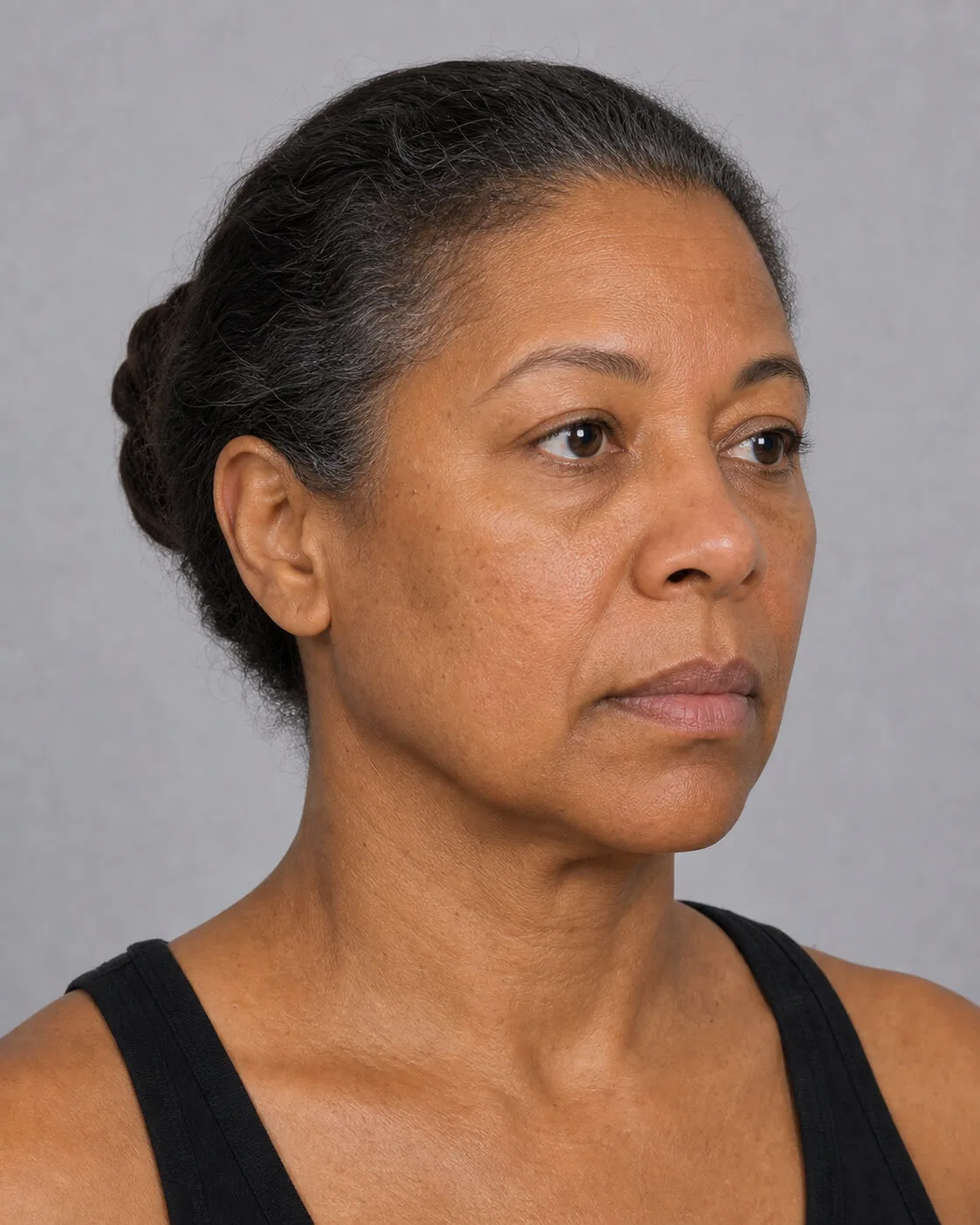
Photographs and mirror observations can show lower face width, natural side differences and whether the jaw angle changes with comfortable muscle activation. Use ordinary light and a relaxed head position.
Images cannot show pain, tooth wear, movement quality or the full clinical context, so they remain one source rather than the conclusion.
What Does Dental History Contribute?
Relevant history may include grinding, clenching, tooth wear, bite changes, mouthguard use, recent dental work and advice from a dentist. Bring records that are already available when they help explain the sequence.
Cosmetic consultation does not replace dental diagnosis or management. Corey incorporates existing advice and explains when further input would be useful.
What Happens During Direct Assessment?
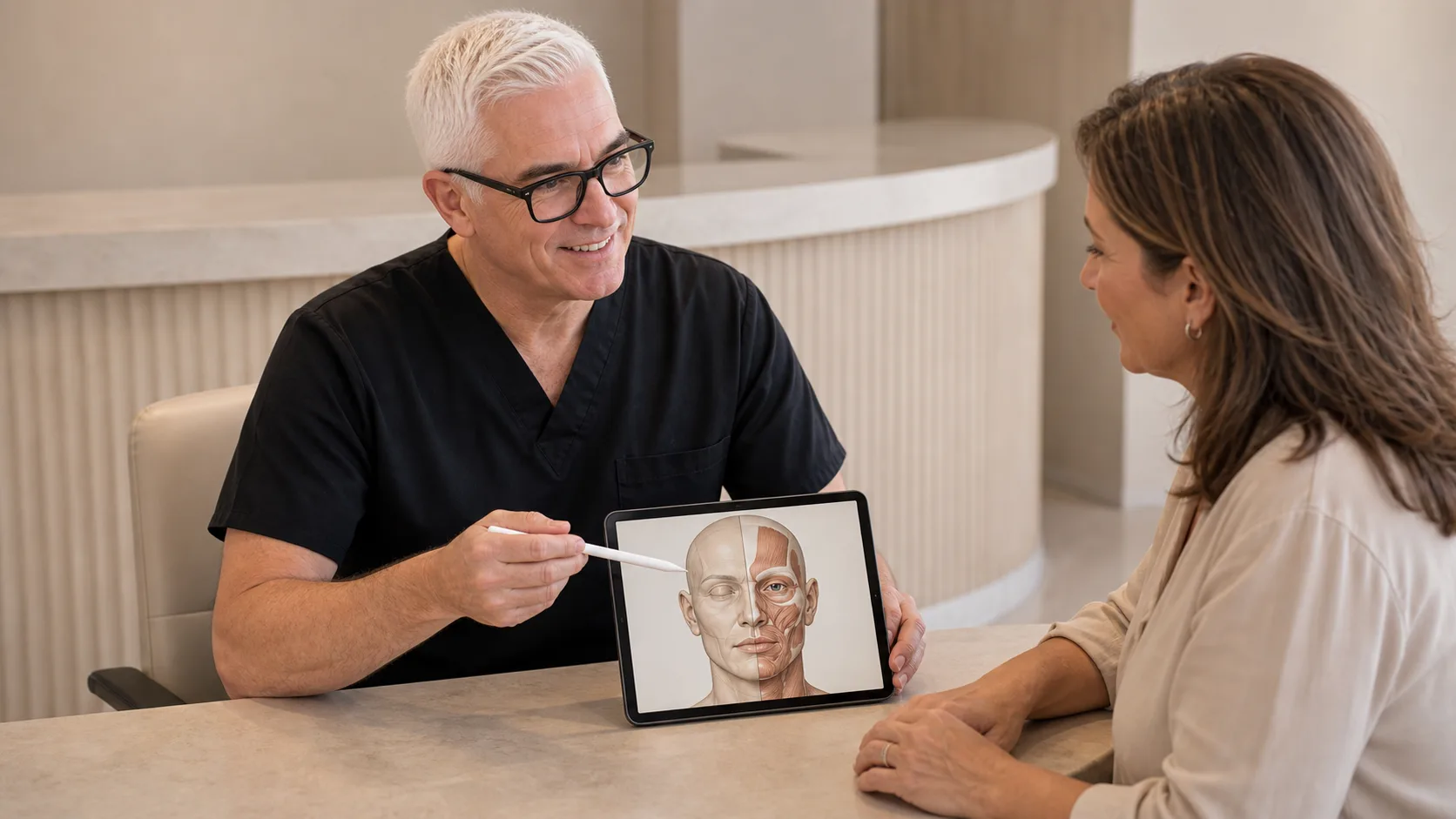
Corey observes the lower face at rest, guides comfortable activation when useful and considers jaw opening, symmetry, masseter location, facial structure and skin. The assessment is not a maximum strength test.
He combines what he finds with your history and priorities instead of treating examination as separate from your lived experience.
What If The Evidence Sources Do Not Agree?
You may feel tightness without obvious width change, or notice width without pain or dental symptoms. A photograph may also differ from what Corey observes in person.
Disagreement is useful information. It can narrow the question, identify missing history and prevent one clue from being overinterpreted.
Which Clues Need Prompt Clinical Context?
Describe pain, swelling, locking, clicking, restricted opening, bite change, tooth damage, altered sensation or another sudden or unfamiliar change. Do not rely on a cosmetic webpage to interpret these symptoms.
Corey can incorporate appropriate dental, medical or other clinical input into the consultation pathway when useful.
Clayton Jaw Muscle Evidence Questions
What are the four jaw muscle evidence sources?
They are what you feel, what can be observed, relevant dental history and direct clinical examination. Each contributes different information about appearance, symptoms and function, while none can determine the complete answer by itself.
Can I have jaw tightness without visible muscle prominence?
Yes. Felt tightness and visible lower face width do not always occur together. Describe timing, triggers and associated symptoms so Corey can combine your experience with movement, examination and any relevant dental or medical context.
Can photographs diagnose a jaw muscle concern?
No. Photographs can show resting outline, side differences and visible change with activation, but they cannot show pain, tooth wear, movement quality or diagnosis. They are useful history when interpreted alongside direct assessment.
What dental information should I bring?
Bring relevant advice about grinding, clenching, tooth wear, bite changes, mouthguard use and recent dental work. Existing records may help establish sequence, but you do not need to arrange new tests simply to prepare for this consultation.
What if the evidence sources disagree?
Disagreement can be useful. Tightness without width, width without symptoms or a photograph that differs from direct observation can narrow the question and show why one clue should not be overinterpreted.
Which symptoms need clear clinical context?
Mention pain, swelling, locking, clicking, restricted opening, bite change, tooth damage, altered sensation or another sudden or unfamiliar change. Appropriate dental, medical or other clinical input can be incorporated when useful.
Is Core Aesthetics located in Clayton?
No. Core Aesthetics is an independent clinic in nearby Oakleigh. Check your journey from the actual starting point and whether returning for planned review is practical. The local page does not imply affiliation with Clayton institutions.
Where Can You Continue The Jaw Muscle Discussion?
Read the Melbourne jaw muscle guide, masseter muscle explanation, Clayton jawline layer guide and suitability guide.
This page provides general education and does not diagnose a jaw, dental or medical concern, confirm suitability or replace personal advice. These cosmetic procedure guidelines inform the consultation process. See the Ahpra guidelines for registered health practitioners who perform non-surgical cosmetic procedures and the TGA guidance for advertising health services involving therapeutic goods.
Is this for you?
Consider booking a consultation if
- Adults who want jaw muscle, lower face, jawline, chin and dental context assessed before treatment discussion
- Patients with clenching or grinding history who understand dental boundaries may matter
- Patients with previous treatment who may need records review, waiting or original clinic review
- People willing to consider how assessment, timing, follow-up and other clinical input shape the plan
This may not be for you if
- People asking for a predetermined plan without assessment, consent or risk discussion
- People seeking a fixed lower face change before consultation
- People wanting public prescription product advice or product led recommendations
- People with urgent dental, medical, infection, pain or jaw symptoms who need appropriate medical or dental care
Suitability is confirmed at consultation. This list is general guidance, not a substitute for clinical assessment.