For a jaw muscle consultation near Mount Waverley, describe four parts of the pattern: where you notice it, when it occurs, what activity or situation brings it on and how it settles afterwards. This separates a constant appearance concern from effort, discomfort or change linked with chewing, clenching, waking, stress or recent dental care. Corey Anderson RN combines your account with lower face proportions, jaw movement, chewing muscle activity, dental and medical history, medicines, previous care, risks and the features you want to preserve. Suitable care can be planned when individual assessment and informed consent support it.
Why Map The Pattern Before The Appointment?
Jaw width, effort and discomfort are not interchangeable concerns. A short pattern map helps Corey understand whether you are describing appearance at rest, muscle activity, a symptom or a recent change.
You do not need to diagnose the cause. Plain observations are more useful than a label chosen online.
What Are The Four Questions?
| Question | Useful detail | Example |
|---|---|---|
| Where? | Point to the exact area and side | Near the jaw angle on the right |
| When? | Note time, frequency and duration | Most noticeable after dinner |
| Trigger? | Name the activity or context | Chewing firm food or concentrating |
| Recovery? | Describe what happens next | Settles gradually once the jaw relaxes |
Where Do You Notice The Concern?
Use one finger to indicate the area rather than saying the whole jaw. The jaw angle, side of the cheek, joint area, teeth and temple describe different locations and may involve different clinical boundaries.
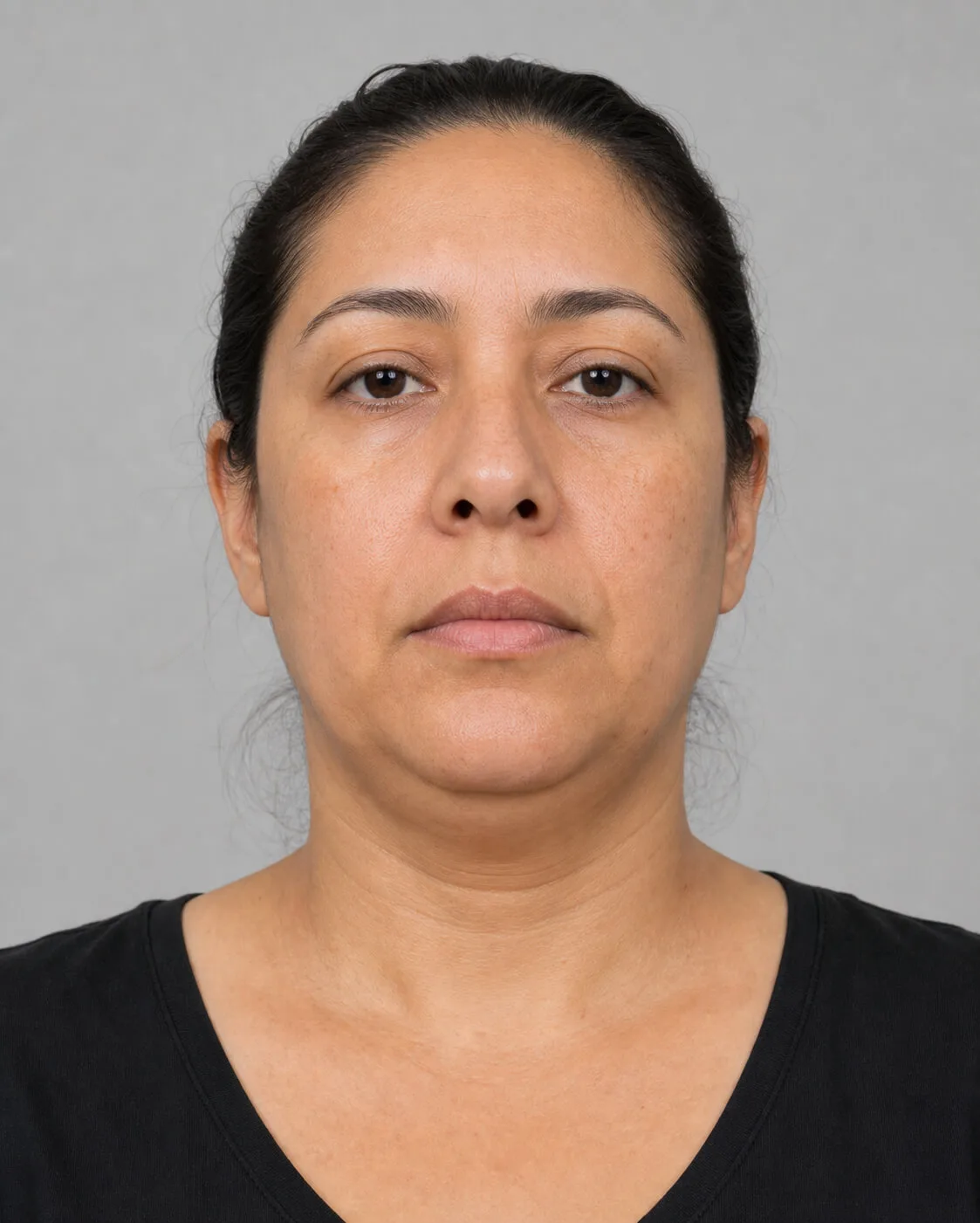
Note whether the same place is involved on both sides. Natural side difference is common and must be assessed directly.
When Is It Most Noticeable?
Record whether the concern is present at rest, appears during activity, is noticed on waking or becomes clearer later in the day. Frequency and duration matter more than an exact daily count.
A stable long standing width concern has a different history from a new or rapidly changing symptom.
What Brings The Pattern On?
Possible contexts include chewing, prolonged conversation, exercise, concentration, stress, sleep, mouthguard use or recent dental care. A trigger is a clue for discussion, not proof of a diagnosis.
Include ordinary activities that do not affect the concern. That contrast can be as informative as the trigger itself.
How Does It Settle Afterwards?
Describe whether the area returns to its usual state quickly, remains tired, feels different for hours or looks unchanged. Mention anything you normally do and whether it alters the pattern.
Recovery information helps distinguish a momentary effort from a persistent change and supports appropriate review planning.

How Does Corey Test The History Against Assessment?
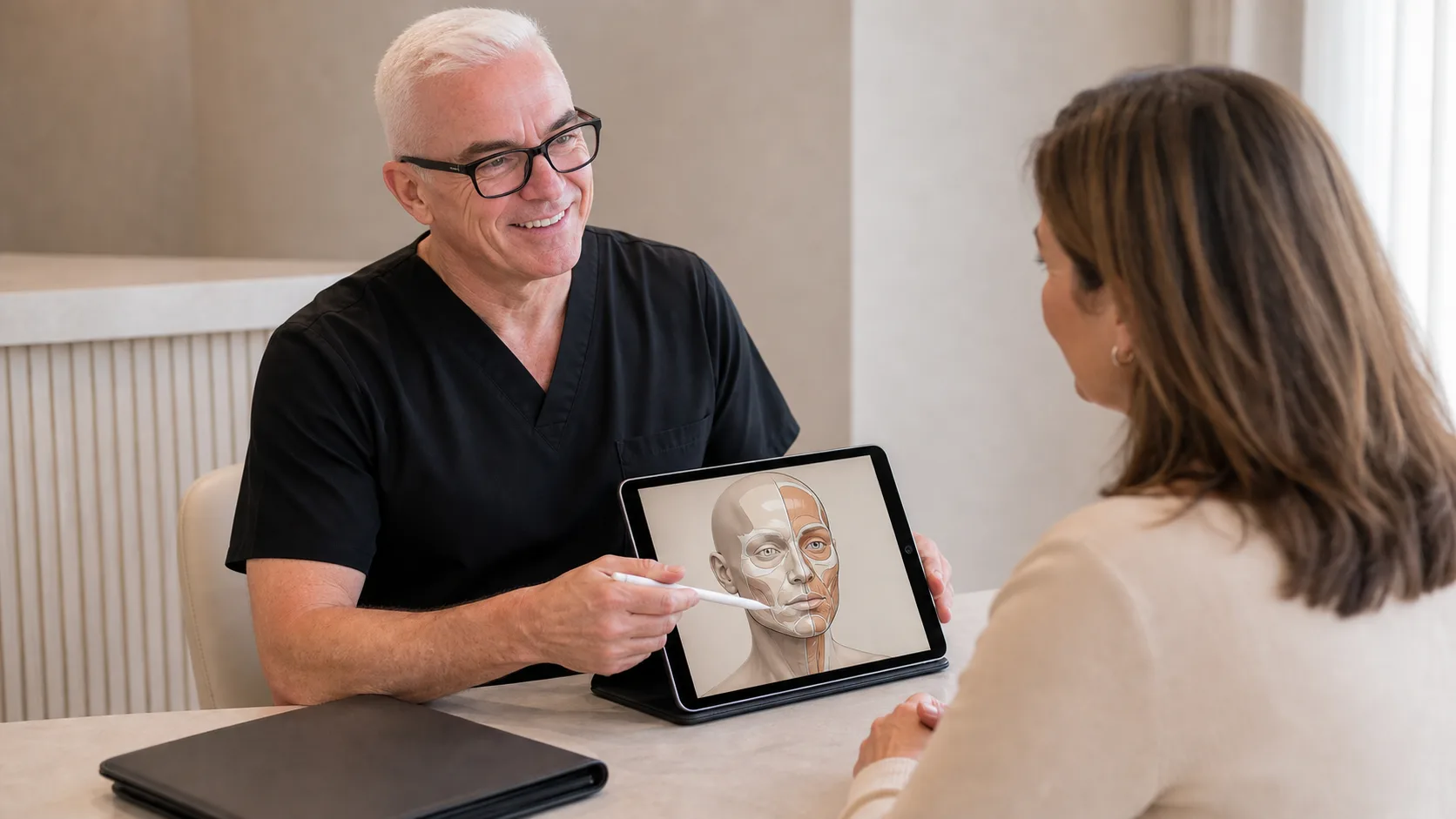
Corey compares your account with the lower face at rest and during comfortable jaw movement. He considers chewing muscle prominence, jaw and chin structure, soft tissue, side difference and relevant dental context.
The aim is to find which observations agree, which need clarification and which belong with another qualified clinician.
Which Details Should Come With The Map?
Bring current medicines and supplements, allergies, relevant health and dental history, mouthguard information and previous cosmetic care with approximate dates. Include recent dental work and any available advice or records that relate to the concern.
Mention pain, locking, clicking, bite change, tooth damage, swelling, headache, altered sensation or an unfamiliar rapid change so suitable clinical input can be incorporated.
Mount Waverley Jaw Pattern Questions
What are the four questions in a jaw pattern map?
The questions are where you notice the concern, when it occurs, what activity or situation triggers it and how it settles afterwards. The map gives Corey a clear history without asking you to diagnose yourself.
How precisely should I describe the location?
Point to the smallest area you can identify and note the side. Jaw angle, cheek, joint area, teeth and temple are different locations. If the area is broad or moves, describe that plainly.
Why does the time of day matter?
Timing can distinguish a constant appearance concern from a pattern noticed on waking, during activity or later in the day. Frequency and duration also help Corey understand what needs direct assessment or other input.
Does a trigger reveal the cause?
No. Chewing, concentration, stress, sleep or recent dental care can provide useful context, but a trigger does not prove a diagnosis. Corey considers it beside examination, health history and dental context.
What does recovery mean in this framework?
Recovery describes what happens after the trigger ends. Note whether the area settles quickly, remains tired, feels different for hours or does not change. You do not need to provoke the concern before attending.
What symptoms should I mention?
Mention pain, locking, clicking, bite change, tooth damage, swelling, headache, altered sensation or a rapid unfamiliar change. Cosmetic consultation does not replace dental, medical or urgent assessment when those services are relevant.
Is Core Aesthetics located in Mount Waverley?
No. Core Aesthetics is in Oakleigh. Check the journey from your actual starting point and whether returning for planned review is practical. This page does not imply that the clinic operates in Mount Waverley.
Which Jaw Guide Should You Read Next?
Read the Melbourne jaw muscle guide for the broad service question, masseter muscle explained for anatomy, the Mount Waverley jawline guide for the lower face border, and the suitability guide for the assessment process.
This page provides general education and does not diagnose a jaw concern, replace dental or medical care, confirm suitability or provide urgent advice. These cosmetic procedure guidelines inform the consultation process. See the Ahpra guidelines for registered health practitioners who perform non-surgical cosmetic procedures and the TGA guidance for advertising health services involving therapeutic goods.
Is this for you?
Consider booking a consultation if
- Adults who want jaw muscle, lower face, jawline, chin and dental context assessed before treatment discussion
- Patients with clenching or grinding history who understand dental boundaries may matter
- Patients with previous treatment who may need records review, waiting or original clinic review
- People open to exploring jaw movement, muscle function and lower-face balance, suitable options, timing and review needs
This may not be for you if
- People asking for a predetermined plan without assessment, consent or risk discussion
- People seeking a fixed lower face change before consultation
- People wanting public prescription product advice or product led recommendations
- People with urgent dental, medical, infection, pain or jaw symptoms who need appropriate medical or dental care
Suitability is confirmed at consultation. This list is general guidance, not a substitute for clinical assessment.