For a jaw muscle consultation near Notting Hill, compare the left and right sides across four questions: how they look at rest, how they change during comfortable activation, whether symptoms favour one side and whether dental history explains a pattern. Natural asymmetry is common, and a stronger sensation does not automatically mean a larger muscle. Corey Anderson RN combines the comparison with jaw movement, facial structure, health, medicines, previous care, risks and the features you want to preserve. Suitable care can be planned when individual assessment and informed consent support it, with dental or medical input incorporated when useful.
Why Compare The Two Sides?
Chewing preference, dental history, natural structure and muscle use can differ between sides. Small visual and functional differences are common.
A side comparison documents the pattern without treating perfect symmetry as the goal or assuming the more noticeable side is abnormal.
What Belongs In A two side Check?
| Comparison | Left and right observation | What it adds |
|---|---|---|
| Rest | Baseline width and jaw angle | Shows the unposed lower face outline |
| Comfortable activation | Location and degree of muscle prominence | Shows how each masseter works visibly |
| Symptoms | Tightness, tenderness, fatigue or no difference | Adds lived functional context |
| Dental history | Chewing side, tooth work, wear and bite advice | Places the pattern beside relevant care |
How Should The Sides Be Viewed At Rest?
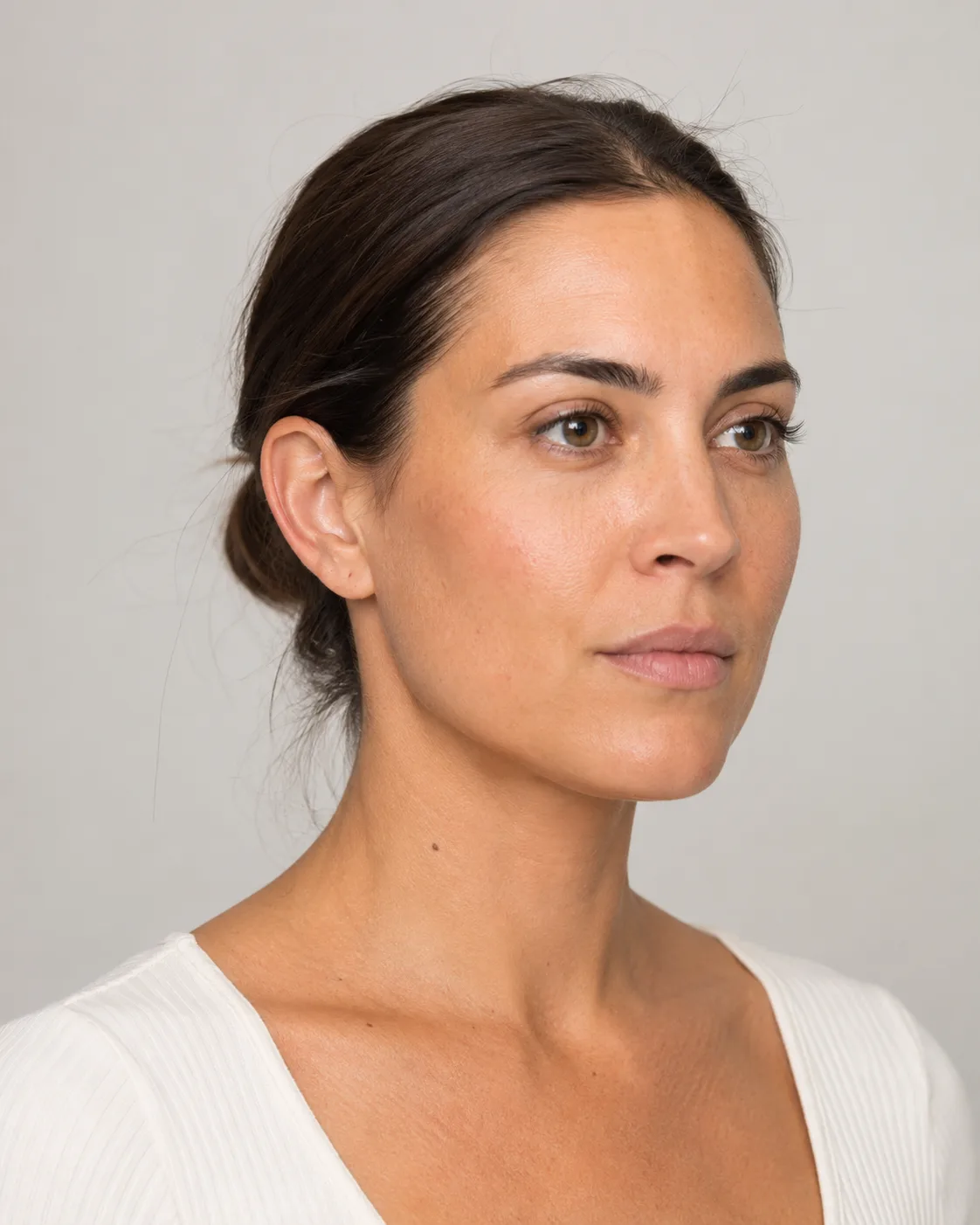
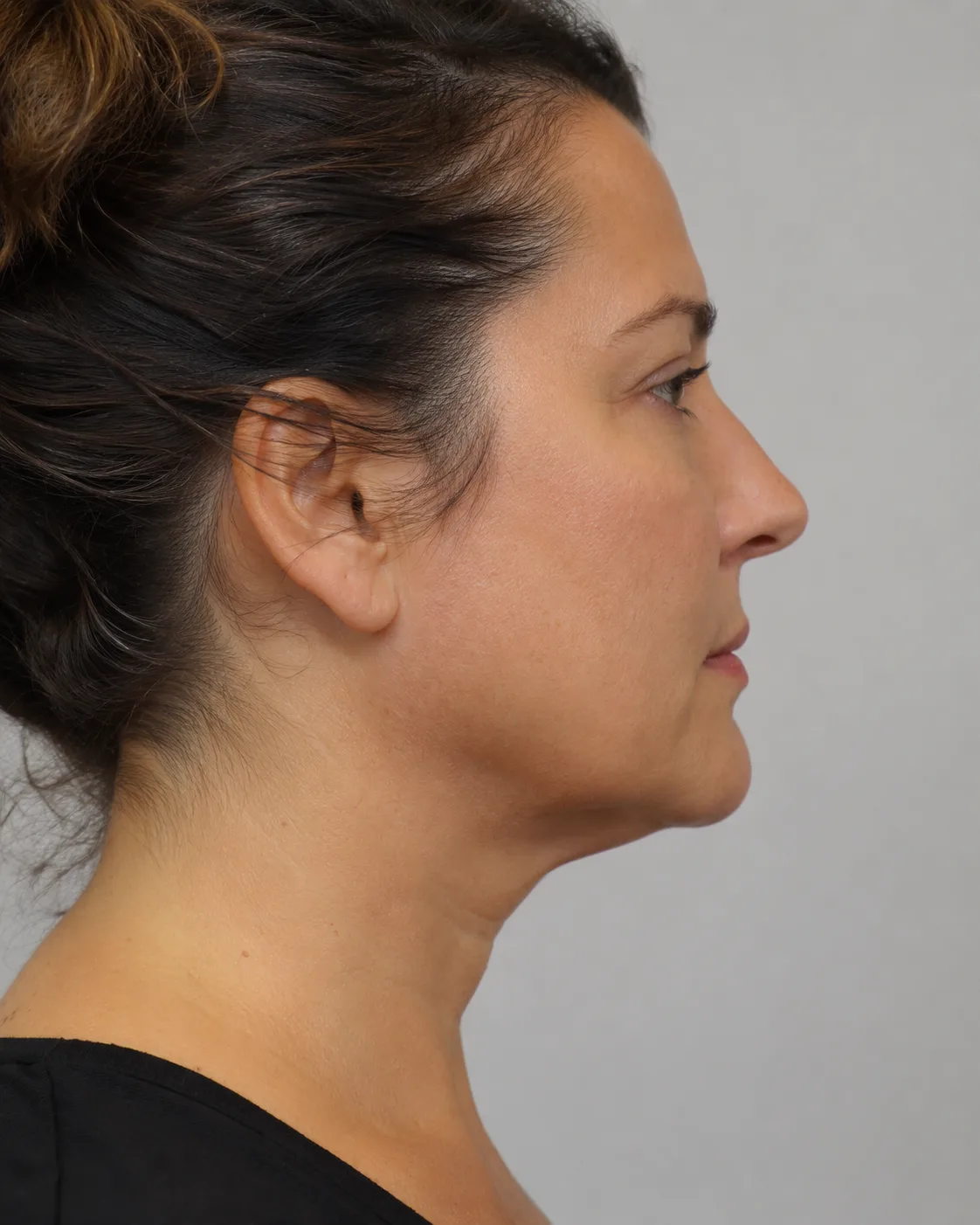
Let the teeth sit apart and keep the head neutral. Compare jaw angle and lower face width in ordinary light without turning one side closer to the mirror or camera.
The resting outline includes structure, muscle and soft tissue, so it cannot identify a single contributor by itself.
What Changes With Comfortable Activation?
Corey may guide a brief comfortable activation while observing and feeling where each masseter becomes firm. This is not a maximum clench or a strength competition.
One side may appear more prominent, contract in a slightly different location or remain visually similar despite a different sensation.

What If Symptoms Favour One Side?
Note whether tightness, tenderness, fatigue, headache or chewing discomfort is consistently left, right or alternating. Include timing and triggers rather than repeatedly testing a sore area.
A side specific symptom deserves clinical context and may involve dental, jaw joint or other factors beyond visible muscle prominence.
How Does Dental History Fit The Pattern?
Tell Corey about preferred chewing side, tooth wear, bite changes, mouthguard use, missing teeth, recent dental work and advice already provided. Bring available records when they help explain the sequence.
Cosmetic consultation does not replace dental diagnosis, and the more visible side need not be the side with the most relevant dental history.
Why Can Screens Exaggerate Side Difference?
A video camera placed off centre makes one side closer to the lens. Directional light and habitual head turn can also deepen one jaw shadow.
Use a centred camera at a comfortable distance as a comparison, then let direct assessment determine what remains outside the screen setup.
Which Changes Need Broader Clinical Context?
Mention pain, swelling, locking, clicking, restricted opening, bite change, tooth damage, altered sensation or a sudden unfamiliar side difference. These details should not be reduced to a cosmetic symmetry question.
Corey can incorporate dental, medical or other clinical input into the pathway when useful.
Notting Hill two side Jaw Questions
What does a two side jaw muscle check compare?
It compares left and right lower face outline at rest, visible change during comfortable activation, side specific symptoms and relevant dental history. Corey then adds direct examination, health context and your priorities.
Is it normal for jaw muscles to look different on each side?
Small side differences are common because structure, chewing preference, dental history, soft tissue and muscle use can vary. Assessment considers the pattern without using perfect symmetry as the goal.
Does the side that feels tighter always have the larger muscle?
No. Sensation and visible prominence do not always match. Tightness can have several contributors, so Corey compares what you feel with movement, examination and relevant dental or medical context.
Why can video calls exaggerate jaw asymmetry?
An off centre camera places one side closer to the lens, while directional light and head turn can deepen one shadow. A centred setup helps comparison, but direct assessment remains more informative.
What dental history is useful for a side difference?
Mention preferred chewing side, tooth wear, bite changes, mouthguard use, missing teeth, recent dental work and existing advice. Available records can help establish whether the side pattern changed after dental care.
Which symptoms need clear clinical context?
Mention pain, swelling, locking, clicking, restricted opening, bite change, tooth damage, altered sensation or a sudden unfamiliar side difference. Dental, medical or other clinical input can be incorporated when useful.
Can suitable care be planned at consultation?
Yes. Suitable care can be planned when individual assessment and informed consent support it. More information, adjusted timing, another clinical review or a different pathway can be incorporated when useful, without promising identical sides.
Is Core Aesthetics located in Notting Hill?
No. Core Aesthetics is in nearby Oakleigh. Check the journey from your actual starting point and whether returning for planned review is practical. This page does not imply a clinic location in Notting Hill.
Is this for you?
Consider booking a consultation if
- Adults who want jaw muscle, lower face, jawline, chin and dental context assessed before treatment discussion
- Patients with clenching or grinding history who understand dental boundaries may matter
- Patients with previous treatment who may need records review, waiting or original clinic review
- People comfortable comparing suitable options, adjusted timing, review needs and other clinical input
This may not be for you if
- People asking for a predetermined plan without assessment, consent or risk discussion
- People seeking a fixed lower face change before consultation
- People wanting public prescription product advice or product led recommendations
- People with urgent dental, medical, infection, pain or jaw symptoms who need appropriate medical or dental care
Suitability is confirmed at consultation. This list is general guidance, not a substitute for clinical assessment.