For a lip consultation near Ashwood, compare four ordinary positions: comfortable rest, natural speech, an unforced smile and profile. Note whether the concern involves shape, resting closure, movement, asymmetry, the lip to chin relationship or a feature visible only in certain expressions. Corey Anderson RN combines that pattern with health, medicines, dental history, previous care, tissue and personal priorities. Suitable care can be planned when individual assessment and informed consent support it.
Why Compare Four Positions Instead Of One Photograph?
A single image may capture a flattering angle, a temporary expression or unfamiliar tension. Rest, speech, smile and profile show different parts of lip function and lower face balance.
The comparison is descriptive. It does not set an ideal proportion or prove that changing volume is the right response.
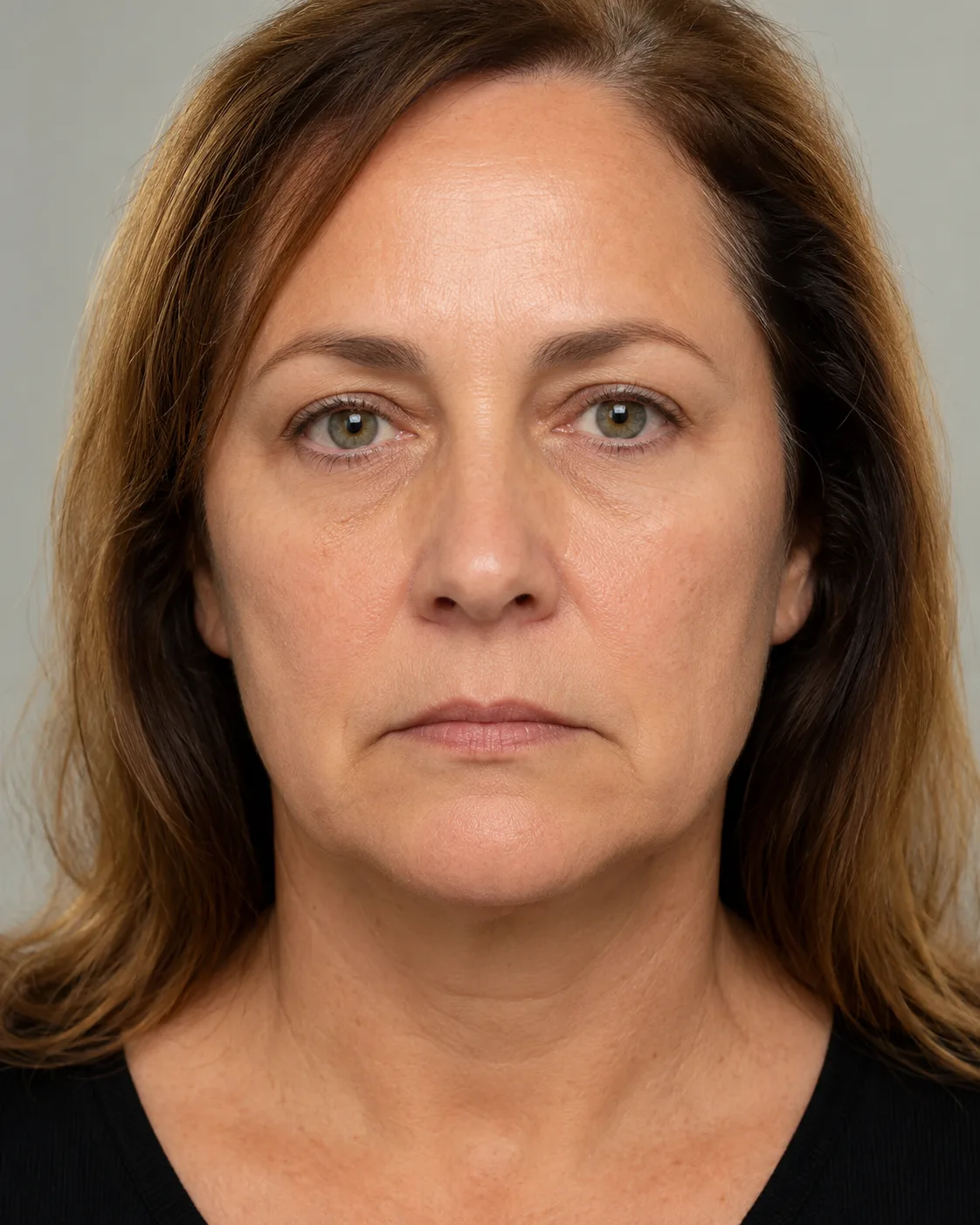
What Can Each Position Add To The Assessment?
| Position | What to notice | What it cannot decide alone |
|---|---|---|
| Comfortable rest | Natural closure, visible asymmetry and familiar shape | Whether a change is needed |
| Ordinary speech | How the lips move through sounds and return to rest | How every conversation will look |
| Natural smile | Upper and lower lip movement with teeth and cheeks | A preferred proportion for you |
| Profile | Lip, chin and lower face relationship | Which option is clinically suitable |
How Do You Find A Comfortable Resting Position?
Let the jaw soften, breathe normally and allow the lips to settle without pressing them together or deliberately holding them apart. Corey observes what feels familiar rather than correcting the pose.
If comfortable closure has changed recently, feels painful or comes with a dental or neurological concern, mention when it began and seek the appropriate clinical assessment.
What Does Ordinary Speech Reveal?
Speech shows how the upper and lower lips move through different sounds, how quickly they return to rest and whether one feature matters only during animation. Corey may ask you to speak normally rather than repeat an exaggerated movement.
The aim is to preserve recognisable communication and expression. A video or photograph can provide context, but it cannot replace direct assessment.
Why Include A Natural Smile?
A smile involves the lips, cheeks, teeth and chin together. The lip border, visible surface and apparent symmetry may differ from the resting view without representing a problem.
Corey asks which part of the smile feels familiar and which part prompted the consultation. Your own priority is separated from ratios, trends and other people’s photographs.
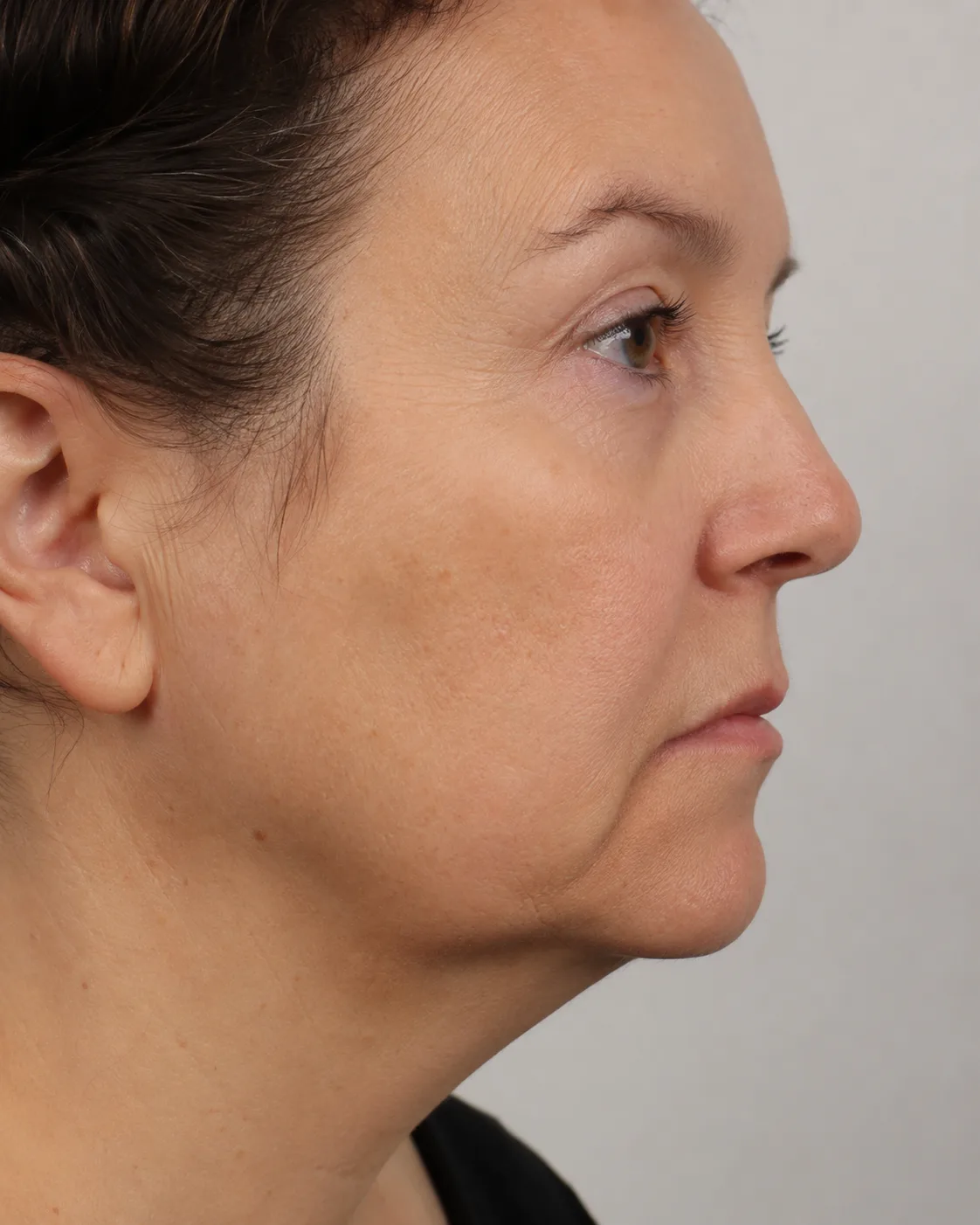
How Does Profile Change The Question?
Profile places the lips beside the chin, nose and overall lower face. It can clarify whether your concern is truly lip specific or whether several relationships are influencing the impression.
No fixed angle or universal ratio determines suitability. Corey considers your existing structure and the features you want to retain.
What History Belongs Beside The Four Views?
Bring relevant health conditions, medicines, allergies, cold sore history, dental work, previous cosmetic care and any earlier change in sensation, movement or tissue. Dates and broad details are usually more useful than assumptions about products.
Share work, travel, dental and event timing so consent, aftercare and review access can be discussed realistically.
Which Supporting Guides Fit This Question?
The lip consultation guide explains the wider assessment. Use lip assessment planning for more detail on anatomy and history, or the Ashwood movement guide when several expression areas need comparison.
The suitability guide explains how health, timing and expectations shape a personal recommendation.
Which Risks And Limits Are Discussed For Lip Care?
Depending on the suitable option, Corey explains relevant risks such as asymmetry, swelling, bruising, tenderness, lumps, infection, cold sore flare, delayed settling, dissatisfaction and uncommon urgent vascular warning signs.
He also explains alternatives, likely limits, total cost, aftercare, follow up and what should prompt urgent contact. The discussion is matched to the option rather than presented as a predetermined treatment.
Where Does The Ashwood Lip Consultation Take Place?
Core Aesthetics is at 12A Atherton Road, Oakleigh VIC 3166. Phone 0491 706 705. Corey Anderson is a Registered Nurse with Ahpra registration NMW0001047575.
Use the verification guide and independent Ahpra register to confirm practitioner details. Check the trip from your actual starting point and keep return access practical.
When Does A Lip Change Need Another Clinical Pathway?
Sudden swelling, severe or increasing pain, colour change, cold or mottled skin, spreading redness, fever, new weakness, numbness, breathing difficulty or a rapidly changing concern needs prompt assessment through the appropriate urgent pathway.
For a stable cosmetic concern, more information, adjusted timing, another clinical review or a different pathway can be incorporated when useful.
What Should Be Clear After The Consultation?
You should understand which of the four positions relates to your concern, what Corey observed, what remains uncertain and which suitable choices are worth considering.
You should also know the material risks, alternatives, limits, cost, timing, aftercare, follow up and how to contact the clinic if a concern develops.
Is this for you?
Consider booking a consultation if
- Adults near Ashwood wanting lip proportion and movement assessment before option discussion
- Patients who want consultation-first explanation of shape, volume, tissue behaviour, risk and consent
- People comfortable comparing suitable options, adjusted timing, review needs and other clinical input
- Patients who want to verify Corey Anderson RN and the Oakleigh clinic before booking
This may not be for you if
- People asking for a predetermined plan without assessment, consent or risk discussion
- People with urgent medical symptoms, active infection, acute swelling or rapidly changing lip symptoms
- People wanting a fixed cosmetic change before proportion, movement and tissue behaviour are assessed
- People seeking elective cosmetic care for someone who cannot provide informed consent
Suitability is confirmed at consultation. This list is general guidance, not a substitute for clinical assessment.
Frequently asked questions
Why compare the lips in four positions?
Rest, speech, smile and profile reveal different parts of shape, movement and lower face balance. Together they provide better context than one posed photograph or a fixed proportion rule.
Should I hold my lips together for the resting view?
No. Let the jaw soften and allow the lips to settle naturally. Corey observes comfortable closure and familiar shape rather than asking you to create a forced pose.
What does speech add to a lip consultation?
Speech shows how the lips move through ordinary sounds and return to rest. It helps identify concerns visible only during animation while keeping recognisable communication central to planning.
Does a difference between rest and smile mean something is wrong?
No. Lip shape and apparent symmetry commonly change with expression. Corey assesses the pattern, your history and your own concern rather than treating movement as a diagnosis.
Why is profile included in the assessment?
Profile shows the relationship between the lips, chin, nose and lower face. It can clarify whether a concern is lip specific, but it cannot determine suitability by itself.
What history should I bring?
Bring relevant health conditions, medicines, allergies, cold sore and dental history, previous cosmetic care and any change in movement or sensation. Dates and broad details help Corey assess context.
Is Core Aesthetics located in Ashwood?
No. Core Aesthetics is in Oakleigh. Check the trip from your actual starting point and make sure returning to the clinic for review would be practical.