For a broad expression line consultation near Ashwood, identify the first ordinary moment the concern becomes noticeable: at comfortable rest, during conversation, while concentrating, in bright light or when smiling. Then name the area, whether the line fades after movement and which expression you want to preserve. Corey Anderson RN compares forehead, frown and outer eye activity with skin, natural asymmetry, health, medicines and previous care. Suitable care can be planned when individual assessment and informed consent support it.
What Is A First Noticeable Moment?
It is the earliest ordinary situation in which the line draws your attention. The answer may be quiet rest, animated speech, focused reading, outdoor brightness or smiling with someone.
This gives Corey a real starting point without assuming the forehead, frown or outer eye area should be considered in isolation.
Which Moment Best Matches The Concern?
| Moment | Possible observation | Useful next question |
|---|---|---|
| Comfortable rest | A line remains after expression settles | Is skin texture also involved? |
| Conversation | Several areas move together | Which expression feels most like you? |
| Concentration | The brow lifts or draws inward | Is the pattern familiar and comfortable? |
| Bright light | The outer eye area narrows | Does the concern persist indoors? |
| Natural smile | Cheeks and eye area move together | What movement should remain recognisable? |
Why Start With A Moment Instead Of A Treatment Name?
People often arrive with a broad search phrase but a much more specific observation. Naming the moment separates what you see from assumptions about cause, product or technique.
It also helps Corey decide whether the question belongs mainly to movement, a line at rest, skin, another facial area or a different clinical pathway.
How Do Rest And Movement Change The Assessment?
A line seen only during expression presents a different question from one that remains after the face settles. Some concerns include both movement and skin texture.
Corey observes ordinary expression, requested movements and the return to rest. He does not diagnose suitability from a frozen photograph.
What Does Conversation Reveal That A Pose Misses?
Conversation shows spontaneous timing, symmetry and how the forehead, central brow, cheeks and outer eye area coordinate. It can reveal which movement appears first and which one matters to you.
Your familiar expression is not treated as a defect. The discussion includes the features you want to preserve.
When Should The Forehead Release Guide Take Over?
Use the forehead release guide when your main question is persistent brow lifting during speech, reading or screen focus and whether the brow settles comfortably.
Stay on this broader page when the forehead, frown and outer eye areas need to be compared before one leading concern is clear.
How Does Previous Care Change The Moment Map?
Previous care can change the first moment a line becomes noticeable, how strongly nearby areas move and what remains after expression. Bring approximate dates, areas, the response you remember and any side effects or records available.
Corey compares that history with your current ordinary expression. The purpose is to understand today’s baseline, not to repeat an earlier plan automatically.
What Timing Details Matter Before Options Are Discussed?
Share whether the concern is longstanding or new, whether the skin is irritated and whether work, travel or an important event affects review access. A line seen after poor sleep, bright outdoor light or recent care may not represent the moment that usually bothers you.
When assessment and informed consent are complete, suitable care may be planned at the appointment when clinically appropriate. You can also choose another date or take more time to consider the explanation.

Which Questions Make The Assessment More Useful?
Ask which ordinary moment gives the clearest information: rest, conversation, concentration, smiling or bright light. Ask what movement leads, what nearby areas join and what familiar expression should remain.
Then compare suitable choices by material risks, realistic limits, alternatives, total fee, aftercare and review timing. The answers should connect back to the moment you described rather than a generic line category.
How Can A Broad Concern Become A Clear Plan?
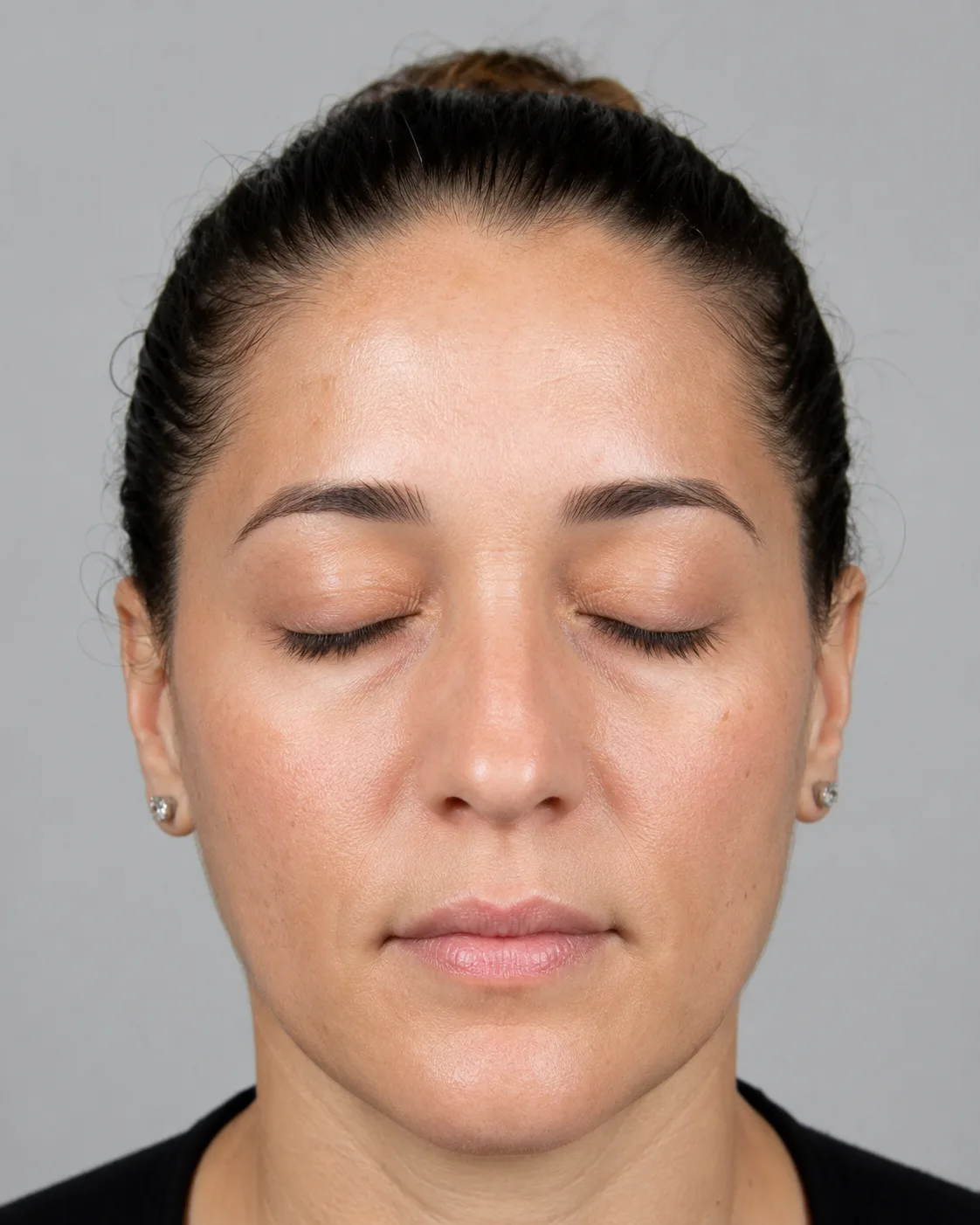
Corey starts with the first moment you notice the line, then narrows the question by location, movement, return to rest, skin context, health history and previous care. That sequence helps decide whether the concern belongs mainly to forehead lift, central brow pull, outer-eye movement, resting texture or a combination.
You should leave with a plain-language explanation of what was observed, the suitable choices worth discussing and any extra information that would make the next step clearer.
What Should You Bring From Ordinary Life?
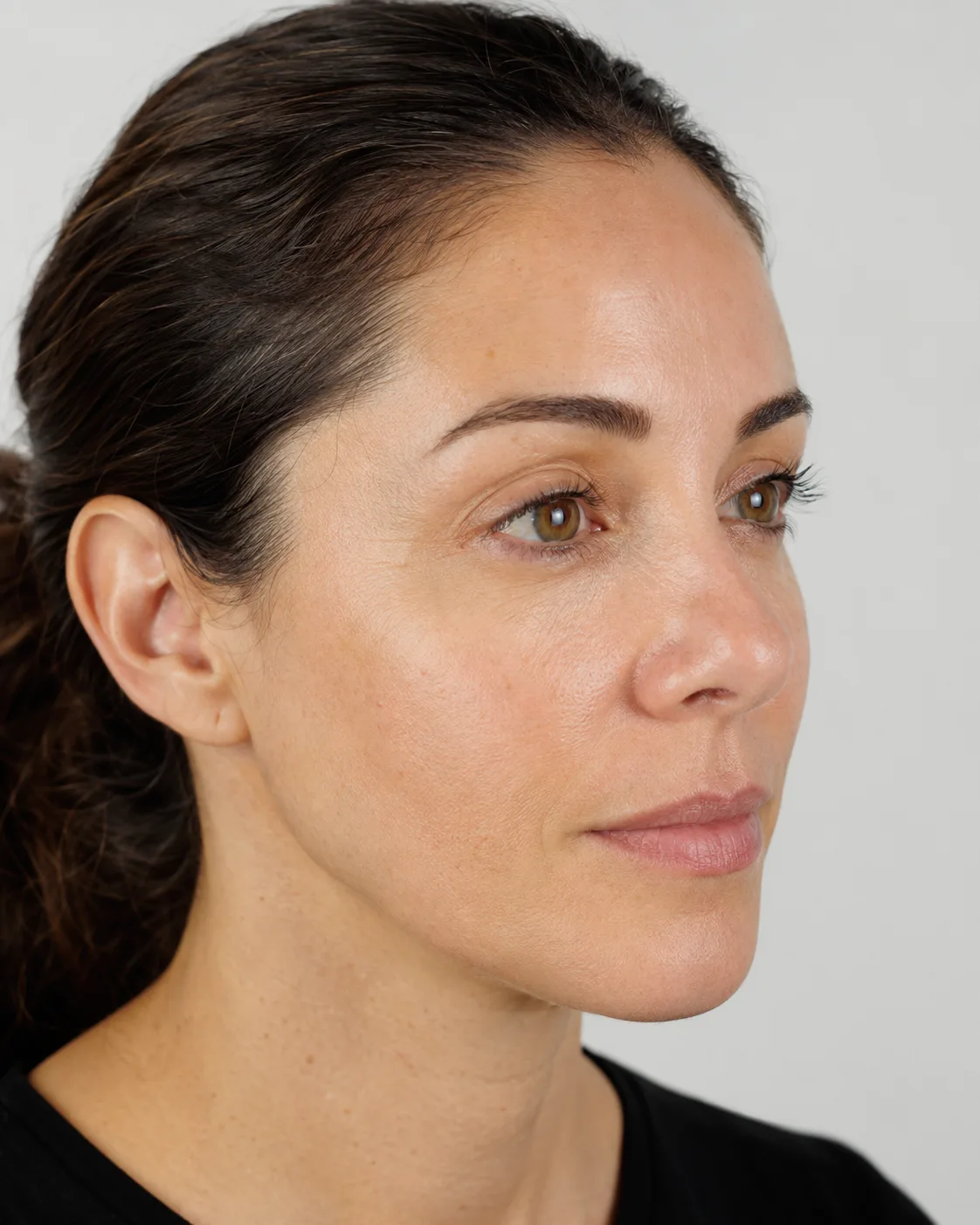
Bring one short example from daily life: “I first see it while reading,” “it stays after I stop concentrating,” or “it appears only in bright light.” One or two unfiltered photographs can help when the usual moment is difficult to reproduce.
Add current medicines, allergies, relevant health history, previous care dates and any event or travel timing. You do not need a product, dose or fixed procedure request.
Which Guides Can Answer The Next Question?
If persistent brow lifting during reading, screens or conversation is the main question, continue to the Ashwood forehead guide. If you are still comparing several expression areas, the facial-line area guide helps organise forehead, central brow and outer-eye concerns.
For individual assessment, you can book a consultation with Corey Anderson RN in Oakleigh.
Where Is The Consultation Held?
Core Aesthetics is in Oakleigh rather than Ashwood, at 12A Atherton Road, Oakleigh VIC 3166. The clinic phone number is 0491 706 705. Check the trip from your actual starting point and keep return access practical for any agreed review.
Corey Anderson is the Registered Nurse named on this page, with listed Ahpra registration NMW0001047575. Compare those details through the Core Aesthetics verification guide and the independent Ahpra public register before booking.

How Do You Book A Broad Expression Review?
Book when you want Corey to compare the first moment a line appears with the movement behind it and what remains after your face settles. The Oakleigh consultation is available to adults travelling from Ashwood and nearby suburbs.
Book an Ashwood facial-line consultation Verify Corey Anderson RN
Suitable choices, material risks, limits, fees, aftercare and review timing are explained after the individual pattern is understood.
When Does A New Facial Change Need Prompt Assessment?
A longstanding line that appears in a familiar expression can be discussed in a routine consultation. A sudden unexplained change is different. New drooping, weakness, numbness, visual disturbance, severe headache or significant pain needs prompt assessment through an appropriate health service.
If the concern is stable but skin care, another opinion, more history or adjusted timing would improve the plan, Corey can explain how that input connects with your next step.
Questions About The First Noticeable Moment
What is the first noticeable moment?
It is the earliest ordinary setting in which the line draws your attention, such as rest, conversation, concentration, bright light or smiling. Naming that moment gives Corey a specific pattern to observe without asking you to diagnose it.
Why compare several upper face areas?
Forehead, frown and outer eye movement can appear together during ordinary expression. Comparing them helps identify the leading concern without assuming every visible line belongs in one plan.
What if the line appears only while smiling?
That observation is useful and does not mean something is wrong. Corey compares smiling with rest, conversation and nearby movement while discussing which familiar expression you want to preserve.
What if the line remains when my face settles?
Tell Corey how long it remains and whether skin texture also concerns you. A resting line presents a different planning question from movement alone and still needs individual assessment.
When should I use the forehead release page?
Use it when persistent brow lifting during speech, reading or screen focus is the main question. This broader page is better when several expression areas need comparison first.
Should I bring photographs?
One or two unfiltered photographs can help when they show an ordinary setting that is difficult to recreate. They provide context but cannot replace direct movement and resting assessment.
Is Core Aesthetics located in Ashwood?
No. Core Aesthetics is in Oakleigh. People travelling from Ashwood should check the trip from their actual starting point and keep return access practical for any agreed review.
Is this for you?
Consider booking a consultation if
- Adults near Ashwood wanting wrinkle and facial movement assessment before treatment discussion
- Patients who want a consultation-first explanation of movement lines, resting creases, risk and consent
- People who value a clear explanation of options, timing, follow-up and other clinical input
- Patients who want to verify Corey Anderson RN and the Oakleigh clinic before booking
This may not be for you if
- People asking for a predetermined plan without assessment, consent or risk discussion
- People with urgent medical symptoms, active infection, acute swelling or rapidly changing skin concerns
- People wanting a fixed cosmetic change before movement, brow support and skin quality are assessed
- People seeking elective cosmetic care for someone who cannot provide informed consent
Suitability is confirmed at consultation. This list is general guidance, not a substitute for clinical assessment.