Upper lip movement assessment compares the relaxed mouth with comfortable closure, speech, gentle smiling and a fuller natural smile. Corey Anderson RN also considers symmetry, tooth and gum display, everyday lip function, dental context, previous cosmetic history and relevant health information. The purpose is to describe the pattern and decide the appropriate clinical next step. A photograph, search term or webpage cannot establish diagnosis, suitability or a treatment plan. If an option is relevant, its material risks and limitations require private discussion before consent.
What Does Upper Lip Movement Assessment Mean?
Assessment means observing when and how the upper lip changes, then placing that observation within the rest of the mouth and lower face. It does not begin by assuming that a normal variation is a defect or that a cosmetic intervention is needed.
The most useful starting point is a specific observation: where you notice the difference, when it appears, whether it is comfortable and whether it is new or longstanding.
Start With When The Difference Appears
A concern present while the mouth is relaxed may require a different assessment from one noticed only during speech or a full smile. Some people see the difference consistently, while others notice it only in certain photographs, expressions or activities.
Corey may ask whether the pattern is stable, whether it occurs on both sides and whether it affects comfort, closure, speech or drinking. These details help define the question without assigning a treatment label.
What Is Seen At Rest?
The relaxed view establishes a baseline. Corey may observe visible upper and lower lip relationship, comfortable mouth closure, symmetry, surface condition, tooth display and whether the concern is present without expression.
No single proportion or measurement defines an ideal lip. Resting anatomy varies, and assessment should relate what is observed to your own baseline and priorities rather than a generic template.
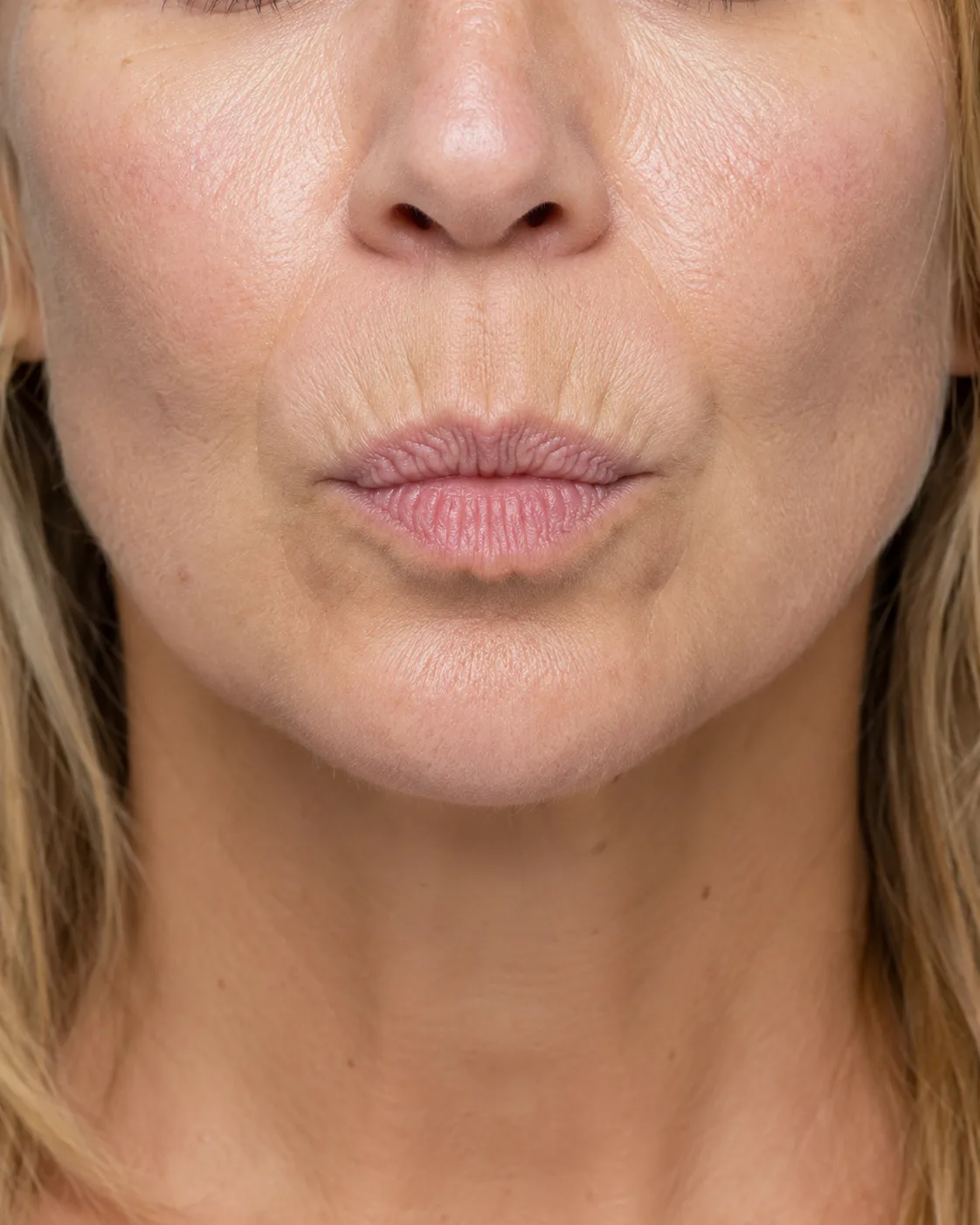
What Changes During Speech And Smiling?
Ordinary speech, a gentle smile and a fuller natural smile can reveal different patterns. Corey compares how the upper lip lifts, spreads and remains visible, together with tooth and gum display and any side-to-side difference.
The assessment should use natural expressions rather than repeatedly posed or exaggerated movements. Its purpose is to understand a pattern that occurs in daily life, not to manufacture one for the camera.
How Are Comfort And Everyday Function Considered?
Appearance is only one part of the assessment. Corey asks whether you can close your lips comfortably and whether you have noticed changes with speech, drinking, singing, whistling, kissing or an activity that relies on precise lip control.
Functional symptoms can alter the priority of the appointment and may indicate that cosmetic discussion should pause while another cause is assessed.
Why Are Tooth, Gum And Dental Context Relevant?
Upper lip visibility is seen against the teeth and gums. Tooth position, dental work, gum health, bite and broader smile relationships may contribute to what a person notices, even when the concern is described as an upper lip issue.
Corey can identify when a question appears to extend beyond cosmetic nursing scope. A dentist, oral health practitioner, GP or another clinician may then be the more appropriate source of assessment.

How Do Symmetry And Previous History Change The Assessment?
Longstanding natural asymmetry is considered differently from a new or unexplained change. Previous cosmetic procedures, dental work, injury, surgery or altered sensation may also affect what Corey needs to review.
Bring dates, records and earlier photographs where possible. The absence of records does not automatically prevent assessment, but it may limit what can responsibly be concluded at the first visit.
Which Health And Timing Details Belong In The Assessment?
Relevant information can include current medicines and supplements, allergies, pregnancy or breastfeeding, active skin or oral issues, cold sore history, recent illness and any medical condition affecting facial movement or healing.
Corey should explain why a question is being asked and how the answer affects timing, referral or the need for more information. Suitability cannot be inferred from appearance alone.

When Is Another Clinician The Better Next Step?
Referral may be appropriate when the main concern appears dental, oral, dermatological, neurological or outside cosmetic nursing scope. New, severe or rapidly changing symptoms should not be assessed through an elective cosmetic webpage or routine booking alone.
A referral is not a failed consultation. It is a clinically useful result when another practitioner is better placed to explain the finding or address a health concern first.
What Can The Assessment Conclude?
The assessment can describe whether the difference is present at rest, linked to expression, mixed with another concern or not reproducible during the appointment. It can also identify relevant history, uncertainty, referral needs and the reasonable next step.
It cannot promise an outcome, establish every diagnosis or make a public treatment recommendation. Any clinically appropriate option discussion belongs after individual assessment, explanation of material risks and informed consent.
Arrange An Individual Assessment
If the framework on this page matches what you notice, read the appointment guide or book a consultation with Corey Anderson RN.
Corey Anderson is a Registered Nurse, Ahpra registration NMW0001047575. You can verify Corey and the clinic or ask a practical booking question before attending.

Sources And Review Context
This observational guide follows the consultation-first approach in TGA health-services advertising guidance and the balanced-information principles in Ahpra cosmetic procedure advertising guidance. It does not diagnose a cause or recommend an intervention.
Is this for you?
Consider booking a consultation if
- Adults seeking an explanation of how upper lip movement is assessed
- People whose concern appears at rest, during expression or in both states
- People who want function, dental context and previous history considered
- People uncertain whether cosmetic, dental or another clinical assessment is most relevant
This may not be for you if
- People seeking urgent assessment of new, severe or rapidly changing symptoms
- People seeking diagnosis from a photograph or webpage
- People seeking public selection of a specific medicine or procedure
- People seeking a promised conclusion before individual assessment
Suitability is confirmed at consultation. This list is general guidance, not a substitute for clinical assessment.
Frequently asked questions
What does an upper lip movement assessment include?
It compares the upper lip at rest, during comfortable closure, ordinary speech and natural smiling. Corey also considers symmetry, tooth and gum display, everyday function, dental context, previous cosmetic history and relevant health information.
Does an upper lip that looks different when smiling mean something is wrong?
Not necessarily. Facial movement and symmetry vary between people. Assessment helps distinguish a longstanding variation from a new change and checks whether there are functional, dental or health features that need attention before any cosmetic discussion.
Can a photograph provide the assessment?
No. A photograph captures one moment and may be affected by expression, angle, lighting and lens position. It cannot show ordinary speech, comfortable closure, movement consistency, health context or function. Images can support an appointment but cannot replace it.
Why does Corey observe speech as well as smiling?
Speech provides a different everyday movement from a posed smile. Comparing both helps show whether the observation is consistent and whether precise lip control matters to your concern, work, hobbies or comfort.
Why are teeth and gums considered?
The upper lip is viewed against tooth and gum display. Dental position, recent dental work, oral health and broader smile relationships may contribute to what is noticed. Some findings are better assessed by a dentist or another oral health practitioner.
Should I mention a previous cosmetic procedure?
Yes. Bring dates, records and earlier photographs where available, together with any change in appearance, sensation or function. Previous history can affect what Corey can conclude and whether records, review or another clinician should be involved.
What if the difference is only visible in selfies?
Bring several ordinary, unfiltered examples if they help explain the concern. Corey can compare them with neutral observation in person and discuss how expression, camera distance, lens position, lighting or head angle may be influencing the impression.
Can the assessment recommend dental review?
Yes. If tooth position, gum health, bite, recent dental work or another oral factor appears central, dental assessment may be more useful than cosmetic planning. Corey should explain the reason for that recommendation.
Does assessment mean that an option will be offered?
No. Its purpose is to reach a clinically responsible conclusion. The next step may be information, records, observation, referral, later review, a private discussion of appropriate options or no cosmetic intervention.
How is this different from the consultation page?
This page explains the clinical observations that shape an assessment. The consultation page explains the appointment process, preparation, consent, possible outcomes and booking. Read both if you want the assessment framework and practical visit details.