Facial volume and contour are related, but they are not interchangeable. Volume describes three dimensional fullness or support. Contour is the visible outline and the transition between areas. A hollow, shadow, soft edge or uneven photograph can look like “lost volume” even when lighting, movement, skin, swelling, bone structure or previous care is contributing. Assessment starts by identifying which observation is real and repeatable.
What Is The Difference Between Volume And Contour?
Facial volume and contour are related, but they are not interchangeable. Volume describes three dimensional fullness or support. Contour is the visible outline and the transition between areas. A hollow, shadow, soft edge or uneven photograph can look like “lost volume” even when lighting, movement, skin, swelling, bone structure or previous care is contributing. Assessment starts by identifying which observation is real and repeatable.
That distinction matters because “I have lost volume” is often a conclusion rather than the original observation. A more useful starting sentence is “this side looks flatter in photographs” or “the transition under my eye seems sharper than it used to”. Those descriptions give Corey something that can be checked.
Start With The Words You Actually Use
People rarely think in anatomical labels. They say flat, hollow, heavy, tired, sharp, soft, uneven or out of balance. Each word points to a different visual question.
| If you say | Corey may clarify | Why the distinction matters |
|---|---|---|
| “This area looks hollow” | Is it visible in neutral light and from more than one angle? | A shadow in one photograph is not the same as a stable change in support. |
| “My outline has gone soft” | Is the concern projection, skin, movement, swelling or the border between two areas? | Contour is not automatically a request for more fullness. |
| “One side is flatter” | Is it present at rest, during movement and in older photographs? | Ordinary asymmetry may be longstanding rather than a new loss. |
| “I look tired” | Which feature creates that impression, and when is it most noticeable? | A global feeling needs to become a specific, assessable observation. |
Why Does Corey Look From More Than One Angle?
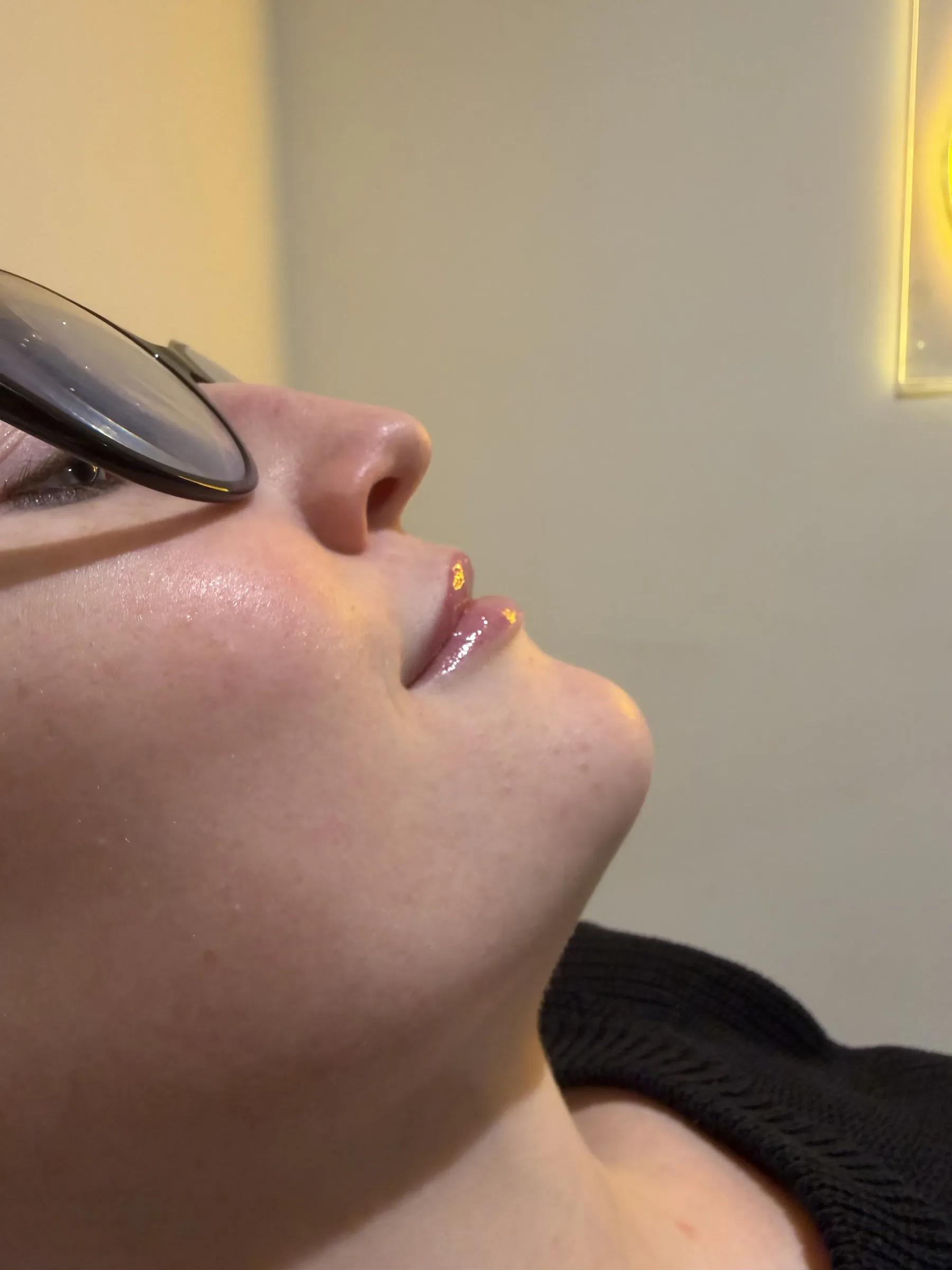
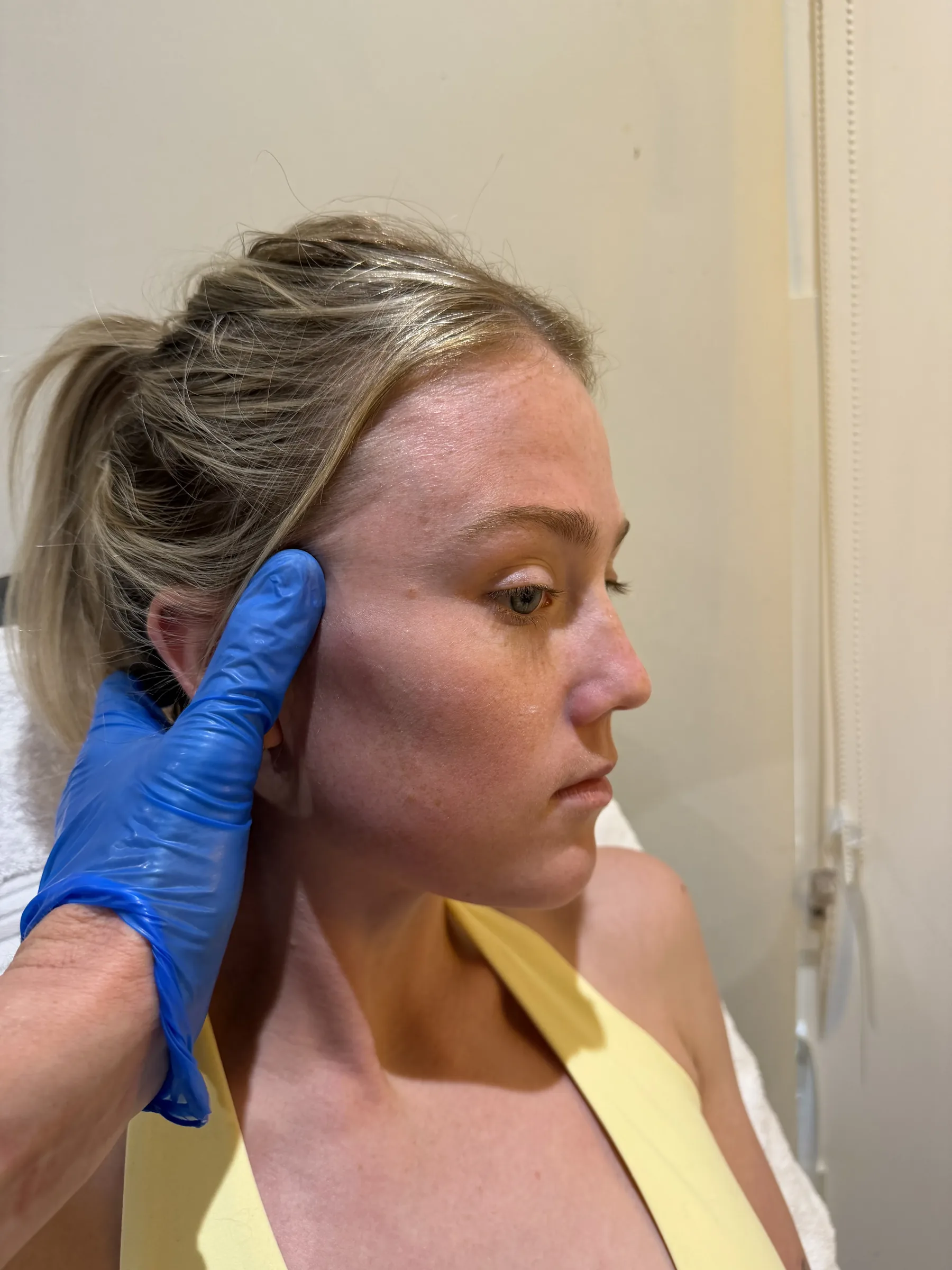
A front view is useful for width, symmetry and transitions across the face. An oblique view shows how one area flows into the next. A profile shows projection and outline. Movement can reveal whether a crease or shadow changes with expression.
No single angle is the “correct” face. The aim is to find an observation that remains meaningful when the lighting, camera and expression change.
What Can Resemble Volume Loss?
Several things can create a similar impression: directional lighting, a wide angle phone lens, dehydration, temporary swelling, skin texture, a change in body weight, muscle movement, bone structure, normal asymmetry or previous cosmetic care. Symptoms, rapid change, pain or swelling may need a medical pathway rather than cosmetic planning.
This is why a consultation should not begin with a presumed solution. First establish what is being seen, whether it is stable and whether it sits within clinic scope.
When Is More Volume The Wrong Question?
More volume is the wrong starting question when the concern is mainly skin quality, fluid retention, muscle activity, a photograph-specific shadow, unclear previous care or an expectation of changing the whole face through one area. It may also be wrong when the person likes their face in ordinary life but dislikes a small set of images.
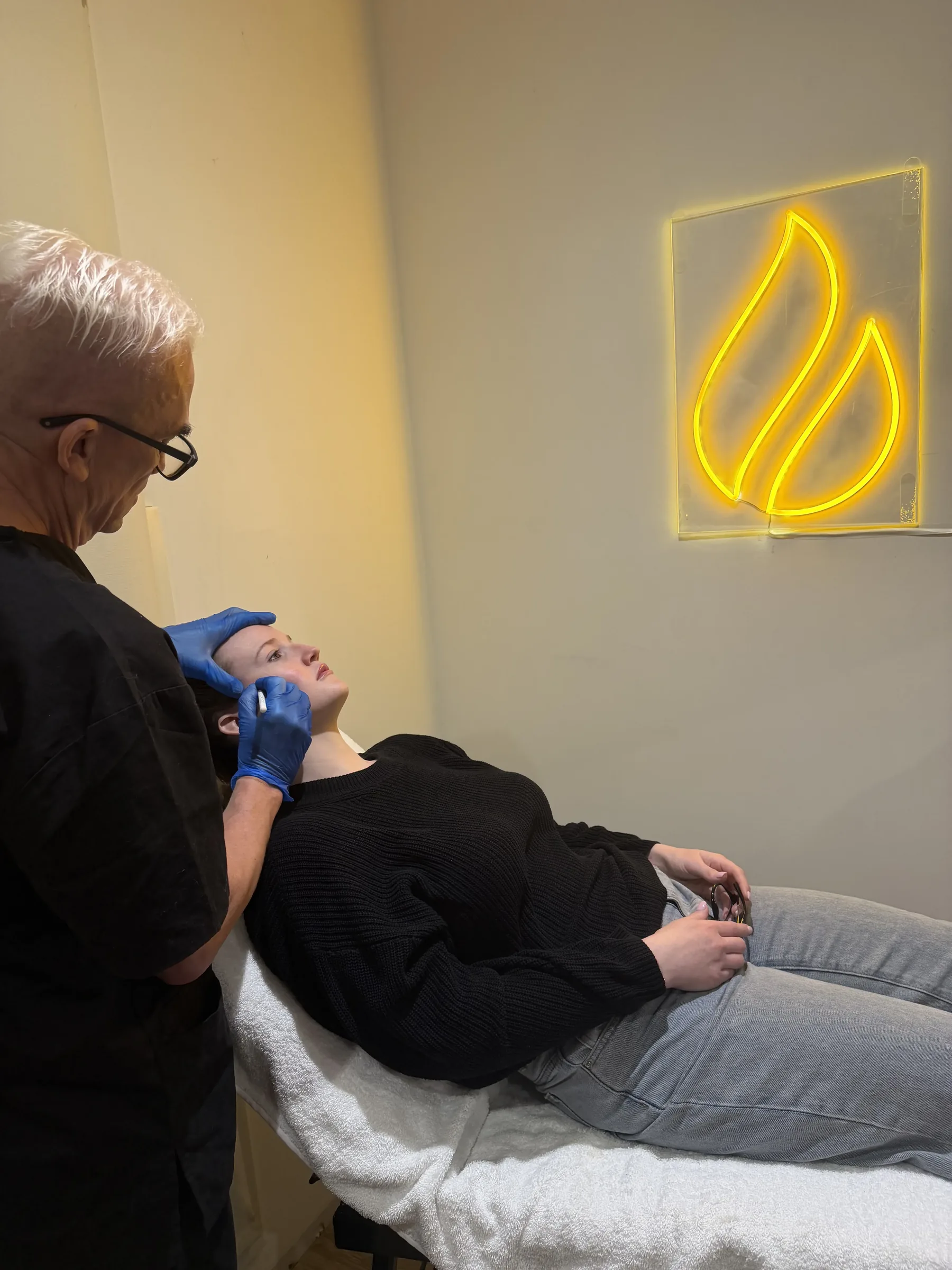
Corey may recommend monitoring, skin or medical review, obtaining previous records, allowing recent care to settle, discussing another concern or doing nothing. A complete assessment does not have to end with a treatment plan.
How Should Photographs Be Used?
Bring photographs if they help explain when you first noticed a change. Include ordinary images taken at different times rather than a single close selfie. Older photographs can help establish whether an asymmetry or contour was already present.
They are context, not a design brief. Camera distance, lens choice, head angle and overhead light can exaggerate the very shadows a person is worried about.
Which Risks Depend On The Area Being Considered?
If a treatment option is discussed after assessment, the risk conversation must match the area, anatomy, health history and proposed plan. General risks can include bruising, swelling, tenderness, asymmetry, infection, dissatisfaction and delayed complications. Some areas also carry rare but serious risks that require urgent recognition and care.
Corey should explain the relevant risks, limits, alternatives, aftercare and review pathway before consent. A broad volume or contour concern is not enough information to estimate an individual risk profile on this page.
Which Page Owns The Next Question?
| Your remaining question | Best next page |
|---|---|
| How are cheek and midface concerns assessed? | Cheek volume assessment |
| How does ageing change support across the face? | Facial volume consultation |
| How are several areas prioritised? | Choosing areas for assessment |
| Could the concern be anatomy rather than ageing? | Ageing or anatomy |
| What makes a request unsuitable? | When volume treatment is not the answer |
What Should You Ask At Consultation?
Ask Corey to name the observation before discussing options. Useful questions include: Is this change visible in more than one view? What else could create it? Which part is anatomy, skin, movement or previous care? What would make waiting the better choice? How would the reasoning be reviewed later?
Core Aesthetics is at 12A Atherton Road, Oakleigh VIC 3166. Corey Anderson RN lists Ahpra registration NMW0001047575. You can check the verification page and Ahpra public register before sharing health information or booking.
Questions About Facial Volume And Contour
Is facial contour the same as facial volume?
No. Volume refers to three dimensional fullness or support. Contour is the visible outline and transition between areas. A contour concern may involve volume, but it may also reflect lighting, skin, movement, swelling, bone structure, asymmetry or previous care.
Why can one photograph make my face look flatter?
Camera distance, a wide angle phone lens, head position and directional light can change apparent width, projection and shadow. Corey looks for an observation that remains meaningful across ordinary lighting, several angles and neutral expression.
What should I say instead of “I need more volume”?
Describe what you notice before naming a solution. For example: “this side looks flatter in ordinary photographs”, “the transition under my eye seems sharper”, or “my profile looks different from last year”. Corey can then test whether that observation is stable and clinically relevant.
Can normal asymmetry affect contour?
Yes. Most faces have left to right differences in bone, soft tissue and movement. Older photographs and assessment at rest and during expression can help show whether the difference is longstanding, changing or mainly camera dependent.
When might volume treatment not be the answer?
It may not be the answer when the concern is mainly skin quality, swelling, muscle activity, a photograph-specific shadow, unsettled recent care, missing records, symptoms or an expectation that one area will change the whole face. Adjusted timing, review with another health professional, another pathway or a staged assessment plan may be advised.
Should I bring old photographs?
They can be useful when they show ordinary views from different times. They may help establish whether a contour or asymmetry was already present. They are supporting context, not a promised target or a substitute for current assessment.
What if the change was rapid or comes with pain or swelling?
A rapid change, pain, persistent swelling or other symptoms should not be treated as a routine cosmetic contour question. Seek an appropriate health assessment. Urgent or severe symptoms require urgent medical care.
Does a volume and contour consultation mean treatment will follow?
No. The appointment may lead to education, monitoring, records review, adjusted timing, review with another health professional, discussion of another concern or a staged assessment plan. Treatment is never confirmed by reading this page or making a booking.
Is this for you?
Consider booking a consultation if
- You are an adult wanting to understand volume contouring as a planning concept
- You want facial structure, proportion and suitability assessed before treatment decisions
- You value restrained planning rather than trend-led changes
- You are open to options that fit, revised timing or a staged assessment plan depending on assessment
This may not be for you if
- You want a promised facial shape or a standard template plan
- You want more treatment without clinical assessment
- You are not an adult patient
- You are pregnant or trying to conceive and are seeking elective cosmetic treatment
Suitability is confirmed at consultation. This list is general guidance, not a substitute for clinical assessment.