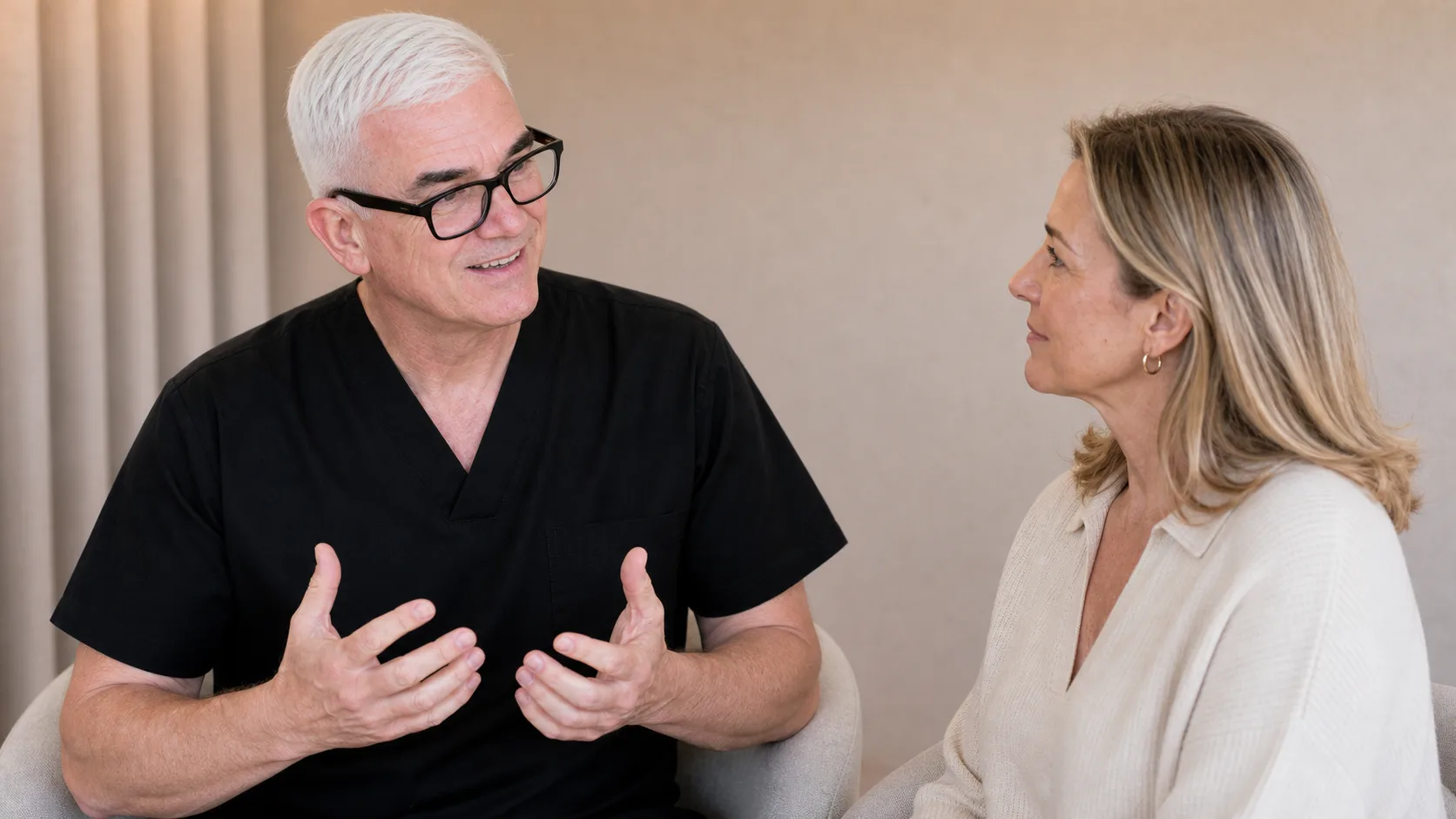
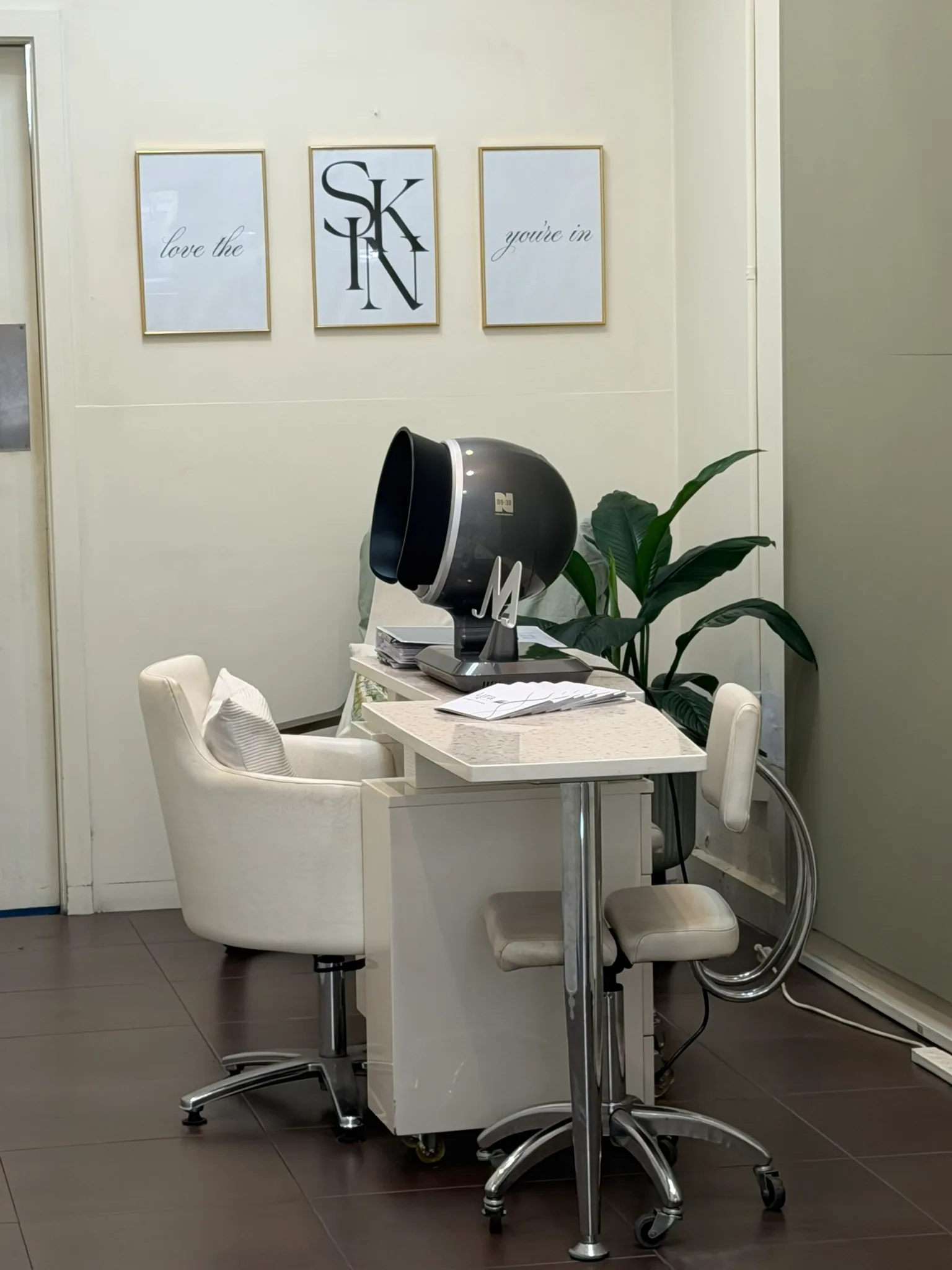
A Sandringham preparation for facial volume is useful when it clarifies the concern, risk considerations, schedule and follow-up needs ahead of any plan is discussed. Corey Anderson RN at Core Aesthetics at The Oakleigh practice maps facial structure, cheek and midface context, skin quality, shadows and weight change, clinical history, previous care, expectations and clinic schedule context. The outcome may be options discussion, delaying the practical decision, return visit, referral or not treating. Bayside readers should think about travel buffer, follow-up access and event planning timing context prior to deciding whether The Oakleigh clinic is workable.
What Should Local Readers Know First?
A Sandringham preparation for facial volume is useful when it clarifies the concern, risk considerations, schedule and follow-up needs ahead of any plan is discussed. Corey Anderson RN at Core Aesthetics at The Oakleigh practice maps facial structure, cheek and midface context, skin quality, shadows and weight change, clinical history, previous care, expectations and clinic schedule context. The outcome may be options discussion, delaying the practical decision, return visit, referral or not treating. Bayside readers should think about travel buffer, follow-up access and event planning timing context prior to deciding whether The Oakleigh clinic is workable.


Why Does This Local Guide Exist?
A Sandringham search can easily become a list of clinics. This guide narrows the workable practical decision back to personal return visit, practitioner verification, informed consent discussion and follow-up access.
Bayside information pages are useful when readers are comparing a local search with a practitioner-led Oakleigh personal return visit process. This guide can also help when you compare Brighton, Hampton, Beaumaris and Safety because the personal return visit process review standard should stay consistent even when travel and follow-up access differ.
This guide stays separate from the main Melbourne hub because the local workable practical decision is workable as well as clinical: travel, follow-up access, neighbouring options and preparation all affect whether the Oakleigh process is suitable.
How Should You Plan The Visit?
Do not use distance alone as the deciding factor. Use the personal return visit process to check practitioner accountability, clinical suitability and whether the plan is clinically sensible. Mention work, sport, social events, sun exposure and travel so schedule can be assessed properly.
- Prepare questions about risk considerations, consent discussion, follow-up care and follow-up access rather than arriving with a fixed treatment option process request.
- Consider whether the concern is stable, changing quickly, linked with skin irritation or better assessed by another practitioner first.
- Keep photos for your own memory if useful, but expect the workable practical decision to come from personal return visit process rather than image comparison.
- Let the clinic know if repeat visits are difficult so follow-up access can be considered.
- Slow the workable practical decision if another person, an event date or a fixed treatment option process idea is creating pressure.
What Should The preparation Clarify?
The table below turns the local search into workable questions Corey can actually evaluate.
| Workable practical decision area | Why it matters | What to do next |
|---|---|---|
| Nearby comparison | This guide can also help when you compare Brighton, Hampton, Beaumaris and Safety because the personal return visit standard should stay consistent even when travel and follow-up access differ. | Compare who assesses you, how clinical suitability is checked and how the clinic can be verified. |
| Workable practical decision boundary | Corey may explain that the concern is mainly skin quality, anatomy, schedule, previous care or expectations rather than a straightforward volume plan. | Leave room for delaying the practical decision or choosing not to treat to be the safer advice. |
| Follow-up care preparation | Bruising, swelling, tenderness, delayed settling and questions can affect preparation. | Make sure schedule and follow-up care contact are easy to understand ahead of proceeding. |
| Practitioner verification | The local guide should keep accountability visible. | Use verification details ahead of deciding on an preparation. |
| Consent discussion readiness | A careful workable practical decision needs space for questions and other options. | Do not go ahead if you feel rushed or unclear. |
What Should You Prepare Ahead of Coming?
Ahead of coming to Oakleigh, write a short timeline that covers what you noticed, what changed, what worries you and what would make you prefer to hold off. The aim is to give Corey enough context to decide whether this fits facial volume personal return visit process, broader personal return visit process review, review, referral or choosing not to treat.
For this guide, useful preparation means facts rather than pressure: previous care history, current medicines, relevant skin or dental changes, upcoming commitments and questions about consent discussion. You do not need to prove that treatment option process is needed. You need enough information for the clinical suitability call to be careful.
How Should You Use This Local Brief?
Compare The Neighbourhood Process
Reading nearby information pages such as Brighton, Hampton, Beaumaris and Safety can show how the same Oakleigh model is framed for different starting points. The clinical standard should remain the same.
Clarify What You Want Explained
It is reasonable to want an explanation ahead of choosing a plan. Bring questions about cause, clinical suitability, risk considerations, return visit and what would make Corey recommend delaying the practical decision or choosing not to treat.
Avoid preparation Under Pressure
If another person, an event date or a narrow idea of appearance is driving the preparation, say so. Pressure can affect consent discussion and may be a reason to slow the process down.
Keep The Personal return visit process Accountable
A standalone local guide earns its place when it makes the process more accountable: who assesses you, what is checked, where return visit happens and what could make treatment option process inappropriate.
Ask About The Whole Context
Even when the guide is about facial volume, Corey may need to consider neighbouring features, skin quality, movement, health context and schedule. Isolated preparation can miss the reason a concern is visible.
Decide What A Good Outcome Means
A good personal return visit process outcome may be clarity rather than treatment option process. It can mean understanding why to continue, why to hold off, why to seek another opinion or why the concern is better left untreated.
Make The preparation Question Specific
Instead of asking whether a treatment option process is available nearby, ask whether Corey can evaluate the concern, explain the risk considerations and give you enough information to decide without pressure.
Notice If The Concern Has More Than One Cause
Many aesthetic areas of concern are mixed. The visible issue may involve anatomy, skin, movement, previous care, schedule or expectations. Personal return visit process is where those possibilities are sorted.
Use Contact For Workable Details
If travel, schedule or follow-up access is uncertain, contact the clinic ahead of preparation. Workable clarity supports safer consent discussion and avoids treating the appointment planning as a one way trip.
Keep The Option Of Choosing not to treat Open
Choosing not to treat can be an responsible recommendation when clinical suitability is unclear, risk context is not acceptable or the expected benefit is limited. A local guide should make that option visible.
Start With The Reason For The Visit
A local adult may arrive with one visible concern, but Corey still needs the story behind it: when it appeared, whether it changes, what has been tried and what would make the schedule feel wrong. That context can change whether facial volume personal return visit process is the right discussion.
Separate Access From Clinical suitability
Being able to reach Oakleigh is only the workable layer. Clinical suitability depends on health history, anatomy, previous care, expectations, consent discussion and whether follow-up access is realistic once the preparation.
Use Nearby Information pages As Comparison
If you are also reading about Brighton, Hampton, Beaumaris and Safety, compare preparation and clinic verification rather than looking for a different claim. The same personal return visit standard should apply across nearby information pages.
What can the personal return visit change?
The point of the preparation is to make the next step clearer. It is not to force treatment option process into the first visit or make a fixed plan ahead of personal risk context is known. Corey may explain that the concern is mainly skin quality, anatomy, schedule, previous care or expectations rather than a straightforward volume plan.
This matters because a local guide should not imply already decided treatment option process just because the clinic is reachable. The useful outcome is a clear to understand next step: continue only if responsible, hold off, gather more information, review later, seek another type of care, or decide not to treat.
Which Nearby Information pages Should You Compare?
To compare the process without changing the safety standard, read volume treatment option process Melbourne, Volume Treatments Oakleigh, Volume treatment option process Brighton, Volume treatment option process Hampton, Volume treatment option process Beaumaris and Volume treatment option process Safety, Volume treatment option process Follow-up care Guide, treatment option process clinical suitability personal return visit, local adult safety in aesthetic personal return visit process.
This guide can also help when you compare Brighton, Hampton, Beaumaris and Safety because the personal return visit standard should stay consistent even when travel and follow-up access differ. The purpose is to compare personal return visit process review pathways, not to collect claims. Each guide should help you choose the right consultation review process question ahead of preparation.


What risk considerations And Consent questions Are Discussed?
A workable local planning still needs a full risk context and clinical suitability discussion. Relevant possible risk considerations may include bruising, swelling, redness, tenderness, asymmetry, lumps and infection. Personal warning signs and less common risk factors need explanation during personal return visit process. Choosing not to treat should be presented as without clinical risk or universally suitable.
treatment option process at the first preparation depends on personal return visit and consent discussion. A options discussion may occur for some adults once personal return visit process review, risk context explanation and informed consent. The workable practical decision may need to pause when schedule, health context, expectations or previous care are unclear.
How can you verify the clinic information?
clinic and practitioner details should be easy to check ahead of you choose an appointment time. Core Aesthetics consults from 12A Atherton Road, Oakleigh VIC 3166. The clinic phone number is 0491 706 705. Personal visits are led by Corey Anderson RN at Core Aesthetics at The Oakleigh practice, Registered Nurse, Ahpra registration NMW0001047575.
Use Verify Corey Anderson RN at Core Aesthetics at The Oakleigh practice, contact, pricing and choose an appointment time to confirm workable details ahead of choosing an preparation.


When should you book or wait?
Choose a personal return visit process when you want the concern assessed ahead of deciding what should happen next. The preparation should evaluate facial support, tissue context and ageing pattern, risk considerations, clinical suitability, other options and follow-up needs. Hold off if you feel rushed, medically unwell, unclear about consent discussion, unsure about previous care details, or unable to plan follow-up access once the visit.
If the concern is sudden, painful, medically unusual or changing quickly, seek responsible medical advice rather than relying on an aesthetic personal return visit process guide.
What Does General Information Mean Here?
This guide gives general information for adults considering facial volume personal return visit process. It is general information, not personal advice, diagnosis, urgent care or confirmation that treatment option process is suitable. Personal recommendations require personal return visit process review process with an appropriately qualified health practitioner.
Is this for you?
Consider booking a consultation if
- Adults near Sandringham wanting facial volume and structure assessment before treatment discussion
- Patients who want consultation-first explanation of facial volume, skin quality, risk and consent
- People open to waiting, referral, review later or no treatment where that is safer
- Patients who want to verify Corey Anderson RN and the Oakleigh clinic before booking
This may not be for you if
- People seeking treatment without assessment, consent or risk discussion
- People with urgent medical symptoms, active infection, acute swelling or rapidly changing facial symptoms
- People wanting a fixed cosmetic change before facial structure and skin quality are assessed
- People seeking advice for someone who cannot provide informed consent for elective cosmetic care
Suitability is confirmed at consultation. This list is general guidance, not a substitute for clinical assessment.
Frequently asked questions
Who is this Sandringham facial volume guide written for?
The guide is mainly for local readers, but nearby adults can use it too. Its purpose is to connect local planning to practitioner verification, clinical suitability, consent discussion and return planning preparation ahead of any options discussion, so the preparation workable practical decision stays workable and personal return visit led.
How can I make a Sandringham preparation more useful?
A useful preparation starts with facts: the concern, health context, prior treatment option process, medicines, allergies, schedule and follow-up access. This helps the personal return visit process stay centred on clinical suitability rather than a fixed care request.
What happens if treatment option process is not suitable once personal return visit?
Options discussion may happen for some adults, but only once clinical suitability, risk considerations, other options and consent discussion are easy to understand. A preparation can end with choosing not to treat, further return visit or a delayed plan.
How is this different from the main volume treatment option process Melbourne guide?
The main guide explains the broader service process. This local guide focuses on preparation, comparison with nearby suburbs, Oakleigh follow-up access and the workable questions a local adult should sort ahead of choosing an preparation.
How should I compare Sandringham with Brighton, Hampton, Beaumaris and Safety?
Nearby information pages can help with travel and comparison, but they do not change the safety standard. The same preparation first process applies across nearby starting points.
Why does risk context return visit matter for facial volume?
No local guide can make treatment option process free of risk context. Corey discusses relevant possible risk considerations, other options, follow-up care, warning signs and limits in personal return visit process ahead of deciding whether options preparation is responsible.
What could make options discussion inappropriate?
Choosing not to treat may be recommended when the expected benefit is unclear, the risk context is not acceptable, consent discussion is unsettled or the concern does not match the requested process.
How do Sandringham readers verify the clinic details?
Use the verification guide, contact guide and Ahpra public register ahead of preparation. Corey Anderson is a Registered Nurse and can be checked using NMW0001047575; the clinic details are listed in the verification section above.