A South Yarra consultation for facial volume is useful when you want Corey Anderson RN to assess the concern, explain suitability and decide whether volume treatment is the right next step. The appointment looks at facial structure, cheek and midface support, skin quality, previous treatment, medical history, expectations and follow up access at Oakleigh. The outcome may be treatment discussion, staging, waiting, referral or no treatment. People in South Yarra often compare several inner south east clinics, so this page keeps the decision anchored to practitioner verification and clinical suitability.
What should local patients know first?
A South Yarra volume consultation is useful when you want Corey Anderson RN to assess the concern, explain suitability and decide whether volume treatment is the right next step. The appointment looks at facial structure, cheek and midface support, skin quality, previous treatment, medical history, expectations and follow up access at Oakleigh. The outcome may be treatment discussion, staging, waiting, referral or no treatment. People in South Yarra often compare several inner south east clinics, so this page keeps the decision anchored to practitioner verification and clinical suitability.
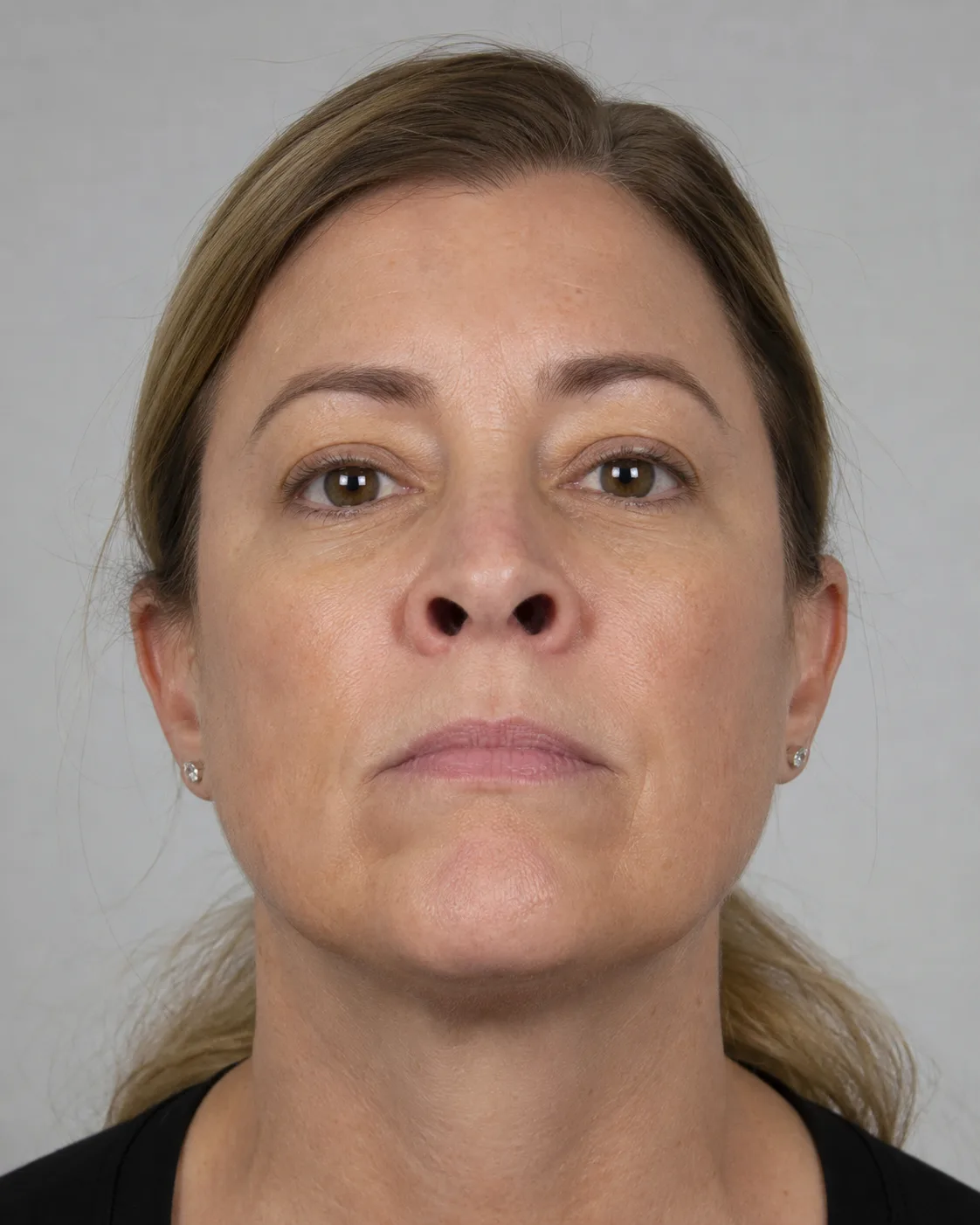
Why this local guide exists
South Yarra readers often start with a suburb search and end up comparing several clinics. This guide narrows the decision back to assessment, practitioner verification, informed consent and follow up access. It also gives you a practical way to compare Oakleigh with nearby inner south east options, without letting convenience decide everything.
If Prahran, Toorak or the broader Melbourne hub is also on your shortlist, this page helps you test whether the clinic route, timing and review access make sense before you book.
How should you plan the visit?
Use the appointment to talk about risks, consent, aftercare and review access rather than arriving with a fixed treatment idea.
- Mention any recent skin irritation, illness, dental work, pregnancy or breastfeeding status if relevant, or previous treatment that may affect planning.
- Bring notes or photos if they help you explain the concern, but understand that assessment is not a photo comparison.
- Plan around work, travel, social events and the chance that waiting may be the more appropriate choice.
What should the appointment clarify?
The table below turns the local search into practical questions Corey can actually look at.
| Area to check | Why it matters | Helpful next step |
|---|---|---|
| Nearby comparison | South Yarra, Prahran and Toorak readers may be comparing the Oakleigh route with other options. | Check who assesses you, how the consultation runs and whether the visit is practical. |
| Suitability boundary | The concern may be skin quality, anatomy, timing or expectations rather than a clear volume plan. | Allow the appointment to end in waiting, referral or no treatment if needed. |
| Aftercare timing | Bruising, swelling, tenderness and settling can affect your week. | Choose a time that leaves room for review and recovery. |
| Practitioner verification | A useful local page should clearly identify the practitioner and clinic. | Check Corey Anderson RN, Ahpra registration and Oakleigh contact details. |
| Consent readiness | Questions and alternatives should not be rushed. | Pause if the plan feels hurried or uncertain. |
What should you prepare ahead of coming?
Write a short timeline that covers what you noticed, what changed, what worries you and what would make you prefer to wait. The aim is to give Corey enough context to decide whether the concern fits facial volume assessment, broader review, referral or no treatment.
Bring facts rather than pressure. Prior care history, current medicines, relevant skin or dental changes, upcoming commitments and questions about consent all help Corey make a careful decision.
How should you use this local brief?
Use nearby pages for comparison
If you are comparing South Yarra, Prahran and Toorak, look at who assesses you, how follow up works and whether Oakleigh is practical for you.
Let schedule be part of assessment
Work, travel, events and photos can all change whether waiting is the more appropriate choice.
Bring prior care details if you have them
Dates, treated areas, medicines and recent changes help Corey decide whether review, waiting or referral is more appropriate.
Keep the consent conversation practical
Risk discussion, alternatives, aftercare and what to do if symptoms change should be clear before any decision is made.
Use the page as a guide, not a menu
This page helps you prepare for assessment. It does not choose a treatment in advance.
What can the consultation review change?
If assessment shows the concern is not a good fit for volume treatment, Corey may recommend waiting, a different pathway, skin focused care, referral or no treatment. That is a useful result, because the most appropriate answer is sometimes to stop before any procedure is discussed.
This local guide should never imply that treatment is automatic just because Oakleigh is reachable. The best next step is the one that fits the anatomy, timing, consent and review access in front of you.
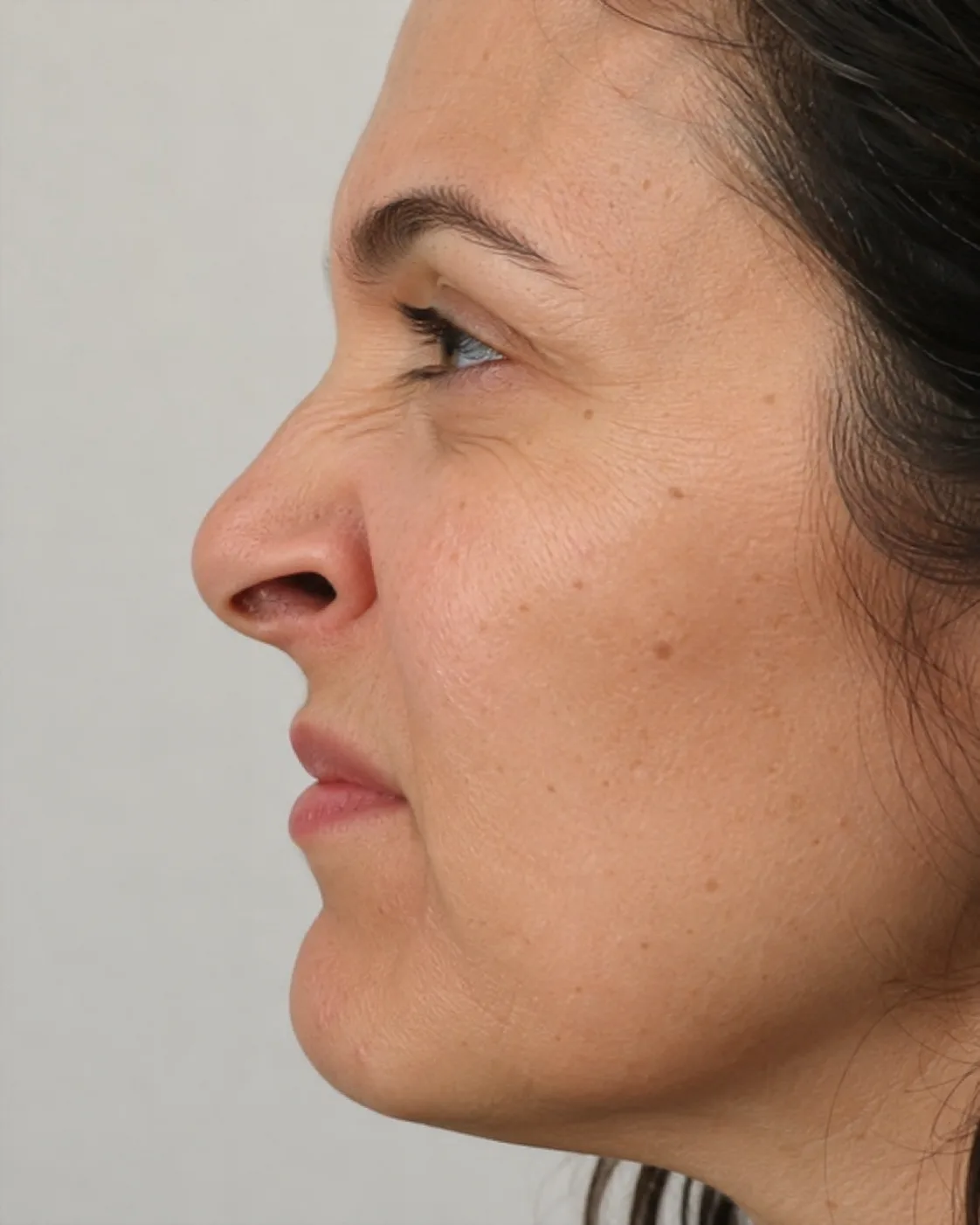
Which nearby pages should you compare?
To compare the pathway without changing the safety standard, read volume treatment Melbourne, Volume Treatments Oakleigh, Volume Treatment Toorak, Volume Treatment Safety, Aesthetic Consultation South Yarra, Lip Volume South Yarra and Cheek Volume South Yarra.
If you want a broader decision page, also use treatment suitability assessment and patient safety in aesthetic consultation.
What risk factors and informed consent points are discussed?
A careful consultation should include common short term effects, individual risk factors, rare serious warning signs and what to do if concerns arise later. Relevant discussion can include redness, bruising, swelling, tenderness, asymmetry, lumps, infection, delayed inflammatory reaction and dissatisfaction. The guide should not suggest that risk discussion can be skipped or that one plan suits everyone.
Same day treatment is not assumed. Some adults may be suitable for treatment discussion after assessment, but Corey may also recommend waiting, review later or no treatment if that is more appropriate.
How can you verify the Oakleigh clinic information?
Core Aesthetics consults from 12A Atherton Road, Oakleigh VIC 3166. The clinic phone number is 0491 706 705. Corey Anderson RN is a Registered Nurse with Ahpra registration NMW0001047575.
Use Verify Corey Anderson RN, contact, pricing and book a consultation to confirm the details before you decide on the next step.
When should you book or wait?
Book a consultation when you want the concern assessed before deciding what to do next. Wait, or seek medical advice first, if the concern is sudden, painful, medically unusual or changing quickly. In those situations a cosmetic page should not be the first stop.
If you feel rushed, unwell or unsure about consent, there is no need to proceed on the spot. A careful appointment can still be worthwhile even when the answer is to wait or gather more information.
What should you do next?
If you are ready to talk through whether facial volume treatment is appropriate, book a consultation. If you are still checking the clinic details, use Verify Corey Anderson RN, contact or pricing first. That keeps the next step calm and centred on suitability rather than pressure.
What does general information mean here?
This local guide is written as general information for adults considering facial volume assessment. It does not provide personal medical advice, diagnosis, urgent care or confirmation of treatment. Personal advice needs consultation with an appropriately qualified health practitioner.
Is this for you?
Consider booking a consultation if
- Adults near South Yarra wanting facial volume and structure assessment before treatment discussion
- Patients who want consultation-first explanation of facial volume, skin quality, risk and consent
- People open to waiting, referral, review later or no treatment where that is more appropriate
- Patients who want to verify Corey Anderson RN and the Oakleigh clinic before booking
This may not be for you if
- People seeking treatment without assessment, consent or risk discussion
- People with urgent medical symptoms, active infection, acute swelling or rapidly changing facial symptoms
- People wanting a fixed cosmetic change before facial structure and skin quality are assessed
- People seeking advice for someone who cannot provide informed consent for elective cosmetic care
Suitability is confirmed at consultation. This list is general guidance, not a substitute for clinical assessment.
Frequently asked questions
Is volume treatment suitable for everyone in South Yarra?
No. Suitability depends on facial structure, skin quality, medical history, previous treatment, timing, expectations and whether risks can be properly discussed. Corey Anderson RN may recommend treatment planning, waiting, review later or no treatment after assessment.
What does Corey assess before volume treatment is discussed?
Corey assesses cheeks, midface, temples, folds, jawline transition, skin quality, medical history, medicines, previous treatment, pregnancy or breastfeeding status if relevant, timing, aftercare needs and whether informed consent can be properly given.
Can treatment happen on the same day as consultation?
Sometimes, but it is not automatic. Corey first needs to assess suitability, explain relevant risks and alternatives, confirm informed consent and decide whether proceeding is appropriate. Waiting or no treatment may be more appropriate.
How is this different from the main Melbourne volume page?
The main Melbourne page is the broader service hub. This local page is for South Yarra readers comparing Oakleigh access and focuses on the same clinical pathway: facial assessment, suitability, consent, timing, aftercare planning and verification.
What if I have had treatment elsewhere?
Tell Corey when it happened, what area was treated and whether there has been swelling, firmness, heaviness, asymmetry or a change you dislike. Prior treatment can change whether further treatment, waiting or referral is most appropriate.
Does local access make treatment more likely?
No. Local access may make consultation, review and aftercare contact easier, but it does not make treatment more suitable. The clinical decision still depends on assessment, consent, timing, risks, medical history and whether proceeding is appropriate for the individual patient.
What risks are discussed for volume treatment planning?
Relevant risks can include bruising, swelling, tenderness, asymmetry, lumps, infection, delayed inflammatory reaction, dissatisfaction and rare but serious vascular warning signs. Corey discusses risks, aftercare and what to do if symptoms feel unusual before any treatment decision is made.
What if the concern is mostly skin quality?
Skin quality, texture, lighting, dryness, sun exposure, weight change and natural anatomy can all look like volume change. Corey may explain that a volume treatment plan is not suitable, or that waiting, skin care discussion, referral or no treatment is more appropriate.
How should I plan around swelling and events?
Do not book close to major work, travel, photography or social commitments. Swelling and bruising can occur and may change over several days. Timing is part of suitability, and Corey may recommend delaying treatment discussion if review access or recovery timing is not sensible.
How can I verify the clinic before booking?
Core Aesthetics lists Corey Anderson as a Registered Nurse with Ahpra registration NMW0001047575. Patients can use the Verify Corey Anderson RN page, the clinic contact details and the Ahpra public register to check practitioner and clinic information before booking.