Volume treatments in Oakleigh at Core Aesthetics are assessed through consultation, not chosen from a treatment menu. Corey Anderson RN reviews the concern, facial structure, cheek and midface support, lips, folds, lower face balance, skin quality, previous treatment, medical history, expectations, timing, risks and suitability before deciding whether treatment discussion, waiting, referral, correction review or no treatment is appropriate.
What Does A Volume Options Consultation Assess?
Volume treatments in Oakleigh at Core Aesthetics are assessed through consultation, not chosen from a treatment menu. Corey Anderson RN reviews the concern, facial structure, cheek and midface support, lips, folds, lower face balance, skin quality, previous treatment, medical history, expectations, timing, risks and suitability before deciding whether treatment discussion, waiting, referral, correction review or no treatment is appropriate.
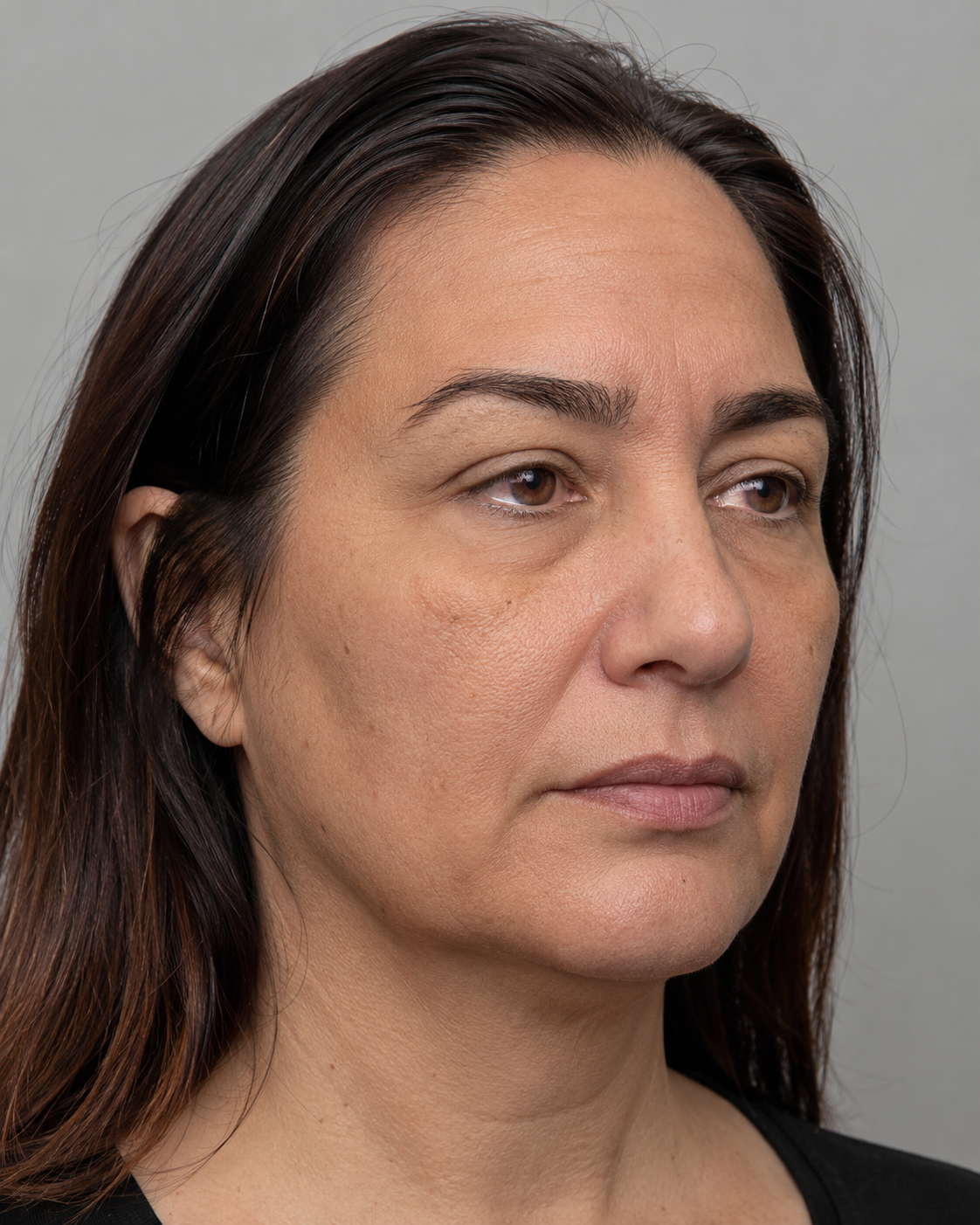
People usually search for volume treatments when the face looks flatter, heavier, less supported, hollow in one area or less balanced than it used to. The difficulty is that the visible change does not always identify the safest pathway. A fold may relate to cheek support, skin quality or movement. A lower face concern may relate to chin support, jowls, jawline transition or skin laxity. A lip concern may be more about proportion or previous treatment than volume.
How Are Volume Concerns Separated?
This table helps separate common volume related concerns from the assessment questions that matter. It is general guidance only and does not replace individual consultation.
| What you notice | What Corey may assess | Possible consultation direction |
|---|---|---|
| Cheeks or midface look flatter | Cheek support, under eye relationship, facial width, skin quality, natural asymmetry and previous treatment. | Cheek or midface discussion, broader review, waiting or no treatment. |
| Temples or upper face look hollow | Facial frame, brow and eye relationship, skin quality, weight change and whether the concern is suitable for clinic discussion. | Education, conservative planning, referral, waiting or no treatment. |
| Folds around the mouth are prominent | Midface support, skin laxity, facial movement, dental context, lower face structure and previous treatment. | Volume pathway, movement or skin pathway, referral or no treatment. |
| Lips or mouth area feel less supported | Lip proportion, border support, mouth corners, chin relationship, smile movement and prior lip treatment. | Lip consultation, lower face review, waiting, correction assessment or no treatment. |
| Lower face looks heavier | Jawline border, chin support, jowl change, skin quality, cheek support and whether adding volume could worsen heaviness. | Lower face assessment, jawline or chin page, surgical opinion, waiting or no treatment. |
| Previous treatment feels overdone | Timing, records, swelling, firmness, asymmetry, heaviness and whether more treatment would increase risk. | Records review, correction discussion, original clinic review, referral, waiting or no treatment. |
Which Areas Might Be Discussed?
Volume related consultation may include cheeks, midface, temples, folds near the mouth, lips, mouth corners, chin relationship, jawline transition and whole face proportion. The area that matters most depends on anatomy, movement, skin quality, prior treatment, timing and expectations.
For cheek and midface concerns, Corey may review facial support, under eye transition, cheek contour, facial width and whether the plan would keep the face balanced. For lips and the mouth area, he may review proportion, movement, tissue behaviour and whether previous treatment changes the conversation. For lower face concerns, he may review chin support, jawline border, jowls, neck transition and whether adding volume would help or make heaviness worse.
What If The Concern Is Facial Volume Loss?
Facial volume loss is a patient friendly phrase, but it still needs careful assessment. Some changes relate to normal ageing, weight change, skin quality, facial fat distribution, dental support, previous treatment or lighting and expression in photographs. The same phrase can describe different clinical situations.
Corey may ask when the change became noticeable, whether it is still changing, what previous cosmetic treatment has occurred, whether medical or dental factors are relevant and what kind of change the patient wants to avoid. That helps separate a possible volume discussion from skin care, waiting, referral or no treatment.
How Does Previous Treatment Change The Conversation?
Previous treatment can make volume planning more complex. Corey may ask when it was performed, where it was performed, what area was treated, whether records are available, how the area settled and whether swelling, firmness, heaviness, asymmetry or migration concern remains.
More treatment is not automatically the next step. Depending on what is visible and what cannot be confirmed, Corey may recommend waiting, gathering records, returning later, seeking review with the original clinic, considering correction assessment or avoiding treatment discussion on the day.
When Is Waiting Or No Treatment Safer?
Waiting may be safer when the concern is still changing, previous treatment has not settled, records are unclear, event timing is poor, skin is irritated, health history needs review, expectations need more discussion or the safest decision is to observe before planning.
No treatment may be safer when the likely benefit is limited, risk outweighs benefit, a surgical or medical pathway is more appropriate, adding volume may worsen heaviness, or the patient wants a fixed visible change that cannot be promised. A consultation that ends with waiting or no treatment can still be a valuable appointment.
If a symptom is painful, infected, rapidly changing, associated with vision symptoms, dental infection, fever or general illness, urgent medical or dental advice should come before routine cosmetic review.
Can Treatment Be Discussed On The Same Day?
Core Aesthetics is consultation led, not treatment avoidant. Some adults may be suitable for same day treatment discussion, but this is not automatic. Same day treatment depends on individual assessment, informed consent, risk discussion, patient readiness, practical timing and Corey deciding that proceeding is clinically appropriate.
Booking a consultation does not mean treatment will happen. If the clinical picture is unclear, if the patient wants time to think, if previous treatment history needs records, if event timing is poor or if the concern is not suitable, delaying or not proceeding may be the safer decision.
What Risks And Limits Should Be Discussed?
Risk discussion may include swelling, bruising, tenderness, asymmetry, infection, delayed settling, visible irregularity, dissatisfaction and rare urgent complications. The exact risks and aftercare depend on the area, treatment pathway, health history, previous treatment and clinical plan being discussed in consultation.
Limits matter just as much as risks. Volume planning cannot create a different face, tighten skin like surgery, solve every fold, repair dental structure, remove normal asymmetry or promise a visible change. It also may not suit a concern that is mainly skin laxity, movement, medical, dental or surgical in nature.
How Should Reference Photos Be Used?
Reference photos can help explain language, such as softer, more supported, less hollow or less heavy. They should not be treated as targets to copy. Lighting, filters, editing, camera angle, facial expression, weight, genetics and previous procedures can all make another person a poor guide for your own assessment.
Corey may use references as communication aids while still assessing your face, medical history, risk profile and expectations. If a reference suggests a change that would not suit your anatomy or risk tolerance, that should be explained before any decision is made.
How Should You Prepare For The Appointment?
Bring current medicines, supplements, allergies, relevant medical history, previous cosmetic treatment dates, records if available, recent dental or skin procedure details and upcoming event timing. Approximate dates are useful if formal records are not available.
It also helps to describe what you notice in plain language. You can say that the face looks flatter, tired, hollow, heavier, less balanced or different in photos. Corey can then translate that concern into assessment questions rather than expecting you to arrive with the right treatment label.
How Can You Verify Corey And The Clinic?
Core Aesthetics is located at 12A Atherton Road, Oakleigh VIC 3166. Phone: 0491 706 705. Volume related consultations are led by Corey Anderson, Registered Nurse. Ahpra registration: NMW0001047575.
Patients can check clinic and practitioner details on the Verify Core Aesthetics page before booking. This page was reviewed on 7 June 2026 for consultation-first wording, clinic facts, product neutral patient information, suitability, risk, consent and image compliance.
Which Page Should You Read Next?
For the broader volume pathway, read volume treatments Melbourne, volume treatment Melbourne and facial volume consultation. For local context, read volume treatment Oakleigh. For specific concerns, read cheek volume Melbourne, cheek volume consultation Melbourne, facial volume loss Melbourne, nasolabial fold consultation, correction and reversal consultation, jawline consultation and chin consultation.
For safer decision making, read treatment suitability assessment, volume treatment safety, patient safety, what to ask before consultation, when to wait, why we sometimes say no, pricing, book and contact.

Is this for you?
Consider booking a consultation if
- You are an adult comparing volume related facial concerns before choosing where to begin
- You want cheek, midface, lip, fold or lower face context assessed before treatment discussion
- You have previous cosmetic treatment records or concerns that need careful review
- You value conservative planning and accept that waiting or no treatment may be safer
This may not be for you if
- You want treatment without assessment, consent or risk discussion
- You need urgent medical or dental advice for painful, infected or rapidly changing symptoms
- You want a promised visible change before assessment
- You are booking because of event pressure or comparison images rather than a considered consultation
Suitability is confirmed at consultation. This list is general guidance, not a substitute for clinical assessment.
Frequently asked questions
What does a volume treatments consultation assess?
A volume treatments consultation assesses the concern, facial structure, cheek and midface support, lips, folds, lower face balance, skin quality, previous treatment, medical history, timing, expectations, risks and suitability. Corey Anderson RN may recommend treatment discussion, waiting, referral, correction review or no treatment.
Is this a treatment menu?
Which areas can volume related consultation include?
Can treatment happen on the same day?
Some adults may be suitable for same day treatment discussion, but this is not automatic. Same day treatment depends on assessment, informed consent, risk discussion, patient readiness, timing and Corey deciding that proceeding is clinically appropriate on the day.
When might waiting be recommended?
Waiting may be recommended when previous treatment is still settling, records are unclear, health or weight is changing, skin symptoms are present, event timing is poor, expectations need more discussion or the safest decision is to observe before planning. Waiting can protect the patient.
Can Corey recommend no treatment?
Yes. No treatment may be recommended if the concern is unsuitable for volume planning, risk outweighs likely benefit, expectations are unrealistic, the issue is outside cosmetic scope, referral is more appropriate or adding treatment could make the concern heavier or less balanced.
How are cheek and midface concerns assessed?
Cheek and midface assessment may review facial support, under eye relationship, cheek shape, skin quality, previous treatment, natural asymmetry and how the upper face relates to the lower face. The recommendation may involve cheek planning, broader review, waiting or no treatment.
How are lip and mouth area concerns assessed?
Lip and mouth area concerns may involve proportion, shape, border support, movement, previous treatment, mouth corners, chin relationship and whole face balance. A patient may describe the concern as volume when the safer discussion is shape, movement, tissue behaviour or waiting.
What if I have had treatment elsewhere?
Bring treatment dates, clinic details, photographs and records if available. Previous treatment can affect tissue firmness, swelling, heaviness, asymmetry, migration concern, expectations and suitability. Corey may recommend waiting, records review, correction assessment, original clinic review or no additional treatment discussion.
Are photos enough to decide which option is suitable?
Photos can help explain what you notice, but they are not enough to decide suitability. Lighting, angle, expression, editing, previous treatment and natural asymmetry can mislead. Corey uses photos as discussion aids alongside assessment, health history, risk review and consent.
What risks and limits are discussed?
Risk discussion may include swelling, bruising, tenderness, asymmetry, dissatisfaction, infection, delayed settling, visible irregularity and rare urgent complications. Limits are also discussed, including when volume planning cannot address skin laxity, surgical level concerns, dental structure, medical symptoms or unrealistic expectations.
How can I verify Corey before booking?
Core Aesthetics lists Corey Anderson as a Registered Nurse with Ahpra registration NMW0001047575. Patients can use the Verify Core Aesthetics page, contact page and Ahpra public register to check practitioner and clinic details before booking or attending.