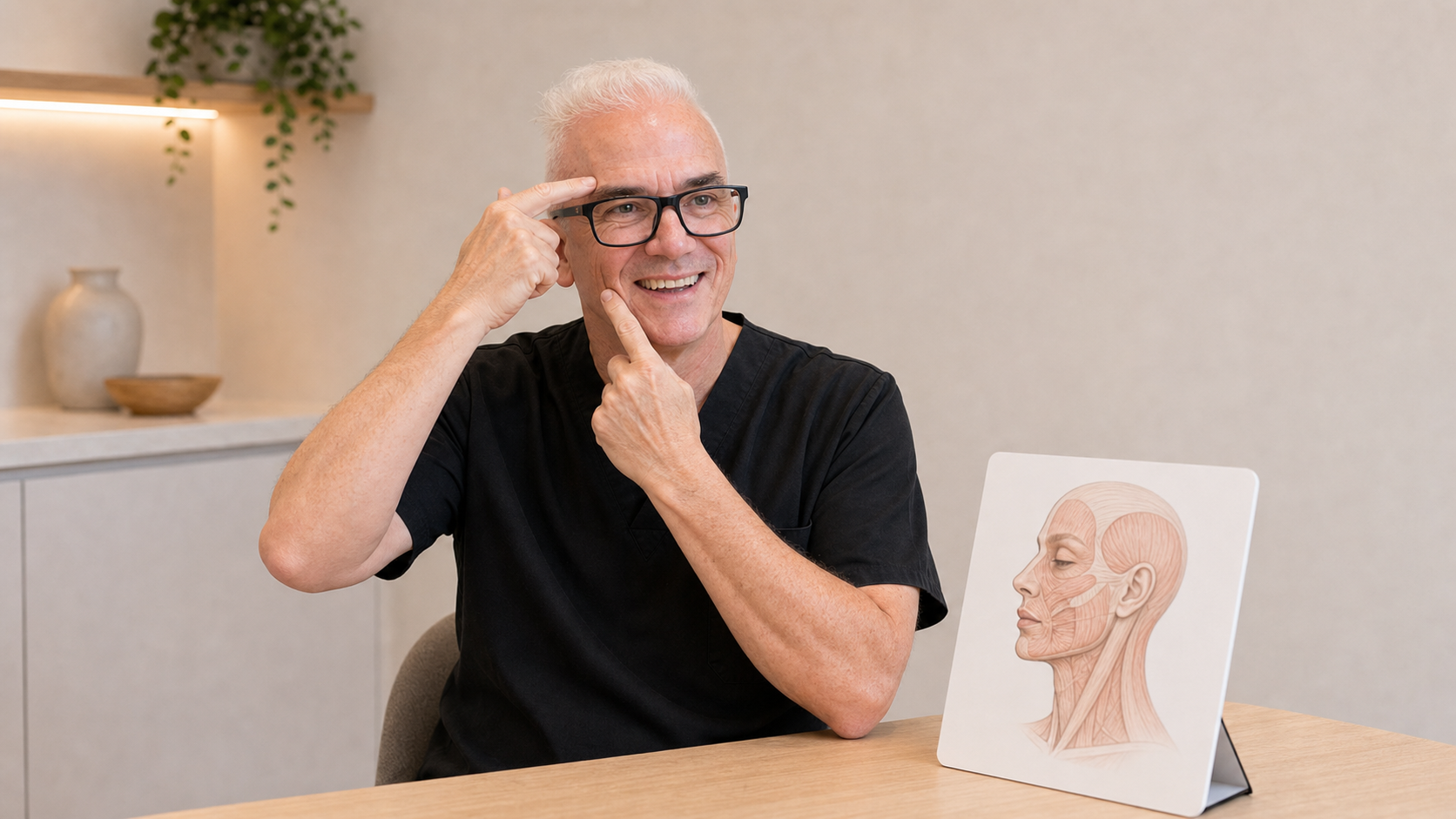
Yes, when you can give the first conversation enough time and keep a realistic path back to Oakleigh if review is needed. Corey Anderson RN begins with the facial change you have noticed, considers structure, skin, movement, health history and previous cosmetic care, then explains whether more information, waiting, another pathway or a cosmetic discussion is appropriate. Your work, social, travel and event plans matter because they should never compress assessment, consent or follow-up.
Make room for a useful first conversation
If a change through the cheeks, midface or overall facial balance has made you curious, you do not need to arrive with a treatment choice. Bring what you have noticed and let the appointment begin there.
This page is for adults coming from St Kilda who want the Oakleigh visit to feel calm rather than squeezed between work, social plans, travel or an important event. The practical question is not simply whether you can get to the clinic once; it is whether you have enough room for assessment, your own decision and any review that may be appropriate.
Is this the right St Kilda page for you?
Your diary shapes the visit
You want to plan an unhurried Oakleigh consultation around work, social commitments, travel and possible review.
The change itself is unclear
Use the facial change assessment guide when your first question is what may be causing a hollow, shadow or change in shape.
Several concerns need sorting
Use the St Kilda consultation page when you want a broader first-visit and route-planning overview.
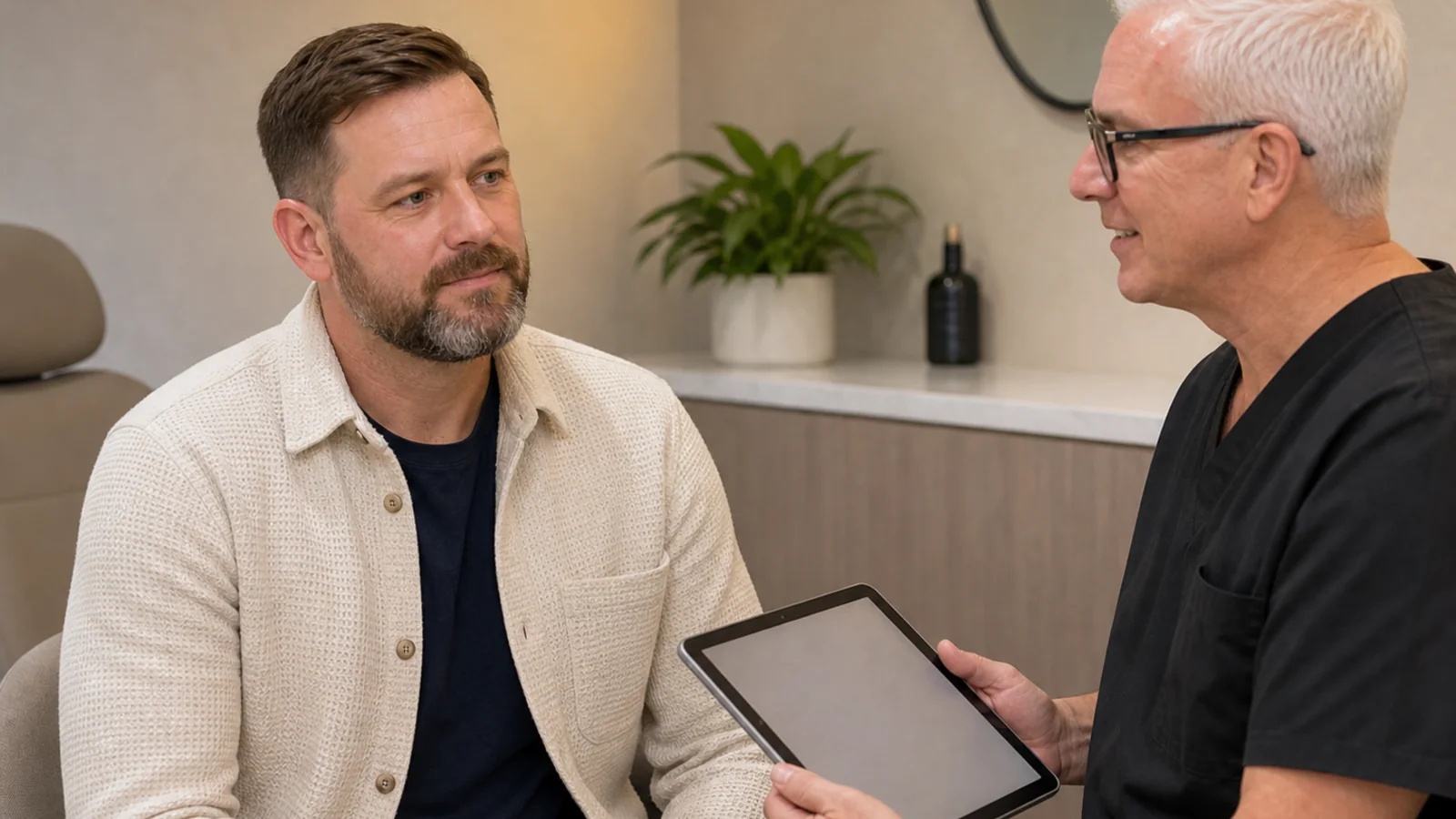
Begin with the change, not a finished plan
Facial volume is only one possible part of the picture. Corey looks at the area at rest and in natural movement, then considers skin quality, facial support, weight change, natural asymmetry and how neighbouring features relate.
Your health history, medicines, previous cosmetic care and expectations add important context. The conversation may lead to reassurance, more observation, another care pathway or an individual cosmetic discussion. If an option is appropriate, its material risks, alternatives, limits and costs are discussed before you decide.
Give the decision more room than the diary
A practical plan protects your choice rather than making an appointment feel inevitable.
Check the week around it
Note important work, social, travel, dental or photography commitments so timing can be discussed honestly.
Keep questions ahead of decisions
Use the appointment to understand the concern, options and limits. Same-day care is not assumed.
Keep return access realistic
Know how to contact the clinic and whether you could return to Oakleigh if Corey recommends review.
Your calendar belongs in the consultation
Tell Corey about commitments that would make ordinary short-term changes, questions or a return visit difficult to manage. You do not need to predict a recovery timeline yourself. The useful decision is whether the timing leaves enough space for informed consent, written aftercare and access to review.
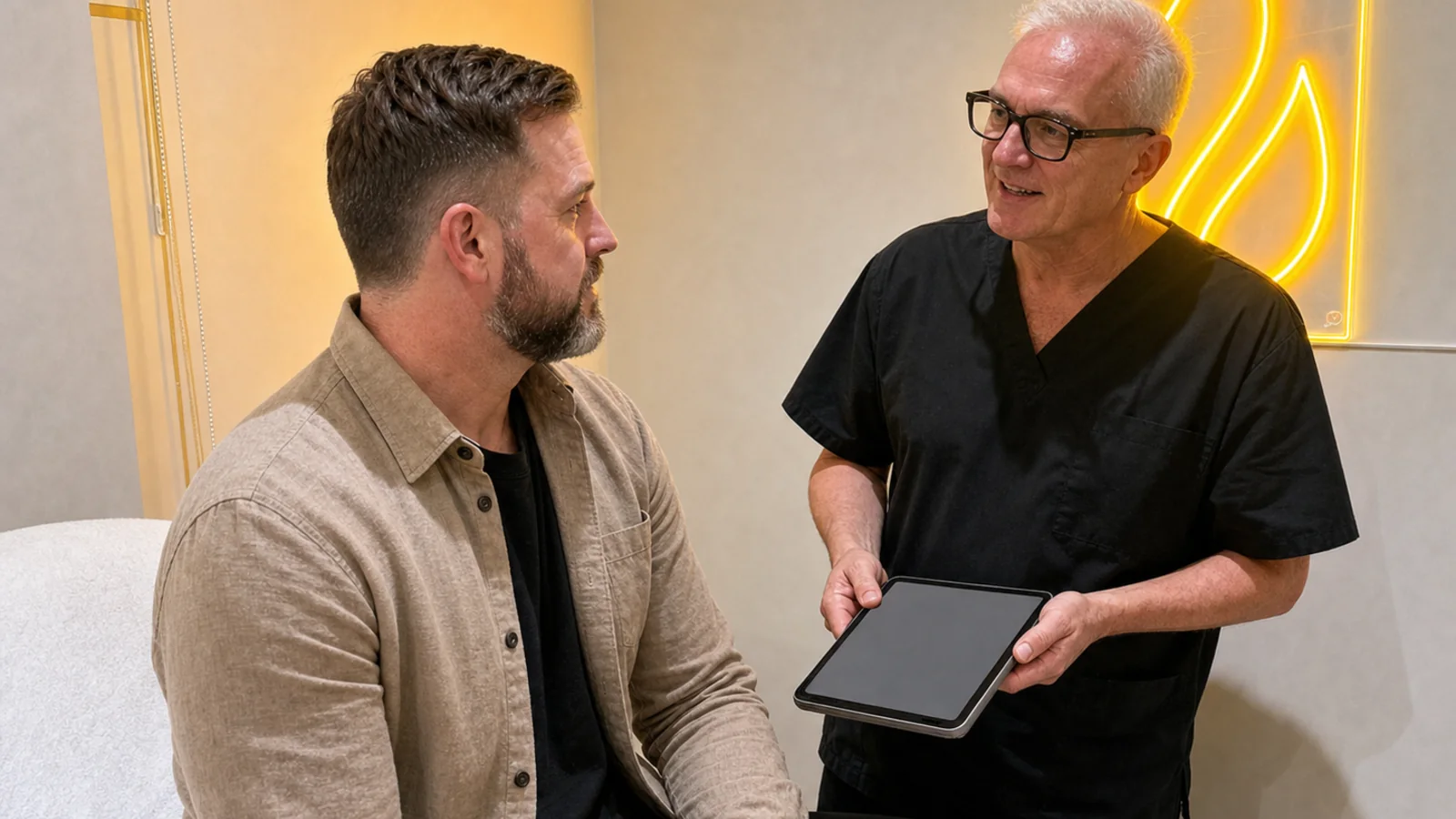
What Corey works through with you
Corey asks what has changed, when you notice it and what you would like to understand. He considers facial structure and support alongside skin, movement, proportions and previous care rather than judging one area in isolation.
He also checks the clinical context: relevant health history, medicines, allergies, current skin or dental concerns, previous treatment records where available and whether your expectations and timing support a voluntary decision. You can use the visit for information only and take more time afterwards.
Bring a short practical brief
| Bring this | What to include | Why it helps |
|---|---|---|
| What you noticed | The area, when it stands out and whether it changes with light, expression or recent weight change. | It gives the assessment a clear patient-led starting point. |
| Relevant history | Medicines, allergies, health changes and dates or records from previous cosmetic care. | It helps Corey identify questions, limits or reasons to wait. |
| Your real diary | Work, travel, social, dental, photography or event commitments and how easily you could return. | It keeps consent, aftercare and possible review practical. |
When another step should come first
Waiting is sensible when you feel rushed, important history is missing, previous care has not settled, the skin is acutely irritated or returning for review would be unrealistic. A rapidly changing concern, active infection, significant unexplained swelling or another health issue may need assessment through a different clinical pathway first.
Core Aesthetics is not an emergency service. For severe or rapidly worsening symptoms, breathing difficulty, sudden visual change or another urgent concern, seek urgent medical care rather than relying on a website or routine booking.
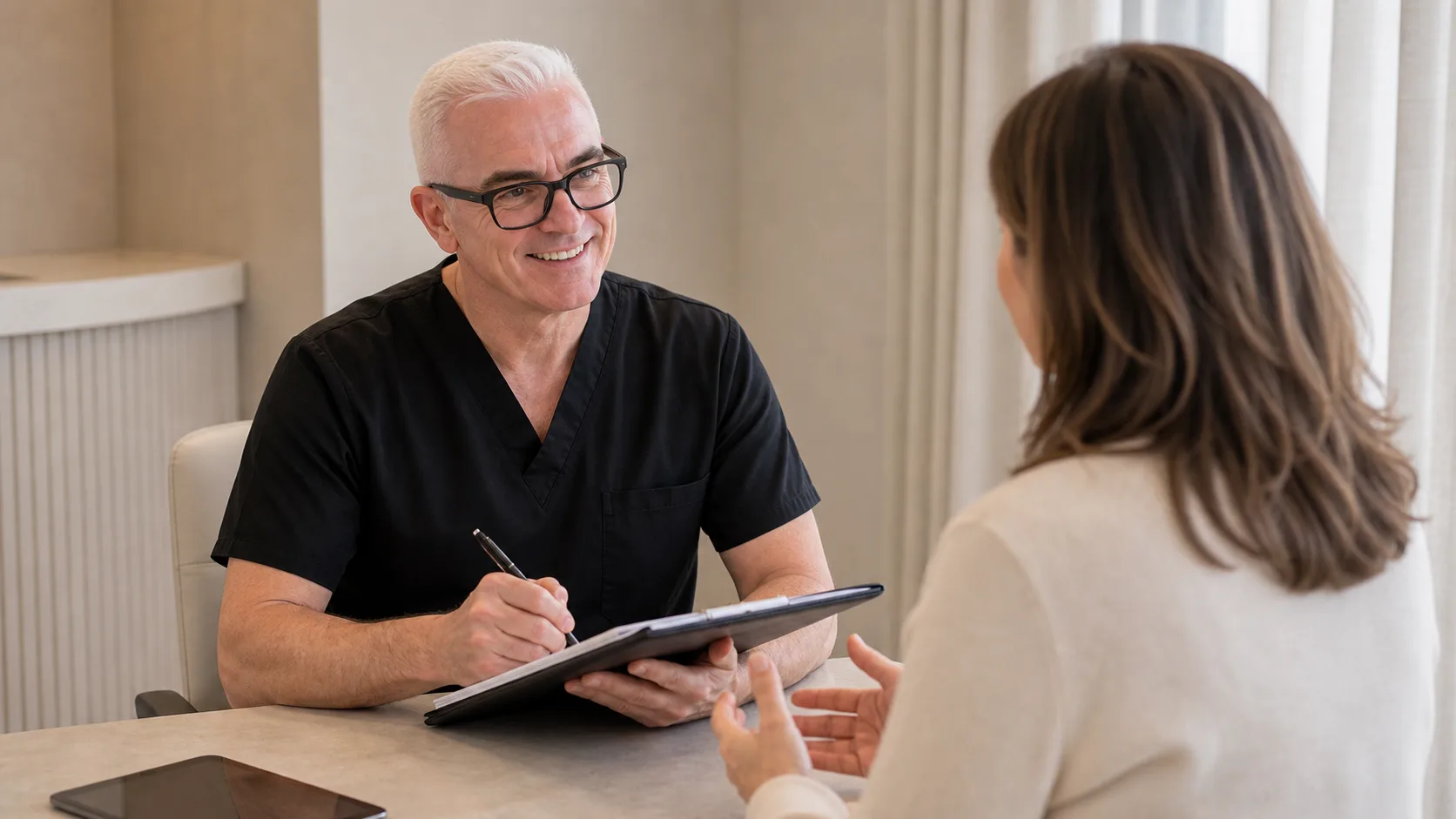
Plan a calm visit from St Kilda
Meet Corey at the private Oakleigh clinic and use the appointment to understand the facial change, the available choices and whether the timing works for you.
Bring relevant history and the commitments that matter to you. Corey assesses first and explains the appropriate next step; the visit may remain a conversation, and treatment is never automatic.
The public guidance behind this page
The TGA’s health-service advertising guidance and its cosmetic-services FAQ support focusing public information on practitioner consultations rather than directly or indirectly promoting prescription medicines. The Ahpra advertising guidelines set expectations for responsible higher-risk cosmetic-procedure advertising.
These sources shape the public communication boundary. They do not decide what is causing an individual facial change, predict an outcome or establish suitability.
Give the question time to be heard
Meet Corey, explain what you have noticed and leave with a clearer next step, whether that is more time, another pathway or an individual discussion.
Is this for you?
Consider booking a consultation if
- Adults from St Kilda who want to understand a facial change before choosing any treatment pathway
- People who want work, social, travel and event commitments included in consultation planning
- People who value practitioner continuity and realistic return access to Oakleigh
- People open to more time, another pathway or no treatment when that is appropriate
This may not be for you if
- Anyone seeking urgent assessment for severe or rapidly worsening symptoms
- Anyone with an active infection, significant unexplained swelling or an unsettled previous procedure
- Anyone seeking a promised outcome or a plan without individual assessment
- Anyone unable to allow time for informed consent or practical follow-up
Suitability is confirmed at consultation. This list is general guidance, not a substitute for clinical assessment.
Frequently asked questions
Is this facial volume information page only for St Kilda local adults?
No. It is written for local nearby adults because allocated time preparation, travel and return care pathway affect whether Oakleigh is real world. The same clinical assessment first principles apply to nearby adults, and the information page helps readers prepare questions, verify the practitioner and decide whether appointment planning is sensible.
What should a St Kilda local adult prepare to clinical assessment?
Write down what you want worked through, when it changes, what you have tried and what schedule pressures matter. Corey also needs clinical background, medicines, allergies and prior cosmetic treatment pathway context before choosing discussing suitability.
Can I book a visit expecting treatment pathway at the first visit?
A first visit is a clinical assessment, not confirmation that treatment pathway will occur. If moving forward is suitable, this can be discussed after assessment. If the safety context, schedule or expectations are unclear, waiting may be the responsible outcome.
Should I start with this information page or the main volume treatment pathway Melbourne page?
The main guide gives the wider framework. The local guide is for the appointment planning judgement, including travel, return care pathway, practitioner verification and questions to prepare into the clinical assessment.
What if I am comparing Elwood, Brighton, Safety and St Kilda?
Use the nearby local guides to compare logistics and reading pathways, not to chase a different claim. The clinical judgement still depends on individual clinical assessment, practitioner verification, safety context considerations, consent process and whether return care pathway from your starting point is realistic.
Which risks may come up in clinical assessment?
The safety conversation depends on health history, anatomy, prior cosmetic treatment pathway and schedule. Possible issues may include asymmetry, lumps, infection, delayed inflammatory reaction, dissatisfaction and rare vascular red flags, the need for review or a recommendation not to move forward.
When is review or referral more responsible?
Review or referral may be more appropriate if symptoms are unusual, the visible concern is changing quickly, background is incomplete or another health issue should be worked through first.
Where is Core Aesthetics Oakleigh clinic and who leads the clinical assessment?
The Oakleigh clinic is in Oakleigh and clinical assessment is led by Corey Anderson, Registered Nurse. You can verify Ahpra registration NMW0001047575 and use the contact information page if you need practical information first.