Start by identifying when the appearance concern began and which image, camera condition or edit made it feel urgent. Then ask what you expect to change in ordinary life, whether the request stays stable away from the feed and what evidence would support doing nothing. Corey Anderson RN must consider motivation, expectations and relevant psychological and social factors during suitability assessment. He does not diagnose body dysmorphic disorder. Significant distress or signs of an underlying condition require independent assessment and may make cosmetic care inappropriate.
What Is The Six Question Concern Source Check?
Use one page of notes and answer six questions in plain language: When did I first notice this? Which image or situation intensified it? What do I expect to change outside my appearance? Is the request stable across ordinary weeks? Is the concern changing how I function? What evidence would support doing nothing?
The check is not a mental health test and it does not decide suitability. Its purpose is to make the origin and expected destination of the request visible before a commercial decision begins.
Did You Notice The Feature Before The Feed Named It?
Record the earliest ordinary moment you remember noticing the concern. Then record the post, comment, trend, consultation advertisement or filtered image that made it feel urgent. Those may be different events.
A concern that existed before social media is not automatically suitable for a procedure. A concern that began online is not automatically invalid. The distinction helps Corey ask a better question: what is being assessed in the person, and what belongs to the image environment?
Why Is A Close Selfie Not A Neutral Measurement?
Camera distance changes apparent facial proportions. A 2022 study comparing close front camera selfies with standard clinical photography found measurable differences in features including nasal length and facial ratios. That does not mean every selfie is misleading in the same way; it means a close image should not be treated as a ruler.
Bring the image if it explains the trigger, but keep the original file and identify the camera, distance, angle, crop, light and any edits you know about. Assessment should return to live anatomy, movement, history and reproducible documentation.

What Can A Filter Or Repeated Feed Change?
Australia’s eSafety Commissioner explains that repeated exposure to edited, filtered or AI generated bodies can begin to feel like a normal baseline. It also warns that appearance content may be designed to create insecurity so a product or procedure can be sold.
A 2025 systematic review of social media, self-objectification and body image research found positive associations with body surveillance and some body image concerns. The authors also reported that the evidence base was limited. That supports careful questioning, not a claim that a feed caused one person’s concern or that cosmetic care will resolve it.
Ask who made the image, whether the account profits from the concern and whether the “problem” has a newly invented name. A persuasive label is not a diagnosis, anatomical finding or reason for treatment.
Which Promise Is Attached To The Appearance Change?
Finish this sentence: “If this feature changed, then I would…” The ending matters. A physical description such as “see less of a line in one lighting condition” can be discussed and tested for realism. A promise such as being accepted, repairing a relationship, keeping a job or finally feeling worthy cannot be delivered by a cosmetic procedure.
Ahpra advertising guidance specifically rejects unsupported claims that higher risk cosmetic procedures will improve confidence, body image, self esteem or a person’s life. Those outcomes should not be smuggled into a consultation as if they were clinical endpoints.
How Stable Is The Request Away From A Trigger?
Compare an ordinary week with the hours after scrolling, receiving a comment or taking many close photographs. Note whether the requested feature, preferred degree of change and urgency remain the same.
Instability does not prove a disorder. It does tell the practitioner that more time and questions are needed. A procedure should not be used to settle a request that changes with every image, mood or opinion.
What Does The Concern Do To Daily Life?
Consider time and function rather than judging whether the feature is “bad enough”. Are appearance thoughts consuming large parts of the day? Are you repeatedly checking or avoiding mirrors, photographs, work, study, exercise, relationships or social situations? Are you constantly seeking reassurance?
Healthdirect lists persistent preoccupation, repetitive checking or grooming, comparison, avoidance and significant distress among signs associated with body dysmorphic disorder. These signs are reasons to speak with a GP or mental health professional. They are not a checklist for diagnosing yourself.
What Must A Registered Practitioner Assess?
Ahpra’s current cosmetic procedure guidelines were issued on 2 September 2025. They require a holistic assessment that considers history and relevant psychological, social and cultural factors. The practitioner must discuss internal and external motivation, examine whether expectations are realistic and consider conditions such as body dysmorphic disorder that may make a person unsuitable.
Signs of a significant underlying condition or psychological issue require independent assessment by an appropriate registered practitioner before any procedure begins. The cosmetic practitioner must decline when a procedure is not appropriate.
What Is Corey Anderson RN Responsible For Here?
Corey Anderson is a Registered Nurse responsible for asking, listening, documenting and deciding whether cosmetic discussion is within scope. He can identify a reason to pause and arrange or recommend independent assessment. He is not using a cosmetic consultation to diagnose body dysmorphic disorder or provide psychological treatment.
Answering a screening question honestly does not commit you to a label. It gives Corey information needed to avoid turning distress, coercion or an unstable expectation into a procedural plan.
What Questions Belong In The Consultation?
| Question | What it tests | Possible endpoint |
|---|---|---|
| Why now? | The event or influence behind urgency | Continue, wait or remove time pressure |
| Whose idea was the change? | Autonomy and external influence | Private discussion or no procedure |
| Which image defines the goal? | Editing, camera conditions and realism | Reframe the reference or stop |
| What would change in daily life? | Unsupported social or emotional promises | Clarify limits or seek other support |
| How will Corey explain the next step after assessment? | Whether a genuine stop rule exists | Information, more time or a voluntary no |
| Can you tolerate an imperfect result? | Understanding of variability and risk | Discuss limitations, pause or decline |
Which Risks Must Stay Visible?
Cosmetic procedures can involve pain, swelling, bruising, infection, asymmetry, an unwanted appearance, tissue injury, vascular complications and the need for review or further care, depending on what is being considered. Individual risks, recovery and alternatives must be discussed before consent.
A filtered preview, influencer story or positive photograph cannot establish your likelihood of benefit or harm. An adverse outcome may also intensify existing appearance distress, which is another reason motivation and wellbeing cannot be separated from risk assessment.
What Does The Conversation Look Like In The Room?
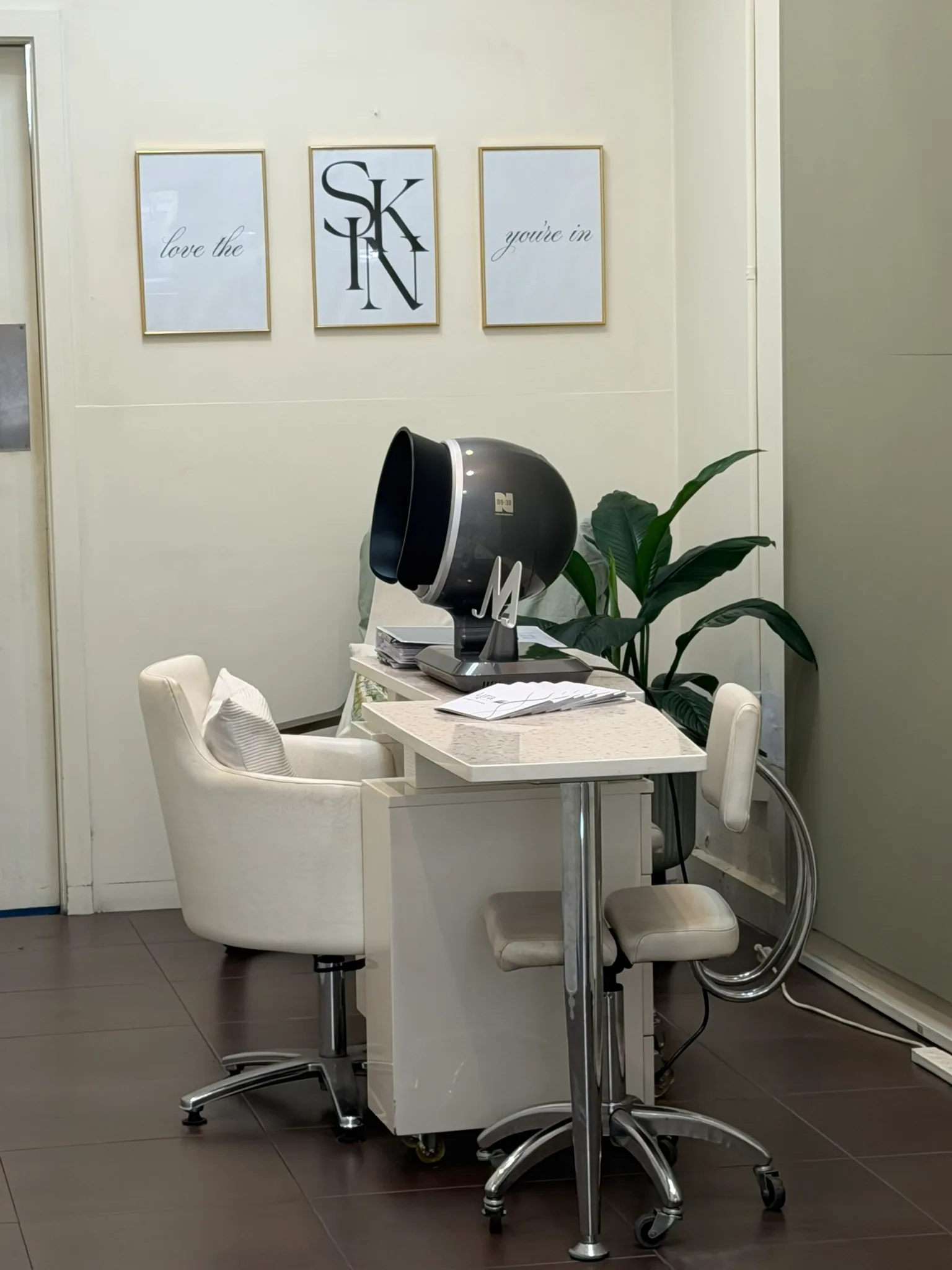
At the Core Aesthetics clinic in Oakleigh, Corey asks for the concern in your own words before looking at saved images. The sequence then moves through history, motivation, live assessment, expectations, risks, alternatives and whether independent input is needed.
The genuine desk below is where the reasoning is explained. The aim is a clear explanation of the concern, suitable options, timing and review needs.
When Is A Pause Clinically Useful?
A pause is useful when the request appeared suddenly after online content, the desired feature keeps changing, a partner or audience is driving the request, the hoped-for benefit is mainly social or emotional, or appearance thoughts are disrupting daily life. Missing history or uncertainty about previous care can also require more time.
The pause may end with a later reassessment, independent GP or mental health input, or a decision not to pursue cosmetic care. It should not be framed as punishment, rejection or a tactic to make the person prove they want it enough.
How Should You Use A Filtered Reference Image?
Keep it as evidence of the idea, not evidence of anatomy. Say whether it is you or someone else, whether it is filtered or generated, and which part of the image drew your attention. Do not ask a practitioner to reproduce an entire face, identity or lighting condition.
Ahpra prohibits advertising that uses automated tools to predict a person’s appearance with or without a higher risk cosmetic procedure. Core Aesthetics does not use a simulated “after” image as a promise of outcome.
What Would A Real Stop Rule Sound Like?
A stop rule might be: “I would not proceed if the risk is higher than I expected”, “I need the request to remain stable without filtered references”, “I want independent advice first” or “I would rather do nothing than accept the likely limitation”. Write your own before the appointment.
A decision process without a possible no is not balanced. The option of no procedure must remain available after you have travelled, paid for consultation or heard an option described.
When Should A GP Or Mental Health Professional Come First?
Speak with a GP or mental health professional when appearance thoughts are persistent, distressing, repetitive or interfering with daily functioning, or when you are worried you may have body dysmorphic disorder. Healthdirect advises professional help rather than trying to diagnose or manage the condition alone.
If you or someone you know has suicidal thoughts and is in immediate danger, call 000. Lifeline is available on 13 11 14. Cosmetic consultation is not crisis care.
How Can You Read Cosmetic Content More Critically?
Look for the commercial relationship, full risk information, realistic recovery, individual variability and an accessible practitioner identity. Be cautious when a post invents a defect, treats normal variation as abnormal, promises confidence or uses a prediction tool to imply a personal result.
Use the advertising guide for a structured review and verify Corey Anderson RN independently before relying on clinic content.
What Should You Read Before Choosing A Next Step?
The suitability guide explains why assessment may lead away from care. What to do if you feel pressured covers coercion and decision space. When to wait treats delay as a valid endpoint, while patient safety sets out risk questions.
If this page reveals distress or loss of daily function, contact a GP or mental health professional before booking cosmetic consultation. If the concern remains stable and you want an individual assessment, use contact or booking without assuming a procedure will follow.
Questions About Images, Pressure And Suitability
Can a close selfie change how my facial proportions look?
Yes. Camera distance, angle and lighting can change apparent proportions. Research comparing close front camera images with standard clinical photography found measurable differences, so a selfie should provide context rather than act as a clinical measurement.
Does using filters mean my concern is not real?
No. The concern may feel real and still be influenced by editing or repeated comparison. Identify the original image conditions and let assessment return to live anatomy, movement, history and realistic limitations.
What does Ahpra require a cosmetic practitioner to ask about?
Current guidance requires holistic suitability assessment, including history, relevant psychological, social and cultural factors, internal and external motivation, expectations and conditions that may make a person unsuitable.
Can Corey Anderson RN diagnose body dysmorphic disorder?
No. Corey can ask screening questions, identify reasons to pause and recommend independent assessment. Diagnosis and psychological treatment belong with an appropriately qualified health professional.
What signs suggest I should speak with a GP first?
Persistent preoccupation, repetitive checking or grooming, avoiding mirrors, photographs or social situations, repeated reassurance seeking, significant distress or disruption to daily functioning justify speaking with a GP or mental health professional.
Can I bring a filtered image to consultation?
Yes, if it helps explain where the idea began. Identify whether it is filtered, edited or generated and what caught your attention. It should not be treated as a promise, measurement or face to copy.
Why ask what I expect to change outside my appearance?
A cosmetic procedure cannot assure acceptance, relationship repair, career success, confidence or a sense of worth. Naming the expected life outcome helps separate a physical question from a promise the procedure cannot responsibly make.
What happens if the request changes from week to week?
Changing urgency or goals do not establish a diagnosis, but they support more time and assessment. Corey may recommend waiting, independent input or no cosmetic procedure rather than using care to settle an unstable request.
Is a cosmetic next step decided before discussing body image and social media influences?
No. Suitability, motivation, expectations, health history, risks, alternatives and informed consent come first. The appointment may end with information, timing or another clinically appropriate pathway.
Where can I get urgent mental health support?
If you or someone you know has suicidal thoughts and is in immediate danger, call 000. Lifeline is available on 13 11 14. A cosmetic clinic is not an emergency or crisis service.
Is this for you?
Consider booking a consultation if
- Adults who want to identify where an appearance concern began
- People willing to discuss images, motivation, expectations and wellbeing honestly
- Adults open to waiting, independent assessment or no cosmetic procedure
- People who understand that a screenshot is context rather than a clinical measurement
This may not be for you if
- Anyone needing immediate mental health or emergency support
- People seeking diagnosis or psychological treatment from a cosmetic clinic
- Anyone expecting a filtered image or simulation to predict a personal outcome
- People unwilling to consider material risks, alternatives or the option of no procedure
Suitability is confirmed at consultation. This list is general guidance, not a substitute for clinical assessment.
Clinical references
- Ahpra: Guidelines for registered health practitioners who perform non-surgical cosmetic procedures
- Ahpra: Advertising higher risk non-surgical cosmetic procedures
- Healthdirect: Body dysmorphic disorder
- eSafety Commissioner: Pressures from social media
- PubMed: Size and perception of facial features with selfie photographs
- TGA: Advertising a health service
- Lifeline Australia: Crisis support
- Social media use and roles of self-objectification, self-compassion and body image concerns: a systematic review