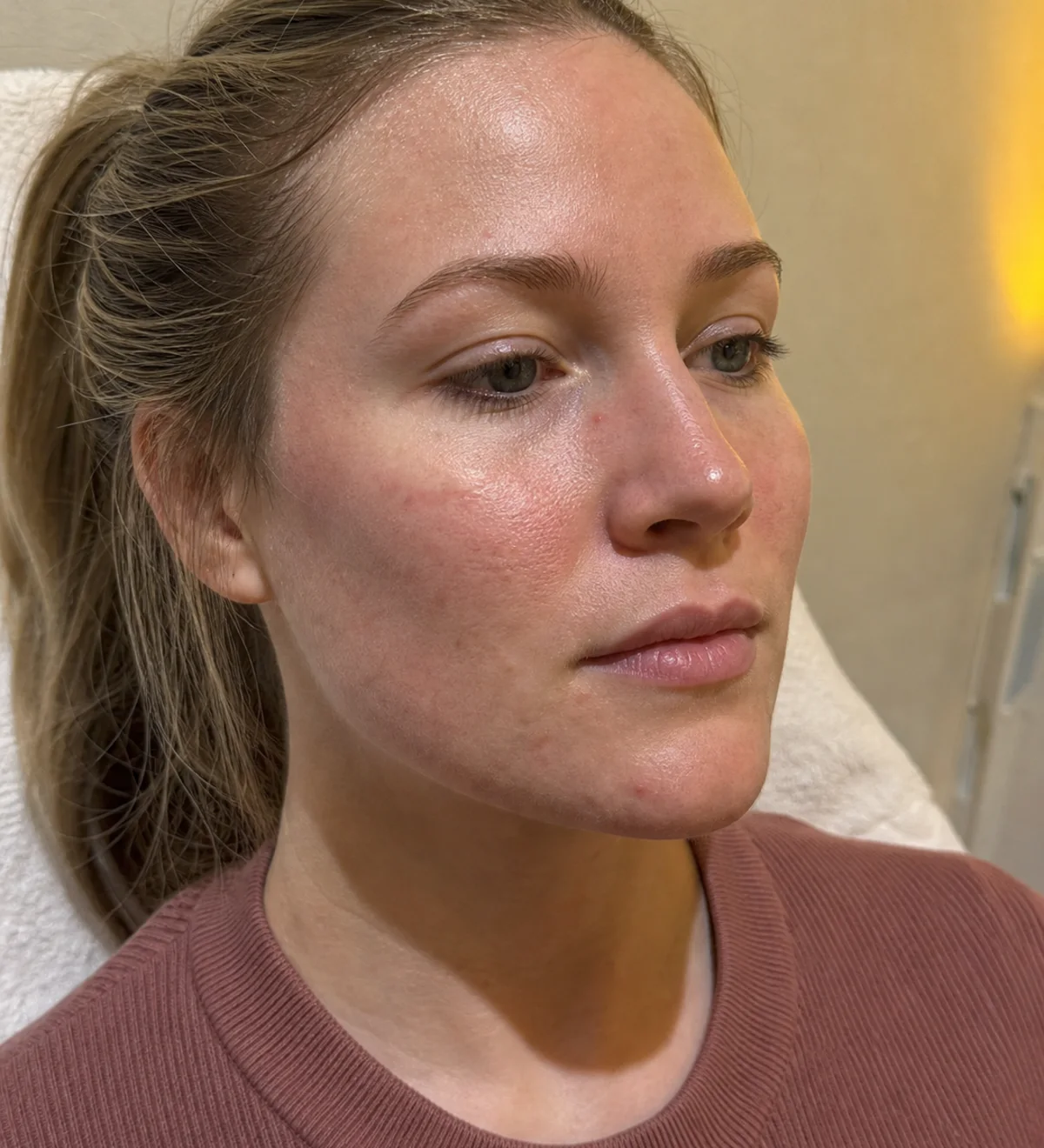
This hub helps women sort facial ageing, life stage timing and consultation questions before deciding whether to book, wait, seek review or ask for a referral. It does not assume treatment is the answer; it starts by asking whether the concern is really one that deserves a consultation and what the safer next step may be.
What This Hub Helps You Sort Out
This hub is for women who want a calmer starting point before booking or before assuming treatment is the answer. It groups the main consultation, safety, anatomy and life stage pages so you can separate a passing concern from one that genuinely deserves a practitioner assessment.
The purpose is not to funnel every question toward treatment. It is to help you work out whether the better next step is consultation, skin support, monitoring, waiting, referral or no treatment at all.
How Do Women’s Facial Concerns Change Over Time?
Women often notice more than one change at once: skin texture, pigment, movement lines, lip definition, lower-face support, tiredness around the eyes, or changes linked to perimenopause, menopause, pregnancy or time away from treatment.
The pages below explain common patterns in plain English so you can separate a visible concern from the assumption that treatment is the only answer.


Which Anatomy And Proportion Pages Should You Read First?
If the concern is more about structure, shadow, proportion or balance, start with the anatomy pages. They help explain why one area can appear to change because of another, such as cheek support affecting nasolabial folds or lower-face support changing how the lips are perceived.
These pages are useful before consultation because they make it easier to describe what you are noticing without jumping straight to a treatment name.
- Nasolabial Folds Explained: Midface Support and Smile Lines
- Marionette Lines Explained: Lower Face and Jaw Support
- Perioral (Smoker’s) Lines Explained: Upper Lip Anatomy
- Lip Ageing Explained: Volume, Definition and Proportion
- Cheek and Midface Volume Changes Explained
- Jawline and Lower Face Definition Explained
What Happens In A Women’s Consultation?
A consultation is used to understand the concern in context, not to rush toward a cosmetic plan. Corey Anderson RN reviews the area you are noticing, your goals, prior treatment, health history, timing, risk factors, consent and whether treatment discussion belongs in the appointment at all.
The most responsible outcome may be treatment discussion, skin care advice, monitoring, review, referral or no treatment. The table below shows the questions Corey is trying to answer before any decision is made.
| What Corey checks | Why it matters | Possible next step |
|---|---|---|
| Concern and motivation | Pressure from photos, social media, life stage, work, dating or an event can change consent quality. | Education, more time, or a narrower discussion may be safer. |
| Facial anatomy and movement | One concern can be driven by structure, expression, skin quality or a different area entirely. | The starting page or consultation focus may change. |
| Skin quality and life stage | Dryness, pigmentation, menopause, pregnancy, breastfeeding or irritation can change what is appropriate to discuss now. | The plan may shift toward skin care, monitoring or waiting. |
| Previous treatment and recovery history | Past treatment can affect tissue, symmetry, swelling history, timing and risk. | Review, waiting, referral or records may be needed first. |
| Consent, downtime and review access | Clear consent, aftercare access and realistic timing are part of responsible care. | Same day treatment is conditional and never automatic. |
How Can Hormones, Pregnancy Or Life Stage Change The Conversation?
Hormones and life stage can change skin, swelling, pigment, sleep, hydration and how a concern is experienced. They can also change whether a cosmetic discussion should continue now, be narrowed, or be paused.
Pregnancy and breastfeeding deserve a separate safety conversation. Perimenopause and menopause can also make skin quality, dryness, laxity or facial volume changes feel more noticeable, which is why a calm consultation matters more than a trend-led approach.


When Might Waiting, Review Or No Treatment Be Safer?
Waiting may be safer when symptoms are new or medically unusual, the skin barrier is irritated, health information is incomplete, previous treatment needs review, event timing is too close, or expectations feel fixed or heavily influenced by pressure from photos, social media or other people.
Risk discussion is part of responsible aesthetic care. Corey may explain limits, bruising or swelling downtime, asymmetry risk, cold sore considerations for lip-related concerns, the need for follow up, and reasons not to proceed. A recommendation to wait or not treat can be the safest outcome of a good consultation.
For wider decision support, these pages may help: Body Image, Social Media and Cosmetic Decisions, Ageing Well vs Chasing Trends and When Cosmetic Treatment May Not Be Right.
When Same Day Treatment Is Worth Discussing
Sometimes, but only after the consultation has already answered the timing, safety and suitability questions. For women whose concern is tied to a recent pregnancy, breastfeeding, menopause, medication change or emotional timing, the better outcome is often a plan or a review rather than same day treatment.
Booking a consultation does not mean treatment will occur. If the concern is unclear, the risk is higher, timing is poor or you need more time to think, the recommendation may be to wait, return for review or not proceed.
How Women’s Pricing Is Framed
Costs come after the clinical question is clear. In this hub that may mean no procedure discussion at all, or it may mean comparing consultation, review, skin support or a later treatment conversation once timing and suitability are settled. The aim is not to talk price first.
You can read the general pricing guide before booking, but your own cost discussion depends on assessment, consent and whether proceeding is suitable for you.
How Does Review And Aftercare Fit?
If treatment is discussed and later performed, aftercare and review planning matter. Corey explains what routine recovery can look like, when the clinic should be contacted, what follow-up is likely, and why review access is part of a responsible cosmetic pathway.
If a page or consultation leads to monitoring, skin care, referral or no treatment, that is still a valid care plan. The goal is not to force every concern into a cosmetic treatment pathway.
Which Women’s Consultation Pages Are Usually Most Helpful?
Use this table when you are not sure which supporting page should come next.
| If your main question is about | Start here | Why that page helps |
|---|---|---|
| How facial changes can appear across different life stages | how women's faces age | It helps separate normal change, structure, movement and skin quality before treatment is even discussed. |
| Perimenopause, menopause, sleep, skin or hydration shifts | perimenopause, menopause and skin changes explained and menopause aesthetic consultation guide | These pages explain why timing, comfort and expectations can change through a hormonal transition. |
| Pregnancy, breastfeeding or a recent post-partum change | pregnancy and breastfeeding consultation guide and skin changes after pregnancy | They keep the decision in a safety-first frame rather than treating cosmetic treatment as automatic. |
| Pressure, uncertainty or mixed feelings about doing anything at all | patient safety before aesthetic decisions, when to wait before aesthetic treatment planning and why we sometimes say no | These pages explain why slowing down can sometimes be the most responsible outcome. |
How To Confirm Core Aesthetics
Use Verify Core Aesthetics and the Ahpra public register to confirm Corey Anderson RN. Core Aesthetics is at 12A Atherton Road, Oakleigh VIC 3166. If you need the phone number, go to the contact page rather than repeating it here.
This keeps the hub focused on decision making, not contact detail, and leaves the consultation page to do the real work of deciding whether you need to book.


Best Next Pages For Women
If your question is about how women’s faces change, start with how women’s faces age, perimenopause and menopause skin changes and skin changes after pregnancy.
If you are deciding whether an appointment makes sense yet, use first cosmetic consultation, consultation guide Melbourne, treatment suitability assessment and how informed consent works.
If pressure or hesitation is part of the picture, read social media pressure and cosmetic decisions, body image, social media and cosmetic decisions, anxious about aesthetic treatments and when to wait.
When you want to confirm the clinic, use Verify Core Aesthetics.
Where To Begin If You’re Unsure
Start with the page that matches the main question, not the longest list of options. If the issue is facial change, begin with the age and life stage pages. If the issue is whether to book, begin with the consultation guide. If uncertainty or pressure is the main problem, read the support pages first and book only if you still want a practitioner assessment.
You can also move straight to Verify Core Aesthetics if you want the clinic details checked before you make any decision.
Is this for you?
Consider booking a consultation if
- You want a broad consultation-led starting point
- You are comparing life-stage, anatomy and timing questions
- You want room for waiting, review or no treatment
This may not be for you if
- You want treatment assumed before assessment
- You want a fixed cosmetic plan without discussion
- You are seeking urgent medical diagnosis or emergency care
- You are not an adult patient
Suitability is confirmed at consultation. This list is general guidance, not a substitute for clinical assessment.
Frequently asked questions
Is this guide telling me to have treatment?
No. This page is an education hub for women comparing concerns, consultation questions and safety considerations. The next step may be consultation, skin care, monitoring, referral or no treatment.
Where should I start if I am not sure what I am seeing?
Start with the page that best matches the concern, then move into the broader consultation pages if more than one explanation seems possible. Consultation is usually the better next step when timing, anatomy and skin quality are all part of the question.
Can pregnancy, breastfeeding or menopause change the conversation?
Yes. Pregnancy and breastfeeding can change whether elective cosmetic treatment should even be discussed now, while perimenopause and menopause can change skin, hydration, sleep, swelling and how a concern is experienced.
What happens in a women’s consultation?
Corey Anderson RN reviews the concern, anatomy, skin quality, movement, health history, prior treatment, timing, consent and whether treatment discussion belongs in scope at all. The safest outcome may be treatment discussion, monitoring, skin care support, referral, waiting or no treatment.
Will I be treated on the same day as consultation?
Sometimes, but it is never automatic. Same day treatment can only be discussed after assessment, risk discussion, cost discussion, informed consent and Corey deciding that proceeding is clinically appropriate on the day.
What if previous treatment elsewhere is part of the concern?
Say that clearly at the start. Previous treatment can change anatomy, symmetry, swelling history, risk and whether another treatment discussion should continue, so records, review, waiting, referral or no further cosmetic treatment may be the safer next step.
How are costs discussed?
Costs are discussed after the concern, timing and likely pathway are understood. That keeps pricing tied to suitability, review planning and realistic options rather than to a rushed assumption before assessment.
What should I bring to consultation?
Bring a simple description of the concern, relevant medical history, current medicines, allergies, previous treatment details and any questions you want answered. Photos or treatment records can help when they add useful context.
Can Corey recommend waiting or no treatment?
Yes. Waiting, monitoring, referral or no treatment may be the safest answer when symptoms are unusual, timing is poor, the skin is unsettled, expectations are fixed or the likely benefit does not justify proceeding.
How can I verify the clinic before booking?
Use the verification page, the contact page and the Ahpra public register to confirm Corey Anderson RN, Ahpra registration NMW0001047575, and the Oakleigh clinic details before booking.
Does this page replace medical advice?
No. It is general information for adults thinking about aesthetic consultation, not diagnosis or a personal treatment plan. The right next step depends on your medical history, life stage, facial anatomy and what you are trying to change, so a personalised assessment is still required before any recommendation is made.
Clinical references
- Ahpra guidelines for registered health practitioners who perform non-surgical cosmetic procedures
- Ahpra guidelines for advertising higher risk non-surgical cosmetic procedures
- Ahpra public register of practitioners
- TGA advertising health services and cosmetic injections FAQ
- TGA advertising health services that involve therapeutic goods