
Choosing a clinic · practical comparison
Choosing an RN-led clinic: who is responsible at each step?
An RN-led clinic is not automatically safer, and the label does not tell you who makes every clinical decision. Before choosing one, trace the care pathway: who assesses you, who makes any prescribing decision if relevant, who provides the proposed care, and who responds afterward or when that person is unavailable. Ask for names, roles and a clear route for questions. Registration is an essential check, but the handoffs and follow up matter too.
What does RN-led tell you, and what does it leave open?
RN-led describes the clinic’s care setting. It does not, by itself, establish a separate registration category, a practitioner’s scope for a particular task or the quality of the clinic’s arrangements. Confirm the named registered nurse, then ask which parts of assessment, consent, any proposed care and review that person actually handles. Another registered practitioner may be involved for a decision that requires their own authorisation or expertise.
For the named nurse’s education and relevant experience, use the registered-nurse qualification and scope guide. This page focuses on how the clinic connects people and responsibilities.
The useful comparison is not whether a nurse title sounds more reassuring than a doctor title. It is whether the clinic can explain its own responsibilities without ambiguity. For a comparison of professional roles, read nurse versus doctor in aesthetic care. For a step by step register search, use the practitioner registration guide.
Can the clinic name the person at each handoff?
Ask these as four connected questions, not as a score based on job titles. The answers may differ between clinics and according to the care being considered.
| Point in the pathway | Ask the clinic | What a useful answer makes clear |
|---|---|---|
| Assessment | Who will take my history, assess this concern and decide whether cosmetic care is appropriate to discuss? | The named clinician, their role and what would prompt further assessment or referral. |
| A prescribing decision, if relevant | Who is authorised to make it, and how will that person assess me? | The clinician’s identity and direct assessment pathway, not an assumption that the RN or a remote name automatically covers every decision. |
| Providing any agreed care | Who would perform it, and how would the plan, consent and risks be explained to me? | The named practitioner and how the proposed care connects to the assessment you received. |
| Review and a concern afterward | Who should I contact, who has my records, and who covers the treating practitioner if unavailable? | A specific routine and escalation route, including any documented alternate arrangement, rather than a vague promise of support. |
The table does not mean every consultation involves prescribing or a procedure. It asks the clinic to explain the pathway that applies to your individual decision.
How should separate clinical roles connect?
Ahpra’s non-surgical cosmetic procedure guidelines recognise different practice arrangements. They say practitioners work within their skills, training and legal authorisation. Where a separate authorised prescriber and performing practitioner are involved, the guidance assigns responsibilities to both for the person’s management and post-procedure care. Ask how the assessment and relevant information pass between them, rather than assuming that a consultation with one person authorises every later step.
Ask whether the covering practitioner can access the relevant treatment and aftercare records, and how a concern will reach the responsible clinician. Ahpra requires records to be accessible and transferable, with enough detail for another practitioner to take over care. Where a practitioner administers a prescribed cosmetic medicine, the guidance also requires them to inform the authorised prescriber about concerns relating to administration or subsequent care.
Consent also needs an individual explanation of the recommendation, risks, benefits and alternatives. If an option is not suitable, ask who can recommend waiting, another clinician or no cosmetic care. A clear handoff should leave you knowing which person to contact about the decision, not merely the clinic’s general inbox.
What if the person who saw you is unavailable later?
Ask before agreeing to care how routine review is arranged, which symptoms should prompt contact, and who will assess a concern if the treating practitioner is absent. Ahpra’s guidance requires formal alternative arrangements if the performing practitioner or authorised prescriber is not personally available for care after a procedure. The arrangements must be made in advance, documented and communicated to you and relevant treating practitioners. The alternative practitioner must be suitably qualified and supervised where required. Ask the clinic to explain the arrangement that applies to you and provide the relevant written contact instructions.
Do not infer a 24 hour or after-hours clinical service from the phrase RN-led. Confirm the actual contact and escalation route. If a new symptom appears, use the instructions given for your care and seek appropriate medical help when urgent; a routine booking or social media message is not an emergency pathway. The patient safety guide covers the questions to resolve before consent.
Which warning signs should make you pause?
A clinic that encourages an immediate decision or leads with offers rather than assessment is worth caution. The willingness to say ‘not now’, ‘not this’ or ‘see another professional’ is a sign of patient first care.
Another red flag is when a clinic makes it hard to verify who is responsible for care, what the consultation is for or how the decision would change if treatment is not appropriate. Trustworthy care should become clearer as you investigate it, not murkier.
Verify the person, then test the process
Core Aesthetics identifies Corey Anderson as a Registered Nurse, Ahpra registration NMW0001047575. Check the public register for the current entry rather than relying on this page alone. A register entry does not assess the clinic’s handoffs, a particular procedure’s suitability or the availability of follow up. Ask Corey directly about those matters at consultation.
The Core Aesthetics verification page provides clinic and practitioner details. The Oakleigh clinic comparison covers quotes, records and general clinic choice. This page focuses on how responsibilities connect in an RN-led setting.
Ask the pathway questions in Oakleigh
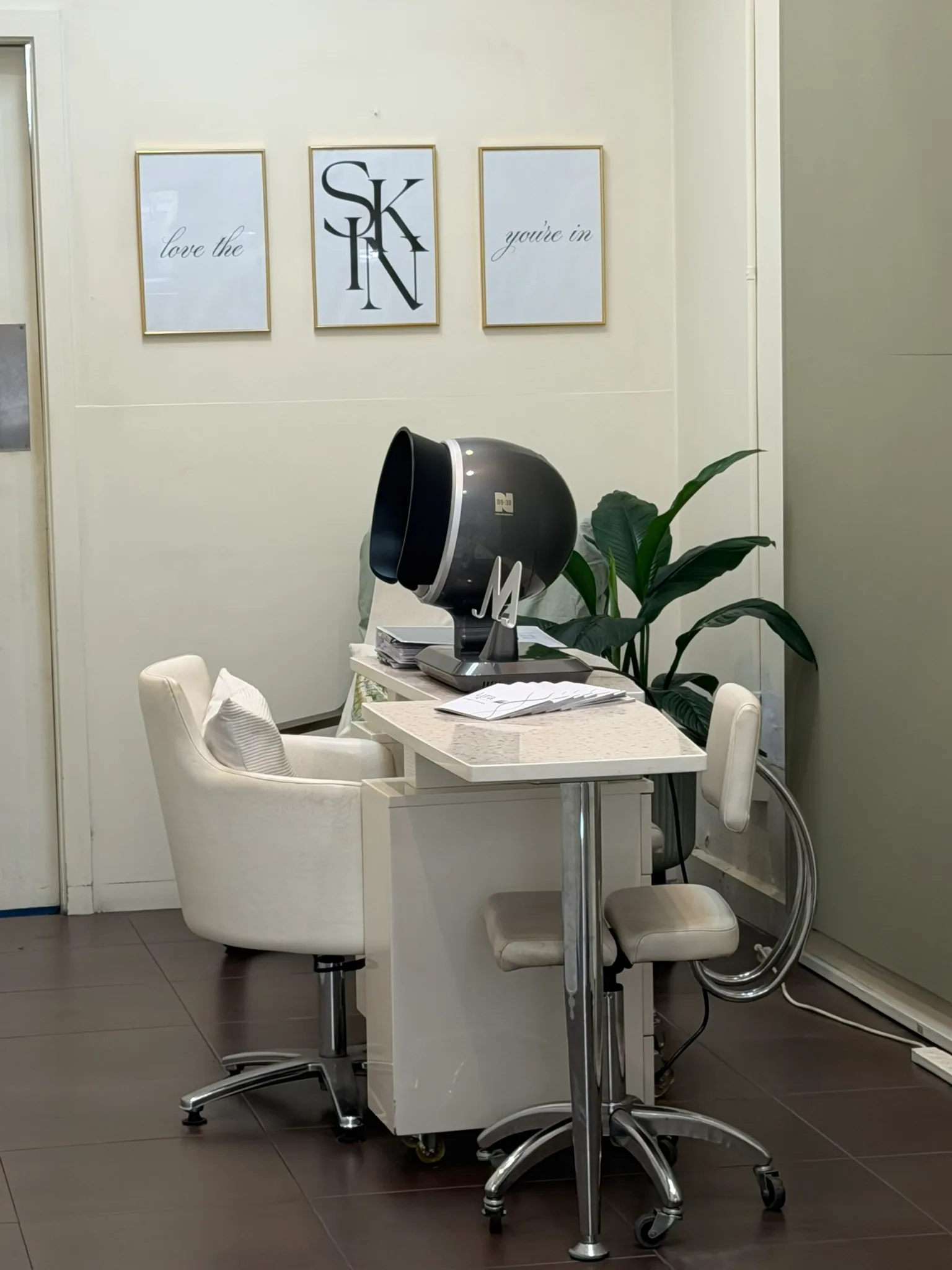
Core Aesthetics consultations take place inside BeautyTHEQUE at 12A Atherton Road, Oakleigh VIC 3166. Corey Anderson RN is the named consultation practitioner. One initial general consultation is complimentary per person, with no obligation to proceed. Check the live appointment options and duration or call 0491 706 705 if you need help choosing a consultation. For a non-urgent question or complaint, email support@coreaesthetics.com.au. Email is not an urgent clinical pathway; ask Corey what arrangements apply if he is unavailable after care. Plan your arrival and read payment and cancellation information before booking.
Bring the four pathway questions above. Any treatment on the day depends on assessment, informed consent and whether proceeding is appropriate; booking does not guarantee care. Ask who would be involved in your own pathway before agreeing to anything. This page does not verify an unnamed prescriber or promise particular cover arrangements.
Other questions
What should I ask an RN-led clinic before booking?
Ask for the names and roles of the person who will assess you, any authorised prescriber if that decision becomes relevant, the person who would provide agreed care and the clinician responsible for review. Ask how information moves between them and what happens if someone is unavailable. A clear answer is more useful than the clinic label alone.
How can I check the RN’s registration?
Search the Ahpra public register using the practitioner’s full name or registration number and check the current profession, status and any published conditions. Compare that entry with the name the clinic gives you. Registration does not by itself confirm scope for a particular procedure or explain how the clinic handles consent, prescribing decisions and follow up.
Is a hard sell a red flag?
Yes. Pressure to decide quickly, pressure to book treatment before proper assessment or a focus on offers rather than suitability are all reasons to be cautious.
Is an RN-led clinic inherently safer than another clinic?
No. Compare the named practitioners, their current registration and scope, the assessment and consent process, the clinic’s arrangements for any separate clinical decisions, and who follows up afterward. A nurse, doctor or clinic label alone cannot predict individual suitability or outcomes. It is reasonable to leave without proceeding if the pathway remains unclear.
Does the RN always make the prescribing decision?
Do not assume so. Whether a prescribing decision is relevant, and who is legally authorised to make it, depends on the proposed care, the practitioner’s authorisation and the applicable rules. Ask the clinic to name the person and explain how that person will assess you. This public page does not identify a prescriber for your individual care.
Who follows up if the treating practitioner is away?
Ask the clinic to explain its formal alternative arrangement before care. It must be arranged in advance, documented and communicated to you and relevant treating practitioners, with a suitably qualified registered practitioner and supervision where required. Keep your written contact and aftercare instructions. Do not infer round the clock cover; ask which symptoms need urgent medical help.
Ask who carries each decision
If the clinic can explain the assessment, any separate clinical decision and the follow up route in your own circumstances, you can compare it on substance rather than title. Bring these questions to a consultation with Corey and take time to decide.
Updated 20 October 2026. Editorial content: Core Aesthetics. Consultation practitioner: Corey Anderson RN, NMW0001047575. Information is general and does not replace an individual assessment.