In a first cosmetic consultation, a woman can ask whether a concern is cosmetic or needs another health service, how pregnancy, breastfeeding, medicines or menopause affect assessment, what happens when previous treatment details are unknown, whether a support person can leave, why photographs are proposed, which risks and limitations apply, what the full cost includes and whether she can decide later. Corey Anderson RN should answer the individual question rather than infer a goal from gender, age or life stage. The appointment may end with information, records requested, adjusted timing, review with another health professional or no cosmetic procedure.
Why Is “Women” Not A Clinical Shortcut?
Women do not share one anatomy, hormone history, relationship to ageing or reason for seeking information. Pregnancy may be relevant to one person and impossible for another. Menopause may explain part of one history and none of someone else’s. Gender alone does not establish a concern, diagnosis or suitable option.
There is no list of what women “need” here. Use only the questions that match your own circumstances.
What Three Lines Can Start The Appointment?
Write three short lines before you arrive:
- I noticed: describe the change without naming a procedure.
- At the time: add illness, pregnancy, breastfeeding, menopause symptoms, medicine changes, weight change, stress, dental care, skin problems, previous cosmetic care or another relevant event.
- I need to understand: state the question you want answered, including whether doing nothing is reasonable.
That is enough to begin. Corey can ask for detail without forcing your experience into a preselected treatment category.
Can You Say “I Do Not Know What This Is Called”?
Yes. Try: “I have noticed this change here, but I do not know whether it is skin, movement, structure or something medical. Can we start by identifying what you can and cannot assess?”
A responsible answer should explain the observation, the limits of cosmetic assessment and any reason to involve a GP, dentist, dermatologist or other health professional. A sales label is not a diagnosis.
How Do You Ask Whether Another Health Service Comes First?
Say: “Could this be a symptom rather than a cosmetic concern, and what would make you refer me?” Mention pain, a new lump, active rash, sudden change, infection, dental symptoms, vision symptoms or anything else that feels medically different.
Severe or increasing pain, sudden swelling, changed skin colour, visual symptoms, breathing difficulty, fever or rapidly worsening illness require prompt medical assessment. Core Aesthetics is not an emergency or diagnostic service.
What Should You Ask About Pregnancy Or Breastfeeding?
Say: “I am pregnant, planning pregnancy or breastfeeding. What does that change, and who should advise me about medicines?” Do not stop a prescribed medicine or change breastfeeding based on cosmetic website copy.
Healthdirect advises checking medicines in pregnancy and breastfeeding with a doctor or pharmacist because safety depends on the medicine and individual situation. For this clinic, disclosure comes before any cosmetic discussion; an appropriate endpoint may be to defer and seek advice from the relevant health professional.
How Can Menopause Or Perimenopause Enter The Conversation?
Say: “This change appeared alongside possible perimenopause or menopause symptoms. Which part can you assess, and which part belongs with my GP?” Healthdirect describes menopause as a natural life stage associated with hormonal change and symptoms that can include dry or itchy skin.
A cosmetic consultation cannot diagnose menopause or attribute every facial or skin change to hormones. Bring the wider timing so Corey does not treat a life-stage guess as a complete explanation.
What If You Do Not Know What Was Used Previously?
Say: “I have had previous cosmetic care, but I do not know the product, amount or exact date. What records do you need before advising me?”
Do not fill gaps with a guess. Provide the clinic name, approximate period, treated area, any photographs or receipts and what happened afterwards. Corey may need records, examination, more time or referral before deciding whether any new discussion is safe.
Can A Support Person Be Asked To Leave The Room?
Yes. Say: “I would like help remembering the general information, but I want to discuss my health history and motivation privately first.”
A companion can support travel, communication or recall without becoming part of consent. Your partner, friend or family member’s preference should not determine the question, and you do not owe them access to private health information.
Who Controls Photographs Taken In The Consultation?
Ask: “Why is this image needed, where will it be stored, who can access it and is any advertising use being requested?” Ahpra requires consent for images proposed during consultation or a procedure, information about purpose, use, storage and access, and secure storage rather than a practitioner’s personal device.
You can refuse advertising use. Consent for advertising must be separate from consent to the cosmetic procedure, and Ahpra says people must be allowed to withdraw advertising consent. Ask for a copy of the documented consent.
How Do You Ask “Will I Still Look Like Myself?”
Turn the broad fear into testable questions: “What degree of change are you describing? Which features would remain unchanged? What might look unfamiliar while swelling settles? What cannot be predicted?”
No practitioner can promise an exact look or another person’s outcome. The answer should cover individual variation, limitations, reversibility where relevant, the possibility of dissatisfaction and what review would involve.
Which Risks Should Be Named Before Cost?
Ask: “What are the common, serious and personally relevant risks, and what would I do if one occurred?” Depending on what is being considered, risks can include pain, swelling, bruising, infection, asymmetry, an unwanted appearance, tissue injury, vascular complications and further care.
The answer should also cover expected recovery, activity restrictions, warning signs, aftercare access and alternatives including no procedure. A price is not meaningful until the likely pathway and its risks are understood.
What Should The Cost Question Include?
Say: “What does the quoted amount include, what could create an additional cost and which review arrangements are included?” Ask whether the figure covers consultation, the proposed care, routine review and management if something does not follow the expected course.
Do not let a package, expiring price or sunk consultation fee decide suitability. Ahpra’s current guidance places the person’s care and wellbeing ahead of the commercial nature of cosmetic services.
Can You Ask For Part Of The Examination To Stop?
Yes. Say: “Please explain before touching or photographing an area, and pause when I ask.” Consent is ongoing, not a single signature that removes your control over the appointment.
Tell Corey about trauma, cultural needs, dysphoria, pain, sensory needs or any boundary that affects examination. You can ask for a different position, more explanation, privacy or an end to that part of the assessment.
What Happens At The Genuine Consultation Desk?
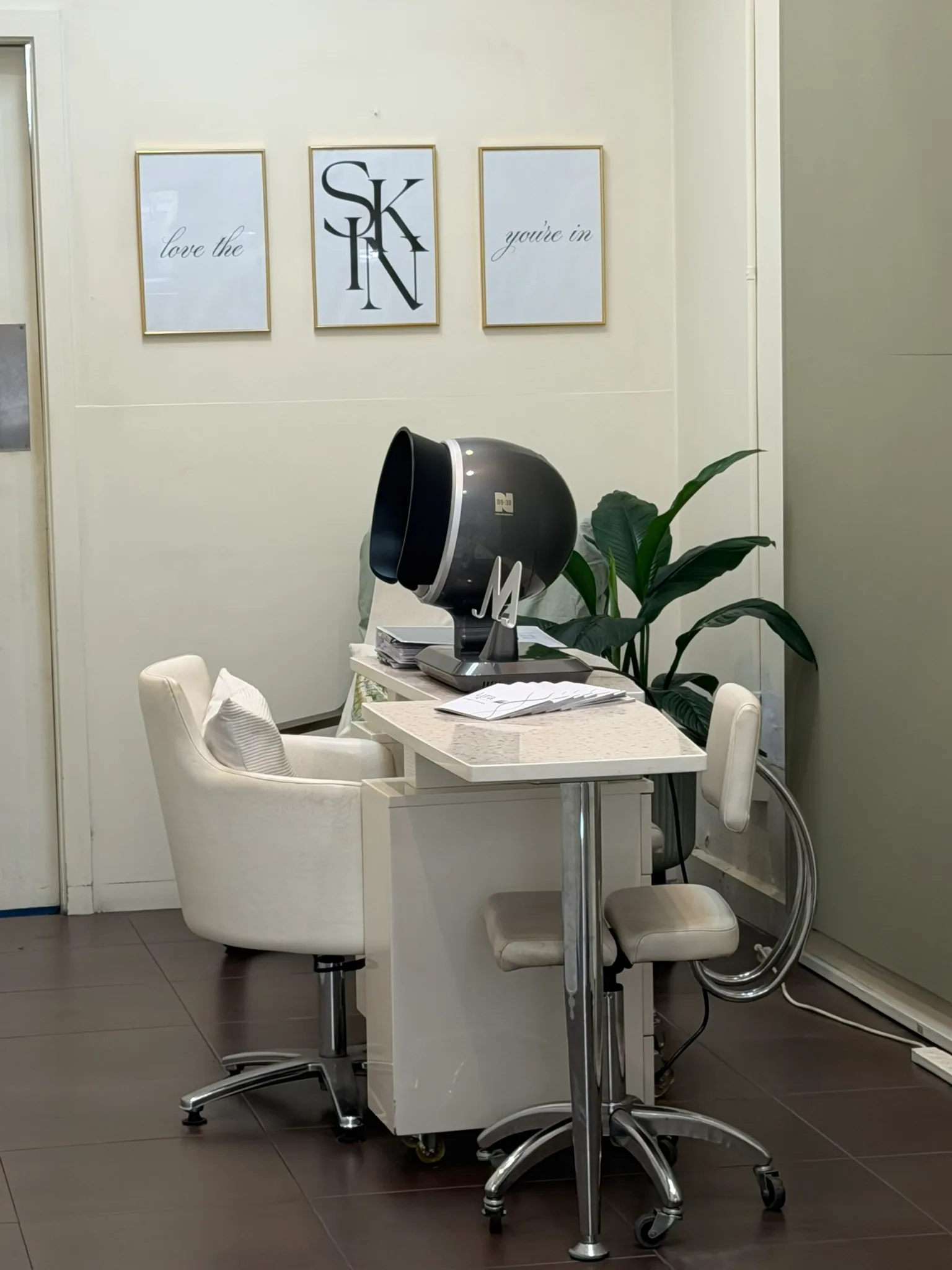
Corey Anderson is a Registered Nurse listed with Ahpra number NMW0001047575. At the desk shown below, the conversation moves from your words to history, assessment, uncertainty, risks, alternatives and a possible next step.
Corey should be able to explain why a question is relevant and what sits outside his scope. Verification proves identity and registration; it does not pre-decide suitability.
Must You Decide Before Leaving?
No. Use the sentence: “I have enough information for today and I will decide later.” You do not need to justify that choice, soften it or replace it with another booking.
The next step follows an individual assessment of the concern, risks, alternatives and timing. Even when an option could be considered after assessment and informed consent, missing records, health context, risk, uncertainty or your wish for more time can end the discussion without a procedure.
What Does A Respectful No From The Practitioner Sound Like?
A clinical no should identify the reason without insulting your appearance or motivation. It may explain that the concern needs diagnosis elsewhere, the risk is not justified, the expected change is unrealistic, records are missing or the request is outside scope.
You may ask what evidence informed the decision, whether another health professional should assess the concern and whether circumstances could change. You are not owed a procedure, but you are owed a clear and respectful explanation.
Who Will You Meet?
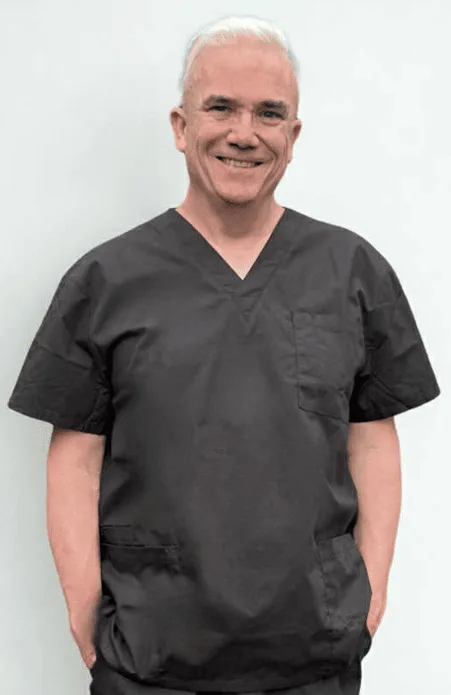
Corey conducts the consultation and documents the reasoning. The photograph below is a genuine practitioner portrait rather than a model or patient image.
Use the verification page and the Ahpra public register before booking. If the identity, role or clinic details do not match, pause before sharing health information.
Which Questions Should You Take With You?
| Topic | Words you can use | Minimum useful answer |
|---|---|---|
| Scope | Could this need another health service? | Limits, referral triggers and urgency |
| Life stage | Does pregnancy, breastfeeding or menopause change this discussion? | What is relevant, what is uncertain and who should advise |
| Previous care | What records do you need if I do not know the details? | No guessing; a records or waiting plan |
| Privacy | Can we speak alone, and how would images be used? | Private time and separate image consent |
| Risk | What could go wrong and who would review me? | Material risks, warning signs and continuity |
| Decision | Can I take this away without choosing today? | A clear yes without pressure |
Which Pages Answer The Next Layer?
Use the consultation guide for records and preparation, the consent guide for decision rights, patient safety for risk questions and suitability assessment for reasons to wait or refer.
For life-stage context, read pregnancy and breastfeeding consultation guidance or the menopause consultation guide. If you want an individual assessment after reading, use contact or booking.
First Consultation Questions Women Can Use
Do I need to know the name of a treatment before consultation?
No. Describe what you noticed, when it appeared and what you want to understand. Corey can assess what is within scope, what remains uncertain and whether another health professional should be involved.
Should I mention pregnancy, plans for pregnancy or breastfeeding?
Yes. These circumstances can change medicine and procedure discussions. Do not stop prescribed medicines based on clinic copy; ask your doctor or pharmacist for individual medicine advice.
Can I ask whether menopause is relevant?
Yes. Share the timing and any wider symptoms, but do not assume hormones explain every change. Corey can assess the cosmetic question and identify what should be discussed with your GP.
What if I do not know what product was used previously?
Say that clearly rather than guessing. Bring the earlier clinic name, approximate date, treated area, receipts or photographs. Records, examination, waiting or referral may be needed before new advice.
Can my support person wait outside for part of the appointment?
Yes. You control access to your private health discussion. A companion may help with travel or recall without participating in motivation, history or consent. Ask for part of the appointment alone whenever you need it.
Can I decline consent for advertising use of my images?
Yes. Ahpra requires separate consent for advertising use, and you cannot be required to agree. Ask why an image is proposed, where it will be stored, who can access it and how withdrawal works.
What risks should I ask about?
Ask about common, serious and personally relevant risks, expected recovery, warning signs and review access. Depending on the option, risks may include pain, swelling, bruising, infection, asymmetry, tissue injury, vascular complications and unwanted appearance.
Can I ask to stop part of the examination?
Yes. Consent continues throughout the appointment. Ask for an explanation before touching or photography, state any privacy or sensory needs, and tell Corey to pause or stop whenever you need.
Do I have to decide on the day?
No. You can leave with information and decide later without giving a reason. The appointment may also end with records requested, adjusted timing, review with another health professional or no cosmetic procedure.
How do I verify the practitioner before booking?
Corey Anderson is a Registered Nurse with Ahpra number NMW0001047575. Compare the clinic verification page with the independent Ahpra public register before sharing health information or booking.
Is this for you?
Consider booking a consultation if
- Women who want exact words for a first consultation question
- Adults willing to share relevant health, medicine and previous care context
- People who want clarity about privacy, photographs, risk and time to decide
- Women open to another health service, waiting or no cosmetic procedure
This may not be for you if
- Anyone requiring emergency or diagnostic assessment
- People expecting gender or age to determine a treatment plan
- Anyone seeking an exact outcome promise or copied face
- People unwilling to discuss material risks or allow a voluntary no
Suitability is confirmed at consultation. This list is general guidance, not a substitute for clinical assessment.
Clinical references
- Ahpra: Guidelines for registered health practitioners who perform non-surgical cosmetic procedures
- Ahpra: Advertising higher risk non-surgical cosmetic procedures
- Ahpra: Public register of practitioners
- Healthdirect: Medicines during pregnancy
- Healthdirect: Medicines and breastfeeding
- Healthdirect: Menopause
- TGA: Advertising a health service