For a cheek volume consultation near Clayton, describe the concern through four contour directions: upward support toward the lower eyelid, forward projection at the cheek prominence, outward width toward the side of the face and the downward transition into the lower cheek. These directions can look different at rest, in expression and from each side. Corey Anderson RN combines the map with assessment of facial structure, skin, movement, health, medicines, previous care, risks and the features you want to preserve. Suitable care can be planned when individual assessment and informed consent support it.
Why Describe A Cheek By Direction?
Words such as flat, hollow or heavy can mean different things to different people. Direction gives the concern a clearer location and relationship.
The map is descriptive rather than diagnostic. It helps Corey understand what you notice before he assesses the tissues involved.
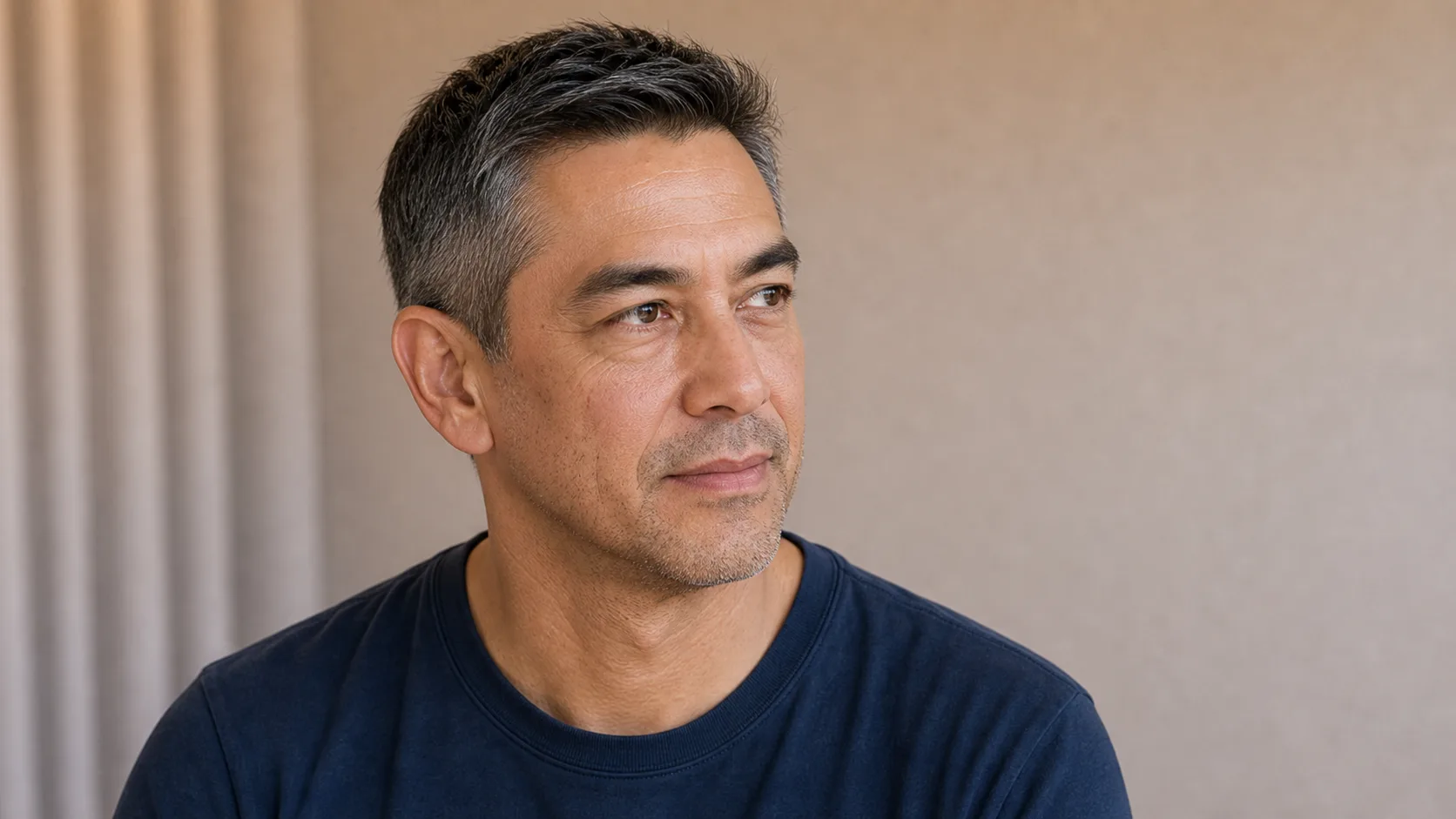
What Are The Four Contour Directions?
| Direction | Area to observe | Question it raises |
|---|---|---|
| Upward | Cheek to lower eyelid relationship | Is the concern a junction, shadow or skin detail? |
| Forward | Cheek prominence in three quarter view | Where does projection appear strongest? |
| Outward | Side width and facial frame | How does the cheek relate to temple and jaw? |
| Downward | Transition into lower cheek and mouth area | Does movement change the line or fold? |

What Does The Upward Direction Include?
The upper cheek meets the lower eyelid through a curved transition. Light, skin quality, swelling and structure can each affect whether this area looks smooth, shadowed or sharply divided.
Corey assesses the cheek and under eye relationship together without assuming that one area alone explains the concern.
How Is Forward Projection Seen?
Forward projection is easiest to read in a natural three quarter view. Turning too far, lifting the chin or using a close phone lens can change where the cheek appears most prominent.
Compare ordinary photographs taken from a comfortable distance and note whether the prominence changes with expression.
What Does Outward Width Contribute?
Outward cheek width helps frame the eyes and connects visually with the temple and jaw. More width is not automatically preferable, and less width is not automatically a deficiency.
The consultation considers natural face shape and which proportions already feel characteristic of you.
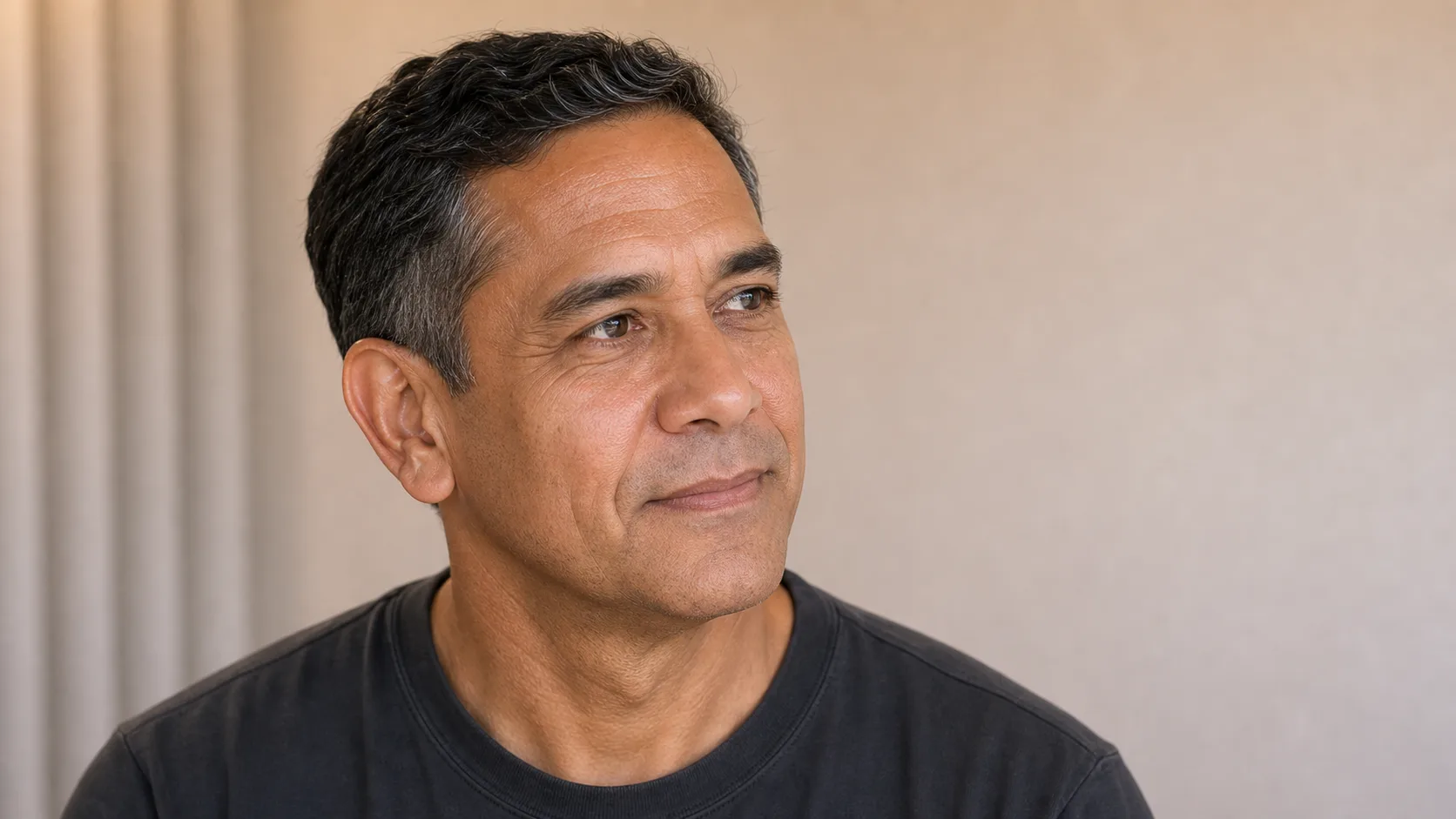
How Does The Cheek Travel Downward?
The lower cheek transitions toward the mouth, jaw and lower face. Speech and smiling can soften, deepen or redirect visible folds, so a still photograph gives only one part of the picture.
Corey observes relaxed and natural movement while asking which change you notice in everyday interaction.
Can The Four Directions Differ Between Sides?
Yes. One side may project differently, meet the lower eyelid at another angle or create a different lower transition. Natural asymmetry is common.
Use matching light, distance and head position when comparing sides. Assessment focuses on the relationship rather than promising identical contours.
What Can Change The Direction Map Over Time?
Weight change, skin change, dental or facial procedures, illness, swelling, ageing and previous cosmetic care can alter one or more directions. Approximate timing helps separate gradual development from a recent change.
Rapid, painful or unfamiliar change should be described clearly so appropriate clinical input can be incorporated.
Which History Helps Explain The Map?
Bring current medicines and supplements, allergies, relevant health and skin history, weight changes, dental or facial procedures and previous cosmetic care with approximate dates.
Available records and consistent older photographs can help establish sequence. They support the history but do not prescribe a target shape.
How Do Risks Relate To Direction?
Risks depend on the option found suitable and may include redness, tenderness, swelling, bruising, asymmetry, lumps, infection, delayed inflammatory response, dissatisfaction and uncommon urgent vascular warning signs.
Corey explains which mapped direction an option could reasonably influence, what it cannot address, alternatives, total cost, aftercare, follow up and contact instructions.
What Features Should Stay Familiar?
Tell Corey which expressions, cheek width, side profile or family resemblance you want to preserve. A useful brief includes what should remain as well as what you hope to understand.
This keeps the four direction map anchored to your own face rather than an edited image or another person’s proportions.
Can Several Directions Need Different Answers?
Yes. A skin concern near the upper transition and a structural question about forward projection may not share one answer. The same is true for outward width and a lower fold seen mainly in movement.
Individual assessment determines whether one pathway, combined planning or a different clinical focus is appropriate.
Clayton Cheek Direction Questions
What are the four cheek contour directions?
They are upward support toward the lower eyelid, forward projection at the cheek prominence, outward width toward the side of the face and the downward transition into the lower cheek. Each direction raises a different assessment question.
Does a flat looking cheek always mean volume loss?
No. Lighting, camera distance, natural structure, skin, movement, swelling and previous care can all affect cheek appearance. The direction map describes what you notice while individual assessment explores which contributors are relevant.
Why is the under eye area included?
The upper cheek meets the lower eyelid through a shared transition. A shadow or line can relate to cheek structure, skin, lighting, swelling or the junction itself, so Corey assesses the relationship rather than assuming one cause.
Can smiling change the lower cheek direction?
Yes. Speech and smiling move the cheek and can soften, deepen or redirect folds toward the mouth and lower face. Corey compares relaxed and natural movement so a posed photograph does not define the concern.
Should the two cheeks have identical contours?
Natural side differences are common. Matching light, distance and head position can make comparison more useful, while assessment considers whether a difference matters to you without promising perfectly identical contours.
What should I bring after previous cheek care?
Bring approximate dates, areas, available records and practitioner or product details when known. Mention persistent swelling, firmness, tenderness, colour change, altered sensation or another unfamiliar response so the history is clear.
Is Core Aesthetics located in Clayton?
No. Core Aesthetics is an independent clinic in nearby Oakleigh and is not part of Monash Medical Centre or Monash University. Check your actual journey from Clayton and whether returning for planned review is practical.
Is this for you?
Consider booking a consultation if
- Adults near Clayton wanting cheek and midface assessment before treatment discussion
- Patients who want consultation first explanation of cheek support, under eye context, risk and consent
- People comfortable discussing suitable options, practical timing, review needs and any other clinical input
- Patients who want to verify Corey Anderson RN and the Oakleigh clinic before booking
This may not be for you if
- People asking for a predetermined plan without assessment, consent or risk discussion
- People with urgent medical symptoms, active infection, acute swelling or rapidly changing facial symptoms
- People wanting a fixed cosmetic change before facial structure and skin quality are assessed
- People seeking elective cosmetic care for someone who cannot provide informed consent
Suitability is confirmed at consultation. This list is general guidance, not a substitute for clinical assessment.
Clinical references
- Ahpra guidelines for registered health practitioners who perform non surgical cosmetic procedures
- Ahpra advertising higher risk non surgical cosmetic procedures
- Ahpra public register of practitioners
- TGA advertising health services and cosmetic injections FAQ
- TGA advertising health services that involve therapeutic goods