For a cheek volume consultation near Glen Waverley, map four adjoining zones rather than treating the cheek as one empty space: the under eye border, central cheek curve, smile line transition and outer cheek width. A concern in one zone can change how the others appear, while skin, bone structure, expression and light also influence the view. Corey Anderson RN assesses these relationships from the front and angled views, at rest and in natural expression, alongside health, medicines, previous care, risks and the features you want to preserve. Suitable care can be planned when individual assessment and informed consent support it.
Why Divide The Midface Into Four Zones?
The cheek is not a single compartment. Its upper, central, inner and outer relationships affect shadows, curves and the transition into nearby features.
A four zone map helps you point to the actual concern without assuming that every hollow, fold or width question has the same cause.
What Are The Four Adjoining Zones?
| Zone | What to observe | What it connects with |
|---|---|---|
| Under eye border | Shadow and lid to cheek transition | Lower eyelid and upper cheek |
| Central cheek curve | Forward contour and highlight | Nose, eye and cheekbone |
| Smile line transition | How the cheek meets the area beside the nose and mouth | Expression and lower cheek |
| Outer cheek width | Side contour and facial breadth | Temple and jawline balance |
How Is The Under Eye Border Read?
The under eye border may look smooth, shadowed, sharply defined or different from side to side. Lower eyelid anatomy and skin quality remain relevant, so the area cannot be assessed as cheek volume alone.
Corey considers the transition in neutral light and does not infer a suitable pathway from one photograph.
What Defines The Central Cheek Curve?
The central curve is the forward part of the midface seen beside and below the eye. Bone structure, soft tissue, skin and expression all contribute to its shape.
The useful question is whether the curve supports the surrounding transitions while preserving a recognisable face.
Why Include The Smile Line Transition?
The cheek moves toward the nose and mouth during expression. A fold or shadow in this area may relate to several adjoining structures rather than one isolated point.
Assessment at rest and during a natural smile helps separate a fixed contour from ordinary movement.
What Does Outer Cheek Width Add?
The outer cheek influences facial breadth and the visual step between temple, cheekbone and jawline. More projection is not automatically more balanced.
Corey compares the outer contour with the whole face and asks which familiar features you want to preserve.
How Are The Zones Compared Together?
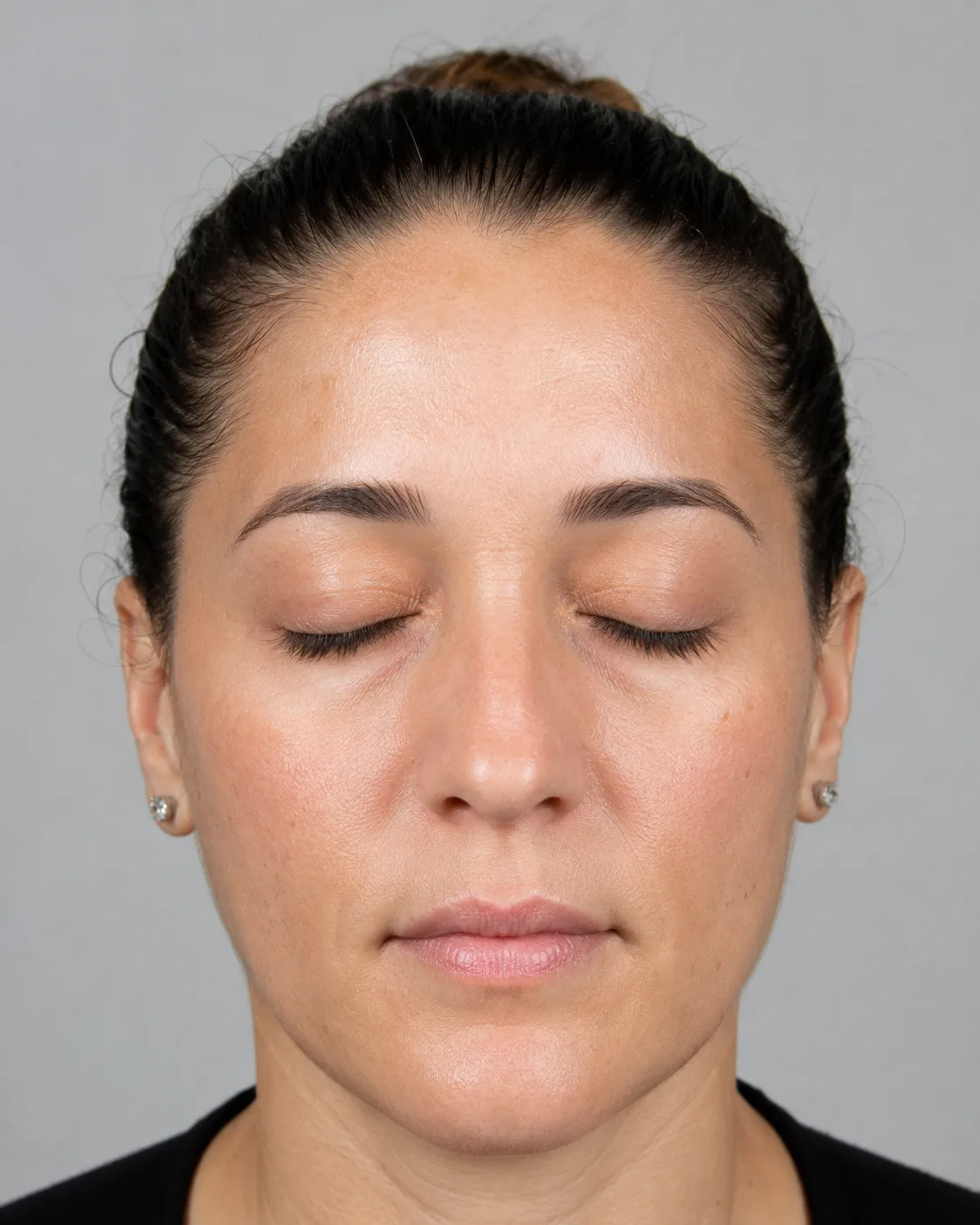
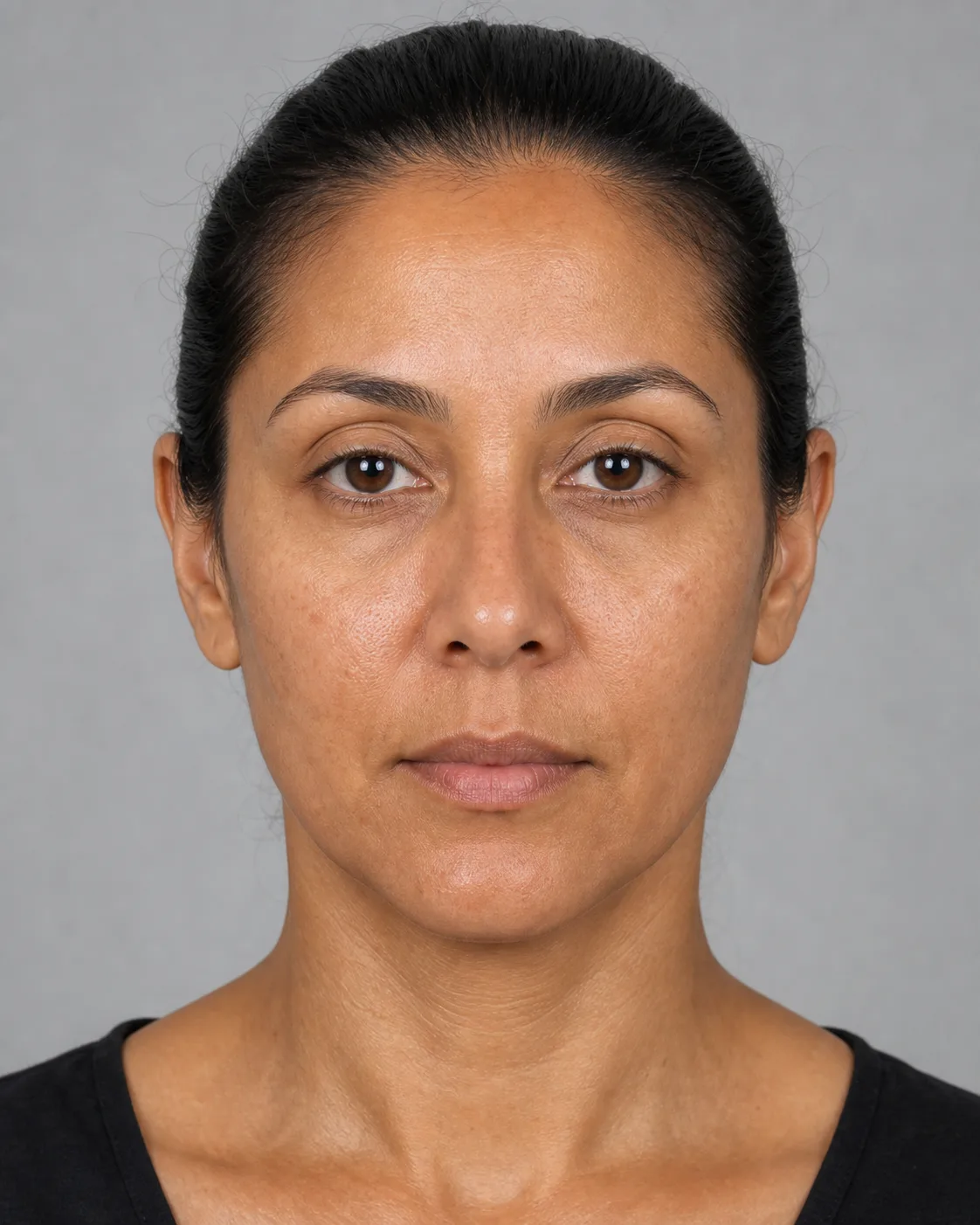
Corey follows the border from under eye to central cheek, then toward the smile line and outer cheek. Front and angled views show whether one transition or the overall relationship is driving the concern.
The map is descriptive. It does not assign a treatment amount or diagnose a cause.
Which History Changes The Reading?
Bring current medicines and supplements, allergies, relevant health and skin history and previous facial care with approximate dates. Mention swelling, tenderness, infection, altered sensation, dental changes or a recent unfamiliar difference.
Older ordinary photos can help describe gradual change when their angle and lighting are understood.
How Are Risk, Consent And Limits Discussed?
Risks depend on the suitable option and may include redness, tenderness, swelling, bruising, asymmetry, lumps, infection, delayed inflammatory response, dissatisfaction and uncommon urgent vascular warning signs.
Corey discusses alternatives, realistic limits, total cost, aftercare, review access and contact instructions personally. Consent remains voluntary.
Where Is The Glen Waverley Consultation Held?
Core Aesthetics is at 12A Atherton Road, Oakleigh VIC 3166. Phone 0491 706 705. Corey Anderson is a Registered Nurse with Ahpra registration NMW0001047575.
People travelling from Glen Waverley can check the actual journey and whether returning to Oakleigh for planned review is practical.
Can Four Zone Assessment Support Suitable Care?
Corey combines the map with direct assessment, health, previous care, priorities, risks, alternatives and review access. Suitable care can be planned when individual assessment and informed consent support it.
More information, adjusted timing, another clinical review or a different pathway can be incorporated when useful. Book a consultation when ready.
Which Cheek Guide Should You Read Next?
Read the Melbourne cheek guide for the broad service question, the cheek consultation guide for process, the under eye guide when the concern sits above the border, and the midface change guide for education.
This page provides general education and does not diagnose a facial concern, confirm suitability or replace personal medical advice. These cosmetic procedure guidelines inform the consultation process. See the Ahpra guidelines for registered health practitioners who perform non-surgical cosmetic procedures and the TGA guidance for advertising health services involving therapeutic goods.
Is this for you?
Consider booking a consultation if
- Adults near Glen Waverley wanting cheek and midface assessment before treatment discussion
- Patients who want consultation-first explanation of cheek support, skin quality, risk and consent
- People who want facial structure, skin quality and proportion assessed before choosing the next step
- Patients who want to verify Corey Anderson RN and the Oakleigh clinic before booking
This may not be for you if
- People asking for a predetermined plan without assessment, consent or risk discussion
- People with urgent medical symptoms, active infection, acute swelling or rapidly changing facial symptoms
- People wanting a fixed cosmetic change before facial structure and skin quality are assessed
- People seeking elective cosmetic care for someone who cannot provide informed consent
Suitability is confirmed at consultation. This list is general guidance, not a substitute for clinical assessment.
Frequently asked questions
What are the four zones in this cheek assessment?
They are the under eye border, central cheek curve, smile line transition and outer cheek width. Each connects with nearby facial features, so Corey assesses their relationship rather than treating the cheek as one empty space.
Why is the under eye border included?
The lower eyelid and upper cheek meet at this border. Shadow, skin and anatomy can all influence its appearance, so a concern here should not automatically be assumed to arise from cheek volume alone.
What is the central cheek curve?
It is the forward midface contour seen beside and below the eye. Bone structure, soft tissue, skin, expression and light contribute to the curve and must be considered together.
Can smiling change how the cheek concern appears?
Yes. A natural smile moves the cheek toward the nose and mouth and can alter a fold, shadow or transition. Comparing rest with expression adds context without identifying a treatment by itself.
Why does outer cheek width matter?
Outer cheek width affects facial breadth and the transition between temple, cheekbone and jawline. Corey compares it with the whole face because added projection is not automatically better balance.
What should I bring to a cheek consultation?
Bring medicines, supplements, allergies, relevant health and skin history and previous facial treatment dates. Ordinary older photos can help describe change, while direct assessment remains essential.
Is Core Aesthetics located in Glen Waverley?
No. Core Aesthetics is in Oakleigh. Check the journey from your actual starting point and whether returning for planned review is practical. This page does not imply the clinic operates in Glen Waverley.