For a cheek volume consultation near McKinnon, compare the concern at three distances. A close mirror shows skin texture, fine lines and small shadows; arm’s length shows cheek contour and side differences; normal conversation distance restores expression and whole face proportion. If the concern changes as you step back, note which details remain important without treating close inspection as a diagnosis. Corey Anderson RN combines these observations with direct assessment of cheek structure, skin, movement, health, medicines, previous care, risks and the features you want to preserve. Suitable care can be planned when individual assessment and informed consent support it.
Why Can Distance Change A Cheek Concern?
The closer you move to a mirror, the more visual attention goes to pores, fine lines and small transitions. Stepping back reconnects those details with the cheek, expression and whole face.
All three distances are valid observations, but they answer different questions.
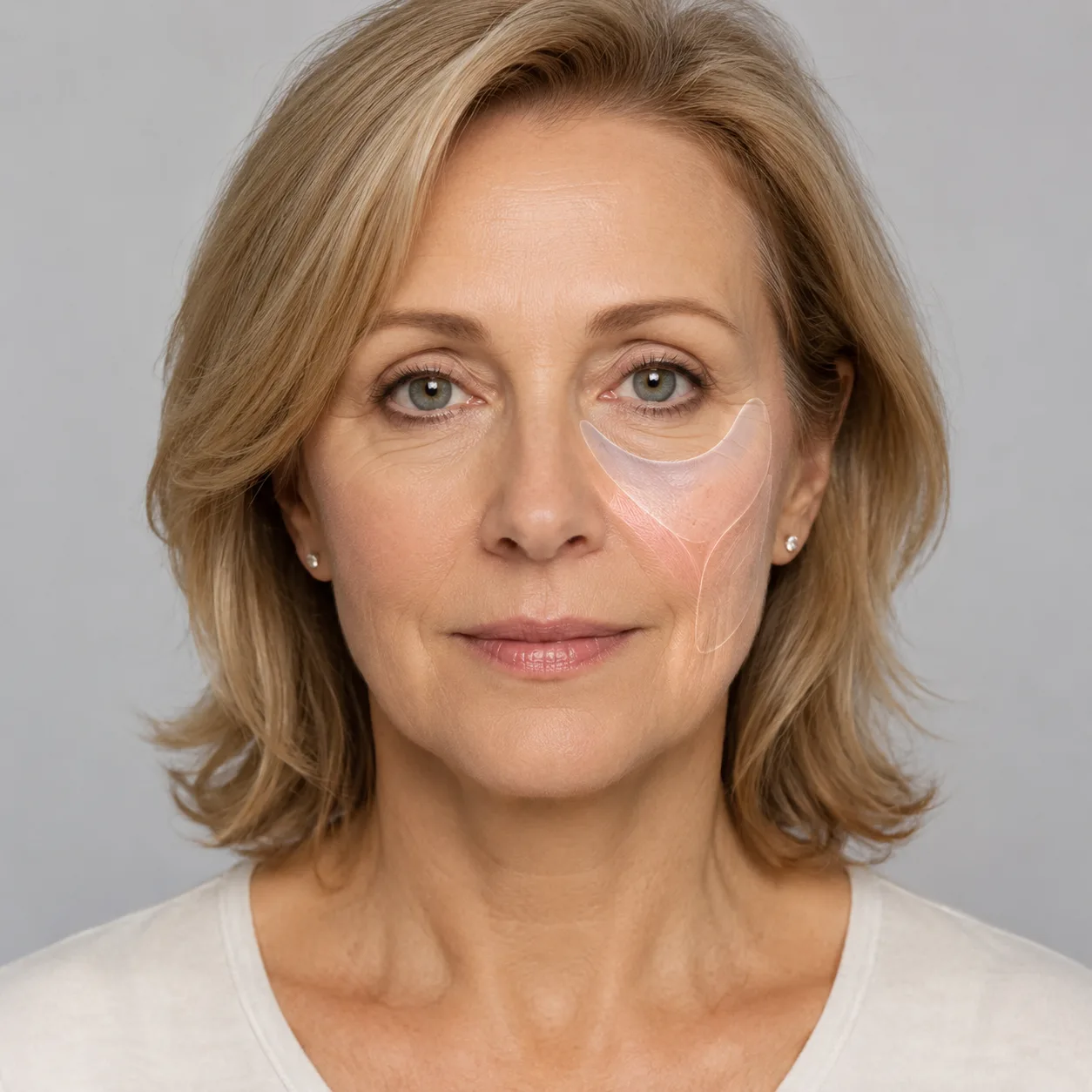
What Does Each Distance Show?
| Distance | What becomes prominent | Question to ask |
|---|---|---|
| Close mirror | Texture, fine lines, colour and small shadows | Is the concern mainly skin or a local transition? |
| Arm’s length | Cheek contour, under eye junction and asymmetry | Does the shape remain noticeable? |
| Conversation distance | Expression and whole face proportion | How does the cheek read in ordinary interaction? |
What Is Useful About A Close Mirror?
A close mirror can help locate texture, colour, fine lines, swelling or a precise shadow. It can also make a small feature feel larger because the rest of the face is outside the frame.
Describe the detail without deciding that it represents volume loss or needs a structural option.
What Changes At Arm’s Length?
At roughly arm’s length, the cheek contour, under eye junction and side differences become easier to compare together. This distance reduces the dominance of tiny surface details.
Use ordinary light and a relaxed expression rather than lifting the chin or posing to sharpen the cheek.
Why Include Normal Conversation Distance?
Other people usually see the face in movement and at a social distance, not through a magnifying mirror. Conversation shows the cheek alongside eyes, mouth, temples and lower face.
This context helps define whether the concern affects overall expression or remains a close detail question.
How Do Speech And Smile Change The Distance Check?
Speech and a natural smile lift the cheek, alter the under eye junction and change shadows around the mouth. A still relaxed image cannot show those relationships.
Corey observes comfortable movement and asks which expressions you want to preserve.
What If Only The Close View Feels Concerning?
A concern that appears mainly at close range can still be discussed. It may direct attention toward skin, a small local transition, lighting or expectations rather than a broad cheek change.
The aim is to identify the right question, not to invalidate what you notice.
How Can Photographs Distort Distance?
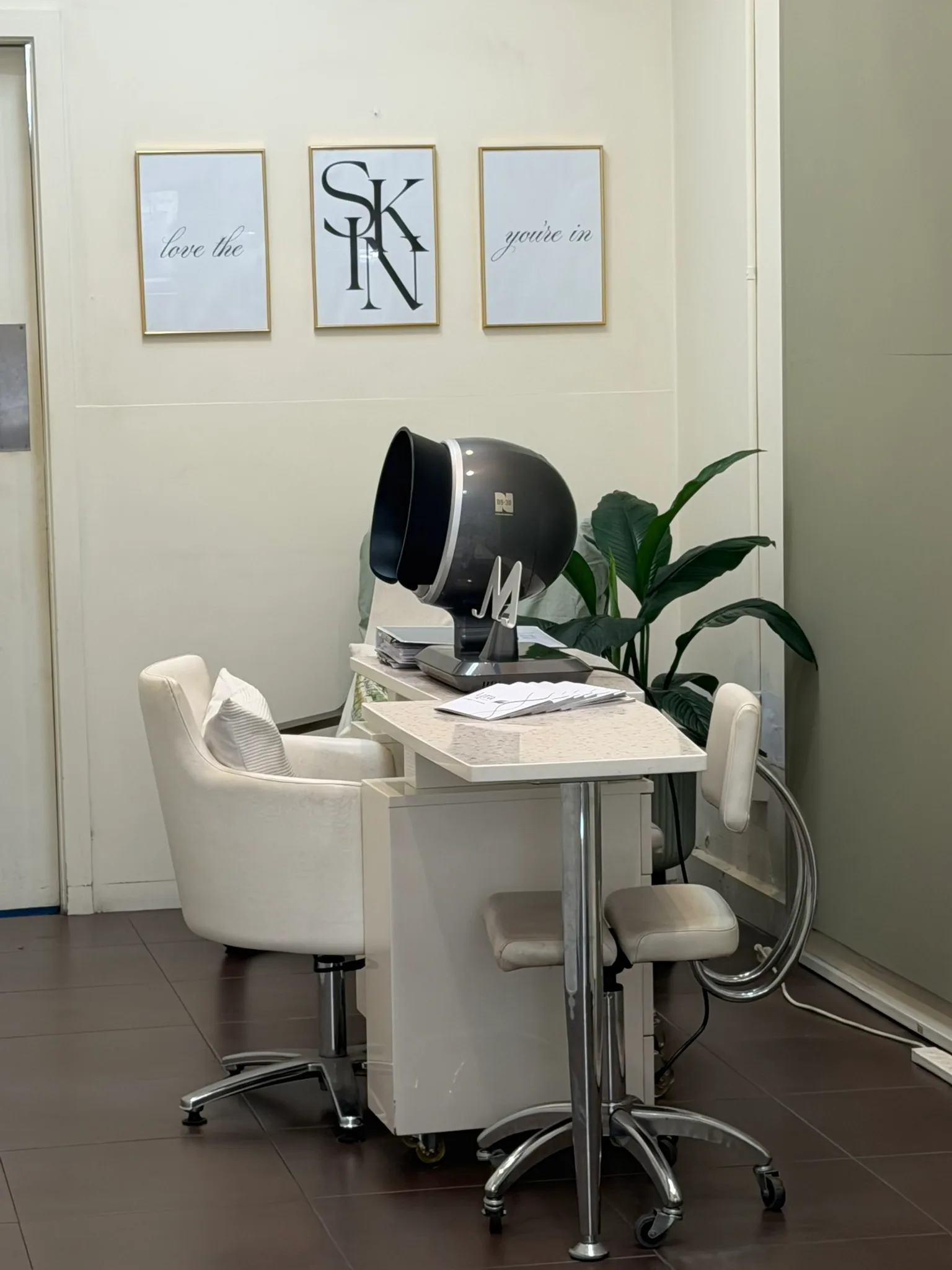
A close phone camera can enlarge central features and deepen nearby shadows. Cropping a distant image may look similar in size while preserving different facial proportions.
Label whether an image was a close selfie or taken farther away and use it as history rather than a target.
What History Sits Beside The Distance Check?
Bring current medicines and supplements, allergies, relevant health and skin history, weight changes, dental or facial procedures and previous cosmetic care with approximate dates.
Mention persistent swelling, firmness, tenderness, colour change, altered sensation or another unfamiliar response.
Which Risks And Limits Need Distance Context?
Depending on the suitable option, discussion may include redness, tenderness, swelling, bruising, asymmetry, lumps, infection, delayed inflammatory response, dissatisfaction and uncommon urgent vascular warning signs.
Corey explains alternatives, likely limits, total cost, aftercare, follow up and contact instructions. One option may not address close skin detail and whole face contour together.
Where Is The Three Distance Check Conducted?
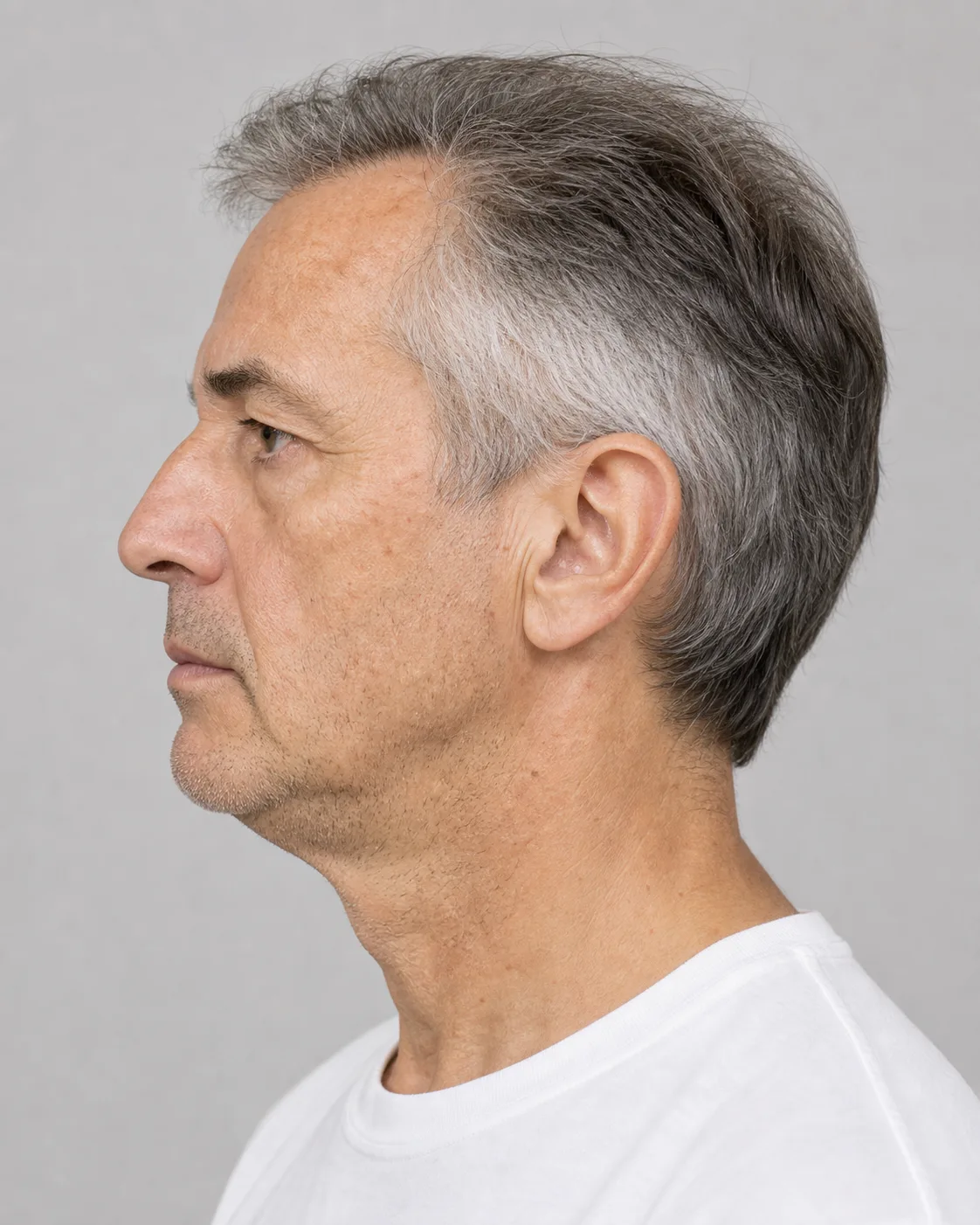
Core Aesthetics is at 12A Atherton Road, Oakleigh VIC 3166. Phone 0491 706 705. Corey Anderson is a Registered Nurse with Ahpra registration NMW0001047575.
People travelling from McKinnon can check their actual journey and whether returning to Oakleigh for planned review would be practical.
Which Reading Helps After You Step Back?
Read the Melbourne cheek guide, cheek consultation guide, skin and structure guide and suitability guide.
This page provides general education and does not diagnose a cheek concern, confirm suitability or replace personal medical advice. These cosmetic procedure guidelines inform the consultation process. See the Ahpra guidelines for registered health practitioners who perform non-surgical cosmetic procedures and the TGA guidance for advertising health services involving therapeutic goods.
Is this for you?
Consider booking a consultation if
- Adults near McKinnon wanting cheek and midface assessment before treatment discussion
- Patients who want consultation-first explanation of cheek support, skin quality, risk and consent
- People who want facial structure, skin quality and proportion assessed before choosing the next step
- Patients who want to verify Corey Anderson RN and the Oakleigh clinic before booking
This may not be for you if
- People asking for a predetermined plan without assessment, consent or risk discussion
- People with urgent medical symptoms, active infection, acute swelling or rapidly changing facial symptoms
- People wanting a fixed cosmetic change before facial structure and skin quality are assessed
- People seeking elective cosmetic care for someone who cannot provide informed consent
Suitability is confirmed at consultation. This list is general guidance, not a substitute for clinical assessment.
Frequently asked questions
What are the three cheek viewing distances?
They are close mirror, arm’s length and normal conversation distance. Comparing them puts fine detail, cheek contour and expression in the context of the whole face.
Does a close mirror exaggerate cheek concerns?
It can make fine detail and small shadows dominate because the rest of the face is outside view. The observation is valid but contextually incomplete.
What does arm’s length show?
Arm’s length brings cheek contour, the under eye junction and side differences into one view while reducing the dominance of tiny close surface detail.
Why does conversation distance matter?
Conversation distance shows the cheek in movement and in proportion to the whole face. It gives everyday context that a magnifying mirror or cropped phone photograph cannot provide.
What if the concern appears only close up?
It can still be assessed. Corey may explore skin, lighting, a small transition or expectations rather than assuming the issue is broad cheek volume or structural change.
What should I bring after previous cheek care?
Bring approximate dates, relevant treated areas, available records and practitioner or product details when known. Mention persistent swelling, firmness, tenderness, colour change or another unfamiliar response.
Is Core Aesthetics located in McKinnon?
No. The clinic is in Oakleigh. Check the journey from your actual starting point and whether returning for planned review would be practical before booking.