A first lip consultation for men is an assessment-first appointment. Corey Anderson RN reviews the concern, lip proportion, movement, history, timing and privacy questions before deciding which options may be suitable, whether timing needs adjusting and what next step fits best. The consultation focuses on assessment, suitable options, relevant risks, timing and an agreed next step.
What This First Appointment Helps You Decide
This page is for men who want to understand what a first lip consultation actually covers before they book. The aim is not to push treatment. It is to clarify the concern, explain what should be reviewed and help the patient understand which options may be suitable, whether timing needs adjusting and what next step fits best.
A first consultation is often most useful when the patient is unsure how much change is realistic or whether the lip area is even the right place to focus.
Why Do Men Book A First Lip Consultation?
Some men book because the lips feel out of proportion. Others are concerned about a thin upper lip, asymmetry, visibility, previous treatment, ageing change or whether the lip area affects the lower-face balance. Many simply want a private conversation before deciding whether the topic belongs in a cosmetic plan at all.
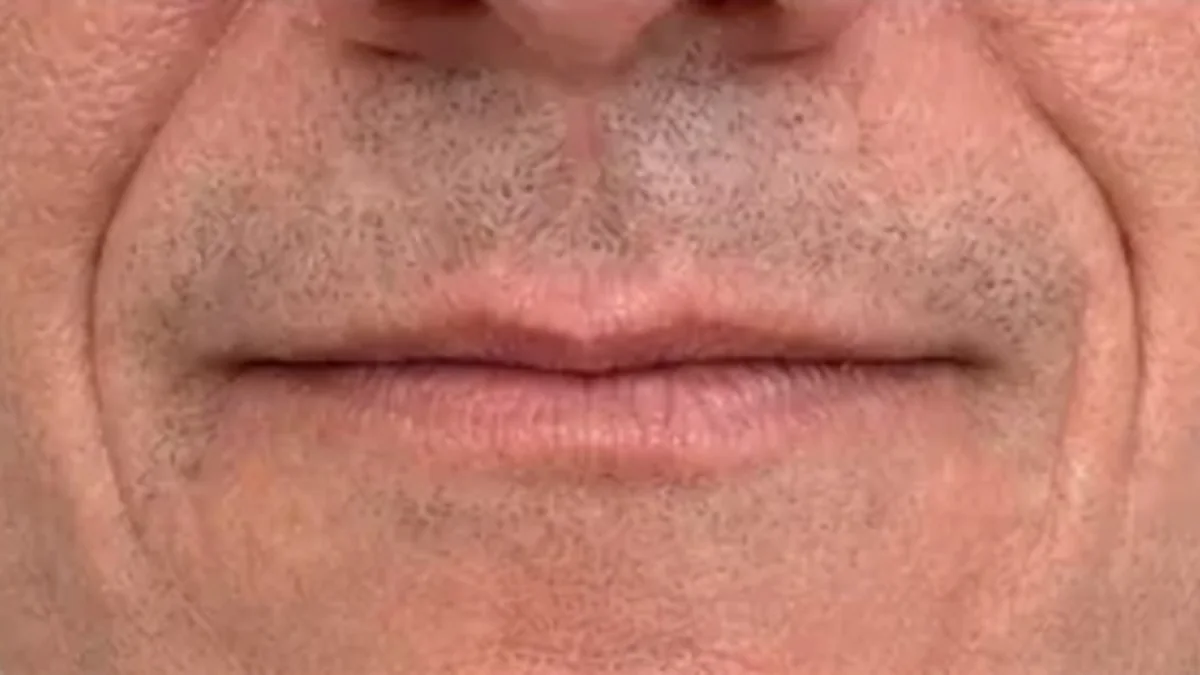
What Happens At The First Appointment?
The appointment usually covers the concern in your own words, what you hope will change, whether the issue is seen at rest or in movement, any previous treatment, health history, timing constraints and how the lip area sits within the rest of the face.
Corey Anderson RN explains what is being assessed before moving into any treatment discussion.
What Should You Bring Or Mention?
Useful details include your medical history, medication list, allergy history, previous cosmetic treatment, relevant dental or bite issues, and any practical constraints around work, sport, travel or events.
| Detail to mention | Why it matters | How it can change the advice |
|---|---|---|
| Previous cosmetic treatment | Prior work can alter anatomy, risk and timing. | Corey may recommend records review, waiting or a more conservative discussion. |
| Dental or bite concerns | Support and movement can affect how the lips read. | The discussion may need broader context than the lip alone. |
| Upcoming events or work visibility | Timing and swelling matter when discretion is important. | More time or another pathway may be appropriate than rushing. |
How Are Goals Discussed Without Stereotypes?
Corey does not require patients to describe the outcome in a stylised or exaggerated way. The conversation is about what concerns you, what you want preserved, how much visibility you are comfortable with and what a realistic plan would need to respect.
That is especially useful for men who want the discussion to stay practical and proportion-led.

What will a lip consultation clarify?
Both are normal topics. Some patients want to know whether a conservative plan is even possible. Others want reassurance that doing nothing is acceptable. Consultation can support either direction.
No subtle result is promised in advance, and a staged lip plan is a legitimate outcome when that is the safer recommendation.
How Private Is The Process?
The process is private and one-to-one. You can ask about swelling, downtime, timing, work, family visibility or whether the concern is better left alone. The consultation is designed to reduce guesswork, not increase pressure.
When Might Corey Recommend Waiting Or Another Review?
Waiting may be recommended when timing is poor, consent is uncertain, visibility concerns are high, previous treatment needs review, or the concern is better explained by movement, anatomy or another clinical issue. In some situations a different clinician, such as a dentist or GP, may be the better first step.
How Can You Verify The Clinic?
Core Aesthetics is located at 12A Atherton Road, Oakleigh VIC 3166. The clinic phone number is 0491 706 705. Consultations are led by Corey Anderson RN, Ahpra registration NMW0001047575.
If this is your first lip consultation, it is reasonable to verify who will assess you and where the clinic is located before booking. This page was reviewed on 2026-09-01.
Which Pages Should You Read Next?
Use this page alongside lip treatment consultation for men Melbourne, lip proportion consultation for men Melbourne, subtle lip treatment for men and will lip treatment look obvious on men when you are still deciding what to ask.
For more focused reading, continue with thin upper lip in men, men's lip asymmetry consultation, men's lip consultation FAQs, pricing and Verify Core Aesthetics.

First Lip Consultation Questions For Men
Do I need to know exactly what I want before booking?
No. A first consultation is often for clarifying the concern, not for arriving with a fixed treatment request.
What is usually discussed at a first lip consultation for men?
Corey Anderson RN usually reviews the concern, lip proportion, smile movement, history, privacy needs, timing, risks, consent and whether treatment discussion is appropriate at all.
Can I ask for a very restrained approach?
Yes. Restraint is a normal part of planning, but it does not mean a change will be invisible or suitable for every person.
Should I mention previous cosmetic treatment or dental history?
Yes. Previous treatment, dental support, bite issues, swelling history and medication details can all affect the discussion.
How private is the process?
Consultation is one-to-one and designed to let patients ask practical questions about visibility, timing, work and whether doing nothing is the better option.
What will a lip consultation clarify?
Some patients may be suitable for discussion of suitable options after assessment and consent, but it is never automatic.
Can a man’s first lip consultation lead to a staged plan?
That is a valid consultation outcome. The safest recommendation may be adjusted timing, review with another health professional, education only or a staged lip plan.
Is this for you?
Consider booking a consultation if
- Adult men who want to understand the first appointment before booking
- Patients who want to discuss privacy, subtlety, timing or visibility concerns calmly
- People who are open to waiting, review or a staged lip plan if that is the safer recommendation
This may not be for you if
- People expecting immediate treatment without assessment
- People seeking a fixed appearance outcome
- People who are not adult patients
- People with urgent swelling, infection or another issue needing a different clinical pathway first
Suitability is confirmed at consultation. This list is general guidance, not a substitute for clinical assessment.
Clinical references
- Ahpra guidelines for registered health practitioners who perform non-surgical cosmetic procedures
- Ahpra guidelines for advertising higher risk non-surgical cosmetic procedures
- Ahpra public register of practitioners
- TGA advertising health services and cosmetic injections FAQ
- TGA advertising health services that involve therapeutic goods