These answers are for men who want straight advice about lip proportion, symmetry, discretion, timing and whether a consultation would be useful. Corey Anderson RN assesses the concern individually, explains suitable options and helps you agree on a practical next step.
What This FAQ Page Covers
This page collects the practical questions men ask before booking a lip consultation. It helps you work out whether the concern is proportion, symmetry, discreet change, timing or whether a first conversation is the better next step.
The goal is clarity, not pressure.
Where Should Men Start If They Are Unsure What To Ask?
Start with the concern in your own words. You do not need to know the treatment language first. Consultation is where Corey Anderson RN helps sort out whether the issue is upper-lip proportion, overall lip balance, asymmetry, prior treatment history, visibility or whether no cosmetic plan is needed at all.
Which Concern Usually Leads To Which Guide?
This table helps match the concern to the most useful guide.
| Common question | Best guide to read next | Why that guide helps |
|---|---|---|
| The upper lip feels too slight | Thin upper lip in men | It focuses on upper-to-lower balance and smile movement. |
| One side looks different | Men's lip asymmetry consultation | It explains rest position, movement and sudden-change cautions. |
| I want balance, not size | Lip proportion consultation for men Melbourne | It keeps the discussion focused on whole-face proportion. |
| I want to know what a first visit involves | First lip consultation for men | It explains preparation, privacy and what Corey reviews first. |
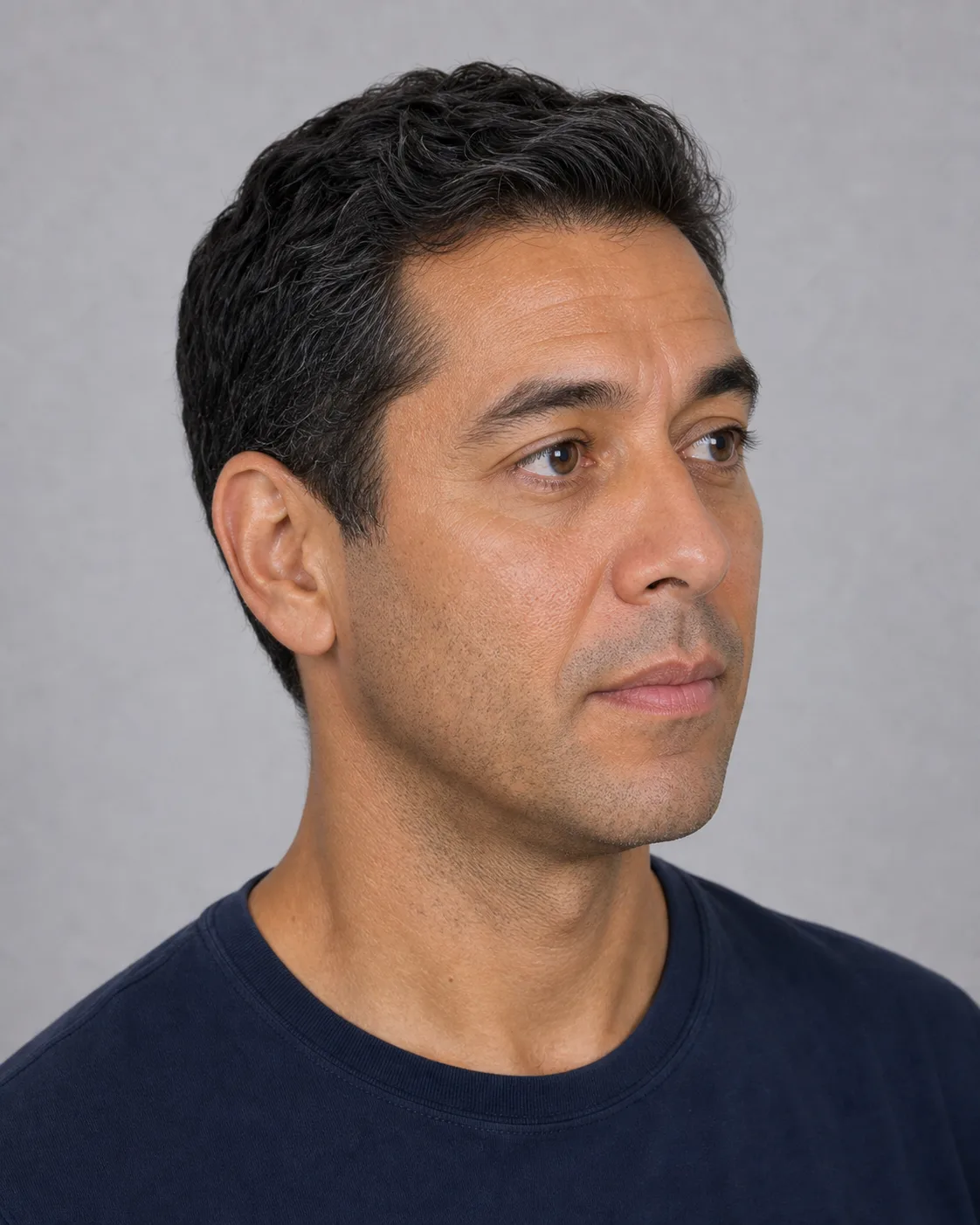
What will a lip consultation clarify?
Sometimes, but only after assessment. The next-step discussion can happen when Corey Anderson RN has enough information to confirm that the concern is suitable, the timing works and the risks have been understood. If the question is still unsettled, waiting is often the better call.
What Privacy, Work And Visibility Questions Come Up Most?
Men often want to know whether any change will be obvious at work, how much swelling can be expected and whether the conversation can stay discreet. Those are normal questions. Corey Anderson RN talks them through openly, but there is no promise of an invisible result or a fixed timeline.
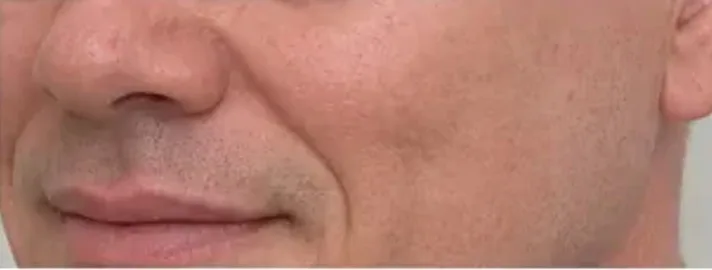
When Does Corey Recommend Timing or another clinically appropriate pathway?
Timing or another clinically appropriate pathway may be recommended when the lips are already balanced, when the desired change would look obvious rather than discreet, when timing is not ideal or when another clinical explanation fits better. A good consultation should make those limits clear, not push past them.
What Should You Check Before Booking?
If you want to check the clinic before booking, start with the practitioner and the consultation path rather than the biggest promise. Corey Anderson RN is the clinician behind this page and the clinic is based in Oakleigh. If you are comparing options, use the Verify Core Aesthetics page first and book only when the process feels right. This page was reviewed on 2026-09-01.
Read These Lip Pages Next
If you still want to compare the main options, start with lip treatment for men Melbourne, lip treatment for men, first lip consultation for men and lip proportion consultation for men Melbourne.
For a narrower question, continue with thin lips in men, thin upper lip in men, men’s lip asymmetry consultation, subtle lip treatment for men, Verify Core Aesthetics and pricing.
Common Lip Questions For Men
Can I book if I am only curious and not sure I want treatment?
Yes. You can book even if you are only testing the idea. Consultation is the place to work out whether the concern is really about proportion, subtlety, asymmetry or whether treatment is not appropriate. There is no need to commit before you speak with Corey Anderson RN.
Do I need to know which lip page applies to me before booking?
No. The guides help you frame the concern, but you do not need to choose the perfect page first. Corey Anderson RN can sort the question during consultation and may find that the real issue is different from the one you started with, which is normal.
Can thin upper lip and asymmetry be discussed in the same visit?
Yes. If thin upper lip and asymmetry are both on your mind, they can be discussed in the same appointment. That is often better than treating them as separate problems, because lip proportion, symmetry and movement usually interact. The consultation can then decide whether any treatment conversation makes sense.
Will I know the likely costs before deciding?
Likely costs can be discussed after assessment, because the amount of product, the number of areas and whether treatment is actually suitable all affect pricing. The useful answer is not a fixed public number, but a cost discussion that follows the consultation and matches the plan.
Can a men’s lip consultation lead to discussion of suitable options?
Sometimes, but never automatically. The next-step discussion depends on what Corey finds, whether you understand the risks, whether your timing is suitable and whether the conservative option is still worth considering. Some people are better served by waiting, reading more or not proceeding.
What if I want the change to stay discreet?
That can be discussed clearly. Corey will look at proportion, expected swelling, movement, timing and how much change is actually needed before deciding whether a discreet result is realistic. For some men the safer answer is a very conservative plan. For others it is a staged lip plan.
When might Corey recommend a staged lip plan?
A staged lip plan may be recommended when the concern is too limited, the face is already balanced, the likely change would be too obvious, the timing is poor or another explanation seems more likely. A good consultation should be comfortable ending with a staged lip plan.
Is this page medical advice?
No. It is general information for adults researching lip questions before booking. Personal advice needs an in person assessment, because lip proportion, facial balance, timing and risk all depend on the individual face in front of Corey Anderson RN.
Is this for you?
Consider booking a consultation if
- Adult men who want common consultation questions answered before booking
- Patients deciding whether the concern is about proportion, asymmetry, subtlety or timing
- People who want a calm path into consultation rather than pressure toward treatment
This may not be for you if
- People expecting a fixed treatment promise from an FAQ page
- People seeking fixed cost, timing or appearance outcomes before assessment
- People who are not adult patients
- People with urgent issues that need another clinician first
Suitability is confirmed at consultation. This list is general guidance, not a substitute for clinical assessment.
Clinical references
- Ahpra guidelines for registered health practitioners who perform non-surgical cosmetic procedures
- Ahpra guidelines for advertising higher risk non-surgical cosmetic procedures
- Ahpra public register of practitioners
- TGA advertising health services and cosmetic injections FAQ
- TGA advertising health services that involve therapeutic goods