For South Yarra patients, jaw muscle consultation should separate cosmetic lower face width questions from jaw pain, bite changes, dental treatment, jaw joint symptoms and clenching history. Corey Anderson RN reviews lower face width, chewing muscle activity, dental boundaries, medical history, previous treatment, timing, consent and review access before deciding which options may be suitable, whether timing needs adjusting and what next step fits best.
Begin With The Exact Image
If a photograph or video started the concern, identify that image rather than generalising from it. Note whether it was a close selfie, front camera, professional photograph, paused video or filtered social post. Record the head position, expression and lighting.
Corey Anderson RN treats the image as context, not a diagnosis. Core Aesthetics is in Oakleigh, not South Yarra, and this guide helps South Yarra adults translate an image led question into an individual clinical assessment.
What Can The Camera Change?
Short camera distance can enlarge the nearest features, while head turn can make one jaw angle appear stronger. Lens choice, mirroring, light direction, posture, expression and editing can also change apparent width and symmetry.
This does not mean the concern is imaginary. It means the image conditions must be separated from what is consistently visible in ordinary life.
Run A Five Step Camera To Clinic Check
Use one calm check rather than repeatedly searching for an unflattering frame.
| Step | Question | What it clarifies |
|---|---|---|
| Image setup | How was the frame made? | Distance, lens, angle, light and editing |
| Normal distance | Does it appear in an ordinary mirror? | Camera specific versus everyday observation |
| Rest | What does the lower face look and feel like relaxed? | Baseline width and comfort |
| Movement | What changes with speech or gentle clenching? | Muscle contribution and expression |
| Function | Are there chewing or jaw symptoms? | Dental and medical context |
Does It Appear At Normal Distance?
Compare the image with a neutral mirror and an unedited photograph taken at ordinary conversational distance. Keep the head straight and jaw relaxed. Note whether the concern remains, changes sides or disappears.
Do not try to manufacture perfect symmetry. The purpose is to find a repeatable observation that Corey can examine under consistent clinic conditions.
What Changes Between Rest And Movement?
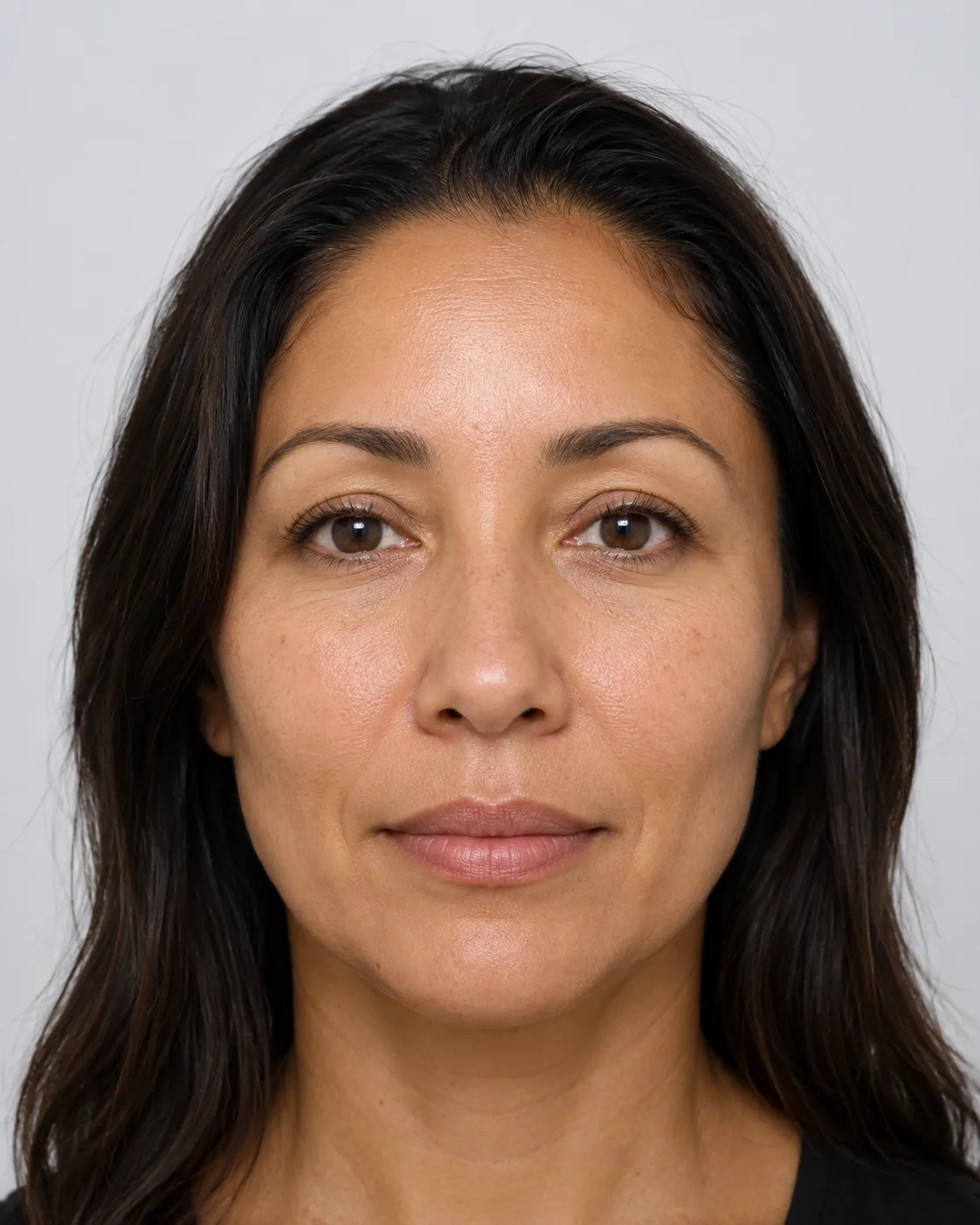
Observe the lower face while relaxed, speaking and gently bringing the teeth together. Does the width change, does one side move more visibly, and is the movement comfortable? Stop if deliberate testing causes discomfort.
Movement can help distinguish an image led contour question from visible chewing muscle activity. It cannot establish suitability by itself.
Where Do Physical Symptoms Belong?
Record pain, fatigue, tenderness, clicking, locking, headaches, bite change, tooth wear, mouthguard use and recent dental work separately from what you see. Include timing and the impact on ordinary activity.
Cosmetic consultation does not diagnose jaw symptoms or replace dental or medical care. Corey uses this history to keep appearance and function in their appropriate clinical lanes.
Translate The Image Into A Consultation Brief
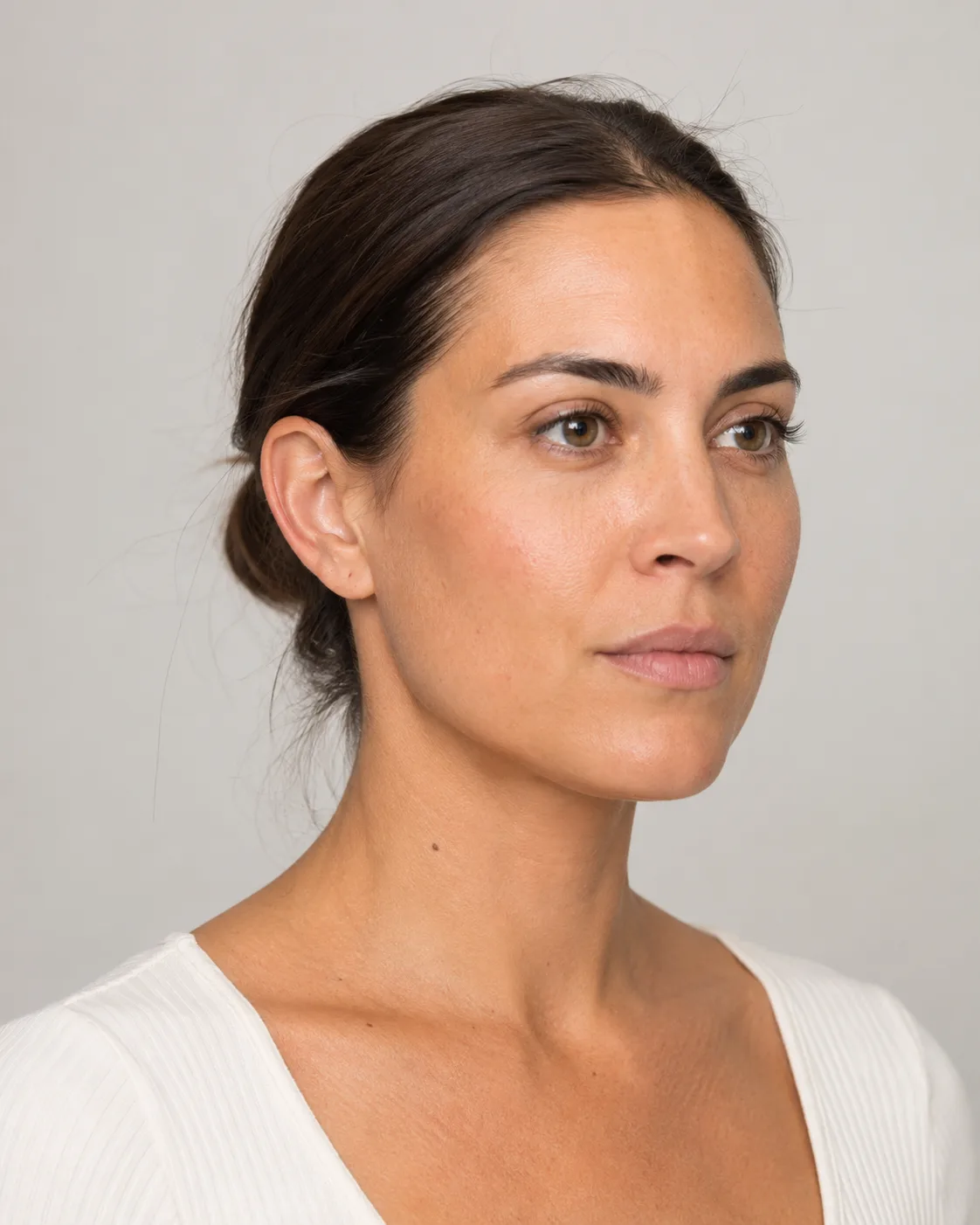
This table converts a visual trigger into information Corey can assess.
| Image observation | Real world check | Brief for consultation |
|---|---|---|
| One side looks wider | Compare neutral rest and head position | Assess natural asymmetry and movement |
| Jaw looks broad in a selfie | Repeat at normal distance | Compare lens effect with lower face structure |
| Width changes while speaking | Observe ordinary expression | Assess dynamic muscle and facial character |
| Concern appears with clenching | Note comfort and visible activity | Separate appearance from symptoms |
| Filtered image sets the goal | Identify unchanged familiar features | Return to personal proportions |
What Should Remain Familiar Off Camera?
Name the features that still feel like you in person: lower face character, smile, natural side difference, chin relationship or jawline edge. A useful plan begins with your real face and priorities rather than an isolated or edited frame.
Suitable care can be planned when individual assessment and informed consent support it. More information, adjusted timing, another clinical review or a different pathway can be incorporated when useful.
South Yarra Camera To Clinic Questions
How can a selfie change apparent jaw width?
A close camera can enlarge nearby features, while head turn, lens choice, mirroring, lighting and expression can alter width and symmetry. Compare the image with ordinary distance and direct assessment.
What should I record about the original image?
Note whether it was a selfie, professional photograph, paused video or filtered post, plus camera distance, angle, head position, expression, lighting and any editing. These conditions help interpret the frame.
How do I check the concern at normal distance?
Use a neutral mirror and one unedited photograph at conversational distance with the head straight and jaw relaxed. Note whether the observation persists, changes sides or depends on the setup.
Why compare rest and movement?
Speaking and gentle clenching can show whether visible width changes with muscle activity or expression. Stop if testing causes discomfort, and describe ordinary movement rather than repeatedly forcing the jaw.
Where should pain or bite changes be recorded?
Keep physical symptoms in a separate function history. Include pain, fatigue, clicking, locking, headaches, bite change, tooth wear, mouthguard use and dental care because cosmetic consultation does not diagnose these concerns.
Should I bring a filtered goal image?
You can bring it to explain the trigger, but identify what editing or filtering occurred. Corey bases assessment on your real anatomy, movement, history and personal preservation priorities, not an altered frame.
Is Core Aesthetics located in South Yarra?
No. Core Aesthetics is in Oakleigh. Check the journey from your actual starting point and whether returning for planned review is practical. This local guide does not imply a South Yarra clinic.
Is this for you?
Consider booking a consultation if
- Adults who want jaw muscle, lower face, jawline, chin and dental context assessed before treatment discussion
- Patients with clenching or grinding history who understand dental boundaries may matter
- Patients with previous treatment who may need records review, waiting or original clinic review
- People who value a clear explanation of options, timing, follow-up and other clinical input
This may not be for you if
- People asking for a predetermined plan without assessment, consent or risk discussion
- People seeking a fixed lower face change before consultation
- People wanting public prescription product advice or product led recommendations
- People with urgent dental, medical, infection, pain or jaw symptoms who need appropriate medical or dental care
Suitability is confirmed at consultation. This list is general guidance, not a substitute for clinical assessment.