For a lip volume consultation near Springvale, map four connected areas: the central upper lip, the central lower lip, the side borders, and the mouth corners. Observe each at comfortable rest and through one natural smile, noting height, curve, border visibility, corner movement and return to rest without stretching or tracing an ideal outline. Corey Anderson RN combines the map with direct assessment of projection, tissue, teeth and chin relationships, health, medicines, dental context, previous care, risks and the features you want to preserve. Suitable care can be planned when individual assessment and informed consent support it.
Why Follow Lip Shape From Centre To Corner?
The central lip, side border and mouth corner do not have the same height, curve or movement. A concern in one part may look different when the full line is considered.
The map describes your natural shape without measuring it against a universal outline or choosing a procedure.
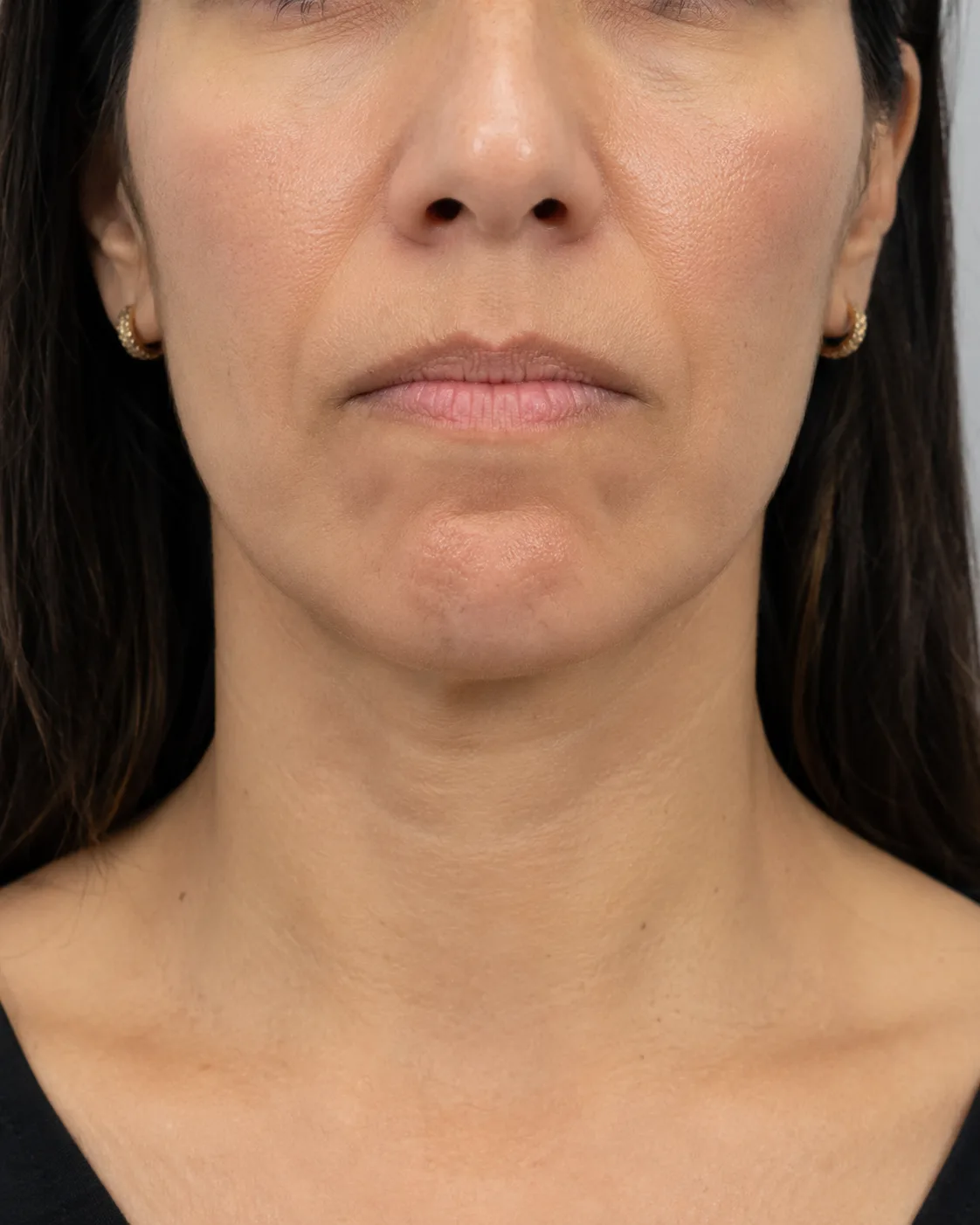
What Belongs In The Four Area Map?
| Area | At comfortable rest | During a natural smile |
|---|---|---|
| Central upper lip | Central height, shape and border | Lift, stretch and tooth show |
| Central lower lip | Curve, posture and upper lip relationship | Change in curve and lower face movement |
| Side borders | Transition from centre toward corners | Border visibility as the lips stretch |
| Mouth corners | Resting position and side differences | Direction, height and return to rest |
What Does The Central Upper Lip Contribute?
Observe the central upper lip at rest, including its height, central shape and border. Then notice how it lifts and stretches in a familiar smile.
Do not pinch, trace or hold the border. Direct assessment is more useful than trying to grade definition at home.
How Is The Central Lower Lip Different?
The central lower lip may have a broader curve and different resting posture from the upper lip. Corey considers how the two meet, move and relate to the chin.
One lip is not assessed as a size target for the other. Proportion remains individual and movement dependent.
Why Include The Side Borders?
The side borders connect the central shapes to the mouth corners. Their height and visibility can change as the lips speak, smile and settle.
A border that appears different in side light or a close photograph needs context rather than a conclusion from one view.
What Do Mouth Corners Add To The Map?
Mouth corners contribute to expression and the visual finish of the lip line. Notice resting position, natural side differences and how each corner travels during smiling.
Corey assesses the corners with cheek, chin and lower face movement without promising exact symmetry.
How Does Return To Rest Complete The Shape Story?
After smiling, observe how the central lips, side borders and corners settle. The transition can show familiar contact, chin recruitment and side differences.
This is an observation rather than a functional test or diagnosis.
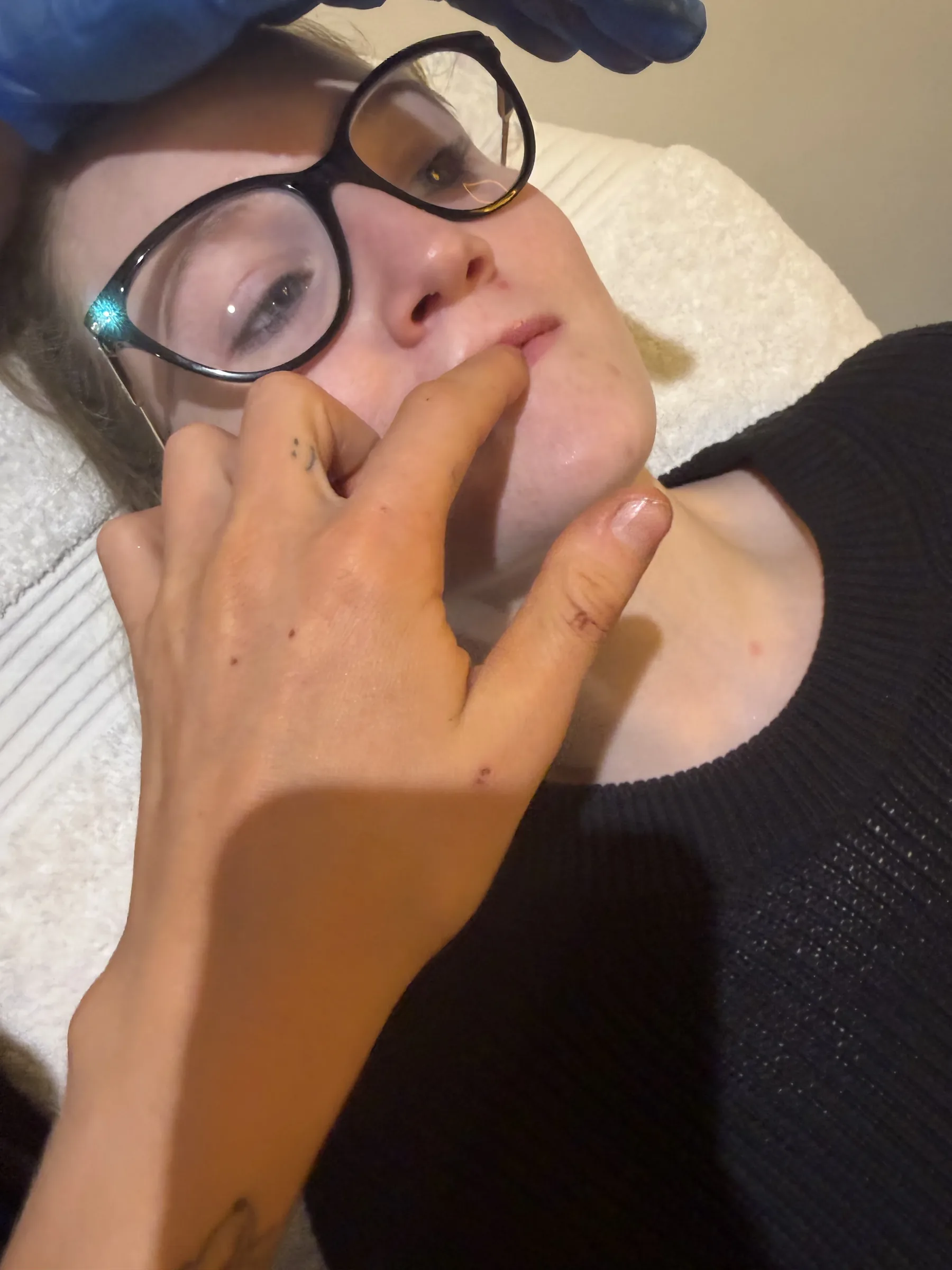
What History Changes A Centre To Corner Assessment?
Bring current medicines, allergies, relevant health history, dental changes, cold sore history, skin symptoms, previous lip care and approximate dates. Mention pregnancy or breastfeeding when relevant to planning.
Recent dental work, mouth discomfort, unexplained swelling or a new functional change should be described so the appropriate care pathway can be included.
How Are Lip Risks And Limits Discussed?
Depending on the suitable option, discussion may include redness, tenderness, swelling, bruising, asymmetry, lumps, infection, cold sore flare, delayed inflammatory response, dissatisfaction and uncommon urgent vascular warning signs.
Corey explains alternatives, likely limits, total cost, aftercare, follow up and when to contact the clinic. The map cannot predict an individual response.
Where Is The Centre To Corner Map Reviewed?
Core Aesthetics is at 12A Atherton Road, Oakleigh VIC 3166. Phone 0491 706 705. Corey Anderson is a Registered Nurse with Ahpra registration NMW0001047575.
Bring the four area observations and the shape or movement features you want considered and preserved.
Can The Centre To Corner Map Lead To Suitable Care?
Corey combines the map with direct assessment, history, expectations, material risks, alternatives, costs and practical review access. Suitable care can be planned when individual assessment and informed consent support it.
More information, adjusted timing, another clinical review or a different pathway can be incorporated when useful.
What Is The Boundary Of This Lip Map?
This page provides general education and does not diagnose a lip, dental or jaw concern, confirm suitability or replace personal medical or dental advice.
These cosmetic procedure guidelines inform the consultation process. See the Ahpra guidelines for registered health practitioners who perform non-surgical cosmetic procedures and the TGA guidance for advertising health services involving therapeutic goods.
Is this for you?
Consider booking a consultation if
- Adults near Springvale wanting lip proportion and movement assessment before option discussion
- Patients who want consultation-first explanation of shape, volume, tissue behaviour, risk and consent
- People open to exploring lip shape, movement and proportion, suitable options, timing and review needs
- Patients who want to verify Corey Anderson RN and the Oakleigh clinic before booking
This may not be for you if
- People asking for a predetermined plan without assessment, consent or risk discussion
- People with urgent medical symptoms, active infection, acute swelling or rapidly changing lip symptoms
- People wanting a fixed cosmetic change before proportion, movement and tissue behaviour are assessed
- People seeking elective cosmetic care for someone who cannot provide informed consent
Suitability is confirmed at consultation. This list is general guidance, not a substitute for clinical assessment.
Frequently asked questions
What is a centre to corner lip map?
It follows central upper and lower lip shapes through the side borders to the mouth corners at rest and during a natural smile. The map helps Corey assess connected shape and movement without applying a universal outline.
Does every lip need a clearly defined border?
No. Border visibility varies with anatomy, skin, light, movement and personal features. Corey assesses your natural transition rather than applying one ideal degree of definition.
Why assess mouth corners with the lips?
Mouth corners complete the lip line and move with the cheeks, chin and lower face. Including them helps explain expression without treating the central lips in isolation.
Should both mouth corners move identically?
Not necessarily. Natural side differences are common. Corey observes direction, height, timing and return to rest without promising that both sides can or should become identical.
Can dental work change the centre to corner map?
Yes. Recent dental work, tooth position, jaw relationships or discomfort may affect posture and movement. Bring relevant details and use an appropriate dental pathway for dental concerns.
What should I bring after previous lip care?
Bring approximate dates, available records and what you noticed over time, including swelling, lumps, asymmetry, discomfort or other concerns. Product and practitioner details are useful when known.
Can suitable care be planned during consultation?
Yes. Suitable care can be planned when individual assessment and informed consent support it. More information, adjusted timing, clinical review or another pathway can be incorporated when useful.
Is Core Aesthetics located in Springvale?
No. The clinic is in Oakleigh. Check the trip from your actual starting point and make sure returning for review would be practical before choosing an appointment time.