Temple risk concerns are easier to act on when urgent symptoms are separated from non urgent review questions. Corey Anderson RN can clarify whether the next step is urgent medical care, follow up with the original treating clinic, a records review, broader assessment, a second opinion, adjusted timing or another coordinated clinical pathway.
When Temple Risk Concerns Need Urgent Medical Care
Severe pain, vision symptoms, skin colour change, rapidly worsening swelling or another acute change should be treated as urgent. In those situations, a website page is not the right tool and a routine cosmetic booking is not the right pace.
| What you notice | Why it matters | Safer next step |
|---|---|---|
| Severe pain or sudden worsening | Routine reassurance is not enough when symptoms escalate quickly. | Seek urgent medical care and contact the treating practitioner or clinic. |
| Vision symptoms or unusual eye change | The temple sits close to important anatomy and these symptoms should not be assessed online. | Seek urgent medical attention immediately. |
| Skin colour change or marked tissue change | Visible change that appears abrupt or concerning needs prompt clinical judgement. | Urgent review is safer than waiting for a routine consultation slot. |
| Uncertain but non urgent concern after previous treatment | Timing, records and symptom pattern still matter before anyone suggests a next step. | Book a review and bring as much treatment history as you can. |
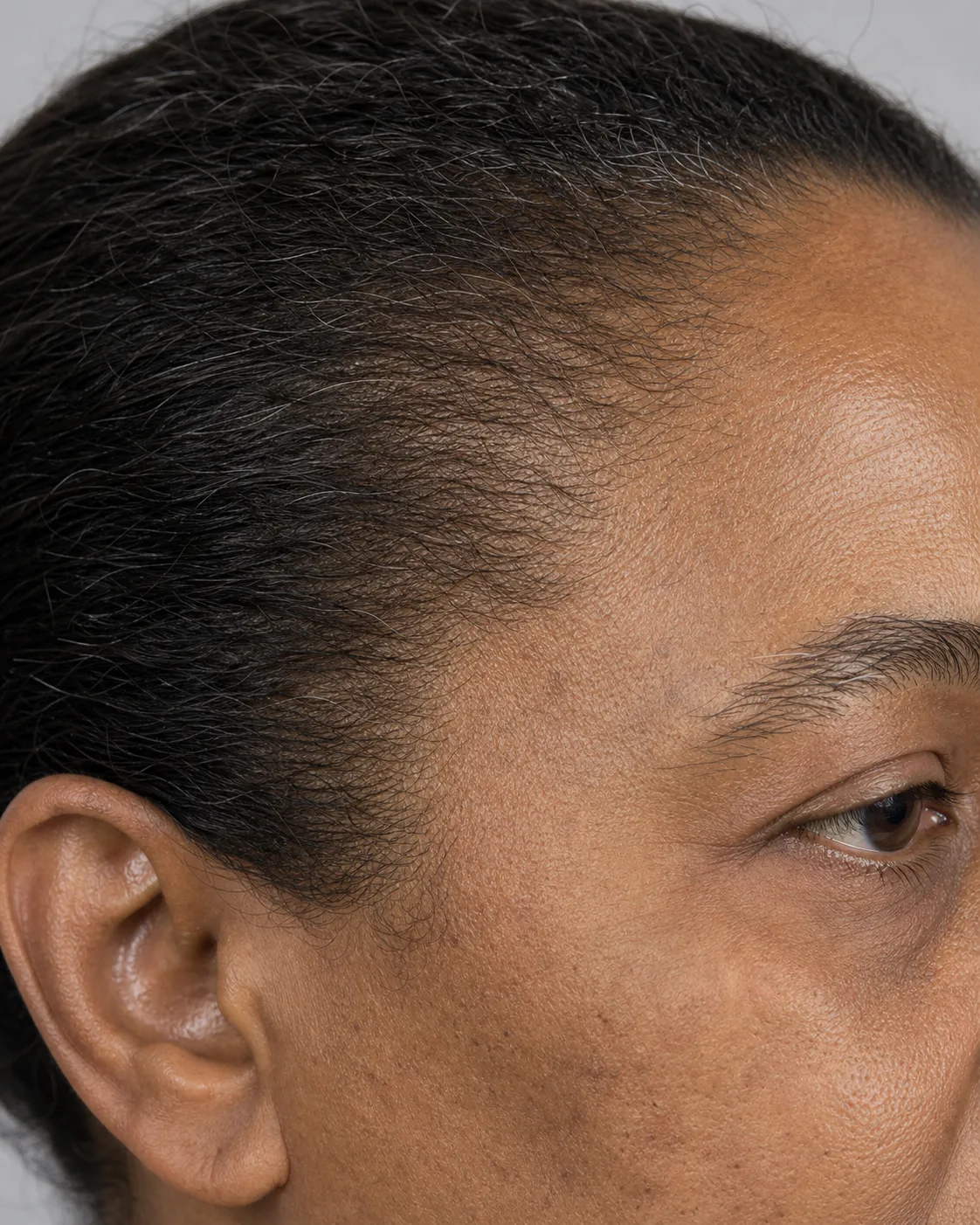
What Corey Checks Before Risk Or Further Planning Is Discussed
Non-urgent review still needs structure. The key questions are what changed, when it changed, what treatment happened before, what records exist and whether the concern is truly temple related or part of a broader facial context.
| Question | What Corey checks | Why it matters |
|---|---|---|
| What happened and when? | Timing of symptoms, whether they are settling, and what changed after previous treatment. | Timing affects whether urgent review, waiting or a second opinion makes more sense. |
| What records are available? | Previous treatment dates, clinic details, product records if known and any aftercare advice already given. | Missing information can change the safest next step. |
| Is the concern truly temple specific? | Temple anatomy, upper face balance, surrounding areas and whether the visible issue is being oversimplified. | A risk question can become misleading if the wrong area is being blamed. |
| Should treatment discussion pause? | Active symptoms, incomplete history, unsettled expectations and whether the appointment should stay focused on safety. | Consultation first still applies, especially when risk concerns are present. |
If The Concern Follows Previous Treatment Elsewhere
When a concern follows previous treatment elsewhere, the first step is not to assume correction or retreatment. Corey may need timing details, records, the original advice given, symptom changes and a clearer picture of what you actually want reviewed.
That review may lead to reassurance, monitoring over an agreed period, follow up with the original clinic, a records review, referral or broader assessment. The purpose is to make the next step clear before any further cosmetic planning is considered.

What Makes Waiting Or A Second Opinion Sensible?
Waiting can be sensible when symptoms are changing, records are incomplete, the timeline is unclear, the issue may settle further or the consultation would otherwise become a rushed attempt to solve uncertainty too quickly.
A second opinion can also be appropriate when the safest answer is broader review, referral or a clearer explanation of scope rather than immediate cosmetic planning.
What Should You Do After A Non-Urgent Concern?
For non urgent concerns, write down what you noticed, when it changed, what advice you were given, which symptoms have settled and what still feels unresolved. Bring current medicines, allergies, relevant health history and previous cosmetic treatment details if you have them.
The consultation can then stay grounded in facts rather than guesswork, which is especially important when the goal is safety rather than a fast cosmetic decision.

Clinic Details And Verification
Core Aesthetics is in Oakleigh. The clinic phone number is 0491 706 705. Consultations are led by Corey Anderson RN, Ahpra registration NMW0001047575.
You can use the Verify Core Aesthetics page and the Ahpra public register before booking. Verification matters because temple risk questions should be grounded in accountable clinical review, not guesswork.
General Information Only
This page provides general information for adults considering review of temple risk concerns. It does not replace urgent medical care, personal medical advice or an individual clinical assessment.
If a concern is acute, severe or rapidly changing, seek appropriate medical care rather than relying on a routine cosmetic consultation page.
Frequently asked questions
What should I do if a temple concern feels urgent?
Seek urgent medical care if you have severe pain, vision symptoms, skin colour change, rapidly worsening swelling or another acute concern. This page cannot assess or clear urgent symptoms online.
Does this page replace a medical review?
No. It provides general information only. Individual advice depends on assessment, medical history, previous treatment details, current symptoms and whether the issue is routine, delayed or urgent.
Can Corey review concerns after treatment elsewhere?
Yes, where review is clinically appropriate and within clinic scope. Bring dates, clinic details if known, product records if available and a clear description of what has changed or worried you.
Can monitoring or a second opinion be a useful next step?
Yes. An agreed monitoring period, records review, follow up with the original treating clinic, broader assessment or a second opinion can make the situation clearer and support an informed next decision.
What will a non urgent temple concern appointment clarify?
Corey can review the timing, symptoms, records and facial context, then explain whether follow up with the original clinic, monitoring, a second opinion, another clinical review or later cosmetic planning fits the findings.
What should I bring to a temple risk consultation?
Bring current medicines, allergies, relevant medical history, previous cosmetic treatment dates if known, photos only if they help explain change, and any records you still have from another clinic.
What if I am not sure whether the issue is really temple related?
Is this page trying to diagnose a complication?
No. It is a safety focused guide that helps readers understand when urgent care matters, when assessment is still useful and why no cosmetic decision should be rushed when risk concerns exist.
Is this for you?
Consider booking a consultation if
- You are an adult patient seeking safety guidance about temple treatment
- You have a non urgent temple concern and want assessment
- You want to understand warning signs to clarify which options are worth discussing
- You are seeking a second opinion about previous temple treatment
This may not be for you if
- You have vision symptoms, severe pain, skin colour change or rapidly worsening swelling that needs urgent medical care
- You want online reassurance instead of assessment for concerning symptoms
- You want correction without diagnosis or review of previous treatment history
- You are seeking elective cosmetic advice for someone who cannot provide informed consent
Suitability is confirmed at consultation. This list is general guidance, not a substitute for clinical assessment.
Clinical references
- Ahpra guidelines for advertising higher risk non surgical cosmetic procedures
- Ahpra public register of practitioners
- TGA advertising health services involving therapeutic goods
- Anatomy of the temporal region and implications for minimally invasive procedures
- Temple Volumization: An Updated Review
- Safety and efficacy of temple augmentation: a systematic review