Temple concerns for Hawthorn patients should be explored through careful assessment of the concern, goals and clinical context. Corey Anderson RN reviews temple hollowing, upper face structure, cheek support, medical history, previous treatment, timing, risks, alternatives and consent before explaining which options, timing or next step best fit the concern.
Why This Hawthorn Page Exists
People searching from Hawthorn often want to know whether a hollow or shadow near the temple is a temple issue, a broader upper face issue or part of a wider facial balance concern. This page exists to answer that question clearly before anyone assumes treatment is the next step.
It is a local support page, so its job is not to repeat the whole Melbourne hub. Its job is to help you decide whether temple assessment is the right conversation to book, and what questions are worth bringing into that appointment.
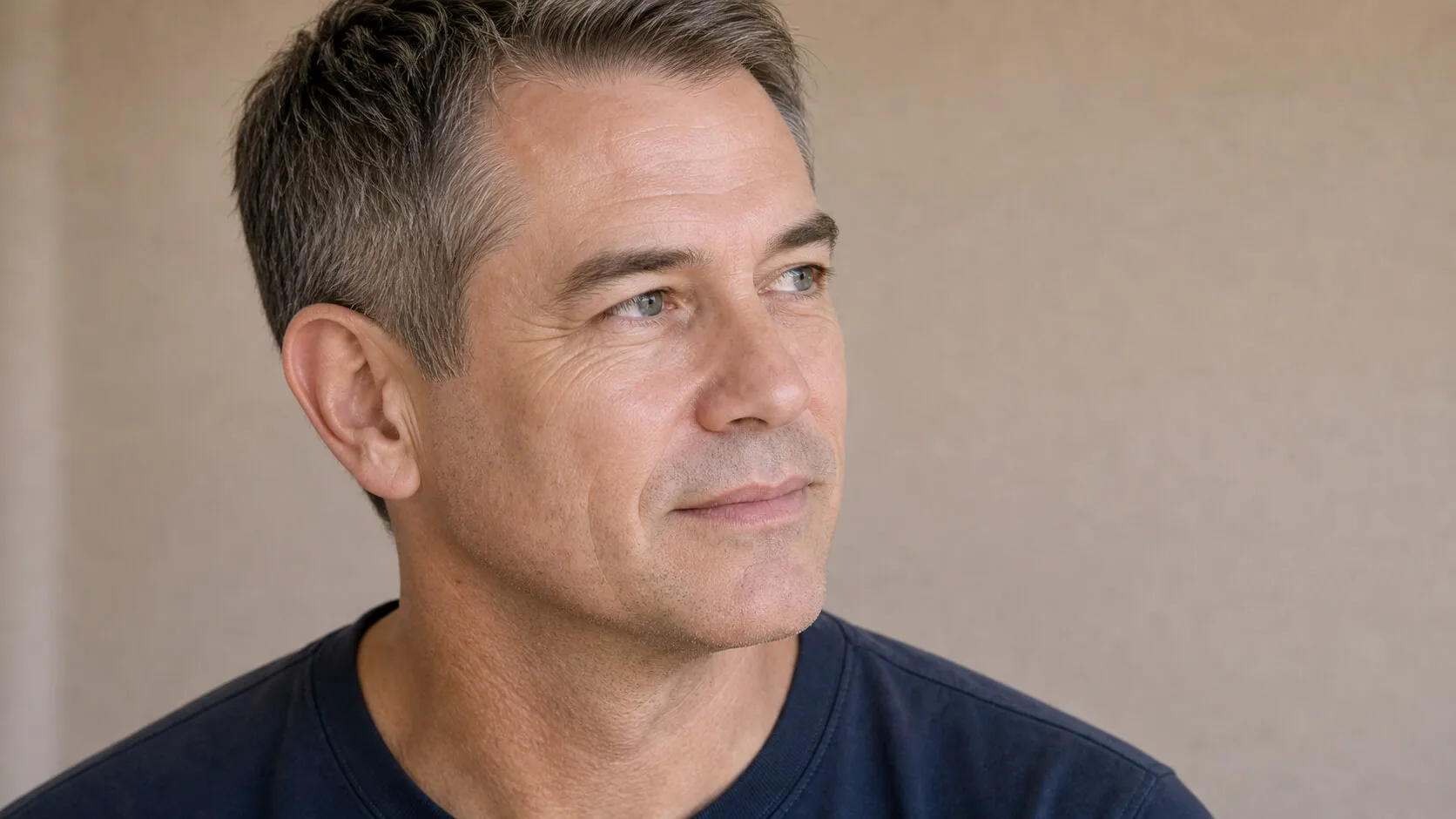
What Will the Consultation Clarify About Temple Hollowing, Upper-Face Balance And Nearby Support?
The point of this assessment is to work out whether the temple is the real issue, whether broader facial context matters and whether the discussion should slow down rather than speed up.
| Question | What Corey checks | Why it matters |
|---|---|---|
| Is the concern truly temple related? | Temple hollowing, brow relationship, upper cheek support, asymmetry and how the side of the face sits in whole face context. | A shadow near the temple can be caused by more than one factor. |
| What risk factors are relevant? | Medical history, medicines, allergies, previous treatment, timing and tissue behaviour. | These details can change whether treatment discussion should happen at all. |
| What outcome is the patient actually seeking? | What has changed, what feels out of balance and what the patient wants to avoid. | The safest answer may be broader assessment, timing or another clinically appropriate pathway. |
| How will Corey explain the next step after assessment? | Consent, expectations, risk, timing and whether the patient has enough information. | Consultation first remains the rule. |
A Common Hawthorn Consultation Scenario
A patient may arrive from Hawthorn saying the temple looks hollow, but the real issue may involve upper cheek support, lateral facial balance, previous treatment elsewhere or the way facial ageing is showing across more than one area. In that situation, Corey uses the consultation to separate the visible concern from the safest treatment conversation.
That can mean keeping the focus on the temple, broadening the discussion, asking for more history or recommending that nothing proceed on the day.
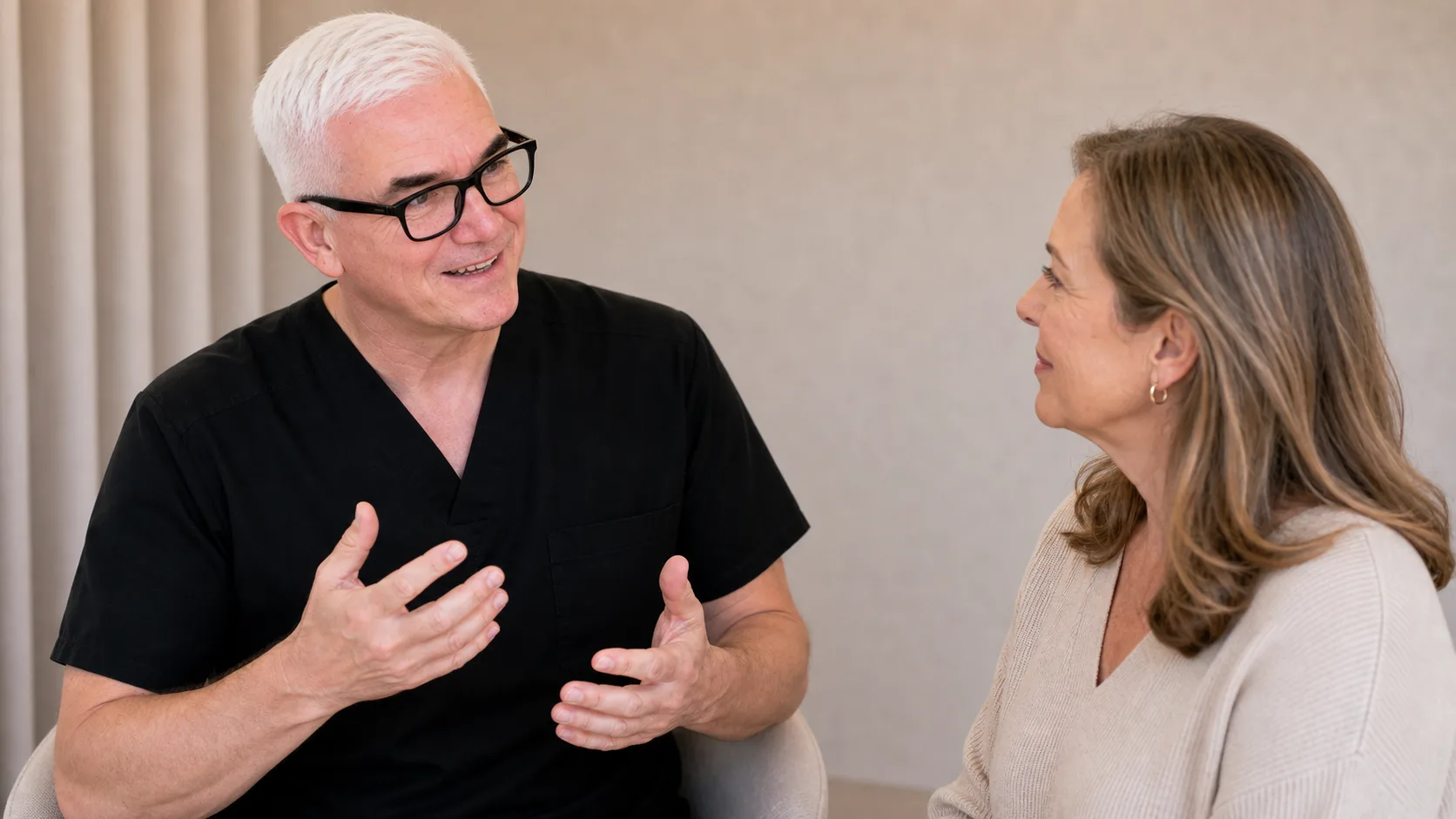
When Adjusted Timing May Help
Waiting can be the better advice when previous treatment history is unclear, the timing is poor, an event is too close, the anatomy needs broader assessment, the risks outweigh likely benefit or the patient is still deciding what outcome actually matters.
Choosing to pause is not a failed consultation. It is part of responsible assessment, particularly in an area that should never be treated like an impulsive add on.
Risks, Limits And Consent
The temple area requires careful risk discussion. Relevant issues can include bruising, swelling, tenderness, asymmetry, dissatisfaction, review needs and rare but serious complications that require urgent medical attention.
Consent should cover why the area is being assessed, what the safer alternatives are, what warning signs matter, what follow up may be needed and why a staged assessment plan remains a legitimate outcome.
Planning The Visit From Hawthorn
If you are travelling from Hawthorn, it helps to bring previous treatment dates if known, current medicines, allergies and a plain description of what you have noticed over time. If photos help explain change, they can be useful context, but they do not replace in-person assessment.
This is also the moment to decide whether you need a temple specific discussion, a broader facial volume consultation or a general aesthetic consultation. You do not need to settle that question alone before booking.

Clinic Details And Verification
This page was reviewed on 5 September 2026. Core Aesthetics is located at 12A Atherton Road, Oakleigh VIC 3166, phone 0491 706 705. Consultations are led by Corey Anderson RN, Ahpra registration NMW0001047575.
You can use the Verify Core Aesthetics page, the Ahpra public register and the contact page before booking. Verification matters because this page is meant to clarify suitability, risk, limits and whether waiting is the better next step.
General Information Only
This page provides general information for adults considering temple assessment. It does not replace individual medical assessment, personal advice or the detailed consent process used in clinic.
If the safest next step is waiting, more history, altered timing or another clinically appropriate pathway, that should be discussed openly as a legitimate consultation outcome.
Frequently asked questions
What does this Hawthorn page help me decide?
A useful assessment should make the concern clearer, answer your main questions and explain why particular options or timing fit. It should also identify any records or other clinical input that would strengthen the plan.
How is this different from the temple risks page?
This page helps Hawthorn patients decide whether the concern needs temple assessment at all. The risks page is more focused on safety, warning signs, limitations and what to do if something does not feel right.
Does reading this page mean temple treatment is suitable?
Suitability depends on anatomy, medical history, previous treatment, timing, expectations, risk and whether Corey Anderson RN considers treatment discussion appropriate after assessment.
Can I book just to ask about temple hollowing or facial balance?
Yes. A consultation can be used to understand what is contributing to the concern, what risks matter, whether the temples are the real issue and whether timing or another clinically appropriate pathway is the safer pathway.
What should I bring if I have had treatment elsewhere?
Bring approximate dates, clinic details if known, any records you still have, current medicines, allergies and relevant medical history. Previous treatment can affect timing, tissue behaviour and whether records review is needed first.
Can a Hawthorn temple assessment change the timing or next step?
Yes. Anatomy, expectations, timing and risk can shift the plan toward broader assessment or a staged review. Corey explains the reason and the next useful step.
What happens after Corey assesses the concern?
Corey explains the material risks, likely limits, alternatives, aftercare and review access that apply to temple hollowing, upper-face balance and nearby support. Consent remains voluntary, with time to ask questions and decide at your own pace.
When should I seek urgent medical care instead of reading more?
Seek urgent care if you have severe pain, vision symptoms, skin colour change, rapidly worsening swelling or another acute concern that does not fit a routine cosmetic consultation. This page is general information only.
Is this for you?
Consider booking a consultation if
- You are an adult patient from Hawthorn concerned about temple hollowing or upper-face balance
- You want assessment to clarify which options are worth discussing
- You value risk discussion and conservative planning
- You want clear advice on suitable options, staging, timing and follow-up
This may not be for you if
- You want a promised result or treatment without assessment
- You have vision symptoms, severe pain, skin colour change or rapidly worsening swelling that needs urgent care
- You want a quick cosmetic decision without informed consent or risk discussion
- You are seeking elective cosmetic advice for someone who cannot provide informed consent
Suitability is confirmed at consultation. This list is general guidance, not a substitute for clinical assessment.
Clinical references
- Ahpra guidelines for registered health practitioners who perform non surgical cosmetic procedures
- Ahpra guidelines for advertising higher risk non surgical cosmetic procedures
- Ahpra public register of practitioners
- TGA advertising health services involving therapeutic goods
- TGA advertising a health service