An aesthetic practitioner is a broad description for someone involved in appearance-focused consultation or care; it is not one fixed Australian profession or a substitute for a protected professional title. Ask for the person’s actual role and registration where relevant, what sits within their scope, who assesses suitability and consent, and who remains responsible for follow-up and concerns.
Quick summary
Aesthetic practitioner meaning: the phrase is a broad description for someone involved in appearance-focused consultation or care. It may refer to people with different professions, registrations, training and responsibilities, so the label alone does not establish what they are qualified or authorised to do.
Before booking, check the person’s exact role, Ahpra registration where relevant, scope, consent process, risk discussion and follow-up pathway. A clear clinic should make those answers easy to find and explain.
Why the title is not enough
Some health titles are connected to professional registration. Other public or marketing titles are looser. The phrase aesthetic practitioner can be useful shorthand, but it does not automatically tell you who is registered, who assesses suitability, who authorises treatment where required or who manages review if something changes afterwards.
That is why a patient should not rely on a polished biography or a reassuring label alone. The useful question is whether the person and clinic can explain registration, role, responsibility, risks, alternatives and aftercare in plain language.
What should you check before trusting an aesthetic practitioner?
The checks below are deliberately practical. They help a patient move from a vague title to concrete accountability before any cosmetic treatment decision.
| Check | Why it matters | What to ask |
|---|---|---|
| Exact name and registration | Patients need a public way to confirm who they are seeing | What name and registration number should I check? |
| Scope of practice | Different practitioners have different roles, training and limits | What parts of assessment and care are inside your scope? |
| Clinical responsibility | The patient should know who is accountable for the decision | Who assesses me, discusses risks, obtains consent and reviews me? |
| Consent and risk discussion | Consent should happen before treatment and include alternatives and limits | What risks, alternatives and reasons not to proceed apply to me? |
| Aftercare and escalation | Patients need a clear pathway if they are worried afterwards | How do I contact the clinic, and when should I seek urgent medical care? |
Registration, role and scope
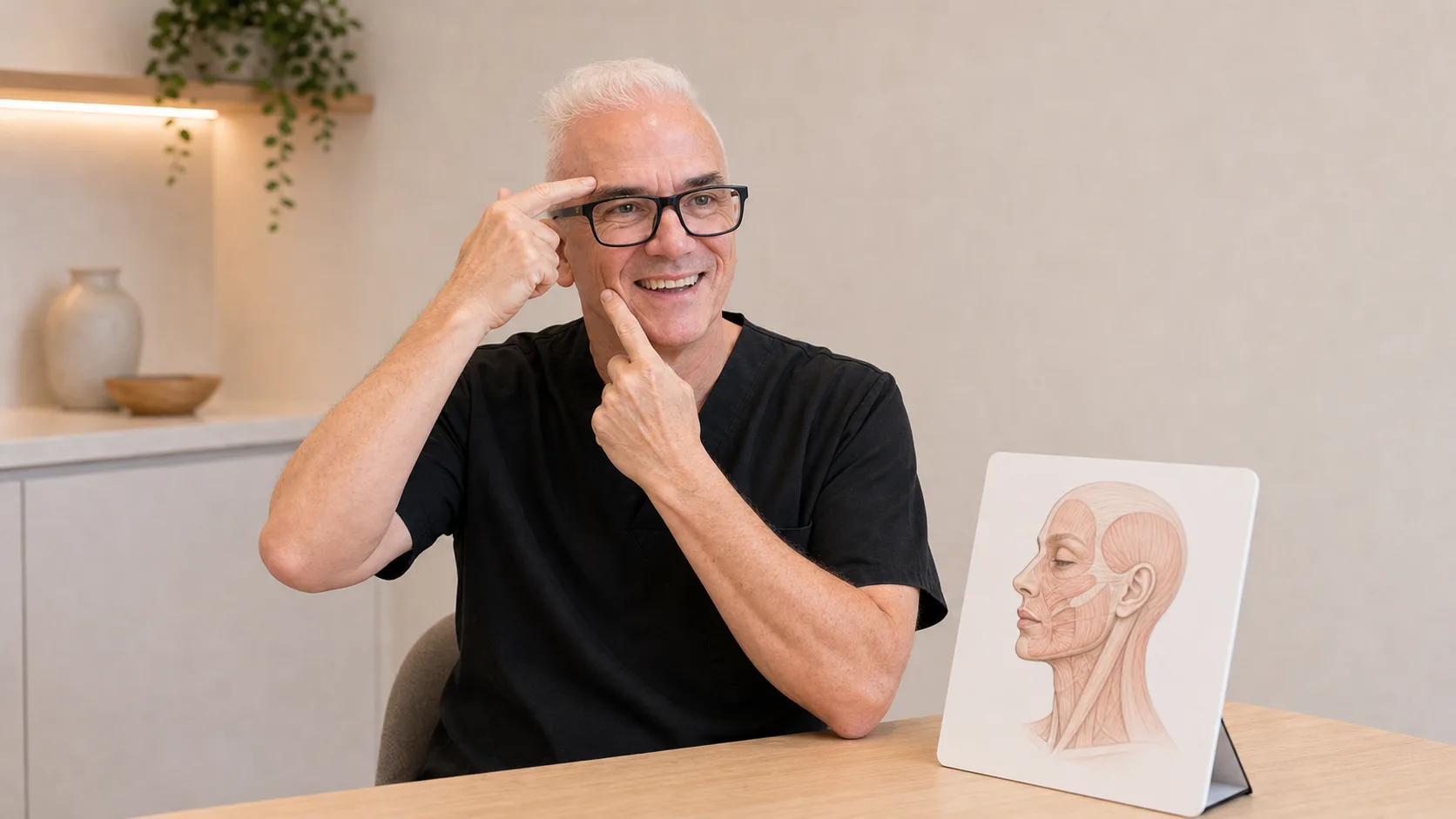
Ahpra registration gives you a public way to check whether someone is registered in a regulated health profession and whether public conditions apply. The current Ahpra guidelines for registered health practitioners performing non-surgical cosmetic procedures also make clear that the guidelines do not authorise a procedure or expand a profession’s scope.
That distinction matters: registration identifies the profession, while scope depends on the practitioner’s education, competence, authorisations and the care being considered. Ask what the person can assess, who else is involved and how another clinical pathway is coordinated when useful.
Who should be accountable during consultation?
A responsible consultation should make accountability visible. The patient should know who is assessing the concern, who is taking the medical history, who is explaining risks, who is confirming consent, who is performing any treatment if suitable and who manages review or aftercare questions.
If the answers are split across several people, that should be explained clearly. If the person selling the appointment cannot explain who is clinically responsible, slow down and ask before proceeding.
What a careful consultation should include
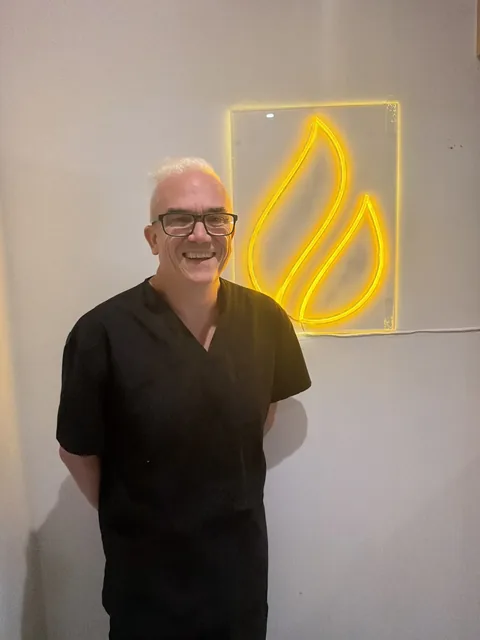
A careful aesthetic consultation should include the concern, medical history, medicines, allergies, previous care, relevant anatomy, skin or movement factors, suitability, material risks, alternatives, limits, aftercare and follow-up. It should also allow enough time for questions.
When assessment and informed consent support care, a suitable option and timing can be discussed. You can also choose a staged plan, bring back more information or take more time before deciding.
How Does A Practitioner Turn A Concern Into A Plan?
The practitioner first identifies the patient’s concern in their own words, checks relevant history and examines the area in the context of the whole face. Only then should options, limits, material risks, alternatives, timing and review access be compared.
A clear plan records what is being addressed, why an option may fit and what remains uncertain. The patient should have space to ask questions and decide without pressure.
Corey Anderson RN at Core Aesthetics
At Core Aesthetics in Oakleigh, Corey Anderson RN is the founder and sole practitioner. Core Aesthetics consults by appointment at 12A Atherton Road, Oakleigh VIC 3166. The clinic identifies Corey with Ahpra registration NMW0001047575, which patients can check before booking.
This single practitioner model matters because the person assessing the concern is also the person accountable for the clinical discussion. Corey is responsible for consultation, suitability assessment, consent discussion, treatment planning where appropriate and review. Patients can call 0491 706 705 or use the verification page to check practitioner and clinic details before booking.
What makes practitioner information trustworthy?
Trustworthy information names the practitioner, states their actual profession and registration where relevant, explains who assesses you and makes risks, consent, aftercare and follow-up visible. It avoids pressure, product-led selling and promises about outcomes.
A careful practitioner should be able to explain when a suitable option may be considered, what its limits are and how adjusted timing or another clinical pathway would be coordinated if that better fits the assessment.
Which Practitioner Question Do You Want Answered Next?
For identity and accountability, use Verify Corey Anderson RN, what Ahpra registration means and how to check registration.
For the appointment itself, read the Melbourne consultation guide, how informed consent works and patient safety questions. These pages help you judge the practitioner and the process before choosing a service topic.
Reviewed guidance
This page was reviewed on 2026-09-01 against the Core Aesthetics consultation-first standard, Ahpra registration verification context and current advertising caution for cosmetic procedure information. It is general education, not legal advice, medical advice or a substitute for checking current registration through official sources.

Is this for you?
Consider booking a consultation if
- Adults comparing aesthetic practitioners before booking consultation
- Patients who want to understand Ahpra registration, scope and clinical responsibility
- People who want practical questions to ask before cosmetic treatment planning
- Patients considering consultation with Corey at Core Aesthetics Oakleigh
This may not be for you if
- Urgent medical symptoms or complications that need immediate care
- People seeking legal advice about a practitioner dispute
- People wanting a promised cosmetic outcome
- Anyone relying on a title instead of checking registration and consultation quality
Suitability is confirmed at consultation. This list is general guidance, not a substitute for clinical assessment.
Frequently asked questions
Is aesthetic practitioner a regulated title in Australia?
The phrase aesthetic practitioner can be used in different ways. Patients should not rely on the title alone. Check Ahpra registration where relevant, the practitioner role, scope, who is clinically responsible, how consent is handled and what aftercare pathway exists.
How do I check if an aesthetic practitioner is registered?
Use the Ahpra public register and search the practitioner by name or registration number. Core Aesthetics identifies Corey Anderson RN with Ahpra registration NMW0001047575. Check current registration status and any published conditions directly through official sources.
Does Ahpra registration mean a practitioner is right for me?
Registration is an important baseline, but it is not the whole decision. Consultation quality, risk discussion, suitability assessment, consent, restraint, aftercare and the willingness to recommend an agreed consultation plan also matter.
What should I ask before choosing an aesthetic practitioner?
Ask who assesses you, who is clinically responsible, what registration they hold, what risks apply, what alternatives exist, when treatment would be declined, what happens if you wait and what aftercare pathway is available.
Can a consultation with an aesthetic practitioner lead to adjusted timing or another plan?
Yes. Education, adjusted timing, review with another health professional, review, an agreed consultation plan or treatment planning may all be appropriate outcomes depending on suitability, risk, expectations, timing, consent and clinical assessment. A consultation should not make treatment feel automatic.
Who is Corey Anderson at Core Aesthetics?
Corey Anderson RN is the founder and sole practitioner at Core Aesthetics in Oakleigh. The clinic identifies his Ahpra registration number as NMW0001047575 for public register checks before booking.
Can treatment happen at the first consultation?
Some adults may be suitable for care after assessment and informed consent when proceeding is clinically appropriate. Corey can discuss a suitable option and timing with you, while leaving room to take more time, arrange follow-up or coordinate another clinical pathway.
What are warning signs when choosing a practitioner?
Warning signs include vague registration details, pressure, product led selling, promises about outcomes, weak medical history, no proper risk discussion, unclear consent, no aftercare pathway or no willingness to explain when treatment should not proceed.
Should I choose a practitioner based on result images?
No. Images can be misleading and are not a substitute for registration checks, consultation quality, suitability assessment and risk discussion. Patients should avoid decisions based mainly on outcomes, trends or sales pressure.
Is this page medical or legal advice?
No. This page is general education. Patients should check official registration sources and seek individual consultation for clinical advice. Regulatory wording can change, so official Ahpra and TGA sources should be checked when needed.