Glen Waverley

Wrinkle Consultation Glen Waverley

Wrinkle treatment delivered by AHPRA registered nurse Corey Anderson at Core Aesthetics in Oakleigh. For Glen Waverley clients who want a clear clinical assessment of expression lines and realistic expectations about what treatment can achieve. No same day pressure. Individual consultation first, treatment only when appropriate.

Quick summary

Wrinkle treatment targets active muscle contraction in the upper face, forehead lines, frown lines between the eyebrows, and crow’s feet at the temples. The treatment relaxes the muscles responsible for these lines over time, softening their appearance. Core Aesthetics — consultation-first.

Why Glen Waverley clients seek Wrinkle treatment

Glen Waverley is a bustling, organised suburb with a strong professional and academic presence, Monash University Clayton is just a few minutes down the road, and clients here often balance active careers, family commitments and ongoing study. Expression lines tend to deepen in direct proportion to how much the face moves during expression, and Glen Waverley clients tend to be visible, engaged and expressive. Where those lines have become a concern, a clinical conversation about whether treatment makes sense is the first step, not a sales conversation.

What Wrinkle treatment does (and doesn’t do)

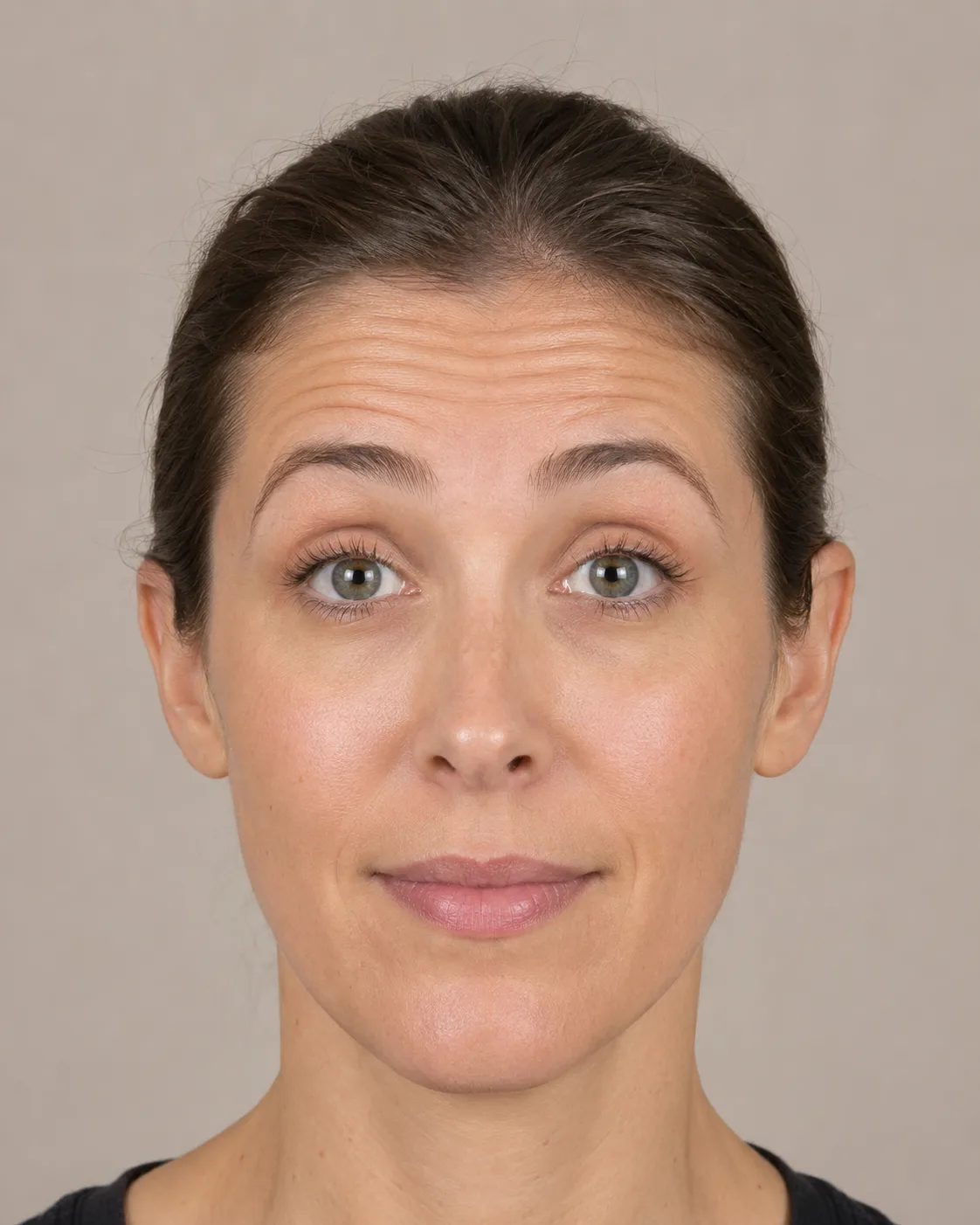
The treatment works on lines that result from muscle contraction, frown lines from squinting or concentrating, forehead lines from raising the eyebrows, crow’s feet from smiling or squinting in sunlight. It does not address volume loss, skin texture, sunspots, or lines that are visible at complete rest because of skin laxity or structural changes. Where more than one issue is present, a clinical assessment determines whether wrinkle treatment alone is the right approach or whether a combination of treatments would be more effective.

The consultation, what to expect

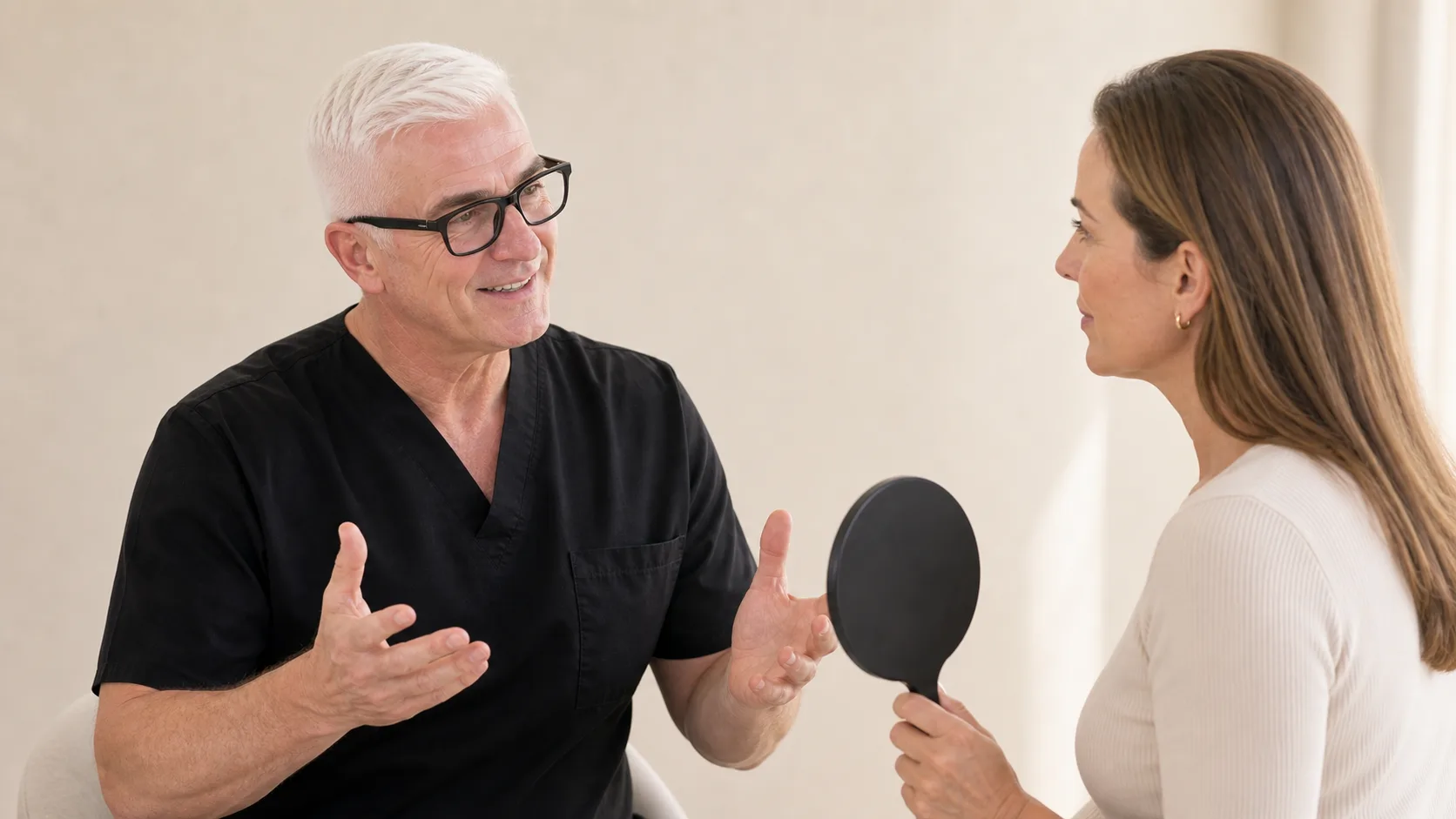
At Core Aesthetics, the consultation begins with a full facial assessment in neutral expression and in motion. Corey Anderson will ask about the lines that concern you, how long they have been noticeable, what treatments you have tried in the past, and what realistic outcome you are hoping for. He will assess which muscles are driving which lines, whether the lines are dynamic or static, and whether the presentation is straightforward or more complex. A recommendation is made only when that assessment provides a clear clinical basis for treatment.

The cooling off period under current AHPRA guidelines means that where a new treatment is being proposed to an existing client at a consultation, treatment cannot occur on the same day unless it is clinically reasonable to do so. First consultations for wrinkle treatment at Core Aesthetics are consultation only. If you decide to proceed, you return for treatment at a separate appointment.

How much treatment, and where

“More is not better” is the operating principle here. Conservative dosing is preferred because it produces results that look natural and age alongside the rest of the face, rather than results that look frozen or immobile. The standard approach at Core Aesthetics is to treat the area of active concern first, assess the result at two weeks, then consider whether other areas would benefit from the same approach.

Treatment duration and outcome depends on:, Which muscles are contributing to the lines (not all forehead lines respond the same way), How strong your muscle response is (this varies between individuals), The dose used (conservative dosing at Core Aesthetics), What you do after treatment (certain habits or treatments can affect outcome)

A common question from Glen Waverley clients is “how often will I need this?” The honest answer is that results typically last three to four months, at which point the muscle gradually returns towards its pretreatment state. Some clients return at around the twelve week mark for maintenance; others return less frequently. The review appointment is a clinical reassessment, not an automatic “top up.”

After treatment, what to do and what to avoid

Immediately after treatment, minor redness or swelling is normal. Avoid significant heat (saunas, intense exercise, hot showers), vigorous facial massage, and laying face down for the first few hours. Alcohol increases bruising risk and should be avoided for 24 hours. Most clients are back to their normal routine immediately, though some prefer to have treatment on a Friday to allow the weekend for any minor effects to settle.

The result develops gradually over days and weeks. Do not judge the outcome in the first week. A two week review can be arranged to assess whether the treatment has worked as expected, and whether any adjustments are needed at future appointments.

Getting here from Glen Waverley

Glen Waverley is the terminus of the Glen Waverley train line, which runs through Mount Waverley and into central Melbourne. From Glen Waverley Station, Core Aesthetics in Oakleigh is approximately a 15-minute drive via Springvale Road south and Warrigal Road west to Atherton Road. Parking is available on street along Atherton Road and the surrounding streets in central Oakleigh. Bus route 734 also connects Glen Waverley to Oakleigh if you prefer not to drive.

The clinic is open Tuesday to Saturday by appointment. Allowing for traffic on Springvale Road during peak hours, a 20-minute buffer is sensible for the appointment time.

Practitioner credentialing and compliance

Corey Anderson is an AHPRA registered nurse (NMW0001047575) with continuous registration since January 1996. All wrinkle treatment at Core Aesthetics involves prescription medicines administered by a registered health practitioner following an individual clinical assessment. The clinic operates in full compliance with AHPRA guidelines for registered practitioners performing cosmetic procedures, and with TGA prescribing and advertising requirements.

What makes this different from a beauty clinic or medi spa

A prescription medicine clinic, like Core Aesthetics, begins with clinical assessment and determines whether treatment is appropriate based on that assessment. A beauty clinic or medi spa may recommend treatment based on client request or a menu of services without a clinical review of whether that treatment is suitable for your individual presentation. At Core Aesthetics, the recommendation comes first, and the treatment follows only if it makes clinical sense.

Wrinkle Treatment for Glen Waverley Patients

Patients from Glen Waverley who attend Core Aesthetics for wrinkle treatment begin with a consultation appointment that assesses their specific facial anatomy and movement patterns before any treatment is planned. The term ‘wrinkle treatment’ covers a range of applications, forehead lines, frown lines, crow’s feet, lip flip, brow lift, jaw slimming, neck bands, and others, and the assessment determines which areas are appropriate for treatment in a given patient, at a given point in time.

Not every line on the face responds to wrinkle treatment. Some lines are the result of volume loss or skin laxity rather than muscle activity, and treating them with product that targets muscle activity will not produce a meaningful result. The consultation assessment identifies which category the presenting concern falls into, and the treatment recommendation reflects that clinical judgement, not the patient’s preference for a particular product or approach.

All treatments at Core Aesthetics are consultation based, individually assessed, and performed by a qualified AHPRA-registered practitioner. Results vary between individuals.

The Assessment and Planning Process

The consultation at Core Aesthetics is a standalone appointment, scheduled separately from the treatment session. During the consultation, the registered nurse practitioner takes a full medical history, reviews your current medications and any previous injectable treatments, assesses your facial anatomy in detail, and develops a treatment plan specific to your face and your goals. Clinical photographs are taken as a baseline record.

The consultation is also where every question you have about the procedure is answered, what the treatment involves, what the realistic range of outcomes looks like, what the risks are, what the review process entails, and what the treatment cycle looks like over time. By the time you attend your treatment appointment, you will have had all of this information in advance, with time to reflect and ask any follow up questions that arise.

This separation of consultation from treatment is a deliberate clinical choice. It ensures that no treatment decision is made under time pressure, and that every procedure has been preceded by a thorough, unhurried assessment. Results vary between individuals, and the consultation is where the specific factors relevant to your anatomy and circumstances are identified and addressed.

Review and Ongoing Care

A review appointment at four to six weeks is a standard part of every treatment cycle at Core Aesthetics. The review is not contingent on whether you have concerns, it is a clinical standard that applies to every patient. At review, the practitioner assesses the result across all treated areas, compares the outcome to the pretreatment clinical photographs, identifies any asymmetry or variation in response between sides, and determines whether any adjustment is appropriate within the same treatment cycle.

The review is also where longitudinal data about how your specific anatomy responds to treatment is recorded. Over multiple treatment cycles, this accumulated data allows the practitioner to refine the dosing and approach to better match your individual response pattern, which is one of the most significant advantages of maintaining a consistent treating practitioner rather than moving between clinics.

If you have any concerns in the period between your treatment and your review appointment, contact the clinic directly. The practitioner who treated you has the clinical context to respond accurately to any post treatment question, which is preferable to relying on general online information that may not reflect your specific situation.

Understanding How Wrinkle Treatment Works at a Cellular Level

Wrinkle treatment uses a prescription injectable that temporarily interrupts the signal between the nerve and the muscle. The active substance blocks the release of acetylcholine at the neuromuscular junction, the chemical messenger that triggers muscle contraction. Without this signal, the targeted muscle relaxes. The skin above it, no longer creased by repeated movement, gradually softens.

This effect is temporary because the body regenerates the nerve terminals that were blocked. Axonal sprouting, the regrowth of nerve endings, is the mechanism by which muscle activity slowly returns, typically over three to five months. The pace of recovery varies between individuals and between treatment areas.

Understanding this mechanism matters for treatment planning. wrinkle treatment works on muscles. It does not replace volume, improve skin texture, or address structural concerns. For lines that are visible at rest, not just during expression, a different assessment is needed, and volume treatment or other approaches may be more appropriate.

The Role of Facial Mapping in Wrinkle Treatment

Effective wrinkle treatment begins with a detailed understanding of how a specific person’s face moves. The same treatment applied to two different people can produce very different outcomes because the underlying anatomy, muscle size, attachment points, the relationship between muscles, varies considerably from person to person.

At Core Aesthetics, the pretreatment assessment includes observing movement patterns, identifying which muscles are contributing to the lines of concern, and understanding how treatment in one area might influence adjacent muscles. For example, treating the forehead without accounting for the brow position can produce a result that looks heavy or drops the brow unexpectedly. Treatment planning that ignores these relationships is a common source of dissatisfaction.

Facial mapping is not a visual tool, it is a clinical one. The goal is to understand function, not just appearance. A treatment plan designed around function is more likely to produce a result that looks natural and balanced, because it works with how the face moves rather than simply suppressing whatever is visible.

What Results Can Realistically Be Expected

Wrinkle treatment is effective at softening dynamic lines, lines that appear during expression. For most people, consistent treatment over time produces a visible reduction in the depth of these lines even at rest, as the skin is given repeated periods of reduced mechanical stress.

However, there are realistic limits. Lines that have been present for many years and are deeply etched into the skin may not fully resolve with wrinkle treatment alone. Very deep static lines, visible without any movement, often require additional approaches, which are discussed at consultation. wrinkle treatment cannot restore lost volume, improve skin quality, or address structural changes associated with ageing.

Results vary between individuals. Factors that influence outcomes include muscle mass and activity, metabolic rate, skin quality, and the specific area treated. At Core Aesthetics, results are reviewed at a follow up appointment at four to six weeks to assess the outcome and determine whether any adjustment is appropriate.

Safety, Complications, and Clinical Oversight

Wrinkle treatments are among the most extensively studied injectable treatments in cosmetic medicine. Serious adverse events are rare when treatment is performed by a trained, registered practitioner working within a clinical framework. The most common side effects are minor and temporary: bruising, redness, or tenderness at injection sites.

More significant complications, such as ptosis (drooping of the eyelid or brow), asymmetry, or an overcorrected result, do occur and are related to dose, placement, and individual anatomy. These risks are explained at consultation, documented in the consent process, and managed at the follow up appointment if they arise. At Core Aesthetics, Corey provides emergency contact protocols and clear instructions for who to contact if a concern develops between appointments.

Certain health conditions and medications affect suitability for wrinkle treatment. A full medical history review is part of every consultation. Treatment is not offered where there is clinical uncertainty about safety, and patients are referred to their treating doctor when appropriate.

Long-Term Planning and Treatment Intervals

Aesthetic treatment is not a one time intervention for most people. wrinkle treatment wears off over time, and maintaining the result requires repeat appointments. Understanding what this looks like over months and years is part of what the consultation is designed to establish.

Most people find that wrinkle treatment lasts three to five months before movement noticeably returns. Some find that regular treatment over time allows longer intervals between appointments, as the muscle is treated repeatedly, the pattern of activity can change. Others maintain a consistent interval throughout. Neither pattern is better or worse; it reflects individual variation.

At Core Aesthetics, treatment intervals are discussed at the consultation and reassessed at each visit. There is no expectation that patients will come at any set frequency, the appointment cycle is determined by clinical outcome and individual need, not by a service schedule.

Clinical accountability and how Wrinkle dosing is decided

The wrinkle treatment guidance in “wrinkle Treatment Glen Waverley” is informed by how Corey Anderson, AHPRA registered nurse (NMW0001047575), approaches neuromodulator dosing at Core Aesthetics: low to moderate units, conservative on first time treatments, and reviewed at two weeks before any top up. wrinkle treatment is a neuromuscular intervention, and the same units can read very differently on two patients depending on muscle mass, baseline expression patterns, metabolism, and prior treatment history. Results vary between individuals, which is why the two week review appointment exists and why dosing decisions evolve across the first three or four treatments rather than being set once.

Specific to wrinkle treatment glen waverley: wrinkle dosing decisions at Core Aesthetics start conservatively, low to moderate units for first time patients, with a two week review built into the protocol so any top up is informed by how the patient actually responded rather than by a generic dosing chart. Some patients are highly sensitive responders and need less than the typical starting dose; some are slower responders and benefit from a top up at the two week mark. The body of literature on neuromodulator dosing supports the two week review as a clinical reference point, not a marketing concept. The wrinkle treatment Melbourne page covers a related wrinkle decision in more depth.

Patients reading this page who want to verify Corey Anderson’s AHPRA registration can do so directly on the AHPRA public register at ahpra.gov.au using registration number NMW0001047575. The Core Aesthetics clinic operates from 12A Atherton Road, Oakleigh VIC 3166, Tuesday to Saturday, by consultation appointment. All new patient treatment at Core Aesthetics follows a structured clinical consultation, consistent with the September 2025 AHPRA cosmetic procedures guidelines. Treatment may be scheduled for the same day as consultation or at a subsequent appointment, depending on clinical assessment and individual circumstances. Patients with questions about the content on this page can raise them at consultation; the practitioner is happy to walk through any clinical reasoning that the written content does not fully capture. Results vary between individuals, and the consultation is the appropriate place to discuss what those individual variations mean for a specific person’s treatment plan.

Is this for you?

Consider booking a consultation if

  • Expression lines in the upper face are a concern (forehead, between the eyebrows, at the temples)
  • You prefer a consultation based approach over menu based treatment
  • You value realistic expectations and natural looking results
  • You are over 18 and have had time to think through whether treatment makes sense for you

This may not be for you if

  • You are under 18 (treatment is available only for adults)
  • You are pregnant or breastfeeding
  • You have a neuromuscular condition (myasthenia gravis, Lambert-Eaton syndrome) or take medications affecting neuromuscular function
  • You have a bleeding disorder or take blood thinning medication that cannot be safely paused
  • You have an active infection or skin condition in the area being treated

Suitability is confirmed at consultation. This list is general guidance, not a substitute for clinical assessment.

Frequently asked questions

What does wrinkle treatment address for clients from Glen Waverley?

Wrinkle treatment addresses dynamic facial lines produced by repeated muscle activity in the forehead, frown, crow’s feet, and other expression areas. The clinical approach is the same for clients from Glen Waverley as for any other suburb, individual assessment determines what is appropriate for the client’s specific anatomy and goals. Results vary between individuals.

How long do wrinkle treatment results typically last for Glen Waverley clients?

Wrinkle treatment results typically settle for between three and four months in most clients, regardless of suburb. Individual response, dose, and treatment area affect duration. Retreatment intervals are reviewed at follow up rather than scheduled in advance.

What recovery should Glen Waverley clients plan for after wrinkle treatment?

After wrinkle treatment, no formal recovery period; most clients return to normal activities the same day. Mild redness or tenderness at injection points for a few hours is common. Most Glen Waverley clients return to normal activities the same day. Detailed aftercare specific to the treated area is provided at the appointment, and any concerns can be raised by phone or email afterward.

How do Glen Waverley clients reach the clinic for wrinkle treatment appointments?

From Glen Waverley, Core Aesthetics at 12A Atherton Road, Oakleigh is approximately 8 km, reached via Springvale Road or Stephensons Road. Glen Waverley railway station and Springvale Road buses. The clinic is open Tuesday to Saturday by appointment.

How long is the journey from Glen Waverley for a wrinkle treatment appointment?

Typical drive time from Glen Waverley to Core Aesthetics in Oakleigh is approximately 15 minutes outside peak hours, via Springvale Road or Stephensons Road. Allow additional time during morning and evening peak traffic. Appointments accommodate the journey without time pressure on the consultation.

Does Core Aesthetics regularly see Glen Waverley clients for wrinkle treatment?

Yes, Glen Waverley sits within the broader south east Melbourne catchment, approximately 8 km from the clinic. Every wrinkle treatment consultation and treatment is conducted by Corey Anderson, AHPRA registered nurse. Results vary between individuals.

Who decides wrinkle dosing at Core Aesthetics?

Wrinkle dosing decisions are made by Corey Anderson, AHPRA registered nurse (NMW0001047575), under nurse prescribing scope. Core Aesthetics starts conservatively for first time patients with low to moderate units, then reviews response at two weeks before any top up. Some patients are highly sensitive responders; others need a slightly higher dose to reach the same observable effect. Results vary between individuals, and the two week review is built into the protocol for that reason.

Should I have wrinkle treatment if I want to prevent lines rather than treat existing ones?

Preventative treatment may be considered when muscle activity is consistently creating early dynamic lines, but whether it is appropriate depends on individual anatomy, age, skin quality and treatment goals. A clinical assessment is required to determine whether treatment makes sense at this point, and what dose and timing would be appropriate for your situation.

Is it safe to have wrinkle treatment while taking blood-thinning medications or supplements?

Certain medications and supplements, including aspirin, ibuprofen, fish oil, vitamin E and some herbal supplements, can increase bruising risk after any injectable treatment. You will be asked about these at your consultation. In most cases, treatment can proceed, though timing and approach may be adjusted. Always disclose your full medication and supplement list before any injectable appointment.

Why does wrinkle treatment sometimes require a two-week review?

The full effect of prescription neuromodulator takes seven to fourteen days to settle. Reviewing at two weeks allows the treating practitioner to assess whether the dose was appropriate, whether any asymmetry needs addressing, and whether the result aligns with the plan discussed at consultation. It is a clinical checkpoint, not a sales appointment.

Clinical references

  1. TGA: Regulation of aesthetic treatments in Australia
  2. AHPRA: Guidelines for registered health practitioners in cosmetic procedures

Written and reviewed by Corey Anderson RN, AHPRA NMW0001047575 · Reviewed April 2026 · Consultation required · TGA & AHPRA compliant

Begin With A Conversation

Book your consultation.

No commitment, no pressure. A considered first step toward understanding what is and isn’t right for you.

Book Consultation

Elegance, Perfected.