
Rebook when returning movement or the original concern feels worth reviewing, not simply because a fixed number of weeks has passed. Corey Anderson RN looks at how the last treatment settled, what you have noticed, your goals and your current circumstances, then discusses whether the sensible next step is another appointment, more time or a different plan.
What Tells You It Is Time To Revisit The Plan?
You do not need to choose a date by guesswork. The most useful starting point is whether movement is returning, whether the original concern is becoming noticeable again and how you felt about the previous plan.
There is no single wrinkle treatment interval that suits every face. A calm review with Corey turns those observations into a personal next step, without assuming that returning movement automatically means it is time for more treatment.
Which Changes Make A Review Worthwhile?
Expression is returning
You can see more natural movement in the area and want to understand what it means for timing.
The original issue is noticeable again
The line or movement that first brought you in is beginning to matter to you again in everyday life.
You know what felt right
You can explain whether the previous result felt too strong, too subtle or comfortable for you.
Something feels different
A review can help make sense of a new concern before anyone assumes the old plan should simply be repeated.
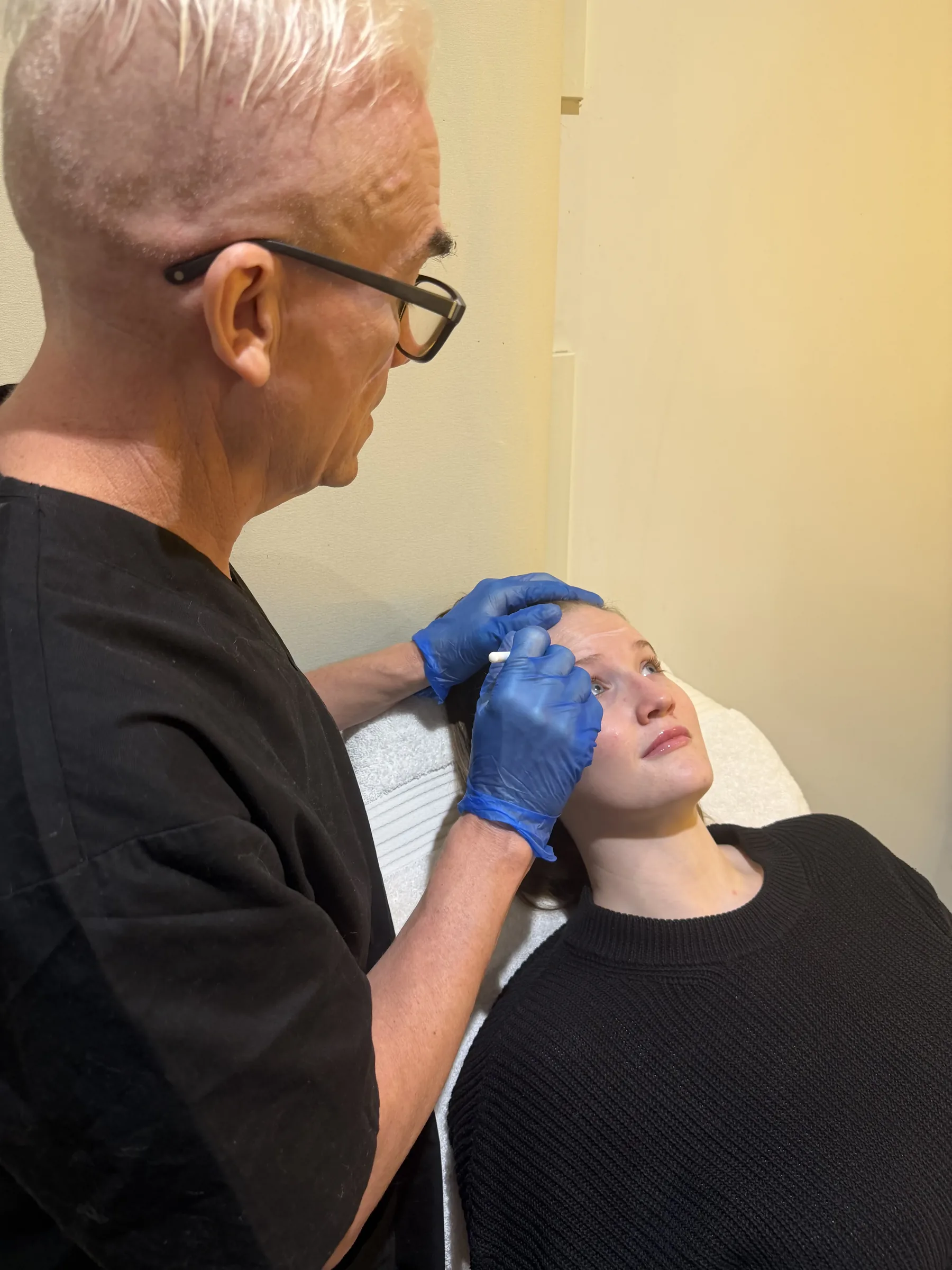
What Is The Difference Between A Review And Rebooking?
A review interprets how the previous plan settled and what has changed since then. Rebooking is the practical decision that follows once your current movement, comfort, goals and relevant health history are understood.
Corey compares expression, balance and your experience of the last plan. If assessment supports another appointment, you can discuss suitable timing and informed consent with confidence. If an adjustment or more time would produce a better plan, you will understand the reason and the next checkpoint.
Which Appointment Path Fits What You Are Noticing?
You are ready to talk it through
Movement is returning, the concern matters to you again and you would value a personal assessment.
The previous effect is still active
If very little has changed, waiting can make the next conversation clearer and more useful.
You are unsure what you need
If something feels unexpected or your previous treatment was elsewhere, the clinic can help you choose the right appointment.
Why Is Your Experience More Useful Than A Fixed Interval?
Two people can notice movement returning at different times and still both be having a normal experience. Facial movement, the treated area, health, lifestyle and the way the previous plan felt all help shape the next conversation.
Think of the calendar as context, not a deadline.
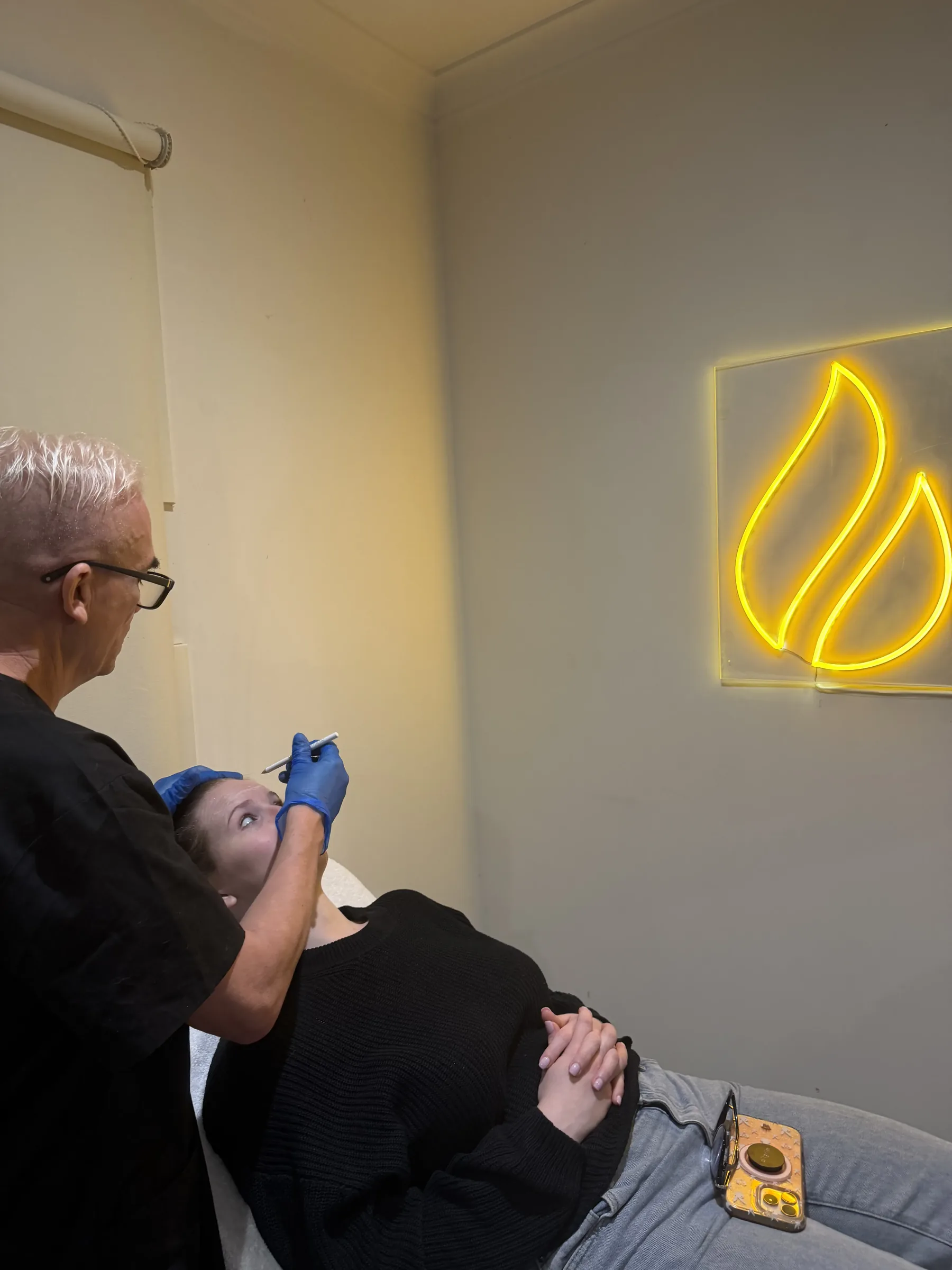
How Does Corey Use The Previous Result To Plan Forward?
Corey starts with what worked, what felt less ideal and how long you were comfortable with the effect. He then looks at the movement you have now, your current goals and anything that has changed since the last visit.
Your consultation should provide clarity about suitable options, relevant risks and what happens next. If another date, a different plan or simply waiting would serve you better, you will understand why.
Which Three Details Make The Review More Useful?
| Bring this | What to notice | Why it helps |
|---|---|---|
| Timing | When did movement or the original concern become noticeable again? | It gives Corey a practical timeline without turning the date into a rule. |
| Experience | Did the previous result feel too strong, too subtle or about right? | Your lived experience helps shape a plan that feels like you. |
| History | Bring dates, areas and records if treatment was completed elsewhere. | Clear information makes the review more useful and avoids guesswork. |
When Does A Different Timing Or Medical Review Make Sense?
A different timing may suit you when the previous effect is still active, the skin is irritated, you are unwell, pregnant or breastfeeding, or you simply prefer a longer gap. These are reasons to personalise the plan, not reasons to feel uncertain about booking a conversation.
A sudden, painful, one-sided or otherwise unexplained facial change belongs with timely medical assessment rather than a routine cosmetic rebooking pathway.
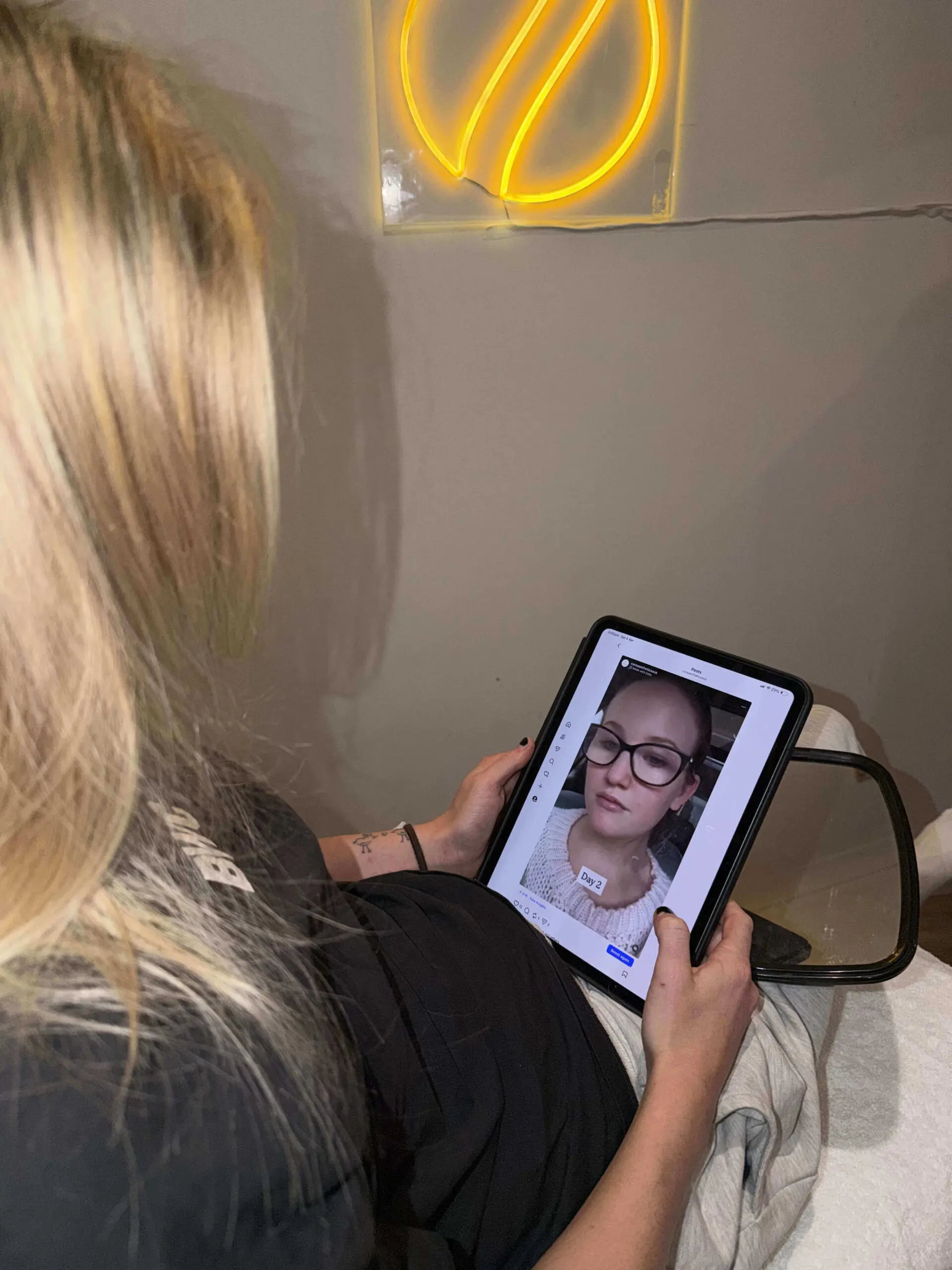
How Does A Returning-Movement Review Lead To The Next Interval?
Corey begins with the change you can actually see and feel: where movement returned first, whether expression feels natural and when the original concern started to matter to you again. Your previous response becomes evidence for the next conversation, not a timetable that must be repeated.
Corey compares movement at rest and during expression, checks relevant health changes and explains the options that fit the current assessment. When a suitable option is identified and informed consent is complete, care can be planned around your preferences and clinical circumstances.
It is okay to leave without proceeding
A useful appointment can end with clearer next steps, more time, referral or reassurance that cosmetic treatment is not needed right now.
Is this for you?
Consider booking a consultation if
- You are an adult who wants to understand when rebooking may be appropriate
- You want a clinical discussion about movement return, review findings, comfort and suitability
- You prefer interval planning based on assessment rather than a fixed public schedule
- You are open to treatment, waiting, review or no treatment depending on assessment
This may not be for you if
- You are seeking a fixed interval or a preset treatment calendar
- You are seeking elective cosmetic care for someone who is not an adult
- You want online information to replace individual clinical assessment
- You are pregnant or trying to conceive and are seeking elective aesthetic treatment
- You have an active infection, unhealed skin or an unresolved medical concern in the area to be assessed
Suitability is confirmed at consultation. This list is general guidance, not a substitute for clinical assessment.
Frequently asked questions
How do I know when to rebook wrinkle treatment?
Rebooking should be based on assessment, movement return, comfort, treatment history, goals and suitability. A fixed calendar rule cannot tell every person when treatment is appropriate.
Should I rebook as soon as movement returns?
Returning movement is a useful reason to arrange a review. Corey can compare it with your previous response, current goals and relevant health changes, then discuss suitable timing and options with you.
Is review the same as rebooking?
A review gathers the information needed for a confident rebooking decision. Corey assesses how the previous plan settled and what has changed, then explains the suitable timing and options for your current circumstances.
Can I leave longer gaps between wrinkle treatment appointments?
Yes, some people choose longer gaps or planned breaks. The next consultation should reassess your current concern, movement and suitability rather than assume the previous plan still applies.
What happens if I rebook too early?
You can still book a conversation when you are unsure about timing. If the previous effect remains active, Corey can assess what is visible now and identify the most useful point for planning the next step.
What should I track between appointments?
It can help to note when movement returns, whether the concern bothers you again, whether expression feels natural, and whether any heaviness, asymmetry or discomfort occurred.
What will the movement assessment clarify?
It clarifies where movement has returned, how expression and balance look now, and how the previous plan felt to you. Corey uses those findings to discuss suitable options, timing, material risks and consent.
Can a webpage tell me my ideal treatment interval?
A webpage can help you recognise what to track, while your useful interval comes from an individual assessment. Corey considers movement, timing, treatment history, health changes, expectations, risk and consent before recommending the next step.
Why are wrinkle consultation photos not enough to decide suitability?
Photos can help someone explain a preference, but they cannot confirm suitability. Lighting, anatomy, expression, previous treatment and editing can mislead. Corey uses photos only as discussion aids and relies on consultation, assessment and consent.