
At a two week upper face review, Corey Anderson RN compares movement, expression, comfort and the treated area with your original consultation plan. Bring observations from ordinary life, including what feels balanced, unfamiliar or still changing. The review should leave you with reassurance and a clear next step. When assessment supports further care, suitable options can be discussed; more time, updated records or another review may also be useful.
A settled review starts with your experience
By the time you come back, you may have noticed changes that are difficult to describe in a mirror alone. Perhaps movement feels comfortable, one expression looks different in photographs, or you simply want to know whether what you are seeing fits the original plan.
Corey begins with that real-life experience, then reviews the area at rest and in motion. You do not need to arrive with a verdict or ask for anything to be changed.
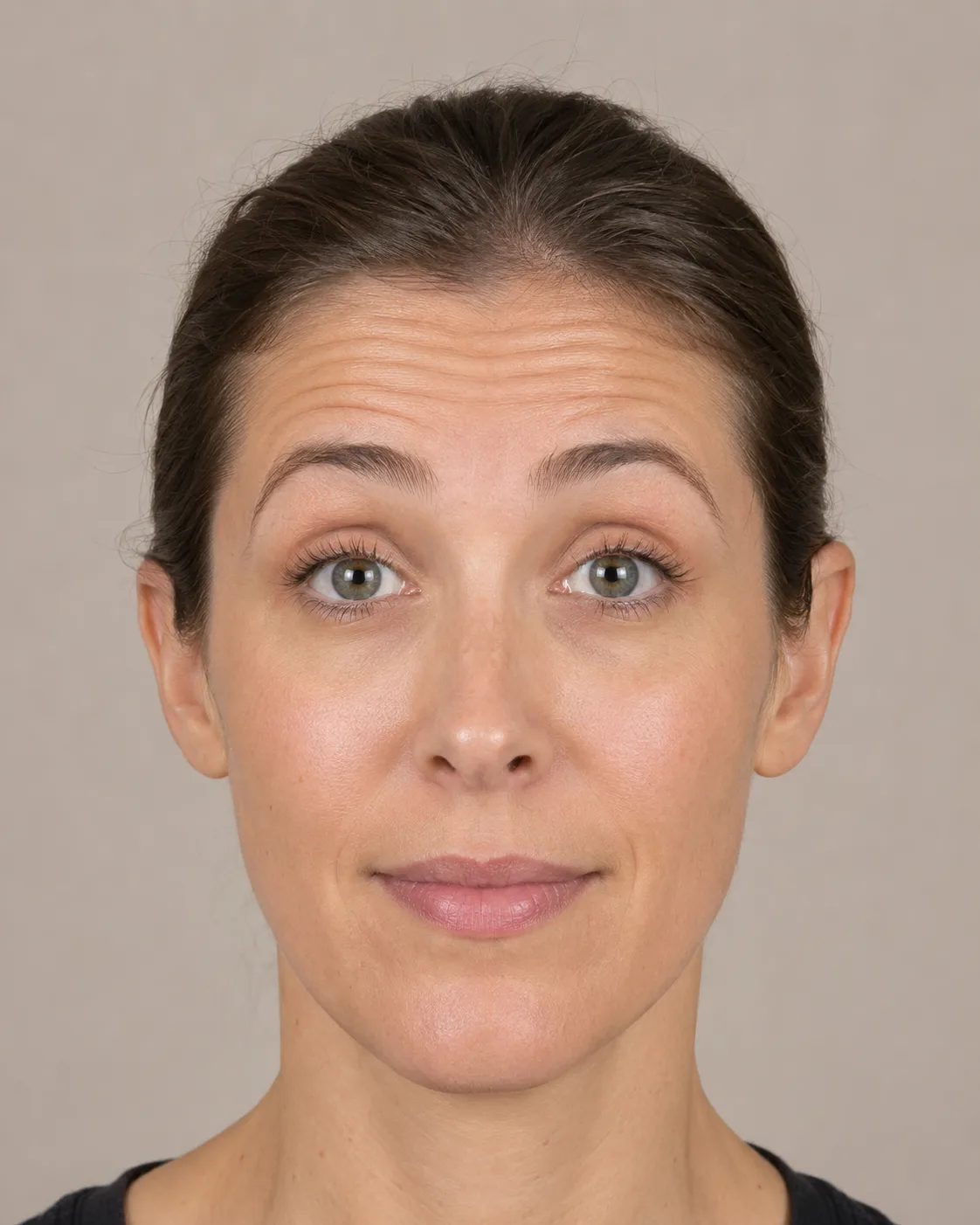
Corey compares the plan with real life
Your original consultation provides the starting point: the concern you raised, the movement recorded, the plan discussed and the preferences you wanted respected.
At review, Corey compares those notes with what he can assess now and what you report from everyday life. That continuity helps the conversation stay personal rather than reducing it to a photograph or a single facial expression.
What belongs in the conversation?
How expression feels
Tell Corey whether frowning, raising your brows, smiling or speaking feels familiar and comfortable.
Where you notice change
Some details are clearer in conversation, photographs, work or different lighting than they are in the clinic mirror.
Anything unexpected
Mention heaviness, tenderness, tightness, uneven movement or another change you want assessed.
What feels like you
Your view of expression and movement helps inform future planning, even when no action is needed today.
What can a review lead to?
Everything feels comfortable
The visit can document how the plan settled and give you a clearer reference for the future.
The picture is still changing
Corey may recommend observation or another review point when waiting would make the assessment more useful.
A concern needs assessment
Options, alternatives, risks and timing can be discussed if Corey considers a further pathway appropriate.
Two weeks is a review point, not a deadline
The review is arranged at a useful point for assessment, but people and facial areas do not all settle in exactly the same way. If your appointment timing is different, the clinic can advise whether to keep the booking or choose another date.
If you are still in the early days and want to understand the difference between onset and review, read the onset timeline. For immediate care instructions, use the advice given to you and the aftercare guide.
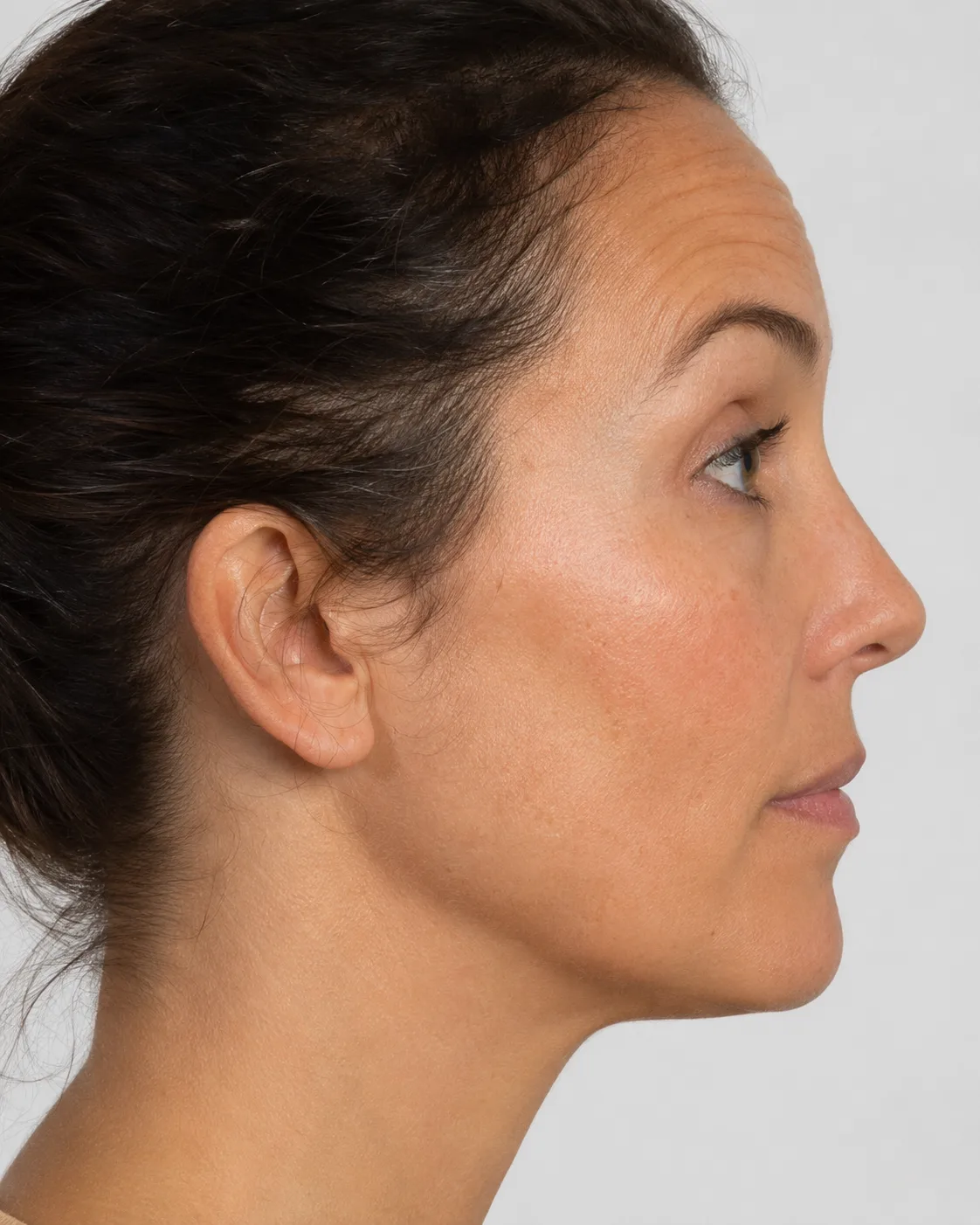
What Corey checks at rest and in motion
Corey may look at brow position, forehead and frown movement, eye-area expression, comfort and any visible asymmetry, then compare those findings with your baseline records and consultation notes.
Private clinical photographs can support continuity, but they are only one part of the assessment. Lighting and a frozen expression cannot replace how your face moves or how the change feels to you. The photo expectations guide explains why personal records need context.
Your three-part review note
| Note this | A useful prompt | Why it helps |
|---|---|---|
| When | When did you first notice the change you want to discuss? | Timing helps Corey understand the sequence without treating the calendar as a verdict. |
| What | Was it movement, comfort, expression or something else? | Specific language makes the assessment more focused and useful. |
| Where | Do you notice it in the mirror, photographs, conversation or a particular expression? | Everyday context can reveal details that are not obvious in one clinic view. |
Contact the clinic sooner when something feels wrong
You do not need to wait for a scheduled review to raise a concern. Contact the clinic if a symptom is unusual, worsening or uncomfortable, or if you are unsure whether it can wait. Severe or urgent symptoms need prompt assessment through appropriate medical care.
A webpage cannot assess symptoms. When you contact the clinic, explain what changed, when it began and whether it is improving or worsening.
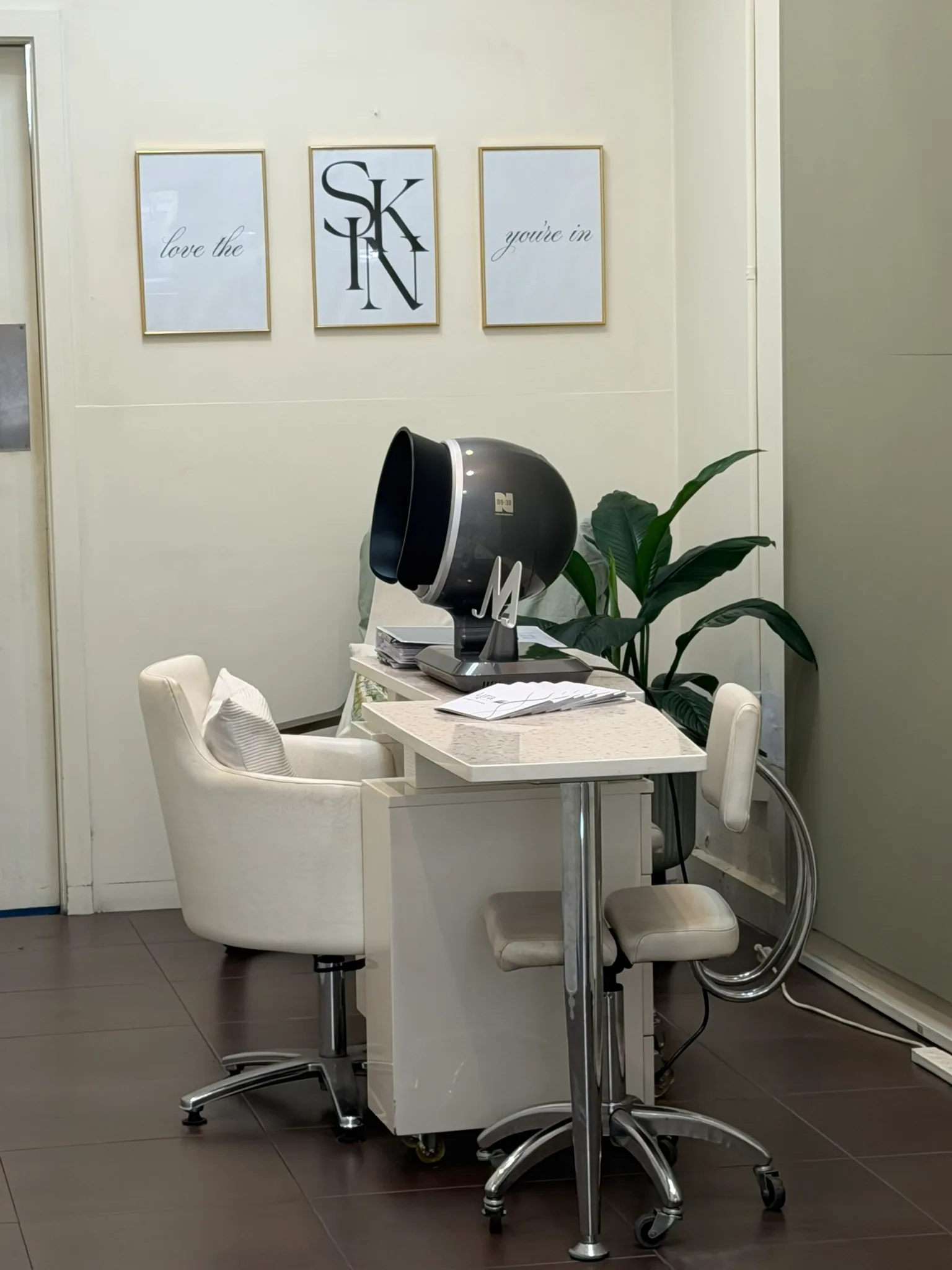
What to expect at your Oakleigh review
You will meet directly with Corey for a calm review of what you have noticed, what he can assess and what the record should carry forward.
Corey reviews movement, comfort, records and your experience. If a further option is appropriate, alternatives, material risks and costs are discussed before you decide. A review may also end with reassurance, waiting or no further action.
Bring the questions you are still carrying
A useful review can give you a clearer record and next step, even when the right decision is to wait or do nothing further.
Is this for you?
Consider booking a consultation if
- You are an adult preparing for or trying to understand a wrinkle treatment review appointment
- You want to understand movement, symmetry, comfort and expectations before asking for further options
- You value review as a clinical assessment rather than an automatic adjustment appointment
- You are open to observation, waiting, future planning or no further action depending on assessment
This may not be for you if
- You are seeking certainty, complete correction or a promised appearance change
- You are seeking elective cosmetic care for someone who is not an adult
- You want online review information to replace assessment by the treating clinic
- You are pregnant or trying to conceive and are seeking elective aesthetic treatment
- You have an urgent, worsening or unusual symptom that needs direct clinical advice
Suitability is confirmed at consultation. This list is general guidance, not a substitute for clinical assessment.
Frequently asked questions
What is assessed at a wrinkle treatment review?
Corey assesses movement, symmetry, comfort, expression, patient concerns and whether the original plan still makes clinical sense. The review also helps document how your face responded over time. It can support future planning, but it does not confirm adjustment or a specific appearance.
Is the review an automatic adjustment appointment?
A review is first a clinical assessment of movement, comfort, expression and your experience. If the findings support a suitable next step, Corey can explain the available option, material risks, consent requirements and timing. The appointment may also confirm that the area is still settling or that another review would provide a clearer basis for planning.
What should I tell Corey at review?
Mention uneven movement, heaviness, discomfort, unfamiliar expression, less movement than expected, more movement than expected, or anything that feels different in ordinary life. Timing matters too, so describe when you first noticed the concern and whether it is improving, stable or worsening.
Can the review assure symmetry?
No exact symmetry or appearance can be assured because faces begin with natural differences and individual response varies. The review helps Corey compare movement, comfort and expression, explain what is clinically relevant and agree on a proportionate next step. That may include suitable care, more settling time or another review.
Are clinical photos used at review?
Clinical photos may be used privately to document baseline and review findings. They support continuity of care and are not used as public marketing proof of what another person should expect.
What if I feel too restricted at review?
Describe where and when the restriction feels unfamiliar and whether it affects ordinary expression. Corey can assess and document the pattern, check for related concerns and explain what can reasonably be monitored or planned. The immediate priority is understanding the change rather than forcing a quick correction before the clinical picture is clear.
What if I missed my review?
Contact the clinic if you have concerns. Missing review reduces the quality of the clinical record, so tell Corey at your next appointment that the earlier review did not happen.
What will the movement assessment clarify?
The movement assessment compares the current pattern with the original plan and your observations from daily life. It should clarify what appears settled, what may still be changing, whether comfort or expression needs further attention and what follow up makes sense. If a suitable option is relevant, Corey will discuss risks, consent and timing before you decide.