At Core Aesthetics, clinical photographs are taken only for your private record, with consent, to support assessment and review. Patient comparison images are not published in advertising because Australian rules restrict them and because they set unreliable expectations. Your own face, assessed by Corey Anderson RN, is the only meaningful reference.
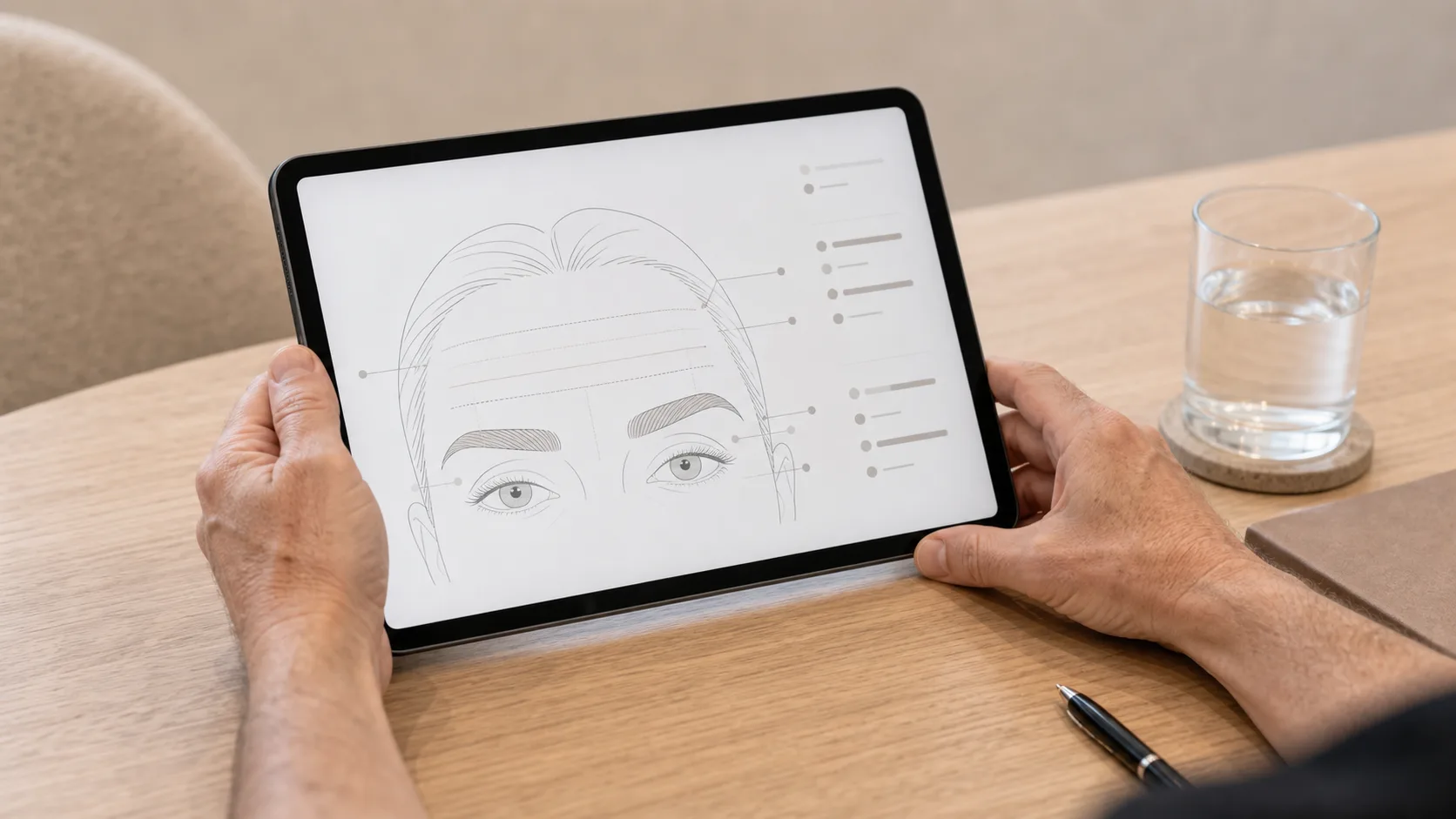
Why Does This Clinic Not Publish Patient Images?
Australian advertising rules for regulated health services restrict patient imagery for cosmetic services because it can easily mislead. Core Aesthetics goes a step further and does not publish patient images at all, choosing education, plain language and personal assessment instead.
That choice makes the website less visually dramatic, but it keeps expectations tied to assessment rather than promotional imagery.
What Are Clinical Photographs Actually For?
Accurate care. A baseline image taken at consultation records exactly how your face moved and rested before anything was done, which makes review more precise. Memory is unreliable for subtle facial change; photographs can make review more objective.
These images live in your confidential clinical record. They are not marketing assets, and using them that way would require entirely separate consent that the clinic does not seek.
How Does Photo Consent Work Here?
This table summarises how clinical photography is handled at Core Aesthetics.
| Question | How it is handled | Your control |
|---|---|---|
| When are photos taken? | Typically at baseline consultation and planned reviews, when they add clinical value. | You are told before any image is captured. |
| What is consented? | Photography consent is specific, separate and documented. | You can decline entirely or limit what is captured. |
| Where are they stored? | In your confidential clinical record under Australian health record requirements. | You can request access to your images at any time. |
| Who sees them? | Corey Anderson RN and you, for assessment and review purposes. | No marketing, social media or public use is sought. |
| Why bother? | Baseline images make review precise; memory alone misses subtle change. | Declining is respected; review simply relies more on description. |
| Can consent change later? | Yes. Consent can be varied or withdrawn for future images. | Tell the clinic and the record is updated. |
How Should You Read Photos On Other Sites?
Critically. Ask: is lighting identical between images? Is the expression the same? Is makeup or angle doing the work? Is this the clinic’s best case rather than a typical one? Has time passed that allows other changes? Any of these can create an impression that treatment alone did not produce.
Dramatic imagery can be a marketing decision. A cautious assessment should be able to explain expectations without relying on dramatic images.

What Replaces Photos When Setting Expectations?
Assessment and clear description. Corey examines your movement and skin, explains what each area could realistically change, what would stay the same, and what the typical experience looks like including swelling, bruising, tenderness, asymmetry during settling, and the rare but serious vascular warning signs that need urgent attention.
You leave with expectations matched to your face, not to a stranger’s best photograph.
Can You See Your Own Images?
Yes, at any time. They are your clinical record, and reviewing them together at follow-up is often genuinely useful: subtle change is easier to discuss accurately with a baseline in front of you both.
Access, storage and retention follow Australian health record requirements, and an option discussion, where relevant, still always follows assessment and informed consent rather than preceding it.
If you have images from previous clinics, you are entitled to request copies of your records from them, and bringing those records along can make your baseline conversation here noticeably more accurate, especially where earlier treatment history is unclear or undocumented.
Which Pages Explain Photography, Expectations And Safety?
For media literacy, read how to read aesthetic treatment advertising or why cosmetic websites have changed. For regulation, read the Ahpra guidelines explainer.
For your own pathway, read what to expect at consultation, suitability assessment, pricing, verify, contact or book.
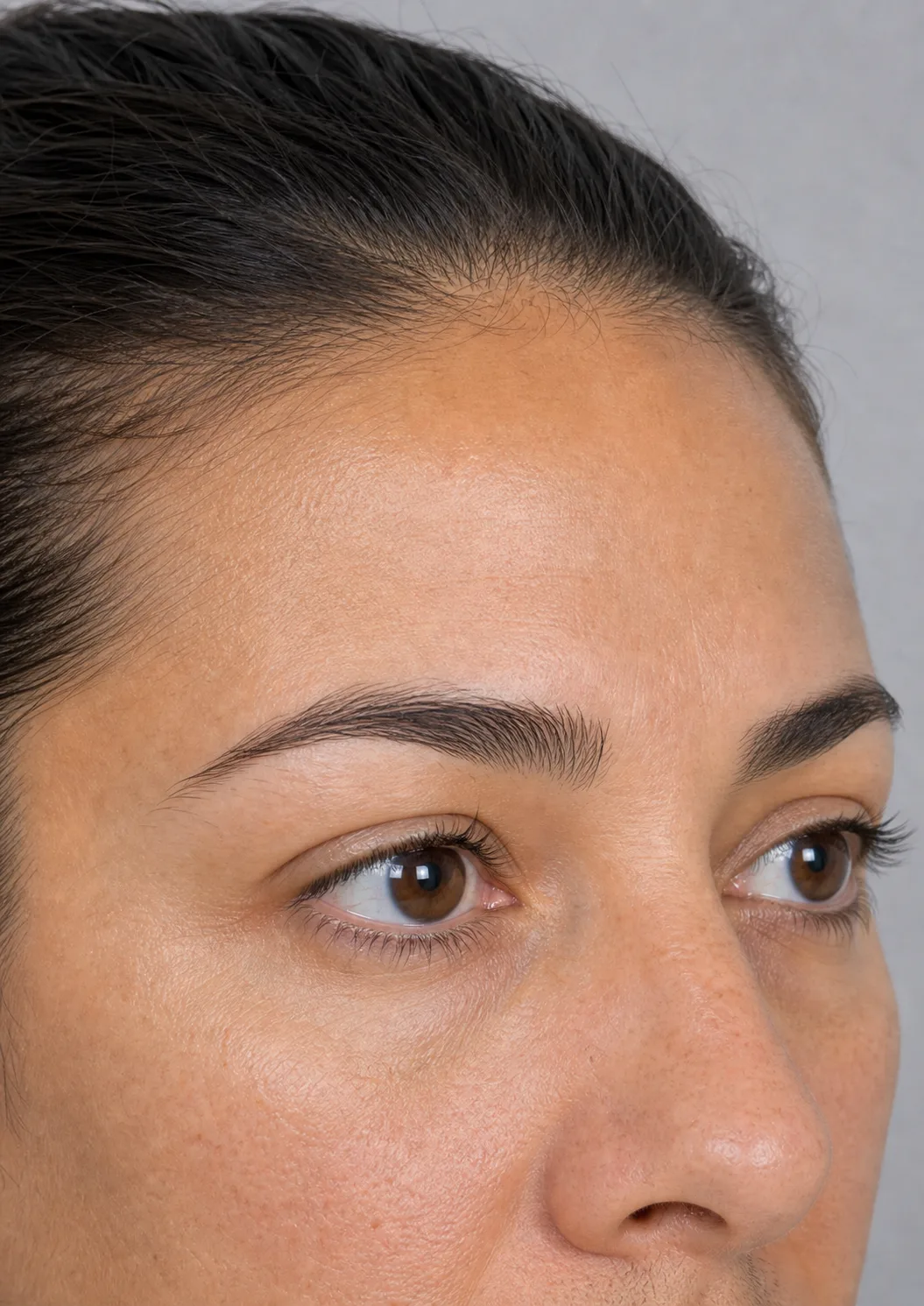
Photo And Expectation Questions
Why are there no patient photos on this website?
Two reasons. Australian advertising rules tightly restrict using patient images for cosmetic services, and even compliant images set unreliable expectations because lighting, angles, expression and individual anatomy vary so much. Education and personal assessment serve you better than photographs of strangers.
Will photos be taken of me at the clinic?
Only with your consent, and only for your private clinical record. Photographs support assessment and review by documenting your baseline accurately. They are stored as part of your confidential record and are not used in marketing, social media or anywhere public.
Can I decline photography consent during the consultation?
Yes. Consent to photography is separate from consent to anything else, and declining does not change how you are treated. Corey will explain what is lost without baseline images, mainly precision at review, and respect whichever decision you make.
How do I research what treatment can do without photos?
Read plain-language education about what each pathway can and cannot change, then bring your questions to assessment. Your movement patterns, skin and anatomy decide what is realistic for you, which is information no photograph of another person can provide.
Are photos on other websites misleading?
They can be. Lighting, angle, expression, makeup, time gaps and selection of best cases can each flatter an image, and not every online image is presented with the same caution. Treat dramatic imagery as marketing first and evidence second wherever you encounter it, including on social media, in clinic windows and in paid search listings.
What do advertising rules actually say about images?
Ahpra guidance and therapeutic goods advertising rules restrict patient imagery for cosmetic services, prohibit misleading or idealised presentation, and restrict naming prescription medicines. The how-to-read-advertising page on this site explains the practical warning signs in more detail.
How will I know what to expect for my own face?
Through assessment. Corey Anderson RN examines how your face moves and rests, explains realistic limits area by area, and describes the range of typical experiences including risks such as bruising, swelling, asymmetry and rare vascular warning signs. Clear assessment is more useful than curated images.
Should I bring photos of myself to consultation?
Older photos of you can genuinely help. They show how your face has changed over time, which supports an accurate conversation about what is age, what is movement and what is recent. Photos of other people are less useful, but feel free to bring them to discuss expectations honestly.
Does the clinic photograph every appointment?
No. Photography happens when it adds clinical value, typically at baseline and review, always with consent. Routine appointments may not need new images. The purpose is accurate records for your care, not content collection, and you can ask to see your images at any time.
Are video consultations or photo reviews offered remotely?
Initial questions can be handled by phone, but meaningful assessment for wrinkle treatment needs your face in the room: movement, skin and expression cannot be judged reliably from a photo or video call. Remote images flatten exactly the information that matters, which is another reason published photos make poor research material.
How do I verify the clinic before booking?
Wrinkle treatment at Core Aesthetics is led by Corey Anderson, Registered Nurse, Ahpra registration NMW0001047575. Use the Verify Core Aesthetics page, the clinic contact details and the Ahpra public register to confirm details before booking.
Is this for you?
Consider booking a consultation if
- Adults who expected to find patient photos and want to know why they are absent
- Patients who want to understand clinical photography, consent and record keeping
- People learning to read cosmetic marketing critically before choosing a clinic
- Patients calibrating expectations before a consultation
This may not be for you if
- People seeking published patient comparison imagery, which this clinic does not provide
- People seeking treatment without assessment, consent or risk discussion
- People with urgent medical symptoms needing prompt medical care
- People seeking advice for someone who cannot provide informed consent
Suitability is confirmed at consultation. This list is general guidance, not a substitute for clinical assessment.