For a wrinkle consultation near Sandringham, follow one ordinary expression through three moments: while the movement is active, immediately after it stops and once the face has comfortably settled. Record where the line begins, what softens and what remains. Corey Anderson RN combines that trace with forehead, frown, outer eye, brow, upper eyelid, skin, asymmetry, health and previous care context. When individual assessment and informed consent support it, suitable care can be planned with familiar expression, material risks and follow up explained.
How Do You Follow An After Expression Trace?
Choose one ordinary movement such as a brow lift, frown or natural smile. Notice the line while the expression is active, as soon as you release it and after the face has comfortably settled.
Write where the fold began, which part softened and which crease remained. One observation is enough; repeated forceful expressions add little useful information.
What Does Each Moment Add?
| Moment | Useful observation | What it cannot decide |
|---|---|---|
| Expression active | Where the fold begins and how nearby areas join the movement. | Whether the line is a problem or needs cosmetic care. |
| Immediate release | Which folds soften as the movement stops. | Why one area releases differently from another. |
| Comfortably settled | Which crease or surface feature remains at rest. | Whether movement skin or another factor contributes most. |
| Personal boundary | The expression or movement that should remain familiar. | A promised percentage of movement or outcome. |

Why Is The Release Moment Useful?
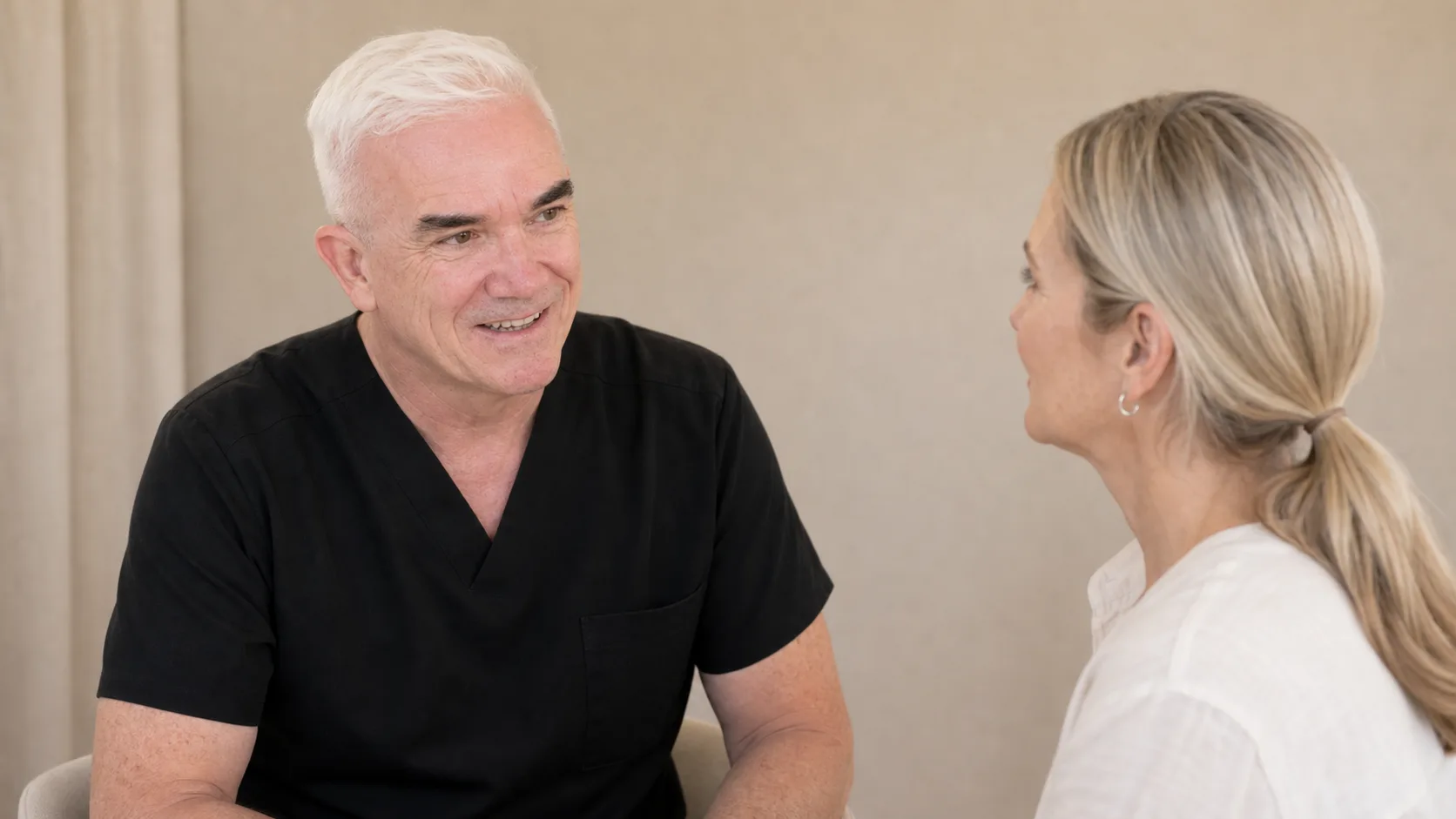
A still photograph shows either movement or rest but misses the transition between them. Watching the release helps Corey understand which line belongs mainly to active folding and which feature remains after movement stops.
The observation still needs skin, brow, upper eyelid, health and previous care context. It is a conversation aid rather than a self diagnosis.
How Can Lighting Affect The Trace?
Side light can deepen a shadow while soft front light reduces it. Keep the same ordinary lighting across the three moments so a change in shadow is not mistaken for a change in movement.
If lighting seems to drive the concern more than expression, the two light wrinkle guide may be a more useful next page.
What Does Corey Assess Around The Trace?
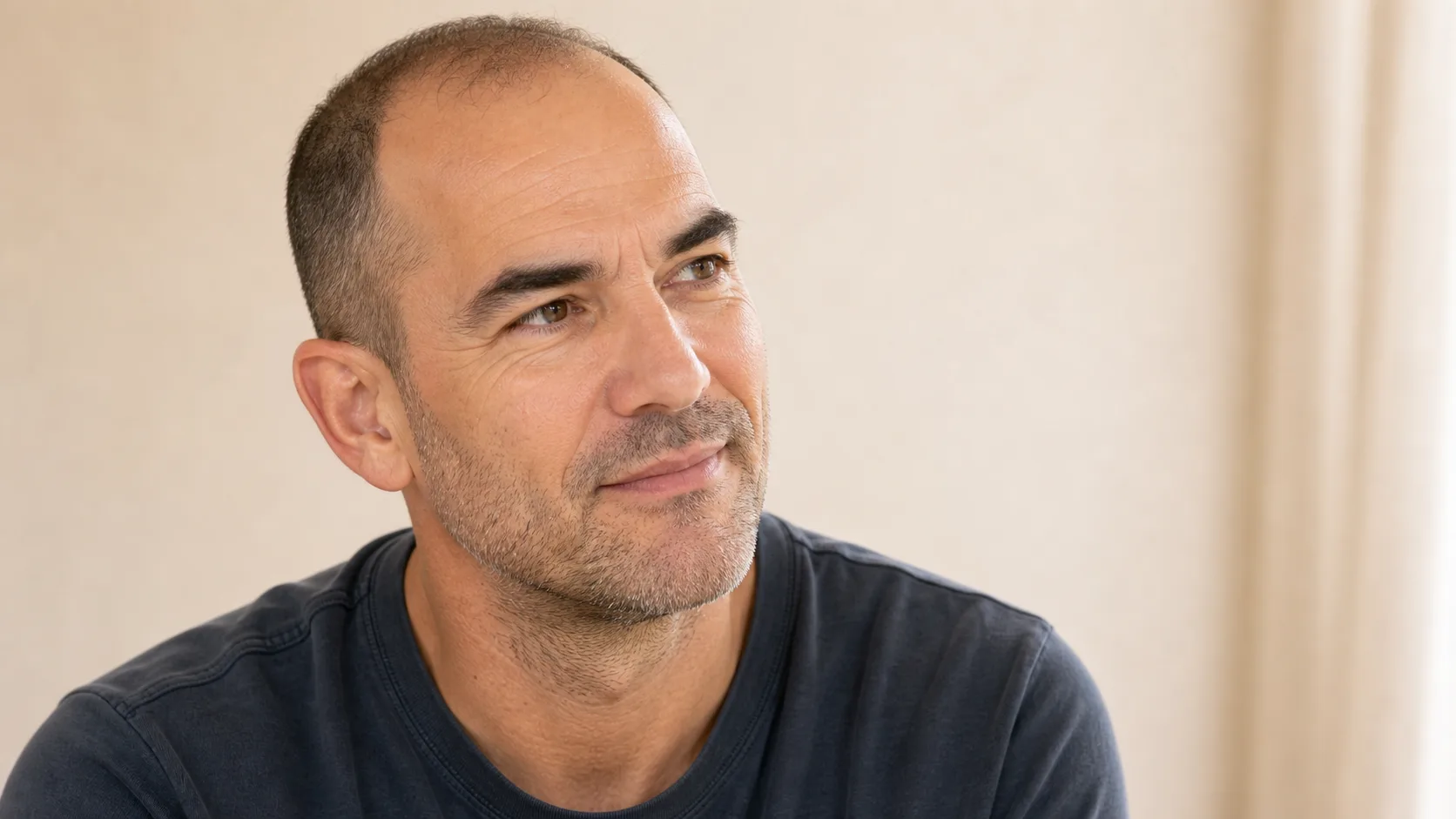
Corey observes comfortable rest, ordinary conversation and the expression that creates the concern. He considers forehead, frown, outer eye, brow, upper eyelid, skin, natural side differences and relevant previous care.
He then compares the active fold, immediate release and settled crease with your priorities. A nearby movement is assessed as context, not automatically added to a plan.
What Timing And History Belong Beside The Trace?
Bring when the line became important, whether it has changed, current medicines, relevant health and eye history and previous care dates. Add any new discomfort, weakness, altered sensation or visual symptom.
An ordinary older photograph may help with timing. It cannot show the release sequence or establish a cause.
When Does The Trace Need A Different Clinician?
Sudden facial weakness, speech difficulty, severe headache, visual loss or collapse needs urgent medical assessment; call triple zero for severe or life threatening symptoms. New eye symptoms, pain, swelling, altered sensation or a rapidly changing skin concern also needs appropriate medical or eye care assessment.
For a stable cosmetic concern, more information, adjusted timing, another clinical review or a different pathway can be incorporated when useful.
Which Guide Fits If One Area Clearly Leads?
Horizontal lines clearly lead
Use the forehead guide.
One expression pattern clearly leads
Use the frown guide or outer eye guide.
Several areas remain relevant
Use the Oakleigh wrinkle guide.
How Can Suitable Care Respect The Trace?
Corey explains suitable options, material risks, alternatives, uncertainty, likely limits, total cost, aftercare and follow up. Your familiar expression and the movement you want preserved remain part of consent.
When clinically appropriate and informed consent is complete, suitable care can be planned. The discussion does not promise a fixed amount of movement or a perfectly smooth resting surface.
Questions About Lines After Expression
What is an after expression trace?
It follows one ordinary expression while active, immediately after release and once the face has comfortably settled. The sequence records what appears, what softens and which crease remains at rest.
How long should I wait for my face to settle?
There is no fixed test time. Let the expression go and allow the face to feel comfortably neutral. The observation is qualitative and should not become repeated checking.
Why does the immediate release moment matter?
It shows which folds soften as movement stops and which features persist. Corey combines that observation with skin, brow, eye area, health and previous care context.
Can side light change the expression trace?
Yes. Side light can deepen shallow shadows while soft front light reduces them. Keep lighting similar across the three moments so movement and shadow are not confused.
Should every line that remains at rest be treated?
No. A remaining crease is an observation, not a treatment instruction. Corey considers its importance, skin context, movement, personal boundaries and whether any option is suitable.
Can suitable care be planned at the consultation?
Yes. Corey completes an individual assessment and explains suitable options, material risks, alternatives, costs, timing and follow up. When clinically appropriate and informed consent is complete, suitable care can be planned.
Is Core Aesthetics located in Sandringham?
No. Core Aesthetics is in Oakleigh. Check the trip from your actual starting point and make sure returning to the clinic for review would be practical.
How do I verify Corey Anderson?
Use the clinic verification guide and independent Ahpra public register to confirm Corey Anderson is a Registered Nurse under registration NMW0001047575. Match his current registration details.
Is this for you?
Consider booking a consultation if
- Adults near Sandringham wanting broad wrinkle assessment before treatment discussion
- Patients who want consultation-first explanation of movement lines, risks and consent
- People who value a clear explanation of options, timing, follow-up and other clinical input
- Patients who want to verify Corey Anderson RN and the Oakleigh clinic before booking
This may not be for you if
- People asking for a predetermined plan without assessment, consent or risk discussion
- People with urgent medical symptoms, sudden weakness, drooping, vision change or severe headache needing medical care
- People wanting a fixed cosmetic outcome before anatomy, timing and previous treatment are assessed
- People seeking advice for someone unable to provide informed consent for elective cosmetic care
Suitability is confirmed at consultation. This list is general guidance, not a substitute for clinical assessment.