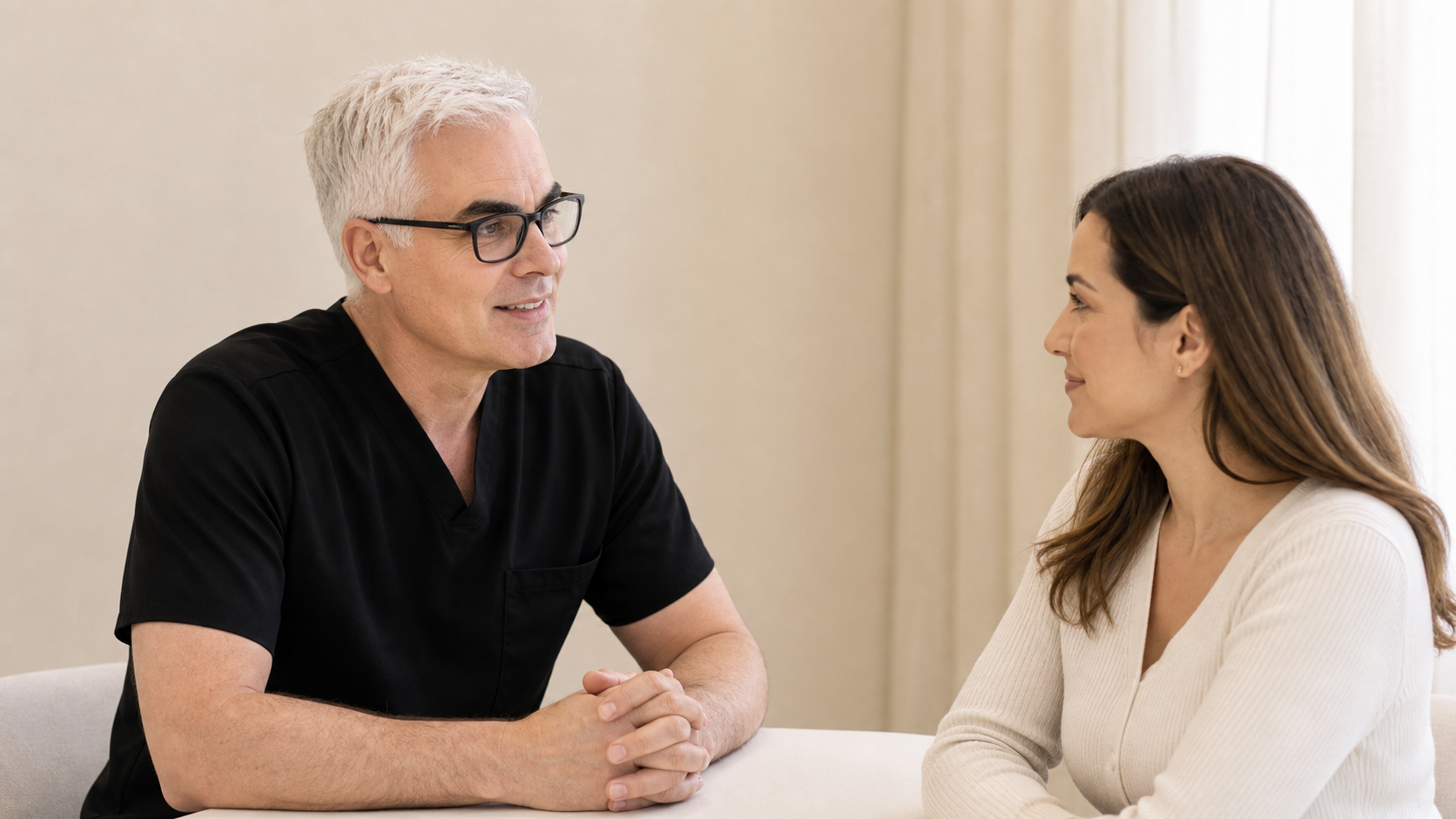
For a cheek volume consultation near Bentleigh East, compare the cheek highlight with its adjoining shadow. Note where the bright area sits, where the shadow begins, whether the boundary is gradual or sharp and how both change in neutral light and natural expression. A deep shadow does not by itself prove volume loss, and a strong highlight does not define an ideal cheek. Corey Anderson RN combines these observations with assessment of facial structure, the under eye junction, skin, movement, health, medicines, previous care, risks and the features you want to preserve. Suitable care can be planned when individual assessment and informed consent support it.
Why Read Highlight And Shadow Together?
A curved cheek naturally creates a brighter area and a neighbouring shadow. Looking only at the dark area removes the contour that produces it.
The pair helps describe shape, while direct assessment explores structure, skin, movement, lighting and other contributors.
Which Four Details Make The Pair Useful?
| Detail | What to observe | Why it helps |
|---|---|---|
| Highlight position | Upper, central or more lateral cheek | Locates visible prominence |
| Shadow start | Under eye, below prominence or beside nose | Identifies the transition being noticed |
| Boundary | Gradual, sharp or interrupted | Adds shape and skin context |
| Change | Neutral light, smile and side view | Shows whether the pair is stable or conditional |
How Should Neutral Light Be Used?
Face a window or another broad light source without a spotlight directly above or below. Keep the head comfortable and compare both sides from the same distance.
Neutral light does not reveal a single truth, but it gives a calmer baseline before testing other conditions.
What Changes During Smile And Speech?
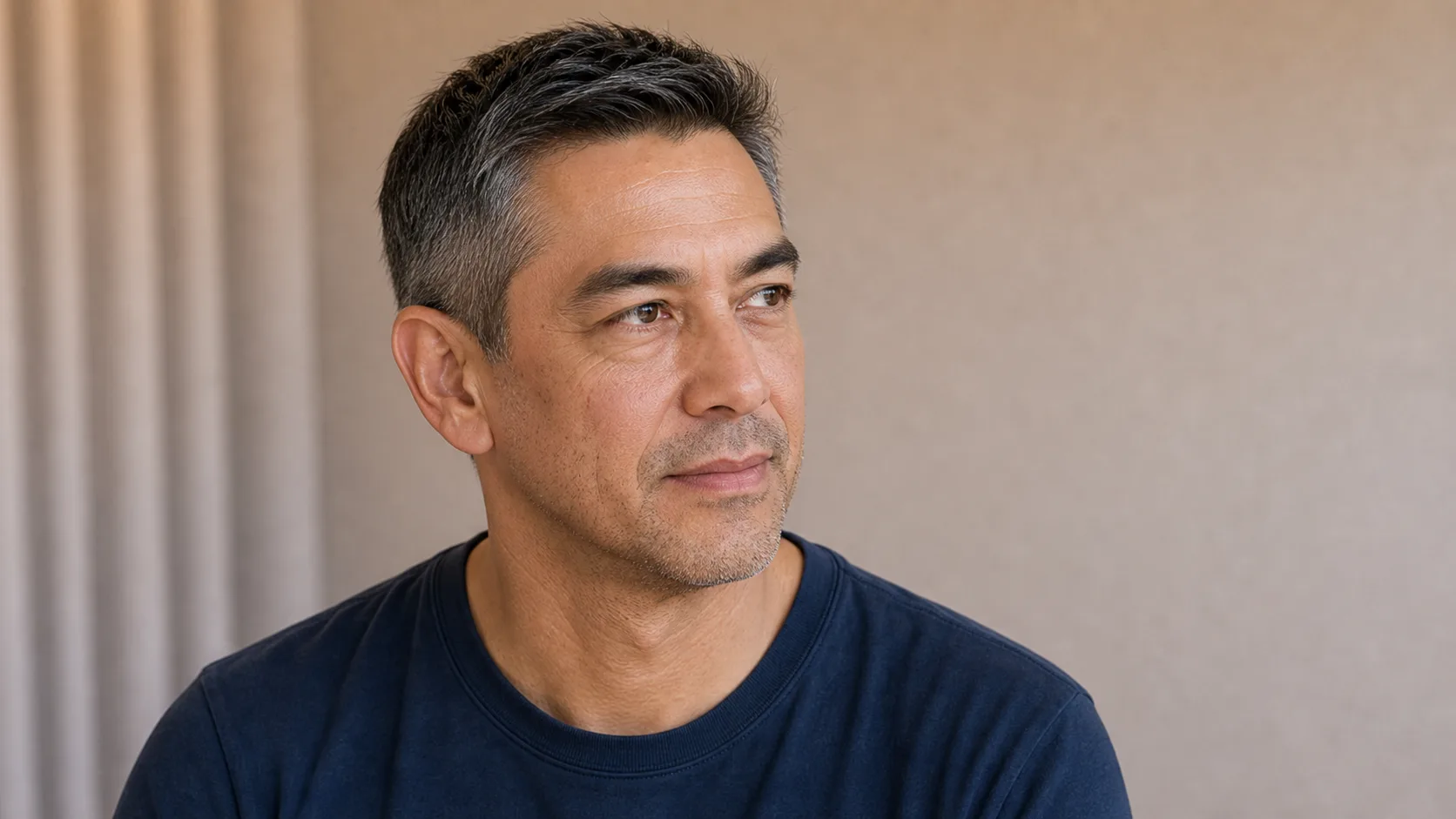
A natural smile lifts the cheek, moves the highlight and changes shadows below the eye and beside the nose. Speech produces smaller, repeated changes across the same transitions.
Corey observes movement because a still shadow may soften, deepen or travel during ordinary expression.
What If A Shadow Appears Only In Harsh Light?
A condition-specific shadow can still be discussed. It may direct attention to light angle, skin, a local junction or expectations rather than a broad cheek change.
The aim is to understand why the feature appears, not to dismiss it or assume it needs one particular pathway.
Which History Changes The Interpretation?
Bring current medicines and supplements, allergies, relevant health and skin history, weight changes, dental or facial procedures and previous cosmetic care with approximate dates.
Mention persistent swelling, firmness, tenderness, colour change, altered sensation or another unfamiliar response. Consistent older photographs may help establish timing.
What Could Change The Pair In An Unwanted Way?
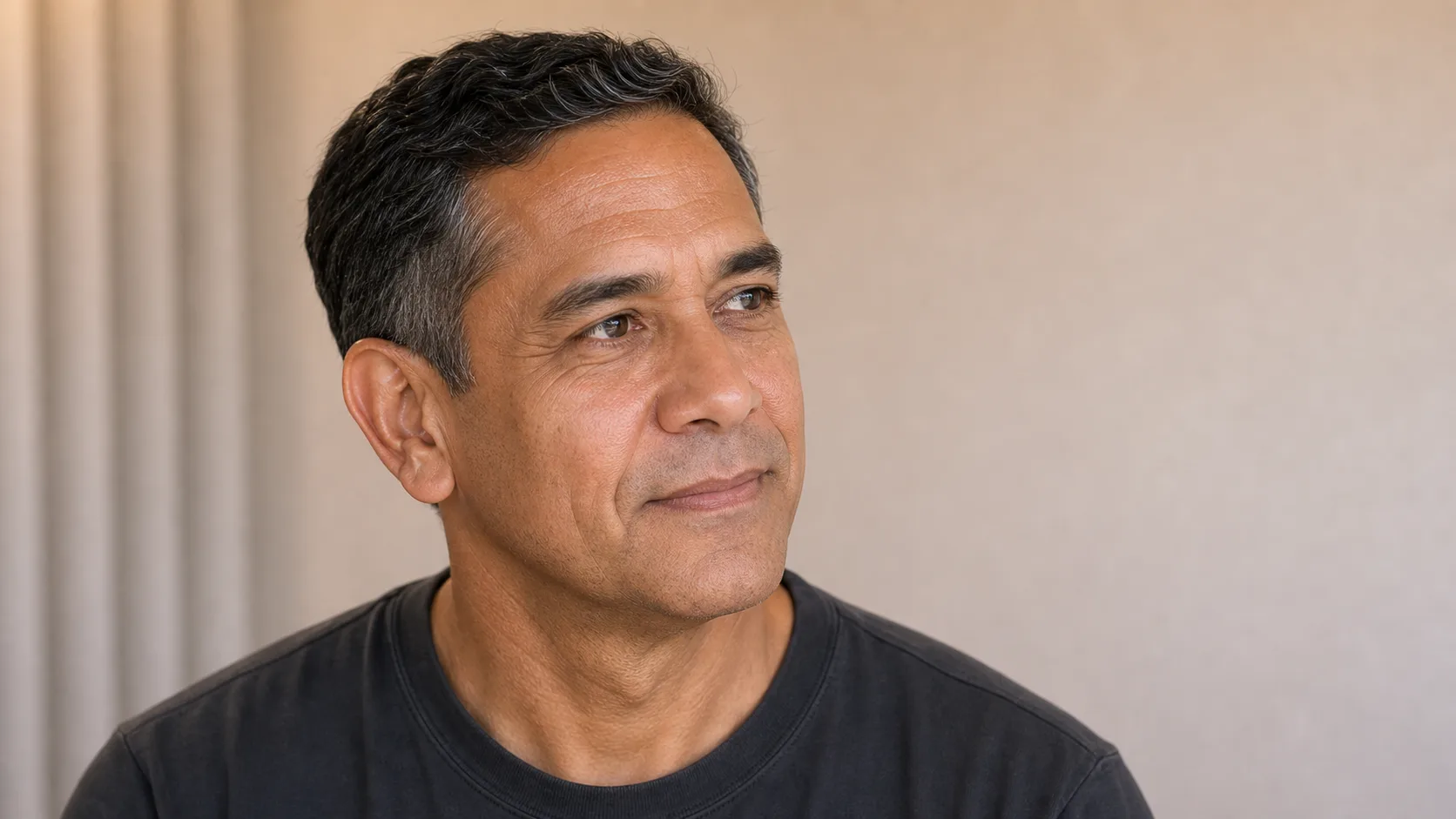
Any option found suitable may temporarily move, soften or deepen the visible highlight and shadow through redness, tenderness, swelling or bruising. Other risks can include asymmetry, lumps, infection, delayed inflammatory response, dissatisfaction and uncommon urgent vascular warning signs.
Corey explains the chance of an unwanted contour change alongside realistic limits, alternatives, total cost, aftercare, follow up and contact instructions. The discussion is tied to your observed pair rather than a generic promise of a smoother shadow.
Can Highlight And Shadow Assessment Support Suitable Care?
Corey combines the pair with direct assessment, health, previous care, priorities, risks, alternatives and review access. Suitable care can be planned when individual assessment and informed consent support it.
More information, adjusted timing, another clinical review or a different pathway can be incorporated when useful. Book a consultation when ready.
Read the Melbourne cheek guide, cheek consultation guide, skin and structure guide and suitability guide. This page provides general education and does not diagnose a cheek concern, confirm suitability or replace personal medical advice. These cosmetic procedure guidelines inform the consultation process. See the Ahpra guidelines for registered health practitioners who perform non-surgical cosmetic procedures and the TGA guidance for advertising health services involving therapeutic goods.
Is this for you?
Consider booking a consultation if
- Adults near Bentleigh East wanting cheek and midface assessment before treatment discussion
- Patients who want consultation-first explanation of cheek support, skin quality, risk and consent
- People willing to consider how assessment, timing, follow-up and other clinical input shape the plan
- Patients who want to verify Corey Anderson RN and the Oakleigh clinic before booking
This may not be for you if
- People asking for a predetermined plan without assessment, consent or risk discussion
- People with urgent medical symptoms, active infection, acute swelling or rapidly changing facial symptoms
- People wanting a fixed cosmetic change before facial structure and skin quality are assessed
- People seeking elective cosmetic care for someone who cannot provide informed consent
Suitability is confirmed at consultation. This list is general guidance, not a substitute for clinical assessment.
Frequently asked questions
What is the cheek highlight and shadow pair?
It is the brighter area over the curved cheek and the adjoining shadow created by its transition. Reading both together provides more contour context than concentrating on a dark area alone.
Does a deep cheek shadow prove volume loss?
No. Structure, skin, lighting, the under eye junction, movement and previous care can all influence a shadow. Direct assessment is needed before contributors or suitable choices can be discussed.
What lighting gives a useful baseline?
Broad neutral light, such as facing a window, provides a calmer comparison than a spotlight from above or below. Use the same head position and distance for both sides without treating one setup as diagnostic.
Why does smiling change cheek shadow?
Smiling lifts the cheek, moves the highlight and changes shadows below the eye and beside the nose. Corey compares rest and natural movement because a still photograph cannot show the full transition.
What if the shadow appears only in harsh light?
It can still be assessed. A condition-specific shadow may direct attention toward lighting, skin, a local junction or expectations rather than automatically indicating a broad structural cheek concern.
What should I bring after previous cheek care?
Bring approximate dates, areas, available records and practitioner or product details when known. Mention persistent swelling, firmness, tenderness, colour change, altered sensation or another unfamiliar response so the history is clear.
Is Core Aesthetics located in Bentleigh East?
No. Core Aesthetics is in Oakleigh. Check the journey from your actual starting point and whether returning for planned review is practical. This local page does not imply the clinic operates in Bentleigh East.