For a cheek volume consultation near Notting Hill, begin by translating broad words into observable detail. Hollow may describe a shadow, flat may refer to projection, heavy may reflect a lower transition, and uneven may identify a side difference that changes with light or expression. None of these words establishes a diagnosis or automatically means volume is missing. Corey Anderson RN combines the description with assessment of cheek structure, under eye context, skin, movement, health, medicines, previous care, risks and the features you want to preserve. Suitable care can be planned when individual assessment and informed consent support it.
Why Translate The Words You Use?
Everyday words communicate how a feature feels to you, but they do not identify anatomy. Two people using “hollow” may be describing different shadows or areas.
Corey asks where, when and in which view the word seems accurate, then tests that description during assessment.

How Are Four Common Words Translated?
| Your word | Useful detail to add | What Corey explores |
|---|---|---|
| Hollow | Location and lighting that reveal the shadow | Structure, skin, under eye junction and light |
| Flat | View where projection seems reduced | Cheek prominence and whole face proportion |
| Heavy | Whether the feeling is visual, physical or both | Lower transition, swelling, movement and history |
| Uneven | Which side and when the difference appears | Natural asymmetry, expression and previous care |
What Can “Hollow” Mean?
Hollow often refers to a shadow rather than a measured absence of tissue. Locate whether it sits under the eye, below the cheek prominence, near the temple or beside the nose.
Notice whether ordinary daylight, overhead light or fatigue changes it. Corey assesses the area directly before explaining possible contributors.
What Can “Flat” Mean?
Flat may describe limited forward projection in a three quarter view, a softer highlight from the front or simply a face shape that has always been familiar.
Older photographs can help establish whether the observation is longstanding or recent, but they do not prescribe a more projected target.
What Can “Heavy” Mean?
Clarify whether heavy describes appearance, pressure, swelling or a physical sensation. A lower cheek transition that looks full is different from new heaviness, tenderness or persistent swelling.
Timing, health history and previous care matter when a word includes a sensation rather than appearance alone.
What Can “Uneven” Mean?
Uneven may describe projection, height, shadow, smile movement or a difference seen only in photographs. Natural asymmetry is common and close phone images can make it more prominent.
Compare sides using the same light, head position and distance, then explain which difference matters in everyday interaction.
Why Add Where, When And Which View?
“Hollow under the left eye in overhead light” is more useful than “my cheeks are hollow.” “Flatter in three quarter photographs after recent weight change” adds a timeline and viewing context.
This detail improves the assessment without turning your observation into a self diagnosis.
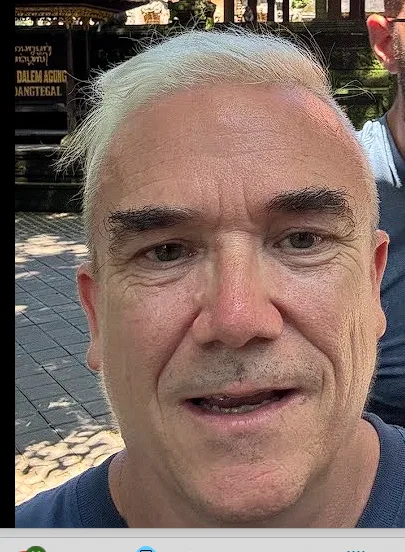
How Do Rest And Expression Test The Words?
A natural smile lifts the cheek and changes the under eye and lower cheek transitions. Speech alters shadows beside the nose and mouth, while rest shows the baseline contour.
A word that fits one expression may not describe the cheek throughout ordinary movement, which is useful context rather than a contradiction.
Which History Helps Explain The Description?
Bring current medicines and supplements, allergies, relevant health and skin history, weight changes, dental or facial procedures and previous cosmetic care with approximate dates.
Mention persistent swelling, firmness, tenderness, colour change, altered sensation or another unfamiliar response. Available records can help clarify timing.
Where Is The Notting Hill Consultation Held?
Core Aesthetics is at 12A Atherton Road, Oakleigh VIC 3166. Phone 0491 706 705. Corey Anderson is a Registered Nurse with Ahpra registration NMW0001047575.
People travelling from Notting Hill can check their actual journey and whether returning to Oakleigh for planned review is practical.
How Are Risks And Limits Explained?
Risks depend on the option found suitable and may include redness, tenderness, swelling, bruising, asymmetry, lumps, infection, delayed inflammatory response, dissatisfaction and uncommon urgent vascular warning signs.
Corey explains what each suitable option could reasonably influence, what it cannot address, alternatives, total cost, aftercare, follow up and contact instructions.
Can A Clear Description Support Suitable Care?
Corey combines your words with direct assessment, health, previous care, priorities, risks, alternatives and review access. Suitable care can be planned when individual assessment and informed consent support it.
More information, adjusted timing, another clinical review or a different pathway can be incorporated when useful. Book a consultation when ready.
Read the Melbourne cheek guide, cheek consultation guide, midface change guide and suitability guide. This page provides general education and does not diagnose a cheek concern, confirm suitability or replace personal medical advice. These cosmetic procedure guidelines inform the consultation process. See the Ahpra guidelines for registered health practitioners who perform non-surgical cosmetic procedures and the TGA guidance for advertising health services involving therapeutic goods.
Is this for you?
Consider booking a consultation if
- Adults near Notting Hill wanting cheek and midface assessment before treatment discussion
- Patients who want consultation-first explanation of cheek support, skin quality, risk and consent
- People who value a clear explanation of options, timing, follow-up and other clinical input
- Patients who want to verify Corey Anderson RN and the Oakleigh clinic before booking
This may not be for you if
- People asking for a predetermined plan without assessment, consent or risk discussion
- People with urgent medical symptoms, active infection, acute swelling or rapidly changing facial symptoms
- People wanting a fixed cosmetic change before facial structure and skin quality are assessed
- People seeking elective cosmetic care for someone who cannot provide informed consent
Suitability is confirmed at consultation. This list is general guidance, not a substitute for clinical assessment.
Frequently asked questions
What do common cheek words tell Corey?
Words such as hollow, flat, heavy and uneven identify how the cheek concern appears or feels to you. Adding location, timing, lighting and viewing angle turns each broad label into a more useful observation for assessment.
Does a hollow looking cheek always mean volume is missing?
No. Hollow may describe a shadow affected by structure, skin, the under eye junction, lighting or several factors. Direct assessment is needed before the observation can be interpreted or suitable choices discussed.
What is useful when I describe a flat cheek?
Say whether flat refers to front, three quarter or side view and whether it is longstanding or recent. Older consistent photographs may help establish timing without creating a fixed target for projection.
Why should I clarify the word heavy?
Heavy can describe appearance, pressure, swelling or another physical sensation. Clarifying which meaning applies helps distinguish a lower contour observation from symptoms or a recent change that needs appropriate clinical context.
Can expression change whether a cheek looks uneven?
Yes. Smiling and speaking move the cheeks and alter shadows around the eyes, nose and mouth. Corey compares relaxed and natural movement because a side difference in one expression may not represent the whole concern.
What should I bring after previous cheek care?
Bring approximate dates, areas, available records and practitioner or product details when known. Mention persistent swelling, firmness, tenderness, colour change, altered sensation or another unfamiliar response so the history is clear.
Is Core Aesthetics located in Notting Hill?
No. Core Aesthetics is in nearby Oakleigh. Check the journey from your actual starting point and whether returning for planned review is practical. This local page does not imply a clinic location in Notting Hill.