For a forehead concern near Malvern, sort what you notice into three layers: a fold that appears during brow movement, a crease that remains after the forehead settles and surface texture that changes with light, dryness or irritation. Corey Anderson RN compares those layers with brow and eyelid relationships, frown contribution, skin condition, natural asymmetry, health history and previous care. The exercise does not diagnose a skin condition or determine suitability, and one option may not address every layer. Corey explains suitable options, material risks, alternatives, costs, timing and follow up. When clinically appropriate and informed consent is complete, suitable care can be planned.
Begin By Naming The Visible Layer
Notice whether the feature appears only when the brows lift, remains once the forehead settles or changes mainly with light, dryness, makeup or irritation. More than one layer can be present in the same area.
This distinction creates a clearer consultation question without asking you to diagnose the skin or select a treatment category.
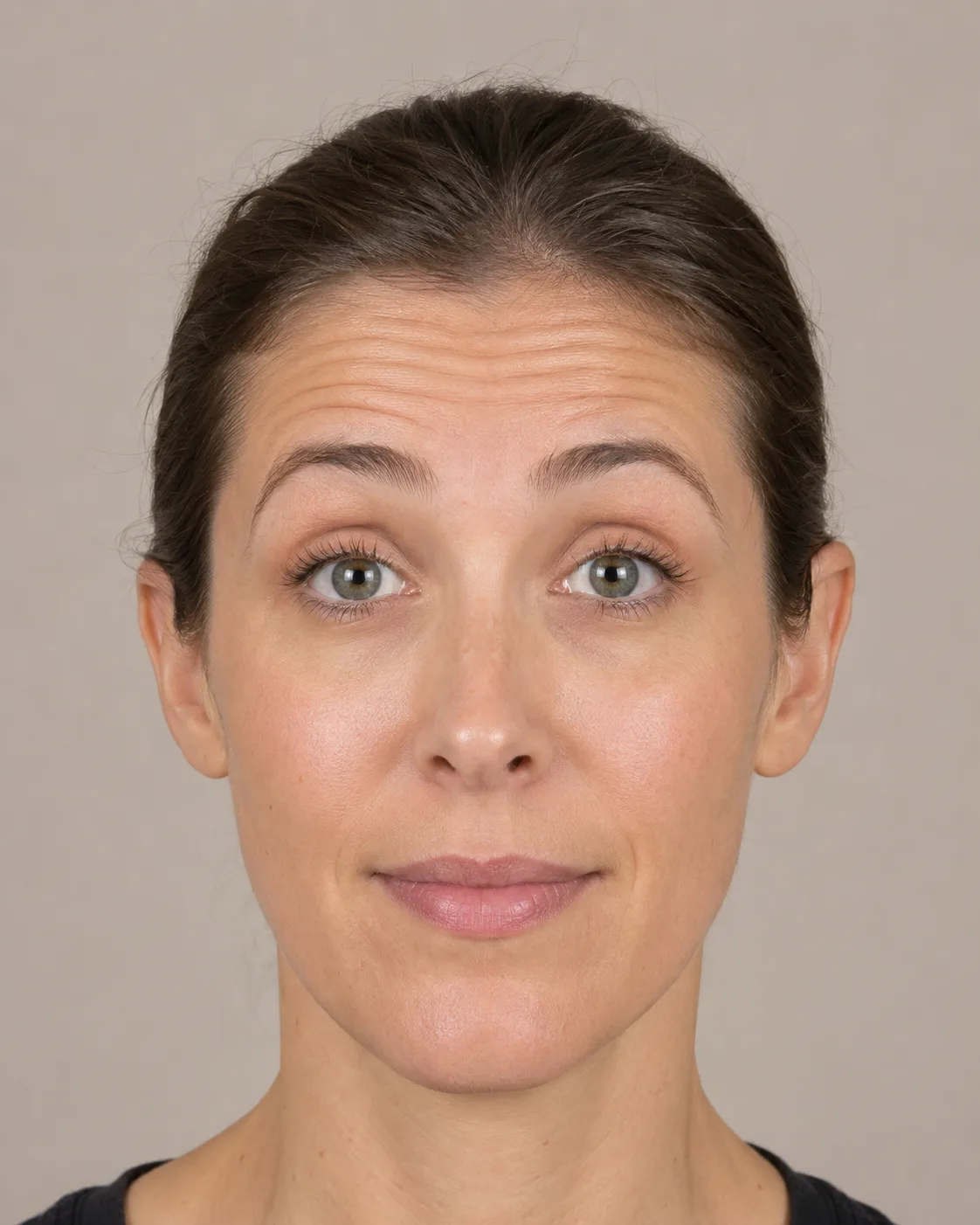
How Do The Three Layers Differ?
Does it appear with brow lift?
Observe one comfortable expression and how the forehead returns to rest.
What remains after movement?
Note visibility at comfortable rest without stretching or pressing the skin.
Does light or dryness change it?
Record flaking, irritation or roughness without diagnosing the cause.
What are the brows and eyelids doing?
Include useful brow support and expression that should stay familiar.
What Does Corey Assess In A Movement Fold?
Corey observes natural conversation, a comfortable brow lift and the return to rest. He notes movement onset, line direction, side differences, brow support and frown contribution.
A fold created by expression is part of normal movement. Assessment considers whether that movement is useful and which expression should remain familiar.
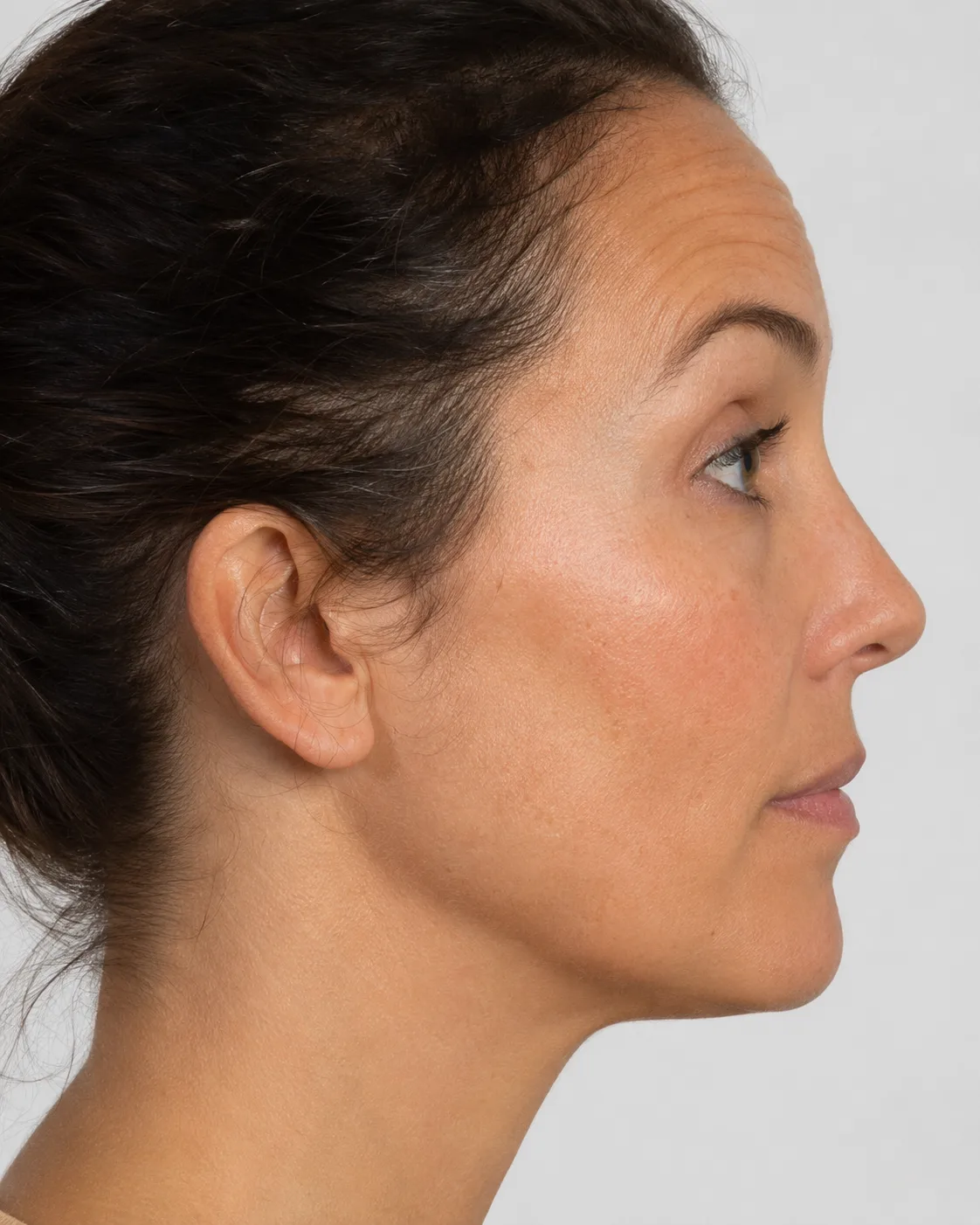
Why Is A Resting Crease A Different Question?
A resting crease remains visible without active brow lift. Repeated folding may contribute, while skin, facial structure, environmental exposure, time and previous care can also affect its appearance.
Corey explains what may remain visible and why a movement-focused discussion should not become a promise about an established crease.
When Does Surface Texture Need Its Own Pathway?
Dryness, makeup, direct light and irritation can change fine surface texture and shadow. Active rash, broken skin, pain, persistent redness or worsening irritation needs appropriate skin or medical assessment.
Corey can discuss the cosmetic question while explaining whether adjusted timing, more information or another clinical review should address the skin layer first.
How Do The Three Layers Shape Expectations?
One visible word such as “wrinkle” may cover movement, an established fold and surface change. Each layer has different limits, and a discussion focused on one layer may leave the others unchanged.
Consent records which layer matters most, what should remain familiar, reasonable alternatives, costs, timing and review needs.
Prepare A Three Layer Note Before Leaving Malvern
Use the table to keep each layer and its context separate.
| Bring or note | Why it helps |
|---|---|
| What appears during brow movement | Identifies the expression fold and useful brow support. |
| What remains at comfortable rest | Separates an established crease from active movement. |
| Dryness, irritation, products or recent skin procedures | Places surface texture in an appropriate skin context. |
| Medicines, allergies, health or eye history and previous care | Supports safe assessment and suitable timing. |
| Work, travel, events and return access | Keeps review planning practical from Malvern to Oakleigh. |
Avoid starting a harsh skincare routine simply to test the concern.
Which Guide Fits The Layer That Leads?
Stay with this guide
You need movement, resting crease and texture separated before narrowing the concern.
Use the broad local guide
Read the Malvern wrinkle guide when forehead, frown and outer eye concerns need prioritising.
Use the skin context guide
Read skin quality before consultation and seek appropriate care for active symptoms.
Which Risks And Limits Need Discussion?
Option-dependent risks may include temporary marks, swelling, tenderness, headache, unevenness, brow or eyelid heaviness, altered expression and disappointment. Corey explains relevant warning signs, aftercare and review access.
Active irritation, recent care, missing history or event pressure can change timing. No particular change in a movement fold, resting crease or skin texture is promised.
Where Is The Three-Layer Assessment Completed?
Core Aesthetics is at 12A Atherton Road, Oakleigh VIC 3166. Phone 0491 706 705. Corey Anderson RN leads the consultation and holds Ahpra registration NMW0001047575.
Confirm Corey through the verification page and check the pricing guide before booking.

Can Suitable Care Follow A Layer-Specific Assessment?
Bring what moves, what remains and what changes at the surface
Corey explains suitable options, material risks, alternatives, costs, aftercare and follow up. When an option is clinically appropriate and informed consent is complete, suitable care can be planned with realistic limits for each visible layer.
What Are The Limits Of A Three-Layer Sort?
This page provides general education for adults. It cannot diagnose skin or forehead concerns, confirm suitability, recommend treatment or replace personal medical or skin advice, urgent assessment or informed consent.
Official guidelines for registered health practitioners who perform non-surgical cosmetic procedures support individual assessment, consent and appropriate follow up. These cosmetic procedure guidelines inform the consultation process. TGA advertising guidance explains why prescription products are not promoted here.
Questions About Movement, Crease And Texture
What is a movement fold?
It appears or becomes stronger when the forehead contracts and brows lift. Corey observes one comfortable expression, its direction, side differences and what remains after movement settles.
What makes a resting crease different?
A resting crease remains visible without active brow lift. Skin, repeated movement, facial structure, environmental exposure, time and previous care may all contribute to its appearance.
How can surface texture change the impression?
Dryness, irritation, makeup and direct light can emphasise fine texture and shadows. They do not establish the cause of a deeper crease or replace appropriate skin assessment.
Can more than one layer be present?
Yes. A movement fold, resting crease and surface texture can overlap in one area. Corey separates them so expectations and consent reflect the feature actually being discussed.
Should I change skincare before consultation?
Do not start a harsh routine simply to test the concern. Bring relevant product names and describe irritation, recent procedures or changing symptoms so Corey can explain suitable timing or another pathway.
Which skin symptoms need another clinical pathway?
Active rash, broken skin, pain, persistent redness, a changing lesion or worsening irritation needs appropriate skin or medical assessment rather than relying on routine cosmetic consultation.
Can movement folds and surface texture be present together?
Yes. A horizontal fold may appear during brow lift while dryness, sun related change or a resting crease affects what remains afterwards. Corey compares comfortable movement, release, full rest, skin, brow and eyelid context before separating the contributors. A movement question and a skin question may need different discussions or timing.
Is this for you?
Consider booking a consultation if
- Adults near Malvern wanting forehead line and brow position assessment before treatment discussion
- Patients who want a consultation-first explanation of movement lines, resting lines, risk and consent
- People comfortable discussing suitable options, practical timing, review needs and any other clinical input
- Patients who want to verify Corey Anderson RN and the Oakleigh clinic before booking
This may not be for you if
- People asking for a predetermined plan without assessment, consent or risk discussion
- People with urgent medical symptoms, active infection, acute swelling or rapidly changing skin concerns
- People wanting a fixed cosmetic change before brow position and movement are assessed
- People seeking elective cosmetic care for someone who cannot provide informed consent
Suitability is confirmed at consultation. This list is general guidance, not a substitute for clinical assessment.