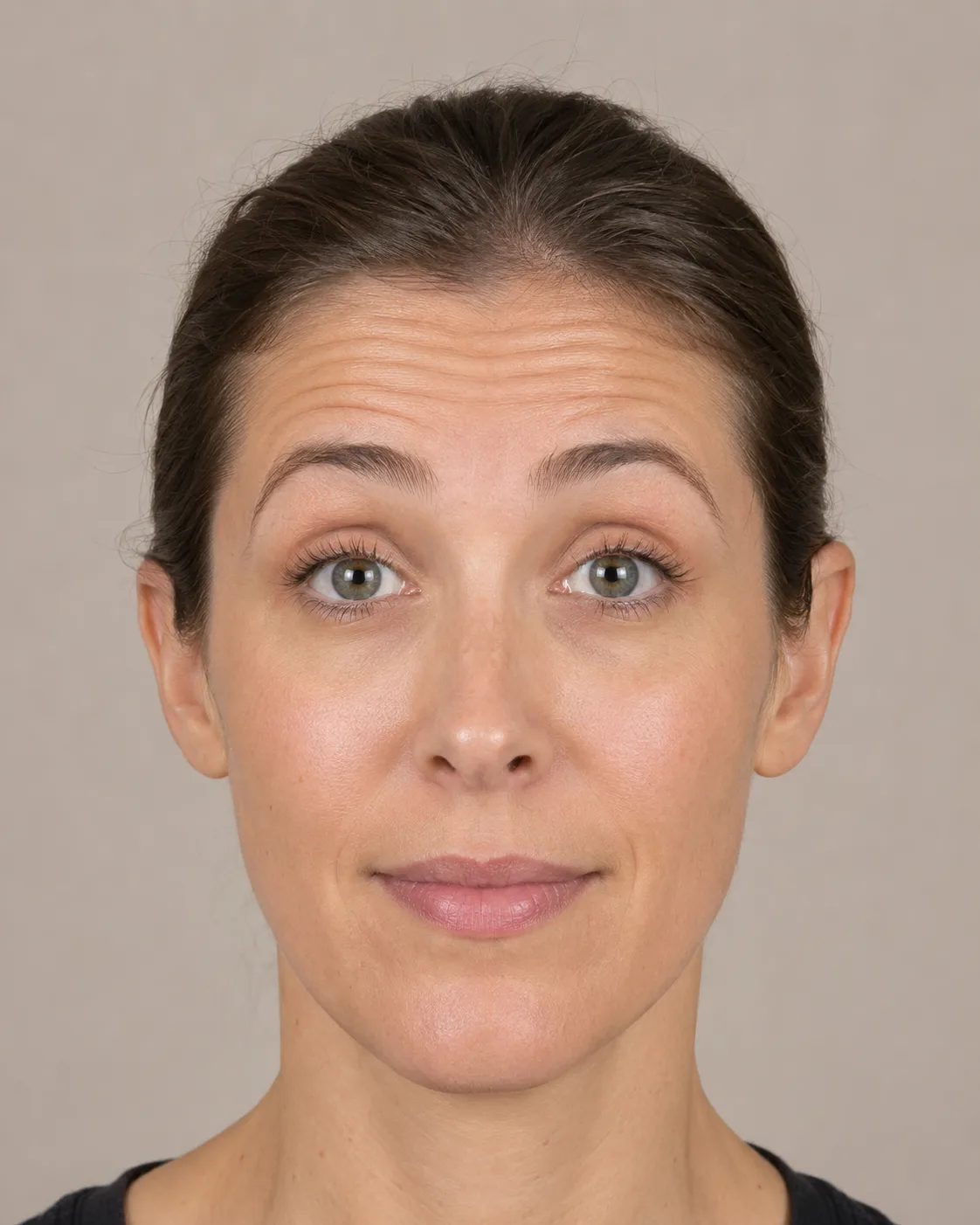
For a forehead wrinkle concern near Mount Waverley, compare three moments: the forehead before a natural brow lift, during the movement and after the expression has comfortably settled. Note which horizontal lines appear only with movement and which remain visible afterwards. Corey Anderson RN considers that sequence with brow position, eyelid context, frown contribution, skin, natural asymmetry, health history and previous care. He explains suitable options, material risks, alternatives, costs, timing and follow up. When clinically appropriate and informed consent is complete, suitable care can be planned.
Start With The Transition, Not A Line Count
Horizontal lines often change as the brows lift and relax. Counting them in one frozen expression misses whether they appear only during movement or remain visible after the forehead settles.
A simple three moment comparison gives Corey a clearer starting question and leaves room to discuss the expression you want preserved.
How Can You Observe The Three Moments?
| Moment | What to notice | Useful boundary |
|---|---|---|
| Comfortable baseline | Brow position and lines visible before deliberately lifting. | Use a neutral gaze without holding the face rigid. |
| Natural brow lift | Where movement begins, its range and familiar side differences. | Lift once naturally rather than repeating or straining. |
| Expression settled | Which creases soften and which remain visible after relaxing. | Do not time the change as a home diagnostic test. |
| Ordinary conversation | Whether forehead movement appears without deliberate posing. | Include expression you recognise and value. |
Which Question Fits This Mount Waverley Page?
Stay with this guide
Your main question is how horizontal forehead lines change as brow movement begins and settles.
Start with the broad local guide
Use the Mount Waverley wrinkle guide when frown, forehead and outer eye movement all compete for attention.
Choose the frown guide
Read the frown consultation guide when movement between the brows is the leading concern.
What Does Corey Add To The Movement Sequence?
Corey observes the forehead at rest, during conversation and with natural brow and frown movement. He compares brow height, eyelid context, side differences, skin creasing and the expression you want to keep familiar.
Medicines, health changes, eye symptoms, previous cosmetic care, timing and review access complete the assessment. A home observation cannot diagnose the pattern or confirm suitability.
Why Does Brow And Eyelid Context Still Matter?
The forehead helps lift the brows, so the line pattern cannot be considered separately from the upper face. Some people naturally use more forehead movement during conversation or visual effort.
Corey assesses the relationship rather than assuming that every horizontal line should be addressed. New visual symptoms, eyelid symptoms or a sudden change may need another appropriate clinical pathway.
Which Risks And Consent Questions Belong Here?
Risks depend on the option discussed and may include temporary marks, swelling, tenderness, headache, unevenness, brow or eyelid heaviness, altered expression and disappointment. Corey explains relevant warning signs, aftercare and review access.
Consent includes suitable alternatives, costs, timing and the movement you want preserved. When an option is clinically appropriate and informed consent is complete, suitable care can be planned.
What Should You Bring From Mount Waverley?
Bring your three moment observation, current medicines, allergies, relevant health history, previous cosmetic care dates and any records available. Note eye symptoms, recent procedures and important travel or event timing.
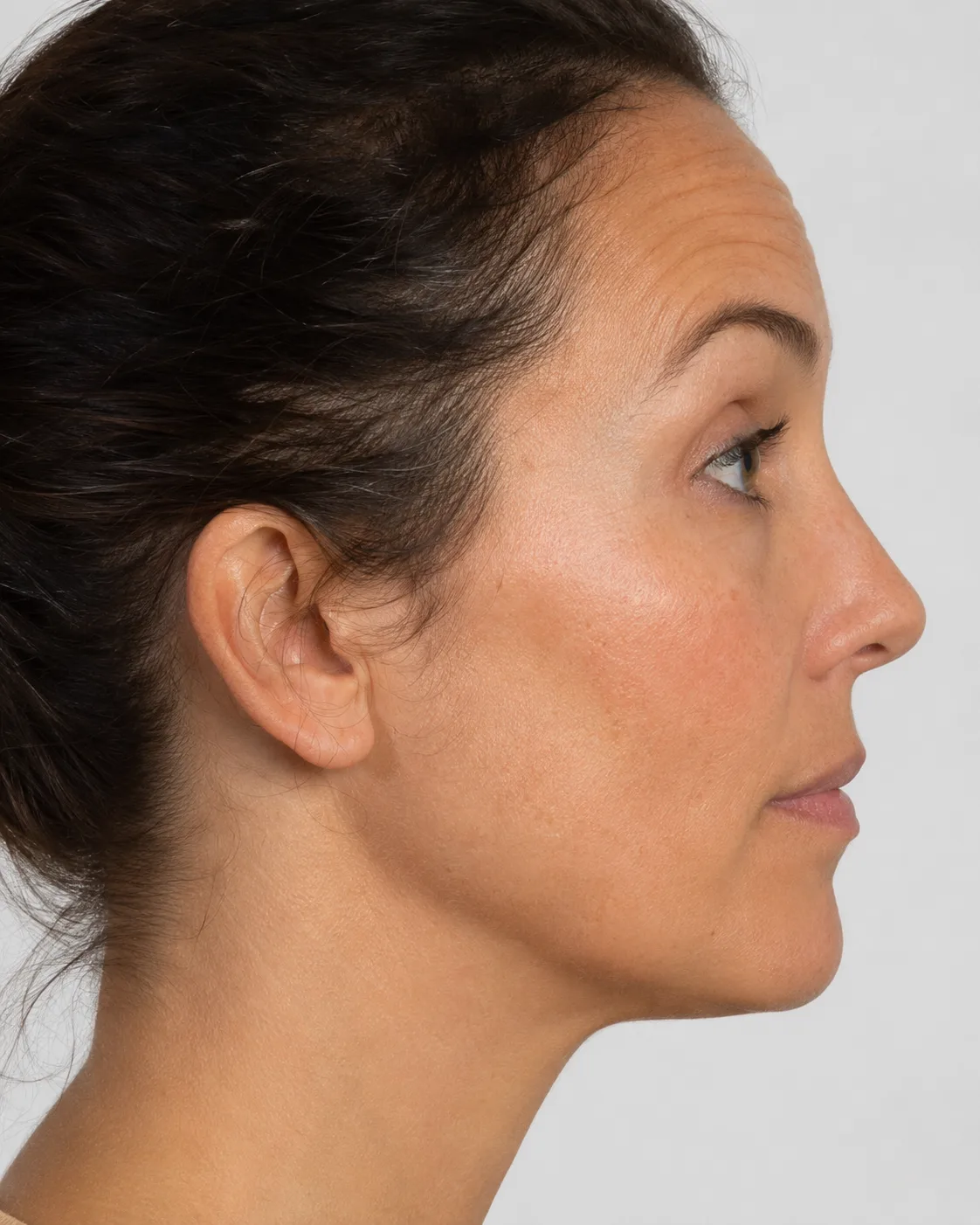
Older photographs may show gradual change, but they do not set a result target. The useful comparison is your own familiar movement and settled baseline.
Which Guides Continue A Different Question?
Use the main forehead consultation guide for the wider appointment sequence, the forehead lines guide for more skin and movement education, or the Melbourne facial line guide when several areas need sorting.
The patient safety guide and informed consent guide provide broader decision support.
Questions About Movement And Settled Expression
What is a movement settling comparison?
It compares the forehead before a natural brow lift, during movement and once expression relaxes. Corey uses the sequence to discuss active movement and creasing that remains visible afterwards.
Should I repeatedly raise my brows to test the lines?
No. One natural movement and ordinary conversation are more useful than repeated straining. The observation is preparation for assessment, not a home diagnostic or performance test.
Why does Corey assess brow position?
The forehead helps lift the brows. Corey considers brow height, eyelid context, frown contribution and familiar asymmetry so horizontal lines are not assessed in isolation.
What if lines remain after expression settles?
Record what you notice without deciding the cause. Corey compares persistent creasing with skin, movement, history, natural asymmetry and upper face relationships before explaining which pathways may be suitable.
What previous care details should I bring?
Bring approximate dates, areas, available records, side effects, review advice and what felt unfamiliar. Previous care can affect movement, timing and whether the baseline is ready to compare.
Which changes need another clinical pathway?
A sudden change, weakness, numbness, pain, new visual symptoms or another acute concern needs appropriate medical assessment rather than relying on a routine cosmetic consultation.
Why does brow and upper eyelid context matter to forehead lines?
Forehead movement helps position the brows and can affect how the upper eyelids feel and appear. Corey watches a comfortable brow lift, release and rest rather than counting lines in isolation. He also reviews frown movement, natural asymmetry, eye history and previous care because changing one part of the pattern may affect expression or comfort elsewhere.
What Is The Short Preparation Checklist?
- Notice the forehead before brow lift, during natural movement and after expression settles.
- Record familiar asymmetry and the movement you want preserved.
- Bring medicines, health details, previous care records and timing questions.
- Ask how brow position, eyelid context, risks, consent and review affect suitable planning.
Is this for you?
Consider booking a consultation if
- Adults near Mount Waverley wanting forehead line and brow position assessment before treatment discussion
- Patients who want a consultation-first explanation of movement lines, resting lines, risk and consent
- People willing to consider how assessment, timing, follow-up and other clinical input shape the plan
- Patients who want to verify Corey Anderson RN and the Oakleigh clinic before booking
This may not be for you if
- People asking for a predetermined plan without assessment, consent or risk discussion
- People with urgent medical symptoms, active infection, acute swelling or rapidly changing skin concerns
- People wanting a fixed cosmetic change before brow position and movement are assessed
- People seeking elective cosmetic care for someone who cannot provide informed consent
Suitability is confirmed at consultation. This list is general guidance, not a substitute for clinical assessment.