For a facial volume concern near Malvern East, trace five transitions: temple to cheek, cheek to under eye, cheek to mouth, mouth to chin and chin to jaw. Note where light or movement changes the contour and which relationship should stay familiar. Corey Anderson RN combines this map with skin, profile, natural asymmetry, health, dental, weight and previous care context. Corey explains suitable options, material risks, alternatives, costs, timing and follow up. When clinically appropriate and informed consent is complete, suitable care can be planned.
Begin With The Transition, Not A Single Point
Stand in ordinary light and follow the contour from temple to cheek, cheek to under eye, cheek to mouth, mouth to chin and chin to jaw. Note where a shadow, flattening or change begins and where it settles.
Then name one relationship you want preserved. This prevents one close photograph or isolated area from becoming the whole brief.
Why Does This Malvern East Guide Use Five Transitions?
The nearby Malvern guide separates skin, soft tissue and deeper structure. This page answers a different question: how one facial area flows into the next across the whole face.
The Malvern East starting point helps with travel and review planning only. The five transition map supplies the page specific clinical preparation job.
How Should You Prepare The Five Views?
Use a relaxed front view, an angled view and a profile in ordinary light. Avoid pulling the skin, posing the lips or choosing only the strongest shadow.
- Write where each transition begins and ends.
- Note whether speech or smiling changes it.
- Record recent weight, dental, skin or health changes.
- Name the facial relationship that should remain familiar.
What Does Each Transition Add To The Assessment?
| Transition | Assessment question | Preservation boundary |
|---|---|---|
| Temple to cheek | How do upper face width and cheek support connect? | Natural temple and cheek contour. |
| Cheek to under eye | Is the concern support, shadow, skin or a mixed pattern? | Lower eyelid and cheek relationship. |
| Cheek to mouth | How do midface support, movement and folds interact? | Natural smile and cheek movement. |
| Mouth to chin | How do lips, chin and dental proportions relate? | Familiar lower face profile. |
| Chin to jaw | Does the contour change across front, angle and profile? | Jaw movement and natural asymmetry. |
Which Context Should Come With The Map?
Bring current medicines and supplements, relevant health and dental history, recent weight change, active skin concerns, previous cosmetic care dates and available records. Add ordinary photographs only if they help describe a change over time.
You do not need to choose an area or quantity before the visit. Clear observations and preservation boundaries are more useful.
How Do You Use The Five Transition Brief?
Trace the contour
Follow each transition across front, angled and profile views rather than circling one point.
Test light and movement
Notice whether a shadow changes with light, speech or smiling.
Add health and history
Include skin, dental, weight and previous care context.
Protect familiarity
Name the relationship, expression or asymmetry that should remain recognisable.
Bring the map to Oakleigh
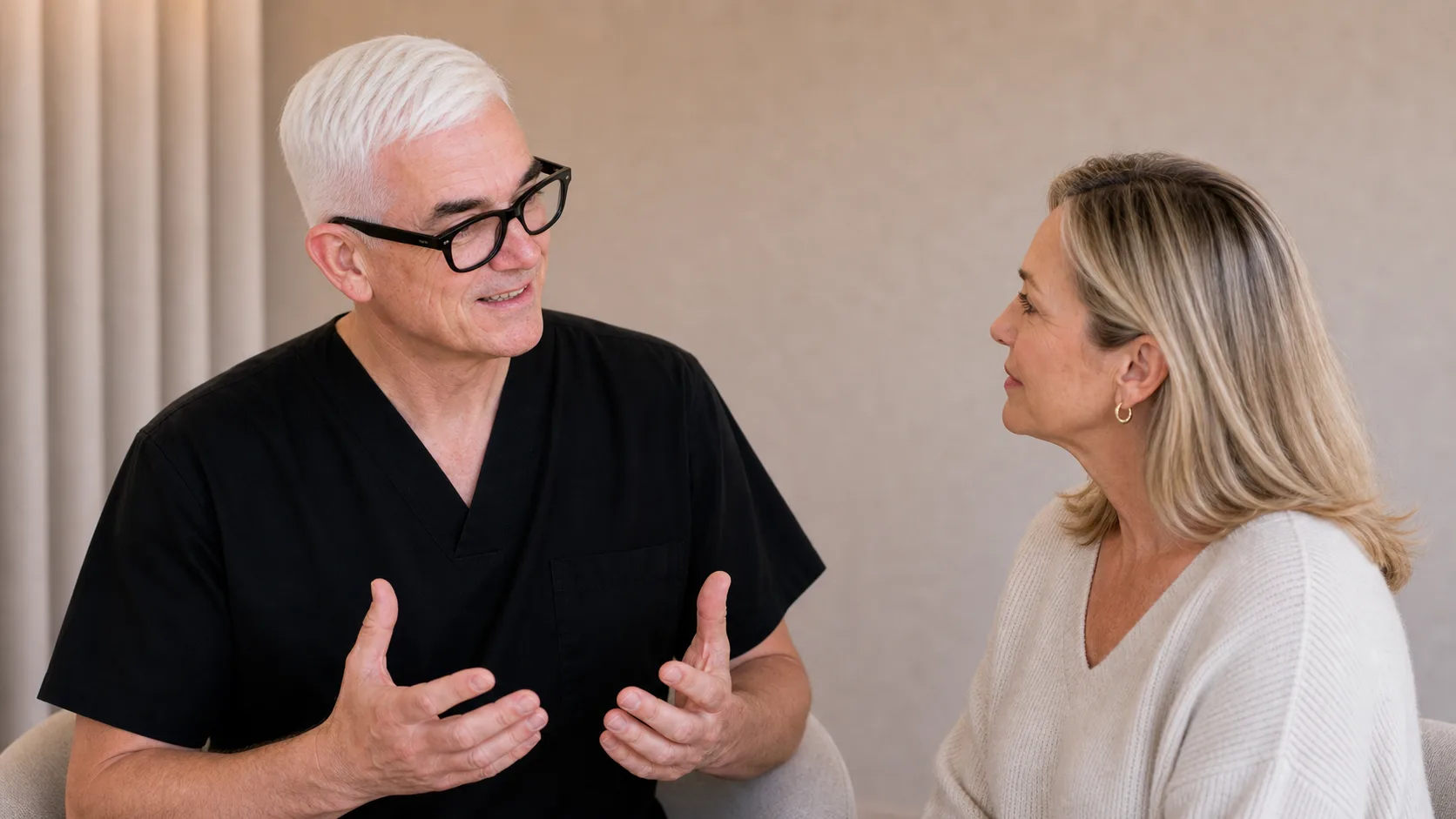
Corey tests the observations through direct assessment and explains suitable options and limits.

What Can Direct Assessment Reframe?
A concern labelled as lost volume may instead involve surface skin, lighting, movement, natural asymmetry, dental relationships, previous care or several overlapping transitions. The assessment can narrow which relationship deserves priority.
Corey can plan suitable care when assessment and consent support it, or incorporate more information, adjusted timing, another clinical review or a different pathway when useful.
Which Guide Fits The Leading Transition?
Use the cheek consultation guide when temple, cheek or midface support leads. Read skin quality before consultation when surface change leads, or the facial profile guide when lips, chin and jaw relationships dominate.
Stay with this page when several transitions remain connected and the main job is whole face comparison.
How Are Risks, Limits And Consent Discussed?
Option dependent risks may include temporary marks, swelling, tenderness, bruising, asymmetry, lumps, infection, delayed reactions, dissatisfaction and uncommon serious complications. Corey explains relevant warning signs, aftercare and review access.
Consent records which transition is being discussed, what may remain unchanged, alternatives, expected limits, costs and timing. No single option is expected to address every transition.
Where Is The Five Transition Assessment Held?
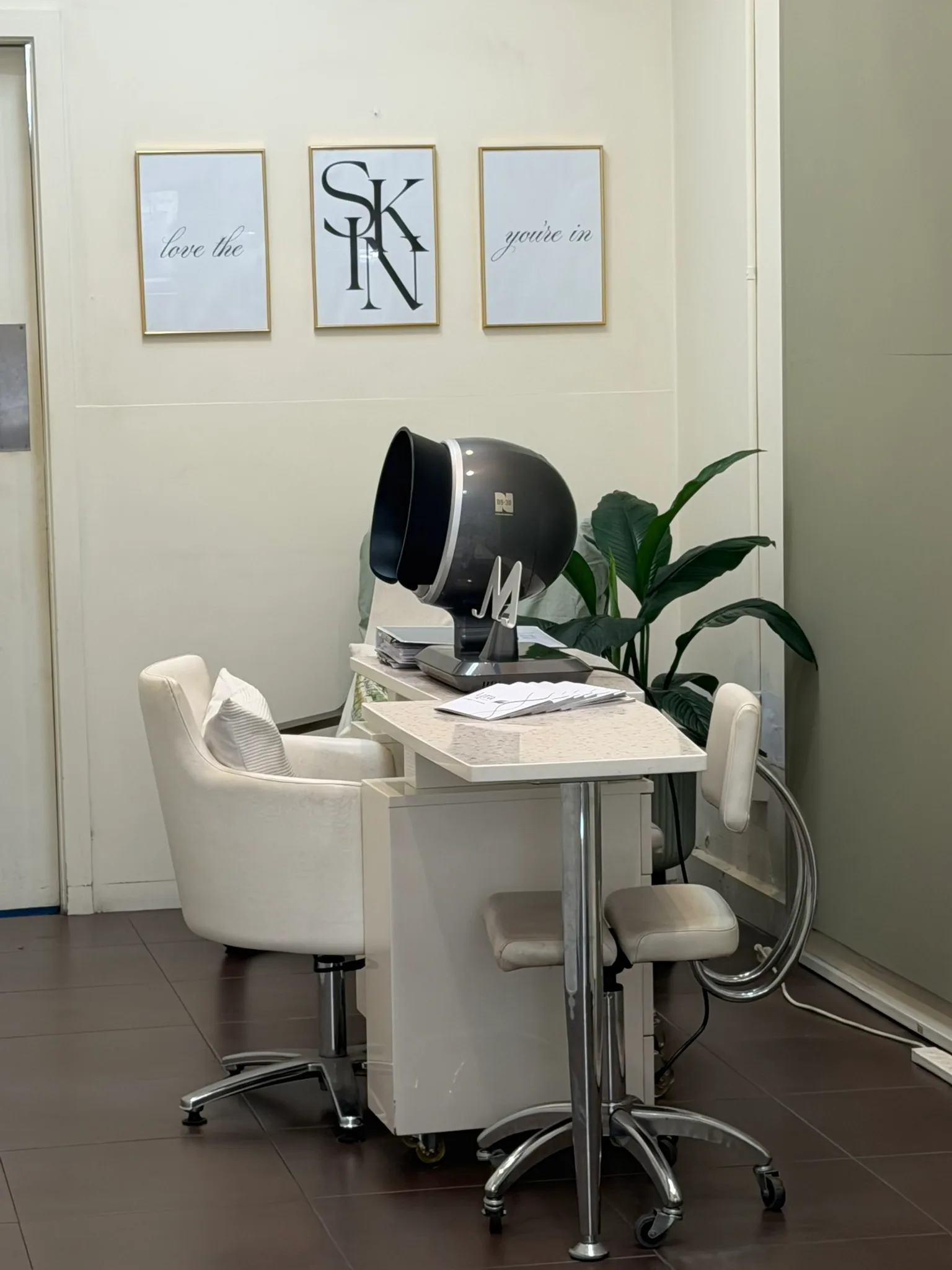
Core Aesthetics is at 12A Atherton Road, Oakleigh VIC 3166. Phone 0491 706 705. Corey Anderson is a Registered Nurse with Ahpra registration NMW0001047575.
Use the verification page and independent Ahpra register to confirm practitioner details before booking.
When Does Another Clinical Pathway Help?
Active rash, broken skin, pain, rapidly changing swelling, altered sensation, visual change, significant dental symptoms or another unexplained change needs appropriate skin, dental, medical or urgent assessment.
Once the health question is understood, Corey can incorporate the relevant information and timing into a comfortable cosmetic consultation pathway.
Which Official Guidance Informs The Consultation?
This page provides general education for adults and cannot diagnose a facial, skin, dental or medical concern, confirm suitability or replace personal health advice and informed consent.
Official guidelines for registered health practitioners who perform non-surgical cosmetic procedures support individual assessment, consent and appropriate follow up. These cosmetic procedure guidelines inform the consultation process. TGA advertising guidance explains why prescription products are not promoted here.
Questions About The Five Facial Transitions
What are the five facial transitions?
This guide follows temple to cheek, cheek to under eye, cheek to mouth, mouth to chin and chin to jaw. The transitions show how neighbouring areas connect rather than treating one shadow or contour point in isolation.
Why use front, angled and profile views?
Each view reveals a different relationship. Front view helps compare symmetry, angled view shows how transitions connect, and profile places lips, chin and jaw in context. Ordinary light and relaxed expression reduce posing effects.
Does every contour change mean lost volume?
No. Skin, lighting, movement, weight change, dental relationships, natural asymmetry and previous care can influence the same feature. Corey combines the map with direct assessment before discussing suitable options.
What should I preserve in the plan?
Name a familiar expression, proportion, contour or asymmetry that matters to you. Corey uses that boundary when discussing which transition deserves priority and what should remain unchanged.
Why can dental and weight history matter?
Teeth, bite, lips, chin, jaw and weight change can affect lower face and profile relationships. Relevant history helps Corey distinguish a stable cosmetic concern from a change that may need different assessment or timing.
Is Core Aesthetics located in Malvern East?
No. Core Aesthetics is in Oakleigh. Check the route from your Malvern East starting point, allow comfortable arrival time and consider whether returning for review would be practical.
Why compare facial transitions instead of one isolated hollow?
The temple, under eye, cheek, mouth and lower face form connected transitions, so a shadow in one place may reflect skin, lighting, movement or support elsewhere. Corey compares front, angled and profile views with natural asymmetry, dental and weight history and previous care. Whole face context helps prevent an isolated observation from becoming an assumed solution.
Is this for you?
Consider booking a consultation if
- Adults near Malvern East wanting facial volume and structure assessment before option discussion
- Patients who want consultation first explanation of cheek support, midface change, risk and consent
- People who value a clear explanation of options, timing, follow-up and other clinical input
- Patients who want to verify Corey Anderson RN and the Oakleigh clinic before booking
This may not be for you if
- People asking for a predetermined plan without assessment, consent or risk discussion
- People with urgent medical symptoms, active infection, acute swelling or rapidly changing facial symptoms
- People wanting a fixed cosmetic change before facial structure and skin quality are assessed
- People seeking advice for someone unable to provide informed consent for elective cosmetic care
Suitability is confirmed at consultation. This list is general guidance, not a substitute for clinical assessment.